A summer day at Coney Island is a quintessential New York City experience, but the journey there can often be as memorable as the destination itself, for better or worse. This year, the MTA's ongoing fleet modernization, particularly the introduction of the R211 subway cars, promises to refine that commute. These upgrades aim to alleviate common pain points associated with hot-weather travel and peak beach demand, offering a more reliable and comfortable ride. For those planning a beach escape, understanding these enhancements and how to leverage them can transform a crowded trip into a smoother, more enjoyable prelude to a day by the ocean.
Want to ensure your Coney Island journey is as smooth as possible? Text Karpo for real-time MTA updates, R211 deployment details, and personalized travel advice.
The R211 Advantage: Wider Doors and Digital Clarity
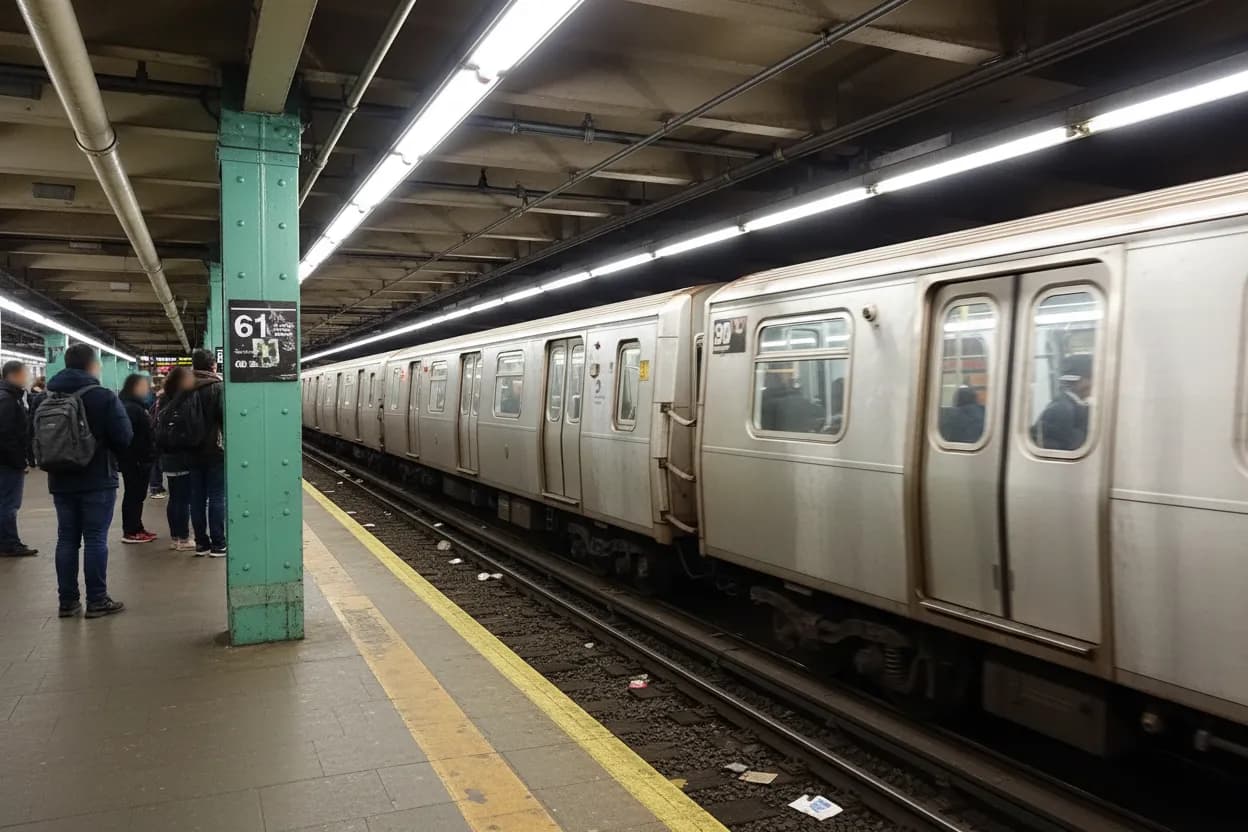
The R211 subway cars are designed to significantly improve the rider experience, especially during high-volume summer periods. A key feature is their 58-inch-wide door openings, which are eight inches wider than those on older cars. This design aims to speed up boarding and exiting, reducing the time trains spend at stations and potentially mitigating congestion during peak beach hours. For travelers laden with beach bags, coolers, or strollers, this increased space can make a considerable difference in managing the flow onto and off of trains.
Beyond physical access, the R211 fleet incorporates updated customer information features, including digital displays that provide clearer, real-time service updates. This technological improvement helps riders make informed decisions about their journey, particularly when navigating service changes or choosing between multiple lines that serve Coney Island-Stillwell Avenue. Knowing which train to take or anticipating delays with greater accuracy can be crucial for planning arrival times and avoiding unexpected disruptions on a hot day.
Which Lines Are Rolling Out the New Cars?
The introduction of R211 subway cars is part of a phased modernization program across the NYC subway system. As of July 2026, the D line has officially received these modern trains, replacing older models that have been in service for decades. This is a notable upgrade for beachgoers, as the D line is a primary route to Coney Island. Riders on the G, B, and Staten Island Railway also saw R211 models introduced in 2025, with the Rockaway Shuttle (GS) line receiving a full replacement of its vintage R46 cars in mid-2026.
It is important to note that while the D line to Coney Island is now equipped with R211 cars, not every train arriving at Coney Island-Stillwell Avenue will necessarily be a new model. The phased rollout means that other lines serving the terminal may still operate a mix of older and newer rolling stock. For the most current information regarding which lines and specific trains are operating R211 cars, riders should consult the MTA's official website or real-time service status channels before their trip, as fleet deployment can vary.
Managing Summer Crowds on Your Beach Journey
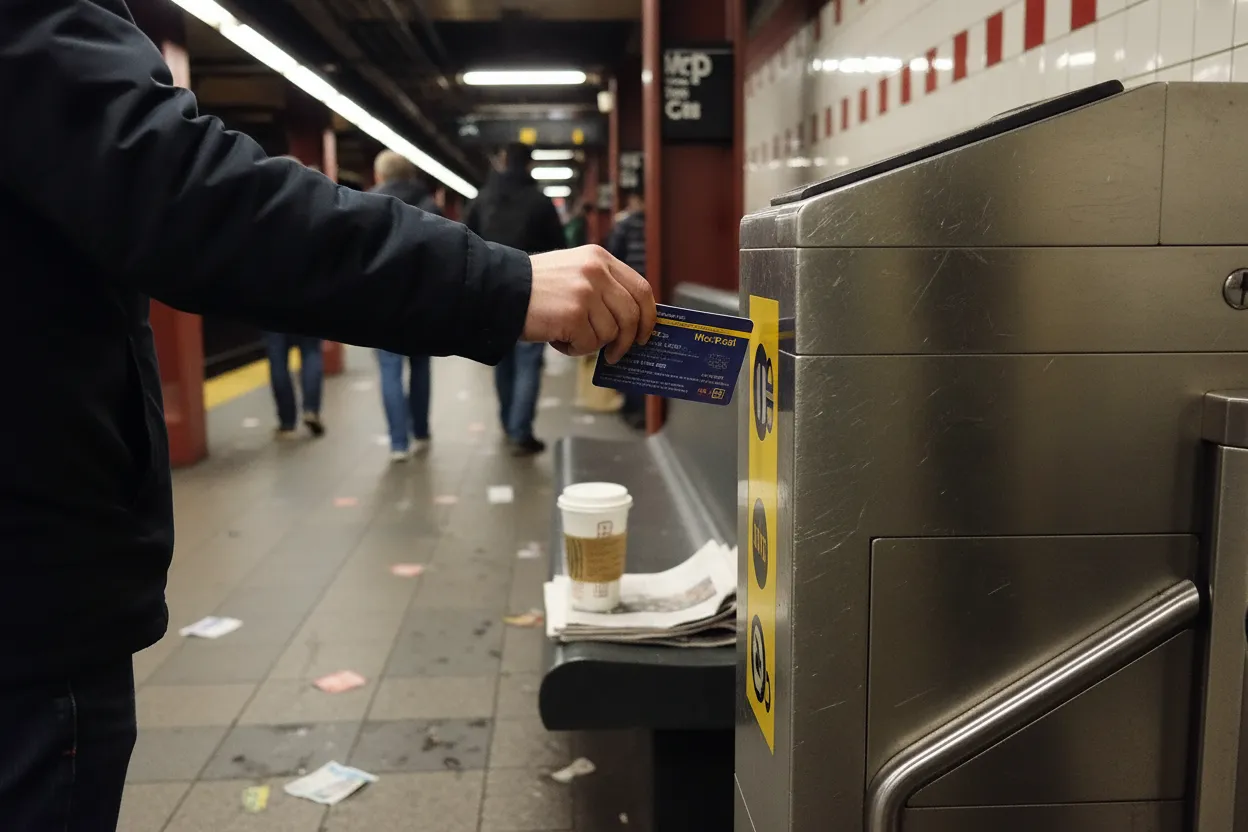
Summer trips to Coney Island present distinct transit challenges due to concentrated weekend ridership and event-driven demand. Trains heading towards the beach often reach capacity at major transfer points in Brooklyn and Manhattan during hot Saturday and Sunday afternoons. The return trip in the late afternoon and early evening sees similar crowding, as beachgoers, boardwalk visitors, and amusement park guests converge at Coney Island-Stillwell Avenue simultaneously, creating standing-room-only conditions even on R211 cars.
Strategic timing can significantly improve your subway experience. Early morning trains, typically before 11:00 AM, generally offer more available seating and faster boarding. Similarly, late evening departures after 8:00 PM usually see reduced crowding as families and day-trippers disperse. Mid-afternoon travel in either direction tends to be the most challenging, regardless of the subway car model in service. Additionally, weekend service changes or track work can consolidate lines or require bus transfers, potentially compounding crowding issues, so checking service advisories is always recommended.
Enhanced Reliability and Interior Comforts
The R211 cars represent a substantial leap in mechanical reliability compared to the older fleets they are replacing. These new cars average approximately 294,221 miles between mechanical failures, a significant improvement over the aging R46 cars, which averaged just 58,685 miles. This enhanced reliability translates to a smoother and more dependable journey, reducing the likelihood of unexpected delays or breakdowns that can disrupt a planned beach day. The introduction of onboard security cameras and brighter LED lighting in every car also contributes to a modernized and safer environment for passengers.
Interior features of the R211 cars are designed for improved comfort and passenger flow. The updated layouts offer more flexible standing and seating arrangements, which are particularly beneficial when carrying beach gear or navigating crowded trains. Additionally, customer satisfaction surveys have shown higher satisfaction rates for cleanliness on lines utilizing R211 cars, indicating a more pleasant environment for riders. These combined enhancements aim to make the ride itself a less stressful part of the overall beach experience.
Accessibility Considerations for All Travelers
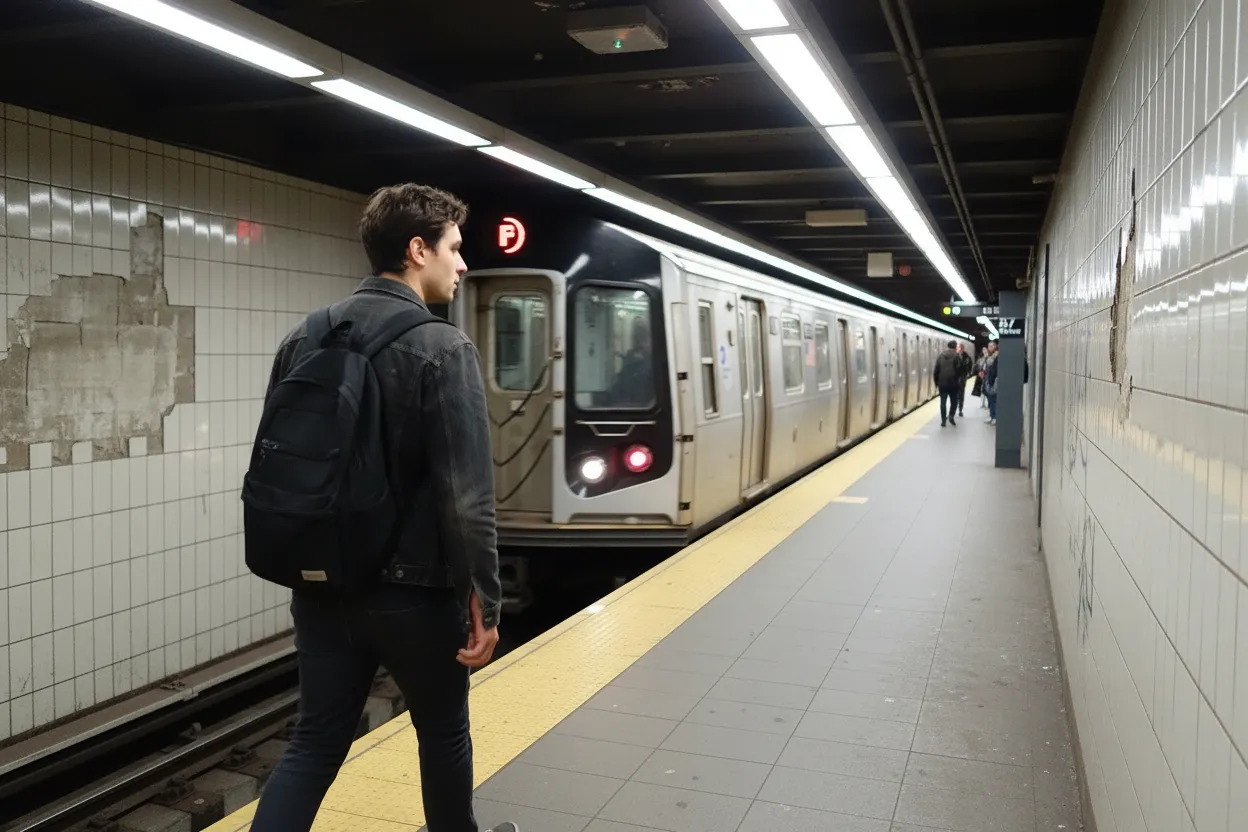
For those traveling with strollers, beach carts, wheelchairs, or other mobility devices, checking MTA station accessibility information is paramount before heading to Coney Island. Not all entrances and exits at stations along the routes provide elevator access, and temporary closures for maintenance can occur, especially during weekend service changes. The Coney Island-Stillwell Avenue terminal itself serves multiple lines with varying platform configurations, so understanding the most direct accessible path to your final destination on the beach or boardwalk is advisable.
The MTA's online subway maps and service status tools offer critical planning information beyond just train schedules. These resources provide real-time updates on elevator outages, platform changes, and route modifications. Reviewing this information within a few hours of departure is a practical step, as summer construction schedules and emergency repairs can lead to frequent, temporary alterations. Confirming accessibility features and current service patterns ensures that the modern subway experience is truly inclusive and convenient.
Navigating the Coney Island-Stillwell Avenue Terminal
Coney Island-Stillwell Avenue is a major transit hub where multiple subway lines converge, creating a complex environment for both first-time visitors and frequent riders. The terminal's platform layout requires careful attention to signage to ensure you board the correct train for your return journey, as trains for different lines depart from various locations within the station complex. During summer weekends, crowding extends beyond the trains themselves, affecting platforms, stairways, and fare control areas with heavy pedestrian traffic as beachgoers arrive and depart.
The terminal's close proximity to Coney Island Beach and Boardwalk makes it the primary gateway for beach access. However, the walk from the subway platform to the sand still requires several minutes of navigation through the station and surrounding streets. It is advisable to factor in this additional time, especially if you have sensitive timing for activities like meeting friends, attending events, or catching specific amusement park opening hours. The station environment itself is designed to manage large volumes, but patience and awareness of your surroundings will enhance your experience.
Planning Ahead: Your Checklist for a Smooth Trip
Before embarking on your Coney Island adventure, a few preparatory steps can significantly enhance your experience. First, always verify the latest MTA service status and R211 fleet deployment information via official MTA channels. This is crucial because summer often involves weekend track work, route modifications, and changes in train assignments. Relying on outdated information can lead to unexpected delays or reroutes, detracting from your beach day.
Consider packing light to ease navigation through crowded stations and trains, even with the wider doors of the R211s. If traveling with children or large items, plan your departure and return times to avoid peak crowding. Lastly, charge your phone to access real-time maps and service updates, and ensure you have sufficient funds on your MetroCard or OMNY-enabled device. A little foresight goes a long way in ensuring a low-friction journey to and from the beach.
Tags: #NYCSummer #MTAUpdates #R211Subway #ConeyIsland #BeachTravel #NYCSubway #TransitTips #PublicTransit #AccessibilityNYC #TravelSmart #KarpoNYC #NeighborhoodGuides #AskKarpo #BeforeYouGo
Sources consulted: Source 1: app.karpo.ai · Source 2: secretnyc.co · Source 3: en.wikipedia.org · Source 4: governor.ny.gov · Source 5: abc7ny.com
All trademarks are the property of their respective owners.
Ask Karpo first
Tell Karpo your date, group size, budget, and starting neighborhood. We’ll check current access, timing, transit, and the cleanest plan for MTA NYC Transit before you head out.