What Makes the R211 Subway Cars Different for Beach Trips
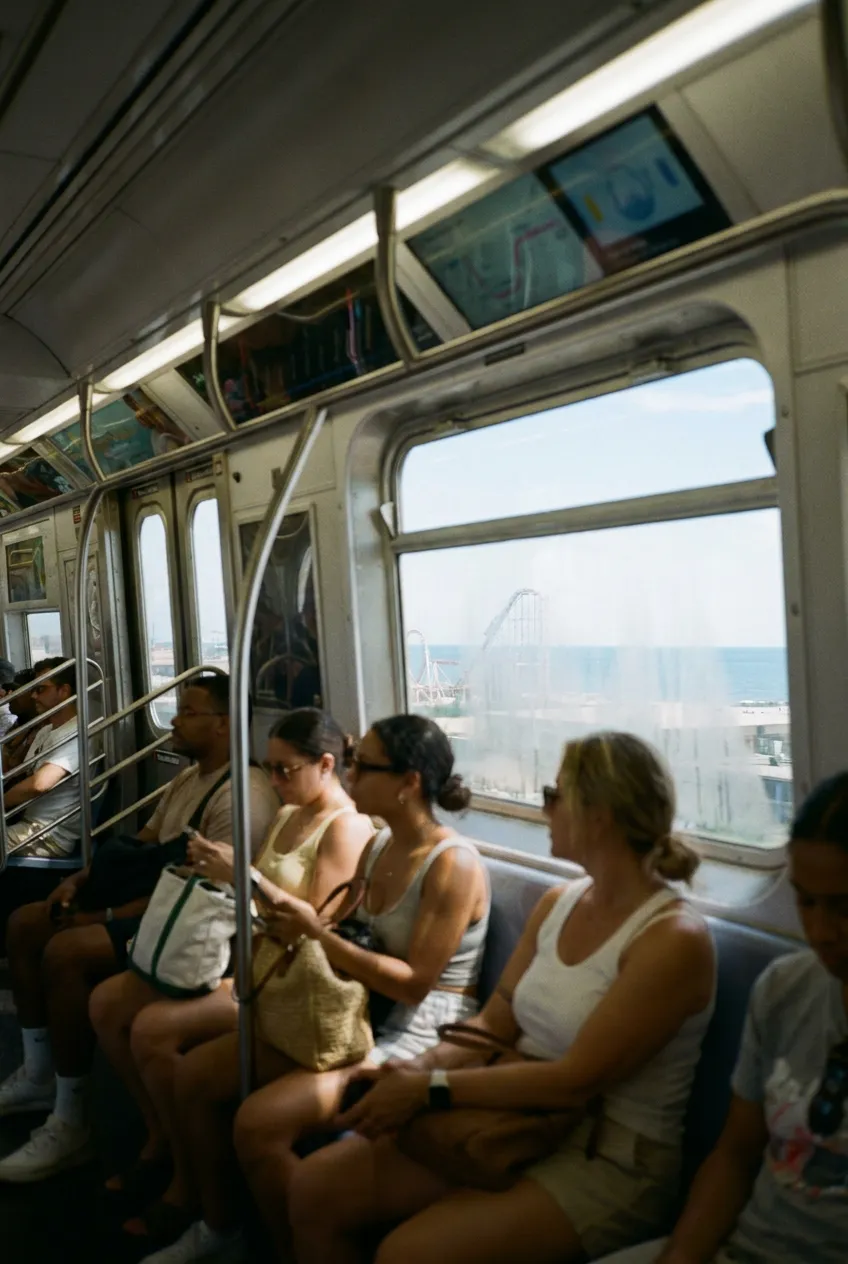
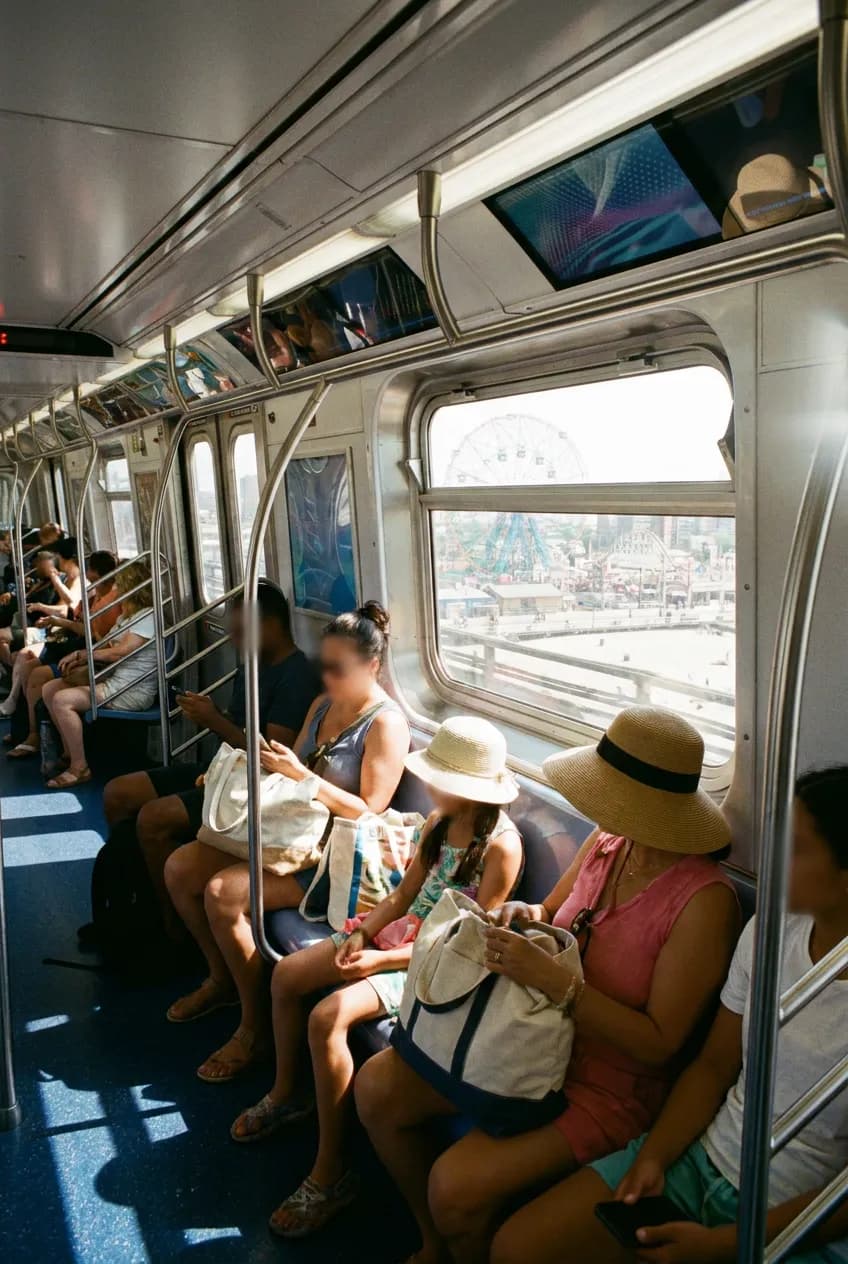
The MTA's R211 subway cars represent a significant fleet modernization program designed to improve the rider experience across New York City's subway system. These new trains feature wider doors that speed up boarding and reduce dwell time at stations, along with updated customer information features including digital displays that provide clearer real-time service updates. For summer travelers heading to Coney Island, these improvements can mean faster platform clearance during peak beach hours and better access to service change information when weekend work disrupts normal schedules.
Heading to Coney Island? Ask Karpo how to plan the smoothest summer trip on NYC's newest trains.
The physical design changes in the R211 fleet address long-standing pain points for riders carrying beach gear, strollers, or accessibility devices. Wider door openings create less congestion during the rush to board crowded trains on hot summer weekends, while improved interior layouts offer more flexible standing and seating arrangements. The enhanced digital information systems help riders make informed decisions about which train to take when multiple lines serve Coney Island-Stillwell Avenue, the major terminal that connects South Brooklyn beach destinations to the rest of the city's transit network.
Which Routes to Coney Island May See New Trains
MTA updates indicate that new subway cars are entering service in phases across the system, not all routes simultaneously. Coney Island-Stillwell Avenue serves as a terminal for multiple subway lines traveling to South Brooklyn, but riders should not assume every train arriving at the station will be an R211 model. The phased rollout means that on any given summer day, travelers may encounter a mix of older and newer rolling stock depending on which line they choose and the specific consist assigned to their departure time.
Before planning a Coney Island trip around the expectation of riding a new subway car, check current MTA service status and fleet deployment information. The transit authority's website and official channels provide the most accurate information about which lines are currently operating R211 trains. Because summer service often includes weekend track work and route modifications, the train you rode last month may not reflect what is running during your next beach visit. Confirming both the route and the rolling stock in service helps set realistic expectations for your journey.
How Summer Crowding Affects Your Coney Island Subway Experience
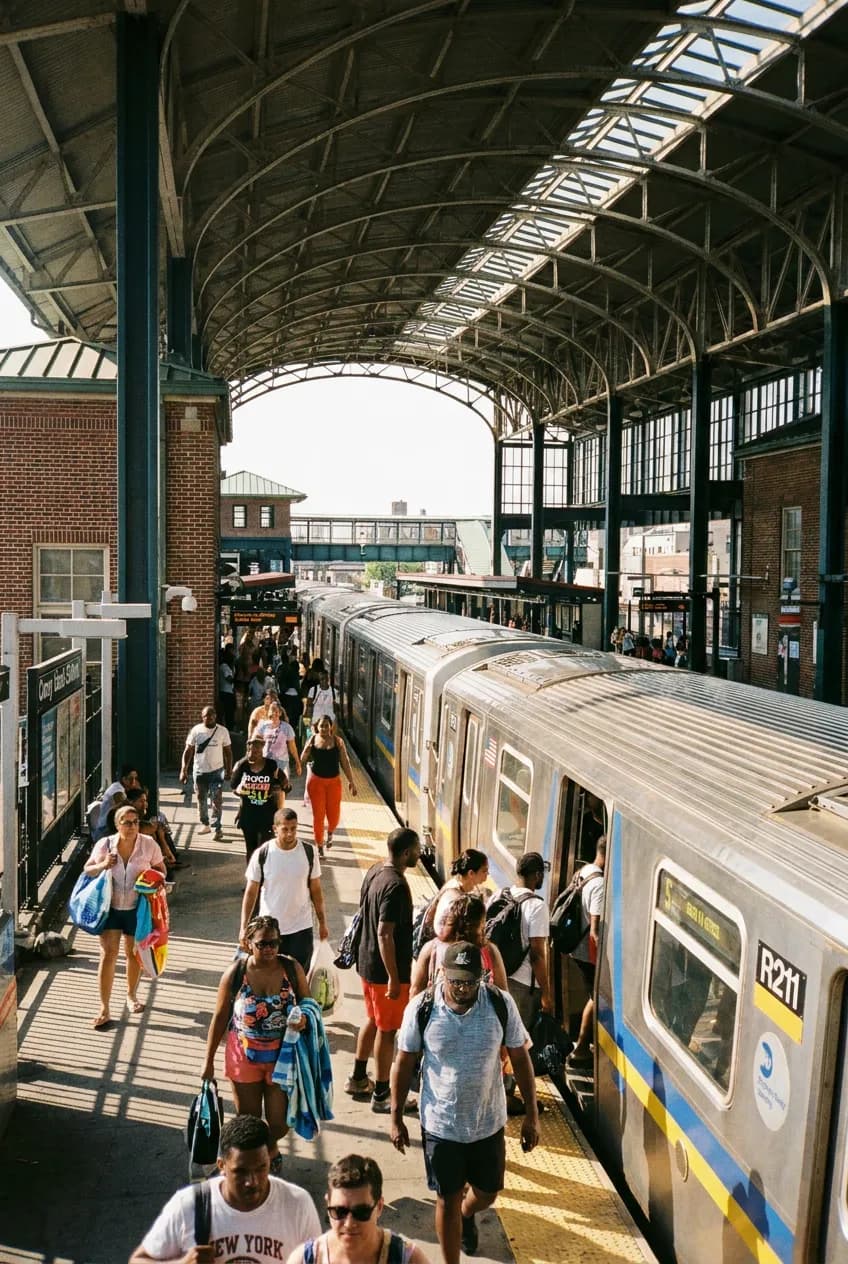
Summer Coney Island trips face unique transit challenges driven by weather, beach-event demand, and concentrated weekend ridership. On hot Saturday and Sunday afternoons, trains heading toward the beach fill quickly at major transfer points in Brooklyn and Manhattan, often reaching capacity before arriving at the terminal. The return trip in late afternoon and early evening creates similar crowding as beachgoers, boardwalk visitors, and amusement park guests all converge on Coney Island-Stillwell Avenue simultaneously. Even with the improved boarding efficiency of R211 cars where they are deployed, expect longer wait times and standing-room-only conditions during peak summer hours.
Planning your departure and return times around predictable crowd patterns can significantly improve your subway experience. Early morning trains before eleven o'clock typically offer more available seating and faster boarding, while late evening departures after eight o'clock see reduced crowding as families with young children head home earlier. Mid-afternoon travel in either direction tends to present the most challenging conditions. Weekend service changes add another variable, as track work may consolidate multiple lines onto shared routes or require bus bridges for portions of the journey, compounding crowding issues regardless of which subway car model is in service.
Station Accessibility and Route Planning Considerations
Before choosing a specific subway route to Coney Island, riders should check MTA station accessibility information, particularly if traveling with strollers, beach carts, wheelchairs, or mobility devices. Not all entrances and exits at stations along Coney Island routes offer elevator access, and weekend service changes may close accessible entrances for maintenance. The Coney Island-Stillwell Avenue terminal itself serves multiple lines with varying platform configurations, so understanding which line offers the most direct accessible path to your final beach or boardwalk destination saves time and physical effort on hot summer days.
The MTA's online subway maps and service status tools provide essential planning information beyond just train arrival times. Real-time updates flag elevator outages, platform changes, and route modifications that can turn a straightforward trip into a complicated journey requiring multiple transfers or alternative transportation. Riders should review this information within a few hours of departure rather than relying on general route knowledge, since summer construction schedules and emergency repairs create frequent temporary changes. Confirming accessibility features and current service patterns ensures that the convenience promised by new subway technology translates into an actually improved travel experience.
What to Expect at Coney Island-Stillwell Avenue Terminal
Coney Island-Stillwell Avenue functions as a major transit hub where multiple subway lines terminate, creating a complex station environment that can confuse first-time visitors and returning riders alike. The terminal's platform layout requires attention to signage indicating which track serves which line for your return journey, since trains depart from different locations within the same station complex. During summer weekends, station crowding extends beyond just the trains themselves, with platforms, stairways, and fare control areas experiencing heavy pedestrian traffic as beachgoers arrive and depart in waves throughout the day.
The terminal's proximity to Coney Island Beach and Boardwalk, managed by NYC Parks, makes it the primary transit gateway for beach access, but the walk from subway platform to sand still requires several minutes of navigation through the station and surrounding streets. Riders should factor in this additional time when planning arrival for time-sensitive activities like meeting friends or catching specific amusement park opening hours. The station environment itself offers limited amenities, so travelers should arrive prepared with water, sunscreen, and other beach essentials rather than expecting convenient retail options between the turnstile and the beach entrance.
Checking Service Status Before Your Beach Day
The single most important step for a successful Coney Island subway trip is checking current MTA service status on the day of travel, not the night before or based on previous experience. Weekend service changes, unplanned disruptions, and weather-related modifications can all affect which routes operate normally and which require alternative planning. The MTA's official website and mobile tools provide real-time updates that reflect conditions as they develop throughout the day, including sudden changes that may not appear in advance weekend service advisories.
Beyond just confirming that your intended route is running, service status checks reveal important details about travel time, transfer requirements, and crowding conditions. Alerts may indicate that a particular line is experiencing delays or running with reduced frequency, information that could lead you to choose an alternative route to Coney Island-Stillwell Avenue. While new R211 subway cars offer improved features when they are in service on your chosen line, no amount of modern rolling stock compensates for choosing a disrupted route when better alternatives are available. Taking five minutes to review current conditions before leaving home consistently proves more valuable than any single transit technology upgrade.
Practical notes
- Check MTA service status and station accessibility information on the day of your trip, as weekend service changes and elevator outages frequently affect Coney Island routes.
- Plan to travel before eleven o'clock in the morning or after eight o'clock in the evening to avoid peak crowding on summer weekend trains to and from the beach.
- Confirm which subway line offers the most direct accessible path to your destination if traveling with strollers, beach equipment, or mobility devices.
- Allow extra time for navigating Coney Island-Stillwell Avenue terminal and walking from the station exit to the beach or boardwalk entrance.
- Not all trains serving Coney Island routes currently use R211 cars; verify current fleet deployment if riding a specific subway car model is important to your trip.
Tags: #NYCSubway #R211SubwayCars #ConeyIsland #MTAUpdates #SummerTransit #BeachTravel #SubwayModernization #ConeyIslandBeach #BrooklynTransit #NYCBeaches #SubwayAccessibility #WeekendService #MTAServiceStatus #ConeyIslandStillwell #NYCTravel
Sources consulted: MTA R211 cars · MTA service status · MTA subway maps · Coney Island guide
All trademarks are the property of their respective owners.
Ask Karpo first
What is the current R211 deployment status on subway lines serving Coney Island-Stillwell Avenue, and are there specific times or days when these newer trains are more likely to be in service? Riders planning summer beach trips would benefit from knowing which routes currently operate R211 cars with wider doors and improved information displays, especially during peak weekend travel periods when crowding makes these features most valuable. Additionally, what is the most reliable way to confirm real-time service status and accessibility conditions for Coney Island routes on the morning of travel, and are there alternative transit options when planned subway routes experience disruptions?