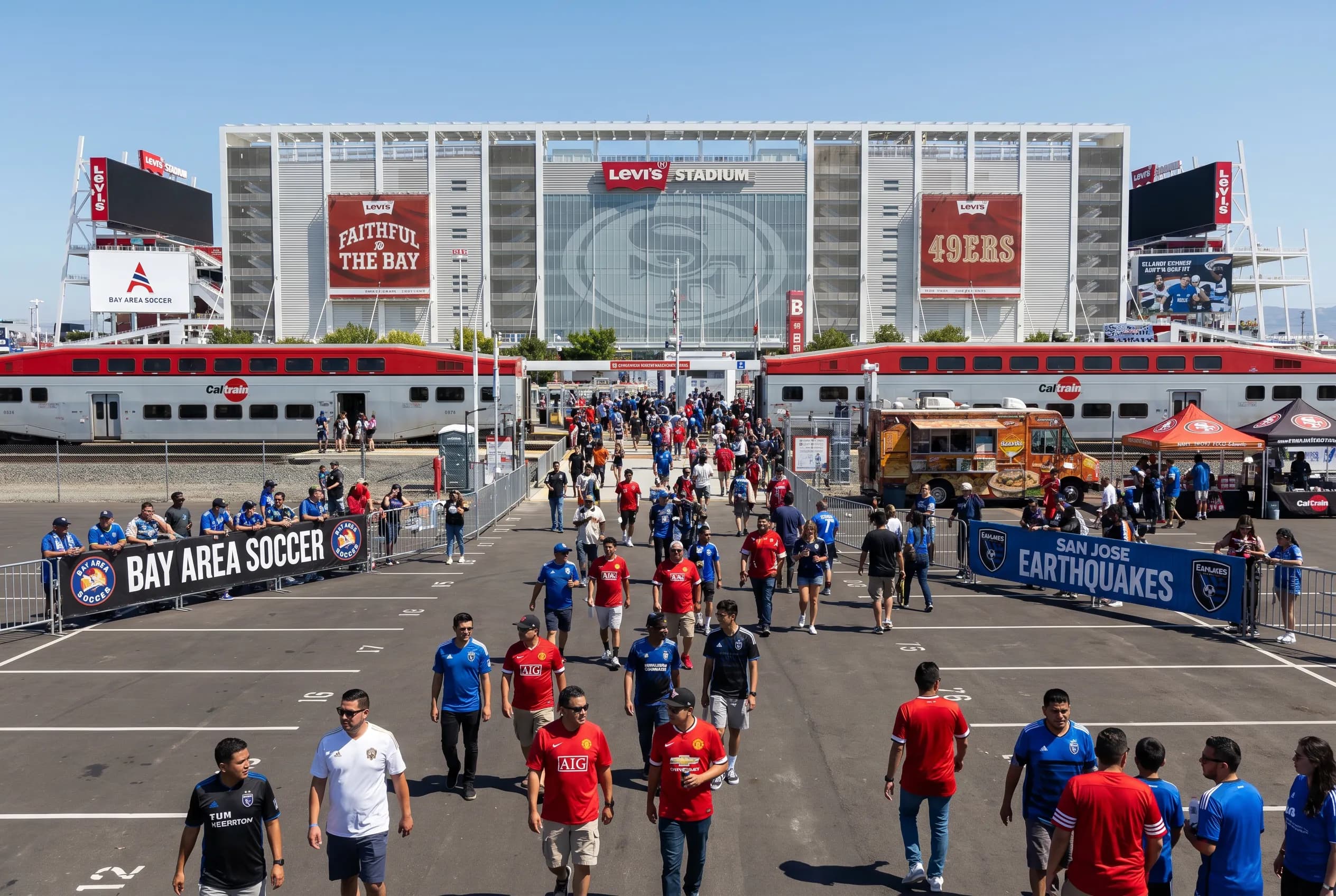
Levi's Stadium in Santa Clara will host FIFA World Cup 2026 matches, drawing tens of thousands of supporters into the Bay Area's transit network. The venue sits at the intersection of Caltrain commuter rail, VTA light rail, and a web of highways that serve Silicon Valley. Unlike a typical NFL Sunday, World Cup match days will test every mode of transport, from the baby bullet trains running down the Peninsula to the shuttle lots scattered across San Jose. Understanding how these systems connect—and where they might strain—turns a stressful scramble into a confident journey.
Planning your route from San Francisco, Oakland, or the South Bay requires more than a static map. Caltrain schedules flex for special events, VTA adds extra trains, and parking lots open or close based on demand you won't see until game week. Text Karpo for a personalized match-day plan that accounts for your starting point, kickoff time, and whether you want a pre-match meal in Japantown or a quick taco stop in Santa Clara. We'll send you real-time transit options, backup routes, and food recommendations that fit your timeline.
Caltrain to Mountain View and the VTA Connection
Caltrain runs along the Peninsula from San Francisco's Fourth and King Street station through Millbrae, Palo Alto, and Mountain View, terminating in San Jose. For Levi's Stadium, most riders transfer at Mountain View to VTA light rail, which continues west to the Great America station adjacent to the venue. Caltrain operates local, limited, and baby bullet services; bullet trains skip smaller stops and cut travel time from San Francisco to Mountain View to roughly forty minutes. On event days, Caltrain typically adds extra trains and holds departures to accommodate crowds, but the agency publishes special schedules closer to each match. Checking the Caltrain website or app the week of your game ensures you board a train that aligns with your transfer window.
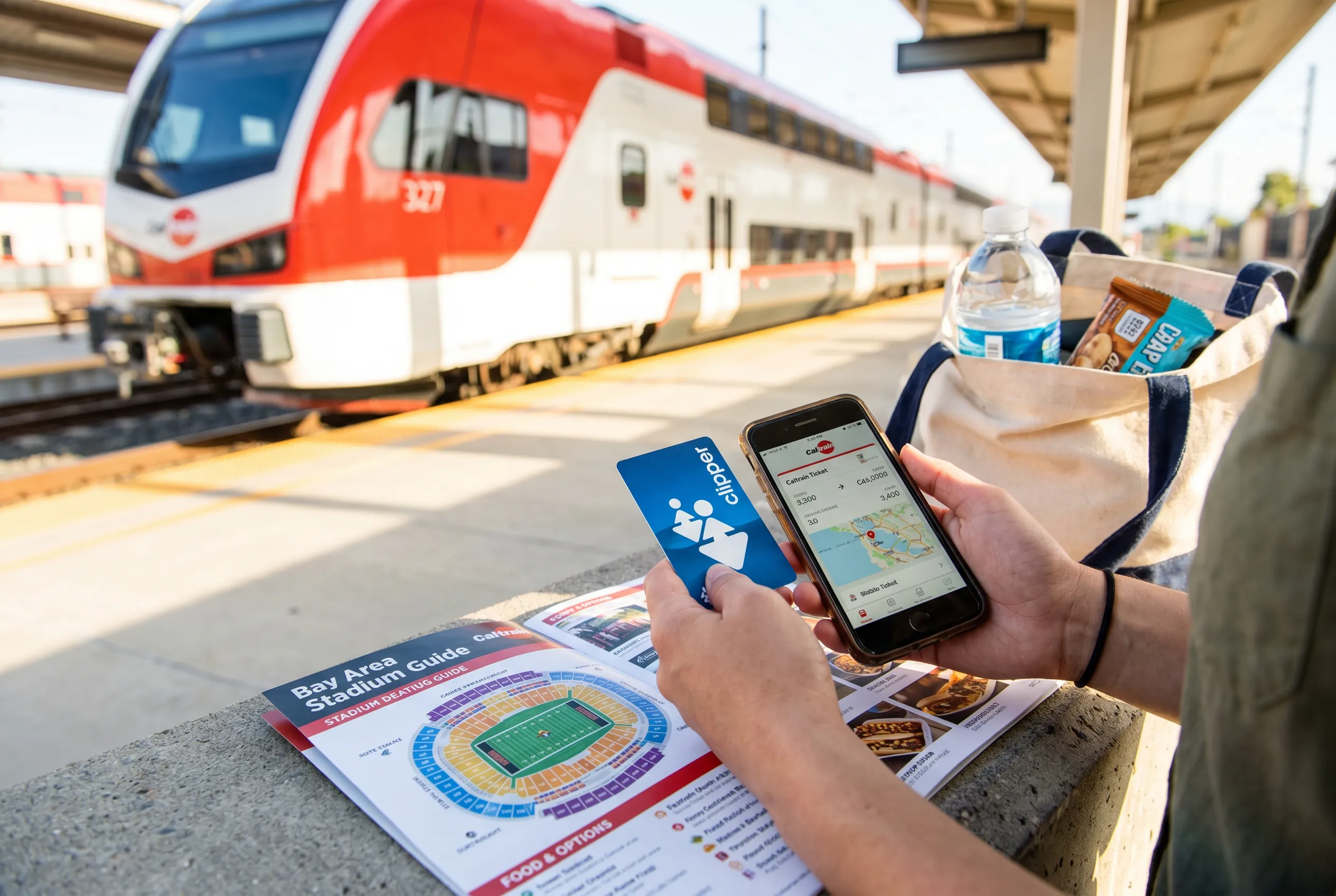
Mountain View station features a single island platform where Caltrain and VTA share space. After disembarking, follow signs downstairs to the VTA platform on the opposite side of the tracks. The VTA Orange Line runs northwest toward Great America, with trains arriving every ten to fifteen minutes during peak hours and more frequently on event days. The ride from Mountain View to Great America takes about twenty minutes. Because both systems use proof-of-payment fare collection, keep your Clipper card or mobile ticket ready for random inspections. If you're traveling from the East Bay, BART to Millbrae connects to Caltrain southbound, though that transfer adds thirty minutes and requires careful schedule coordination.
VTA Light Rail Direct from San Jose
Riders starting in San Jose can board VTA light rail at several downtown stations, including San Jose Diridon, Convention Center, and Japantown/Ayer. The Orange and Green lines both serve Great America, though the Orange Line offers a more direct route with fewer stops. From Diridon, the trip takes roughly forty minutes. VTA plans to run coupled two-car trains on event days, doubling capacity, but crowding remains likely in the hour before kickoff. Boarding at an earlier downtown station rather than waiting until the last stop gives you a better chance of finding a seat and avoiding the crush at Diridon.
Great America station sits across the street from Levi's Stadium, connected by a pedestrian bridge that funnels crowds directly into the venue's north entrance. After the final whistle, expect long queues on the platform as thousands of supporters funnel back toward San Jose and Mountain View. VTA typically holds trains to let platforms clear, but patience is essential. If you're not in a rush, consider walking north into the surrounding office parks for fifteen minutes, then catching a less crowded train at a quieter hour. VTA's real-time arrival app helps you gauge wait times, though cell service can bog down when everyone checks their phone at once.
Event-Day Parking and Lot Logistics
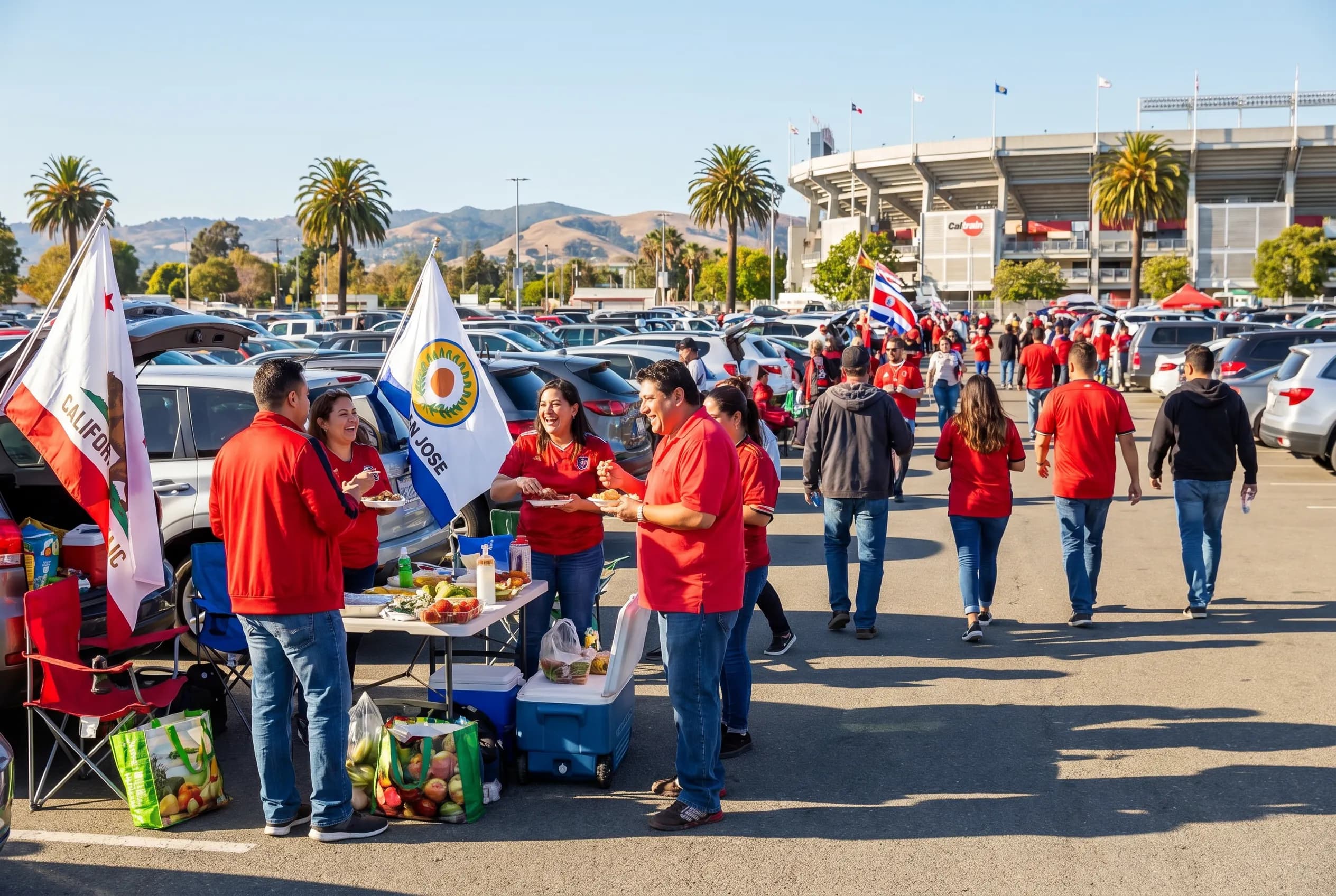
Levi's Stadium operates several official parking lots immediately adjacent to the venue, sold in advance through the stadium's website or third-party platforms. These lots open several hours before kickoff and close well after the match, but inventory is limited and prices rise as the event approaches. On-site parking offers convenience, yet exit traffic can trap cars for an hour or more as tens of thousands of vehicles squeeze onto a handful of access roads. If you choose to drive, arriving early—three hours before kickoff—gives you time to park, walk the tailgate areas, and settle in without the stress of a last-minute scramble.
Off-site parking at Great America theme park or nearby office complexes sometimes appears on event days, either through official partnerships or informal arrangements. These lots may offer lower prices and easier egress, but they require a longer walk or a shuttle connection that may not run after the match. Verify lot hours, shuttle schedules, and whether your parking pass includes re-entry before you commit. The week of the match, check the stadium's official website and local news for any road closures, construction detours, or changes to lot assignments. What worked for a 49ers game in October may not apply to a World Cup match in June.
San Jose Dining Stops Before the Match
San Jose's Japantown, centered on North Fifth and Jackson streets, sits one VTA stop from Diridon and offers ramen shops, izakayas, and bakeries within a compact two-block radius. Arriving two hours before your train gives you time to eat without rushing, and the neighborhood's proximity to light rail means you're never more than ten minutes from your connection. Japantown's restaurants range from quick counter-service bowls to sit-down spots with fuller menus; weekends see longer waits, so plan accordingly. Cash is accepted everywhere, though most places now take cards.
Downtown San Jose around San Pedro Square and South First Street clusters breweries, taco trucks, and Vietnamese restaurants within walking distance of multiple VTA stations. This area comes alive in the evening, making it a natural pre-match gathering point for supporters who want a livelier atmosphere than Japantown's quieter blocks. Food trucks often park near Diridon on event days, offering grab-and-go options for riders who prefer to eat on the platform. If you're driving and parking downtown, note that meter enforcement runs until six or eight in the evening, and event-day rates sometimes increase. Street parking near the light rail stations fills quickly, so budget extra time to circle or consider a paid garage.
Santa Clara Options Near the Stadium
The blocks immediately surrounding Levi's Stadium lean heavily toward chain restaurants and sports bars clustered along Tasman Drive and Great America Parkway. These spots swell with pre-match crowds, and waits can stretch past an hour as kickoff approaches. If you're set on eating near the venue, arrive well before the rush or make a reservation days in advance. Some restaurants offer special event menus or prix-fixe deals on match days, though prices typically rise to reflect demand. The advantage is proximity: you can walk to the stadium in ten minutes and avoid the stress of a tight transit connection.
Food trucks and pop-up vendors sometimes set up in the stadium's parking lots or along the pedestrian paths leading from Great America station. These options offer speed and variety, from tacos and burritos to barbecue and Asian fusion, though quality varies and lines can be long. Bringing snacks or a packed meal is always an option if you want to avoid both the cost and the wait. The stadium allows sealed, single-serve water bottles and small bags, so check the venue's bag policy before you pack. Hydration matters, especially for afternoon matches in the South Bay sun, and refill stations inside the stadium are clearly marked.
Verifying Schedules and Real-Time Adjustments
Transit agencies publish special event schedules closer to match day, often just a week or two in advance. Caltrain and VTA both post updates on their websites and social media channels, detailing extra trains, extended service hours, and any planned maintenance that might affect your route. Signing up for email or text alerts from both agencies ensures you receive notifications about delays, cancellations, or platform changes. On the day itself, check the Caltrain and VTA apps for real-time arrival information, and build buffer time into your plan. A train running ten minutes late can cascade into a missed connection and a stressful sprint to the stadium.
Road closures and traffic restrictions around Levi's Stadium often appear the morning of the match, redirecting cars away from certain intersections or blocking streets entirely for pedestrian safety. Local news outlets and the stadium's official social media accounts provide the most current information, though details can shift as crowds arrive. If you're driving, program your GPS with the lot address rather than the stadium itself, and have a backup route mapped in case your primary path is blocked. For transit riders, knowing which VTA stations offer alternative routes to Great America—such as taking the Green Line and transferring—gives you flexibility if the Orange Line experiences delays or overcrowding.
Tags: #WorldCup2026 #SanFranciscoBayArea #LevisStadium #Caltrain #VTA #SanJose #SantaClara #TransitGuide #ParkingTips #MatchDayPlanning
Sources consulted: FIFA San Francisco Bay Area destination · Caltrain · VTA
All trademarks are the property of their respective owners.
Ask Karpo First
Every match day brings its own variables: kickoff time, weather, your starting neighborhood, and whether you're traveling solo or with a group. Text Karpo with your plans, and we'll send you a step-by-step route that includes transit connections, parking alternatives, and food stops that fit your schedule. We track real-time updates so you don't have to refresh five apps at once.