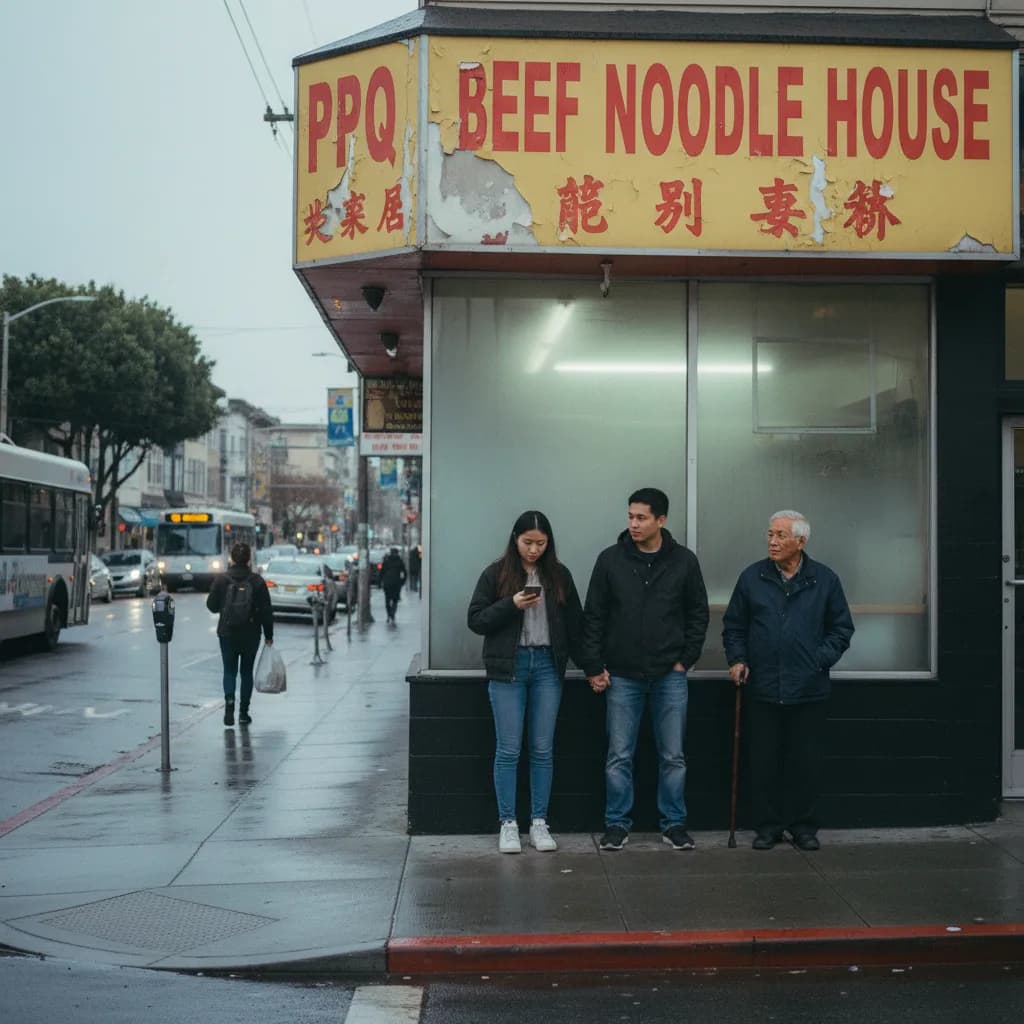
 Outer Richmond Restaurants Open Near Me: PPQ Beef Noodle House
Hidden Gems & Odd Finds
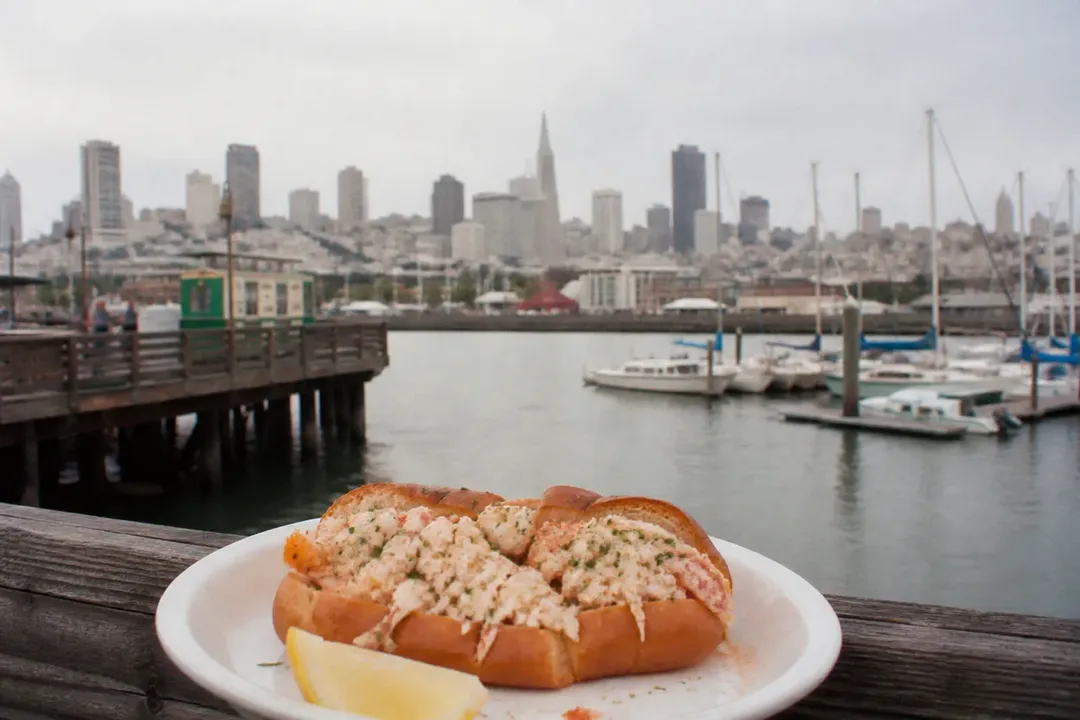
barclays center: A Quieter San Francisco Culture Route
A cautious, transit-first route for turning a national venue headline into a quieter San Francisco culture day.
barclays center may be the phrase pulling attention this week, but in San Francisco it should be treated as a cue, not evidence. The official extracts here do not show a local appearance, partnership, screening, pop-up, or event connected to that venue phrase. They also do not provide attraction hours, ticket prices, reservation rules, museum schedules, park access details, or guaranteed travel times. A stricter plan has to start from what is actually supported: SFMTA has a Trip Planner, current alerts, Muni route and stop information, visitor guidance, neighborhood information, travel maps and guides, fares, accessibility information, and travel and transit updates. Use the headline as a reason to make a careful city route, then verify the real moving parts before leaving. San Francisco is easier to enjoy when the plan is flexible, transit-aware, and honest about what has and has not been confirmed.
Want a cleaner version of this route before you leave? Text Karpo to check Muni options, access notes, current transit alerts, and a nearby backup for this San Francisco plan.
Use the headline to open a more curious detour
A trending venue phrase like barclays center can be useful without being literal. Treat it as a reminder to look at San Francisco through its own public systems instead of importing assumptions from a national venue headline. The extracts do not support any claim that the phrase points to a San Francisco event, local affiliation, special program, or appearance. That means the safer route is not a chase. It is a measured city day built around places you can independently verify before you go.
The practical rule is simple: if the hook came from a headline, the plan must come from current local information. SFMTA’s official page supports several concrete planning steps. You can use its Trip Planner by entering a starting location and ending location. You can choose how you want to travel, with options shown for Muni, bike, walk, and drive. You can also use the site’s Muni Routes & Stops area, visitor guidance, neighborhoods area, travel maps and guides, fares, accessibility information, alerts, and travel and transit updates. Those are planning tools, not promises that every trip will be smooth, so use them close to departure.
Choose a place with a real point of view
For this kind of day, skip any stop whose only appeal is that it might be connected to the headline. Pick a place because it has a clear local point of view: a civic building, a neighborhood corridor, a transit approach, a public-facing cultural space, or a streetscape that lets you observe how San Francisco works. The extracts do not name specific attractions or confirm their entry rules, so the destination should remain conditional until you check the place directly through an official current source.
Use SFMTA’s route, stop, visitor, neighborhood, and map resources as the first filter. If a candidate stop depends on a transfer you do not want to risk, choose something simpler. If it sits near several Muni options, a walkable area, or a backup you would still enjoy, it belongs higher on the list. The goal is not to cover the most ground. It is to reduce the number of unsupported assumptions in the day.
A good venue-selection test is this: would the stop still be worth considering if there were no timely headline at all? If yes, keep researching it. If no, let it go. That keeps the phrase barclays center in its proper place as a planning prompt, not a local claim.
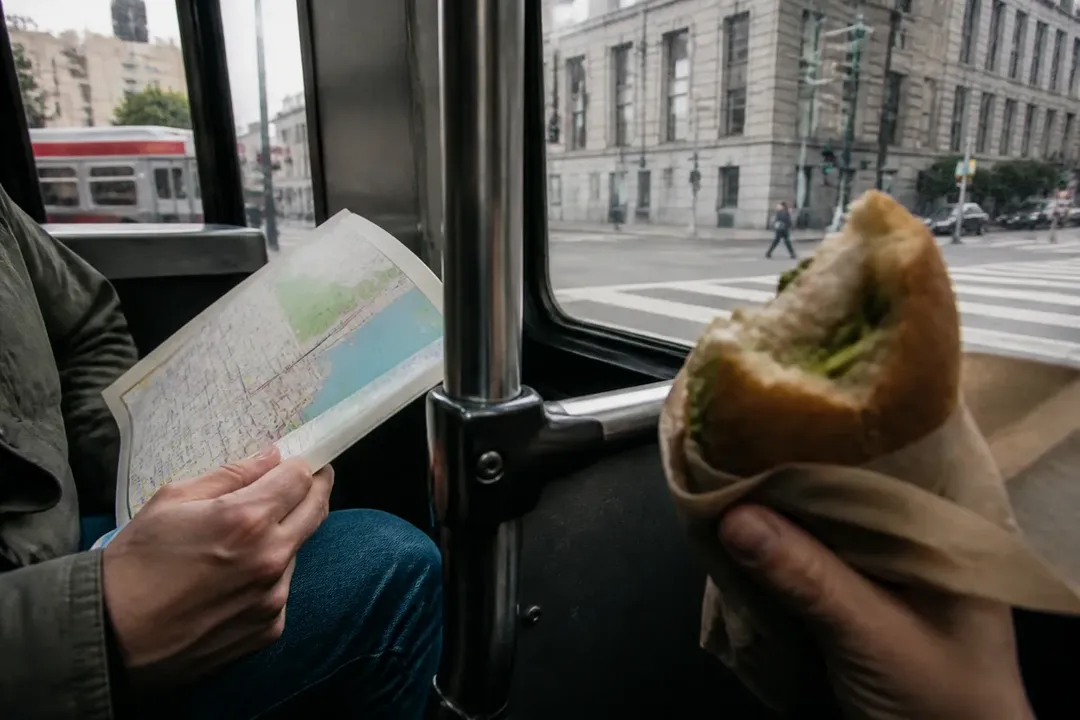
Look for materials archives or hands-on details
Odd finds in San Francisco can be physical rather than flashy. Look for details you can usually assess without relying on a program schedule: visible construction materials, public notices, route signs, station approaches, map displays, exterior plaques, streetscape changes, or the way people move through a transit-connected area. The official extracts do not confirm any archive, exhibition, collection, or hands-on program, so do not write those into the plan as facts unless a separate official source confirms them before you leave.
The supplied official travel and recreation extracts are limited to security-verification screens, so they cannot support attraction descriptions, open hours, admission prices, reservation policies, or access promises. That absence matters. It means a strict version of the route should be built around verifiable logistics first: check the destination’s own current page if you have one, then check SFMTA’s Trip Planner, then scan active alerts and travel and transit updates. If entry is not confirmed, downgrade the stop from “destination” to “possible walk-by.”
Hands-on does not have to mean interactive in a museum sense. It can mean choosing a stop where you can compare approaches, read posted public information, inspect exterior materials from a public sidewalk, or understand how transit shapes a neighborhood. That kind of observation fits the supported facts better than forcing an arena-style itinerary onto San Francisco without evidence.
Pair the odd stop with a calmer second option
The backup is not an afterthought. It is what keeps the route from depending on one unsupported detail. Choose a second stop before you leave, close enough that you can reach it by one of the modes SFMTA’s Trip Planner supports: Muni, bike, walk, or drive. SFMTA also shows visitor guidance for seeing San Francisco by Muni transit, bike, foot, or car, which supports a flexible movement-first plan.
The cleanest sequence is first stop, short local walk if conditions allow, second stop, then transit out. Avoid crossing the city only to rescue an uncertain plan. If your first choice is unavailable, too crowded, or less useful than expected, switch quickly. If SFMTA alerts or travel updates point to an issue near your route, reconsider the order or pick the backup first. The extracts show that the SFMTA homepage includes alerts and travel and transit updates, so those are the official places to check for changing service context.
Use precise current details only where the extracts support them. On August 6, 2026, the SFMTA extract showed an alert stating that a delay near 19th & Holloway had cleared and inbound M Ocean View service was resuming. It also listed travel and transit updates including Hayes Valley Shared Spaces on Fridays and Saturdays in August 2026, 40-foot Bus Service Substitutions updated July 6, 2026, and Chinatown Construction from July 30 to August 9, 2026. Those examples show why a same-day check matters.
Respect access photography and privacy rules
A quieter culture route works only if you treat access as conditional. The extracts do not provide building rules, gallery policies, security procedures, restroom access, bag rules, photography permissions, or reservation requirements for any specific stop. Public-facing does not automatically mean unrestricted. If the place has posted rules, staff instructions, or visible limits on where visitors can go, those current local rules should control the plan.
For photography, use the least intrusive version of the route. Exterior details, posted public information, route signs, and streetscape context are usually less dependent on special permission than close shots inside a venue, images of staff, or photos of private activity. If signage says no photography, stop. If a staff member gives a narrower rule than you expected, follow the narrower rule. The extracts do not support any broader permission.
This is also where the headline discipline matters. Do not tell companions that barclays center is connected to a San Francisco stop unless a current official source says so. The route is inspired by the phrase, not sponsored by it, hosted by it, affiliated with it, or evidence of an appearance. That distinction keeps the plan honest and prevents a weak hook from turning into a false local fact.
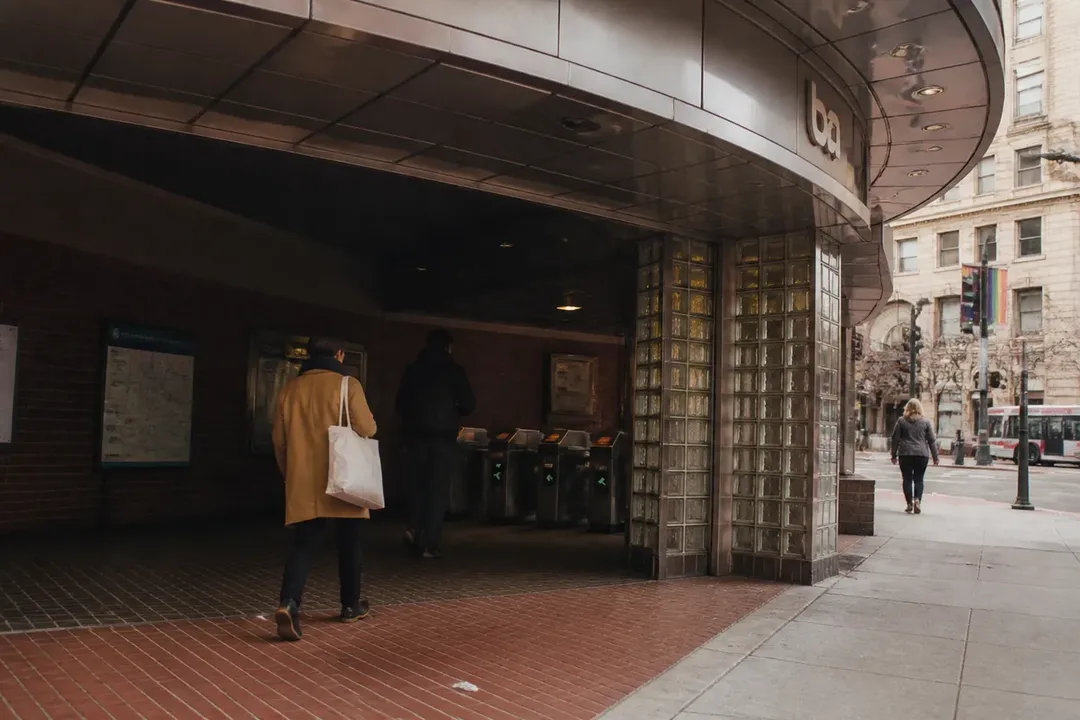
Verify current entry details
Before leaving, run a short verification sequence. First, check the venue, public-space, or neighborhood source you plan to use for current entry details. Second, check SFMTA’s Trip Planner with your actual starting location and ending location. Third, scan SFMTA alerts and travel and transit updates for current service context. Fourth, choose a backup that does not depend on the same uncertain access point.
SFMTA’s official page supports several actionable details for this sequence. It has a Trip Planner with travel choices for Muni, bike, walk, and drive. It has Muni Routes & Stops for train, bus, historic streetcar, and cable car routes. It has areas for visitors, neighborhoods, travel maps and guides, fares, accessibility, alerts, and travel and transit updates. It also lists help and contact paths, including SF 311, 511 Regional Info, the SFMTA Customer Service Center, and phone details for 311, outside San Francisco 415.701.2311, and TTY 415.701.2323.
Do the final check close to departure, not only the night before. The SFMTA extract itself shows time-sensitive material: alerts, calendar entries, news, and dated travel updates. A route that looked simple earlier can change because an alert clears, a construction notice applies, a meeting is happening, or service guidance is updated. The best San Francisco odd-finds day is not the one with the most obscure destination. It is the one where each claim survives a strict check against current official information.
Tags: #barclayscenter #SanFrancisco #HiddenGems #OddFinds #CultureRoute #Muni #SFMTA #TransitFirst #PublicSpaces #VenuePlanning #SFTravel #AskKarpo #BeforeYouGo #Karpo
Sources consulted: sftravel.com · sfmta.com · sfrecpark.org
All trademarks are the property of their respective owners.
Ask Karpo first
Ask Karpo first when the hook is loud but the local facts are thin. For this San Francisco plan, Karpo can help check current Muni routing, active SFMTA alerts and travel updates, likely access friction, and a calmer backup before you commit your afternoon.
Ask Karpo for more information.
Keep reading
- Outer Richmond Restaurants Open Near Me: PPQ Beef Noodle House
 Bar Crudo Divisadero: Premier Seafood Near Me, Raw Bar Excellence
 Woodhouse Fish Co. Castro: Best Seafood Near Me, San Francisco