A Cathedral Reborn in Santa Úrsula
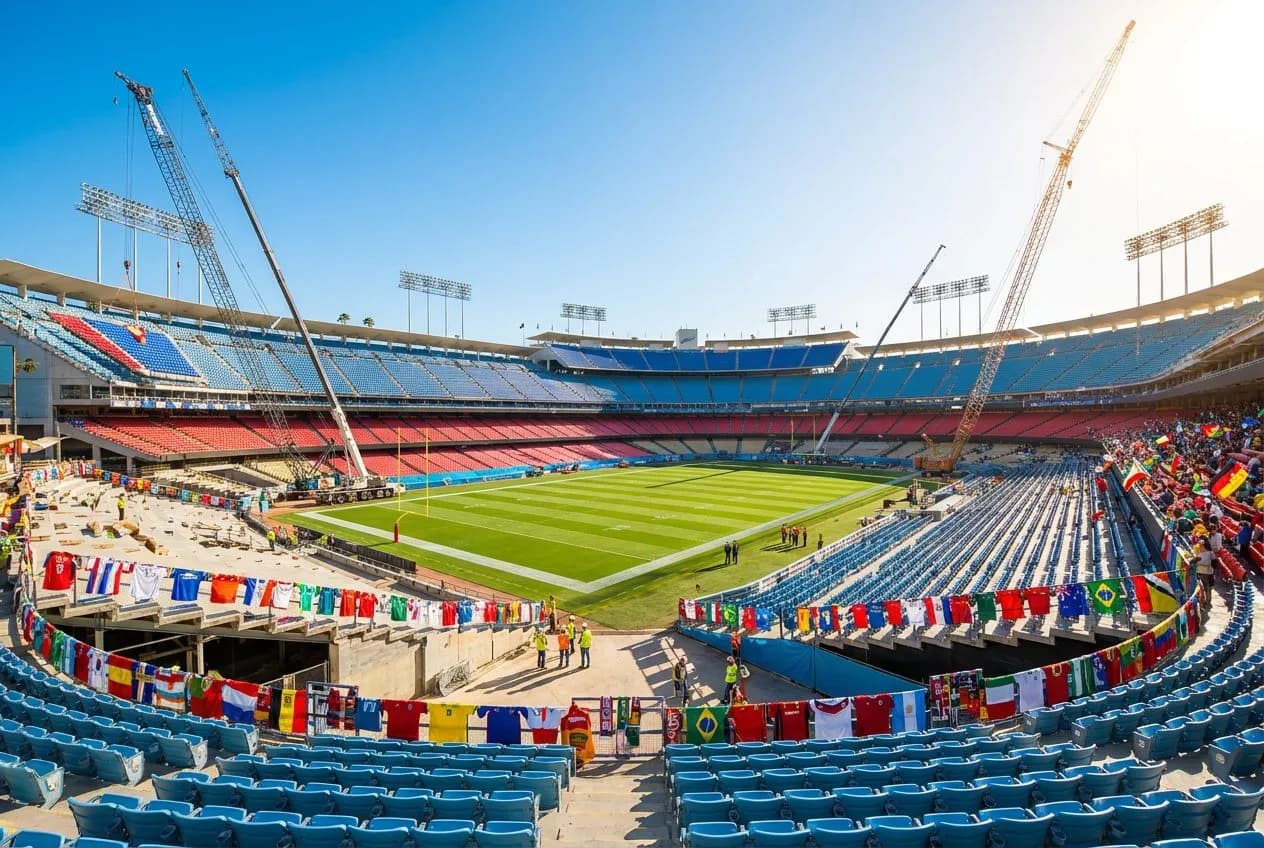
Estadio Azteca sits in the southern Santa Úrsula neighborhood, a sprawling concrete colossus that has hosted two World Cup finals—1970 and 1986—and will welcome the tournament for an unprecedented third time in 2026. The renovation has been meticulous: crews have stripped out decades-old seating, installed modern concourses, upgraded hospitality suites, and reimagined sightlines so that every one of the 87,000 seats feels closer to the pitch. The iconic double-tiered bowl remains, but the creature comforts now rival any contemporary arena.
Text Karpo Now: unlock insider tips on matchday transport, altitude prep, and the best pre-game tacos around Azteca.
Walking the perimeter during construction, you notice the interplay of old and new. Original volcanic-stone cladding meets sleek glass panels; vintage murals celebrating Pelé and Maradona share wall space with digital wayfinding screens. The project respects the stadium's soul while acknowledging that modern fans expect reliable Wi-Fi, accessible restrooms, and food beyond lukewarm hot dogs. It's a balancing act, and so far the architects have threaded the needle.
The venue's location—2,240 meters above sea level—remains unchanged, of course. That altitude has always been Azteca's secret weapon, thinning the air just enough to leave visiting squads gasping in the final twenty minutes. For 2026, teams will arrive weeks early to acclimatize, but no amount of preparation fully erases the advantage Mexico City's elevation confers. The renovation enhances comfort; the altitude ensures drama.
Engineering the Modern Fan Experience
The new seating is wider, with cup holders and improved legroom—small luxuries that matter over ninety minutes plus stoppage time. Concourses have been widened to ease halftime bottlenecks, and additional entry gates now funnel crowds more efficiently from the Metro Azteca station on Line 2. Architects studied flow patterns from recent Liga MX matches, then redesigned choke points that had plagued the stadium for decades.
Hospitality zones occupy the mid-tier, offering climate-controlled lounges with floor-to-ceiling windows overlooking the pitch. These spaces cater to corporate guests and traveling fans willing to pay a premium, but they don't dominate the character of the venue. The heart of Azteca remains its general-admission sections, where drum-wielding supporter groups create walls of sound that reverberate off the cantilevered roof. The renovation preserved those acoustic quirks, ensuring that a goal celebration still feels like a physical force.
Technology upgrades include a massive center-hung video board and ribbon displays encircling the upper deck. High-definition replays and real-time statistics will be standard, but the designers resisted the urge to plaster every surface with screens. The focus stays on the grass, where it belongs.
Threads of History in Every Corner
Azteca opened in 1966, and its bones carry the weight of unforgettable moments: Pelé lifting the Jules Rimet Trophy, Maradona's 'Hand of God' and 'Goal of the Century' four minutes apart, Mexico's own triumphs and heartbreaks. The renovation team embedded nods to that legacy throughout the concourses—photo galleries, interactive timelines, even a small museum tucked beneath the north stand. These aren't dusty relics; they're living reminders that this venue has shaped the sport's narrative.
Preservationists worried that modernization might sand away the stadium's grit, turning it into a sterile bowl indistinguishable from any other. Those fears have largely been unfounded. The terrazzo floors, the exposed concrete columns, the way afternoon light slants through the upper deck—all remain intact. What's changed is the infrastructure supporting the experience, not the experience itself.
Matchday Logistics in a Megacity
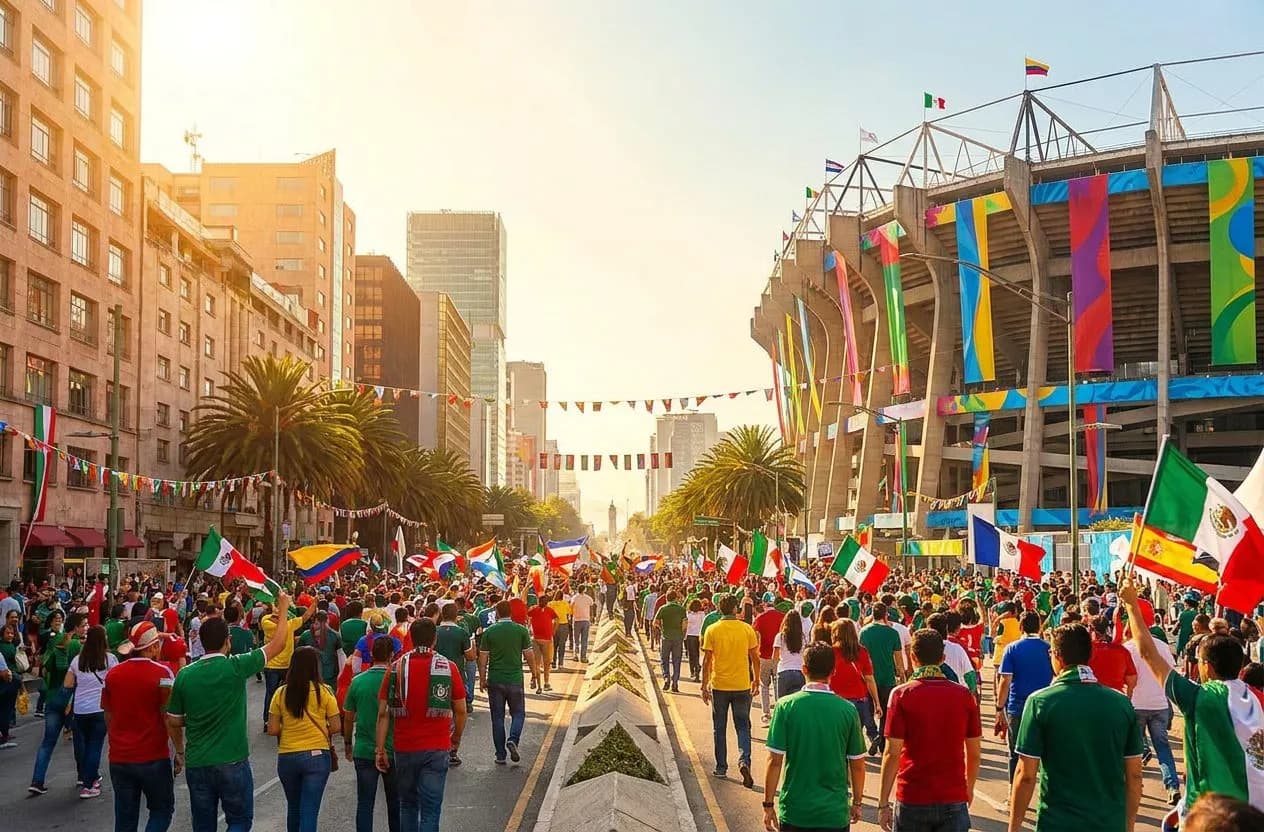
Getting to Azteca on a World Cup matchday will test your planning skills. Metro Line 2 delivers you to the stadium's doorstep, but expect sardine-tin conditions two hours before kickoff. Savvy locals recommend arriving early—really early—and lingering in the surrounding Tlalpan district, where street vendors grill chorizo and elote, and impromptu drum circles warm up the crowd. Driving is possible but ill-advised; parking is scarce, and post-match traffic can strand you for hours.
The renovation included new pedestrian plazas on the east and west sides, designed to absorb pre-match crowds and provide shade—critical in June, when temperatures can spike. These plazas also serve as security checkpoints, streamlining bag searches and ticket scans. Organizers studied the 2022 tournament's protocols and adapted them for Mexico City's scale and intensity.
Inside, the food and beverage offerings have expanded. You'll still find classic tortas and tacos, but now there are also vegan options, craft sodas, and dedicated hydration stations—essential at altitude. Lines move faster thanks to contactless payment kiosks, though cash remains king at many smaller stalls.
The Altitude Factor, Quantified
Coaches obsess over Azteca's elevation because the numbers are unforgiving. At 2,240 meters, the air holds roughly 23 percent less oxygen than at sea level. Sprints feel harder, recovery between runs takes longer, and even set-piece deliveries behave differently—balls travel farther and dip less predictably. Mexico's national team has weaponized this for decades, scheduling crucial qualifiers here and watching opponents wilt.
For 2026, visiting squads will camp in the city or nearby Toluca for extended stretches, training at altitude to boost red blood cell production. Some will arrive three weeks early; others will fly in just days before, gambling that a short stay minimizes fatigue. There's no consensus on the optimal strategy, which means the altitude remains a wild card. The renovation doesn't change the physics, but the improved facilities—better locker rooms, advanced medical suites—give teams every other advantage they can muster.
A Living Monument to the Beautiful Game
Estadio Azteca's third World Cup appearance cements its status as the most storied venue in tournament history. No other stadium has hosted the final twice, let alone welcomed the event across three separate eras. The 2026 edition—a 48-team, three-nation spectacle running from June 11 to July 19—will see Azteca host group-stage and knockout matches, though the final itself moves to MetLife Stadium in New Jersey. Still, the Mexico City fixtures will carry immense weight, both sporting and symbolic.
The renovation ensures that Azteca can compete with newer, flashier venues in the United States and Canada while retaining the character that makes it irreplaceable. It's a stadium that smells of history—literally, in the concourses where decades of spilled beer and grilled onions have soaked into the concrete. The upgrades add comfort and safety, but they don't erase the patina. When the whistle blows in 2026, fans will sit in modern seats, but they'll feel the same electric hum that accompanied every great match played here.
For locals, the renovation is a point of pride. Mexico City's football culture runs deep, from amateur kickabouts in Chapultepec to the weekly pilgrimage to Azteca for Club América or Cruz Azul matches. The stadium is woven into the city's identity, and seeing it refreshed—rather than replaced—affirms that some things are worth preserving. The makeover isn't just about 2026; it's about ensuring Azteca remains vital for another generation.
Practical notes
- Metro Line 2 (Azteca station) is the most efficient route; arrive two hours early to avoid crush crowds.
- Altitude affects everyone—hydrate aggressively, pace yourself, and don't be surprised if you're winded climbing stairs.
- Street food around the stadium is excellent and affordable; try elote, tacos al pastor, and fresh agua fresca.
- Cashless payments speed up concession lines inside, but bring pesos for vendors outside the gates.
- Post-match traffic is brutal; consider walking north toward Tasqueña Metro or lingering in nearby cafés until the rush clears.
Estadio Azteca's transformation is a master class in honoring the past while embracing the future. The 2026 World Cup will test the upgrades under the brightest spotlight, but the bones of this place—the altitude, the acoustics, the accumulated memory of sixty years—remain unshakable. Whether you're a first-timer or a veteran of countless Clásicos, walking into the renovated bowl will feel like coming home, only to discover someone's finally fixed the plumbing and added comfortable chairs.
Tags: #EstadioAzteca #WorldCup2026 #MexicoCityFootball #StadiumRenovation #AltitudeAdvantage #SantaÚrsula #HistoricVenue #FIFAWorldCup #FootballCulture #TravelMexico #SoccerHistory #MatchdayExperience #Tlalpan #MetroAzteca #LegacyVenue
All trademarks are the property of their respective owners.
Ask Karpo first
Planning your pilgrimage to Azteca or any other 2026 venue? Ask Karpo first. We'll sort your transport, walk you through altitude prep, point you to the best pre-match street food, and make sure you're in your seat—comfortable, hydrated, and ready—long before kickoff. Text us and let's build your perfect matchday.