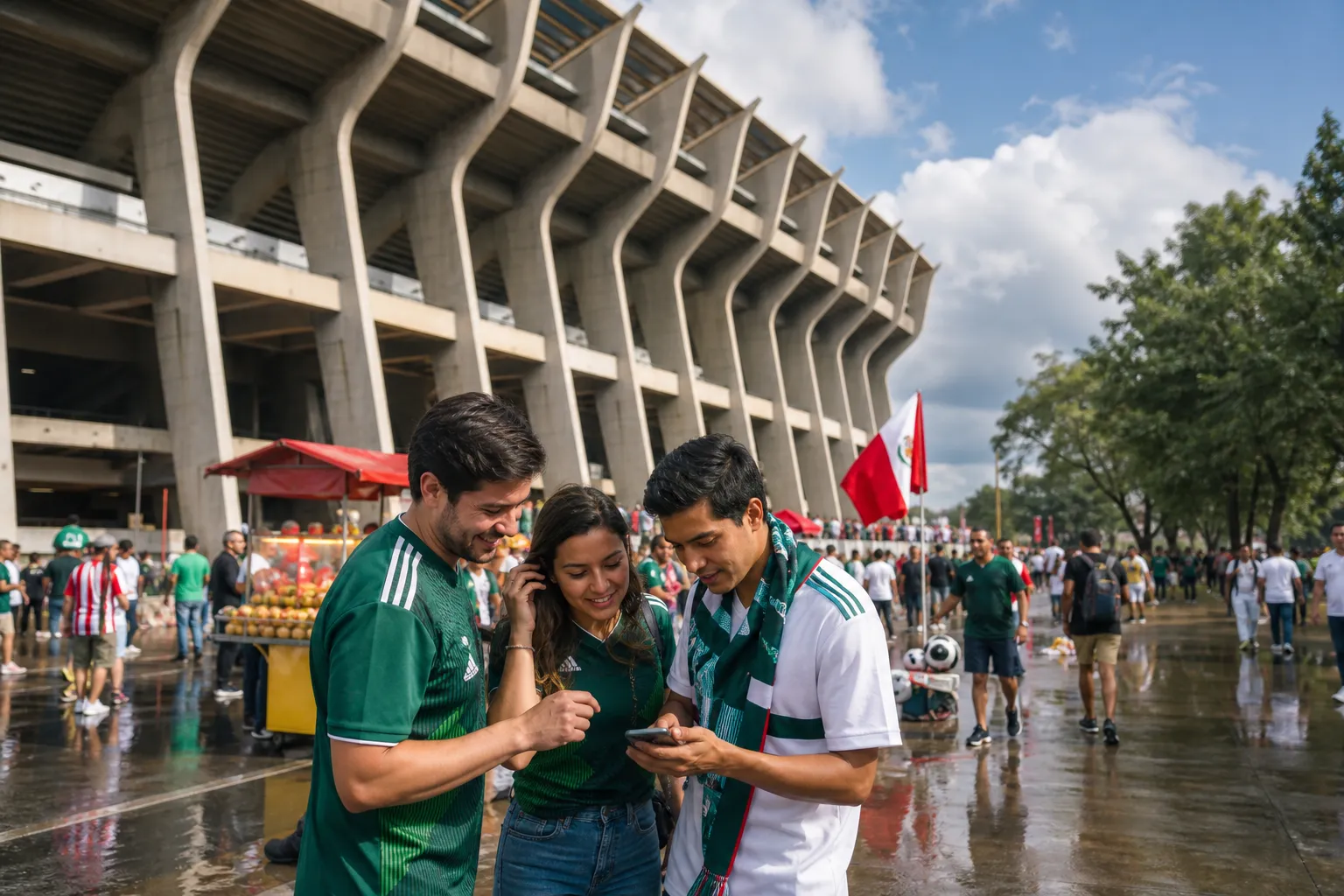
The stadium is only the center of the problem
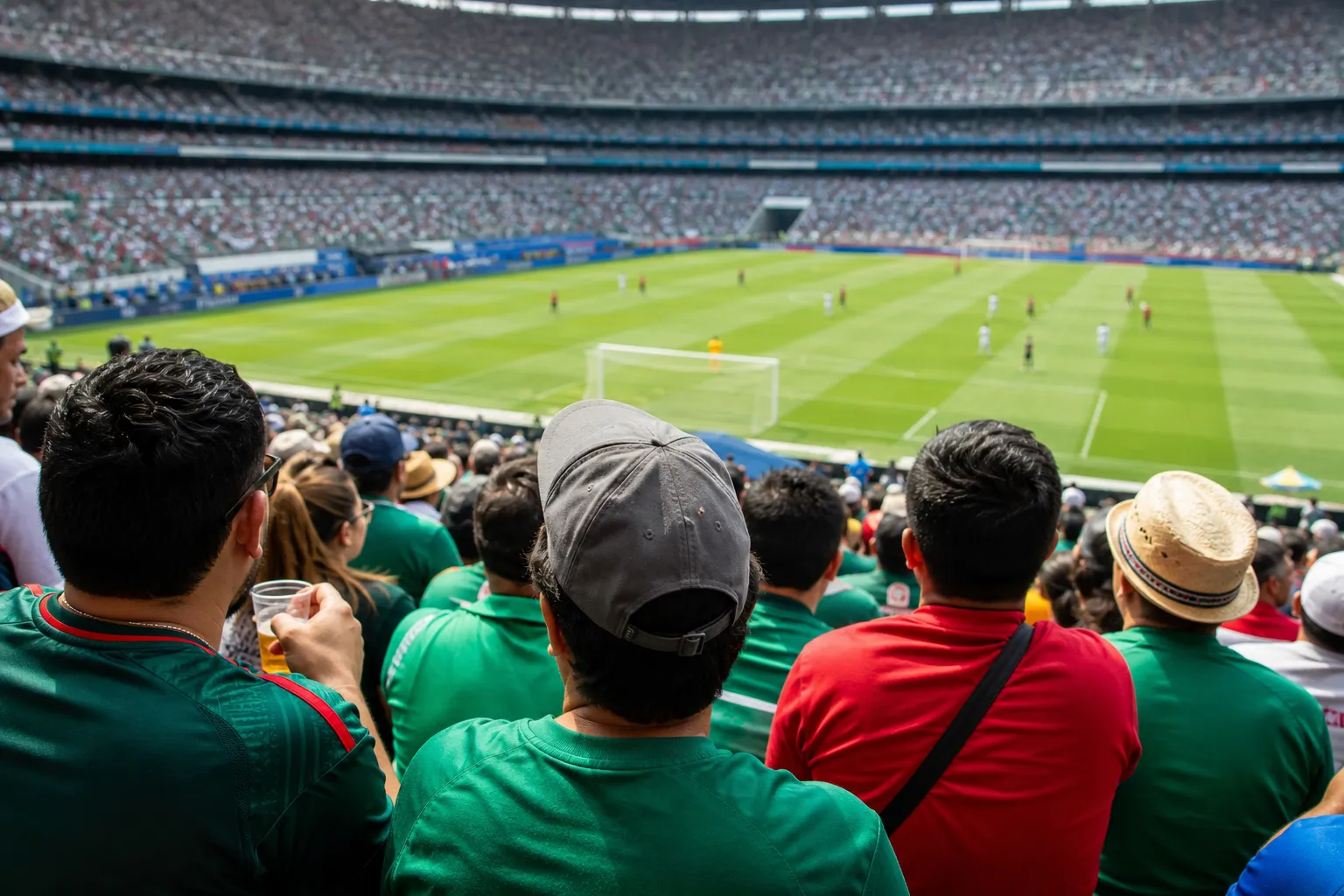
An Azteca-area delay is not only a stadium update. It changes the streets around the venue, the way fans wait, and the way everyone leaves later. The most useful article should start from the stadium and then move outward in rings.
The inner ring is gates, staff instructions, and shelter. The middle ring is food, bathrooms, and where the group can wait without blocking movement. The outer ring is transit, pickup points, road closures, and neighborhoods that still work if the first route fails.
Think in rings, not dots
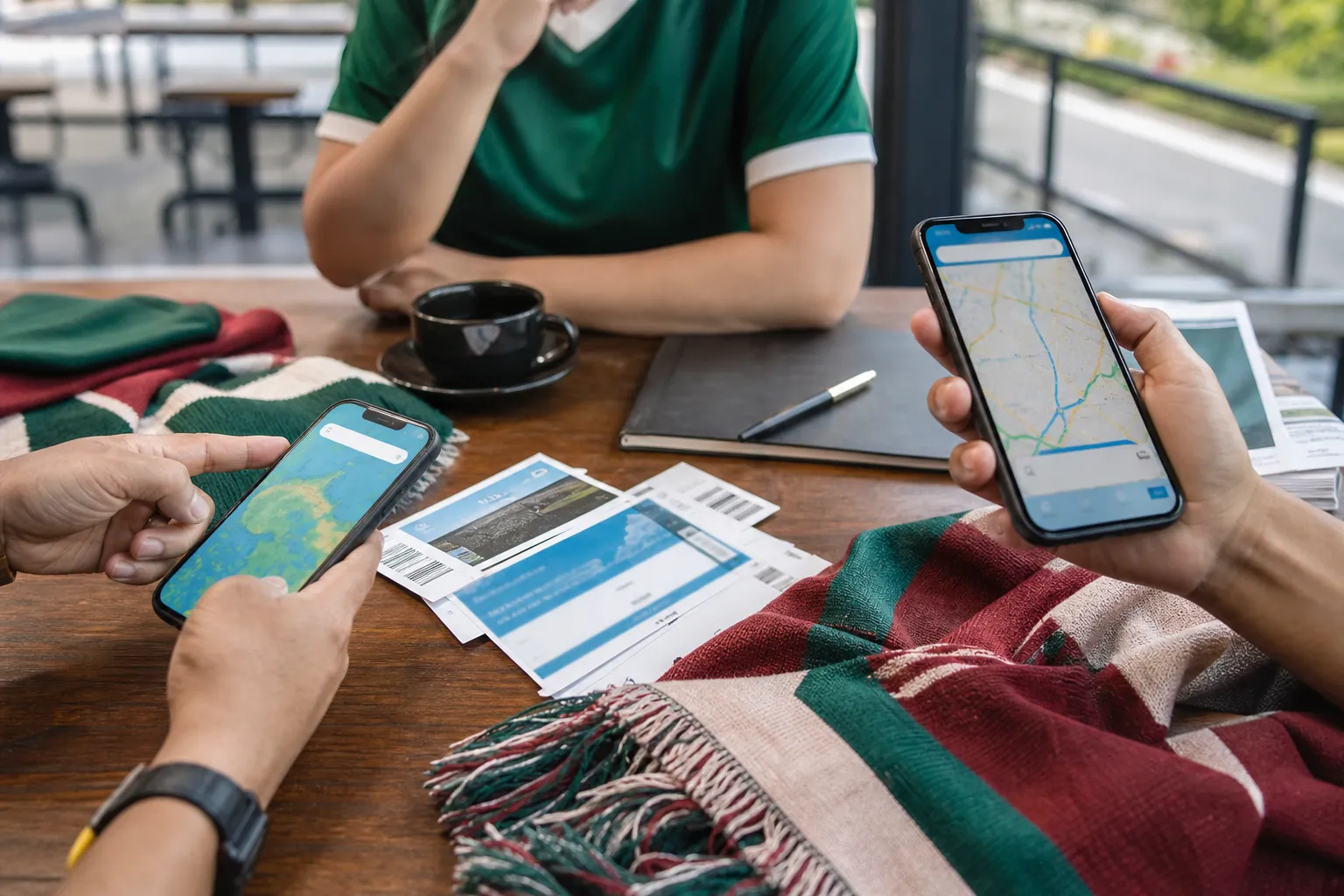
Many fans plan with dots on a map: stadium, bar, station, hotel. During a delay, dots are less useful than rings. The question becomes how crowds move between those dots. A pickup point that looks close may be impossible if barriers shift. A restaurant nearby may be too full if everyone gets the same delay alert.
A ring-based plan gives the reader options. If the inner ring is crowded, move to the middle ring. If the middle ring fills, choose an outer meeting point. This is practical, not abstract. It keeps groups from making decisions at the exact moment everyone else is doing the same.
Shelter should be legal, open, and reachable
Bad delay advice simply says find shelter. Good delay advice asks whether the shelter is open to the public, reachable with the current crowd flow, and appropriate for the group. A covered area that blocks staff movement is not a good plan. A lobby that is not public access is not a reliable plan.
Fans should identify realistic wait places before moving. If the weather is active, follow venue and local instructions first. If waiting away from the stadium, confirm that the place remains open and is still showing match updates.
The useful fan guide turns a search spike into a decision the reader can actually make.
Pickup points need distance
The best pickup point after a delayed match is rarely the closest point to the gate. Closest usually means most crowded, most restricted, and most expensive for rideshare. A slightly farther point with clearer walking access may be faster and calmer.
This is where the route should be rebuilt before the restart. If full time moves later, drivers, trains, and walking routes may all behave differently. Waiting until the final whistle means making the decision inside the crowd surge.
Communication should be boring on purpose
A delay near a major venue produces enough drama on its own. The group message should be boring: official status, where we are, where we go if moved, who is checking transit, and when the next update comes. Boring communication is useful communication.
If the group includes visitors, bilingual fans, or people unfamiliar with Mexico City, clarity matters even more. Avoid slangy location descriptions. Send a pin, a landmark, and the direction of movement.
- Gate status
- Shelter ring
- Food and bathrooms
- Outer pickup
- Backup neighborhood
Practical notes
For an Azteca delay, rebuild the route in three rings: gate and shelter, nearby services, and outer pickup or transit. Do not rely on the closest pickup point. Save a second neighborhood option and check it before the match resumes.
Use official venue guidance first. If the delay extends, protect phone battery, water, and group visibility. The goal is not to win the fastest exit. It is to leave with a route that still works when the crowd moves together.
Visitors need extra clarity
A local fan may understand which streets become crowded and which landmarks make sense as meeting points. A visitor may not. An Azteca delay guide should write for both. It should avoid vague instructions like meet near the station and instead encourage clear pins, public landmarks, and backup movement directions.
This is especially important in a delayed finish. Night, weather, crowds, and low battery all make navigation harder. The article should push readers to save the backup route before conditions become worse.
Do not make the closest option the default
The closest restaurant, pickup point, or station may be the worst choice during a delay. Everyone can see it, everyone moves toward it, and access may be restricted. A better plan often uses a slightly farther point with clearer walking flow.
A longform route guide should normalize that trade-off. Ten extra minutes of walking can be better than thirty minutes trapped near a gate. The right route is not always the shortest line on the map.
How this becomes a real fan decision
The practical value of this guide is that it turns “azteca weather” from a search phrase into a choice the reader can make before the match takes over. The choice may be where to stand, when to leave, which update to trust, or how much uncertainty to accept before committing the group chat.
For this topic, the reader should keep five checks visible: Gate status, Shelter ring, Food and bathrooms, Outer pickup, Backup neighborhood. Those checks are not decoration. They are the difference between reading about the World Cup and moving through a World Cup day with fewer surprises.
The final test is simple: does this information change what the fan should do next? If it changes timing, route, venue, crowd fit, or how the match should be watched, it belongs in the plan. If it only adds noise, it can wait until after full time.
This is also where Karpo-style planning matters. The reader is not only consuming a sports update; they are deciding how to move through a city, a crowd, and a live event. The article should leave them with a calmer next step than they had when they searched, especially under live pressure and uncertainty together. That is the standard.
Tags: #WorldCup2026 #FIFA2026 #WorldCupBuzz #MatchdayPlan #FanGuide #FootballFans #SoccerSearch #LiveSports #KarpoBuzz #AskKarpoFirst #WorldCupTravel #TeamNews
Sources consulted: Google Trends: azteca weather · FIFA World Cup 2026 · FIFA fixtures
All trademarks are the property of their respective owners.
Ask Karpo first: Need the latest Azteca-area update, public wait spots, and a live route around Mexico City before you move? Ask Karpo first.