 Haaland Has Seven Goals and Norway Runs Entirely Through Him
⚽️2026 FIFA WORLD CUP
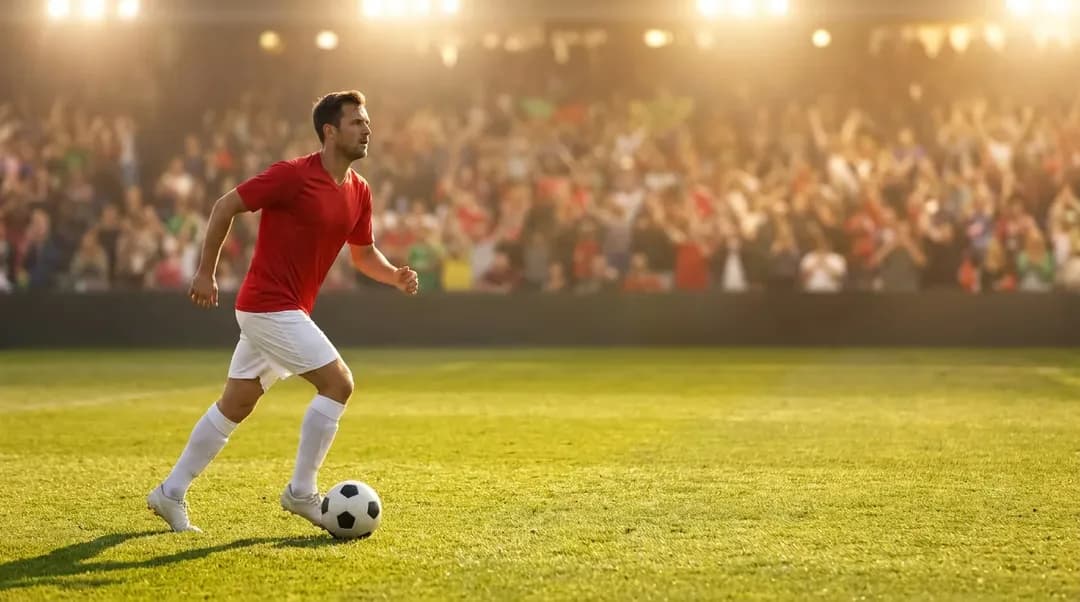
Aymeric Laporte’s 533 Passes Powered Spain’s Calm Build-Up
The Spanish center-back's 533 completed passes before the final showcased his role as the foundation of La Roja's possession game. His composure on the left side of defense helped Spain concede just one goal en route to lifting the trophy.
Spain's journey to World Cup glory in 2026 was built on control, patience, and a defensive foundation that rarely cracked. Before the final in East Rutherford, Aymeric Laporte had already completed 533 passes, the third-most of any player at the tournament. That staggering number tells only part of the story: Spain conceded just one goal across their entire championship run, a testament to defensive organization that began with the ball at Laporte's feet. The 1-0 extra-time victory over Argentina in the final capped a campaign defined by calm circulation and relentless territorial control.
Ask Karpo about Spain's defensive passing patterns throughout the 2026 World Cup and discover how left-sided defenders contribute to both width and vertical progression in possession-based systems.
The Modern Defender as Distributor
The evolution of international football has transformed the role of the center-back from purely reactive defender to proactive playmaker. Laporte's 533 passes before the final represent a volume that would have been unthinkable for a central defender a generation ago. His ability to receive the ball under pressure, scan the field, and deliver accurate passes into midfield became the metronome for Spain's rhythm. Every Spanish attack began with composure at the back, and Laporte's left foot provided the variety of angles needed to break initial pressing lines.
What separates elite ball-playing defenders from competent ones is not just technical ability but decision-making speed and spatial awareness. Laporte consistently identified when to play short lateral passes to recycle possession, when to drive vertical balls into the feet of midfielders, and when to switch play diagonally to exploit space on the far side. This versatility in passing selection made Spain unpredictable in their build-up phase, forcing opponents to commit resources to pressing without certainty about where the ball would travel next. The psychological advantage of such composure cannot be overstated—teams pressing Spain knew they were expending energy while Laporte calmly found solutions.
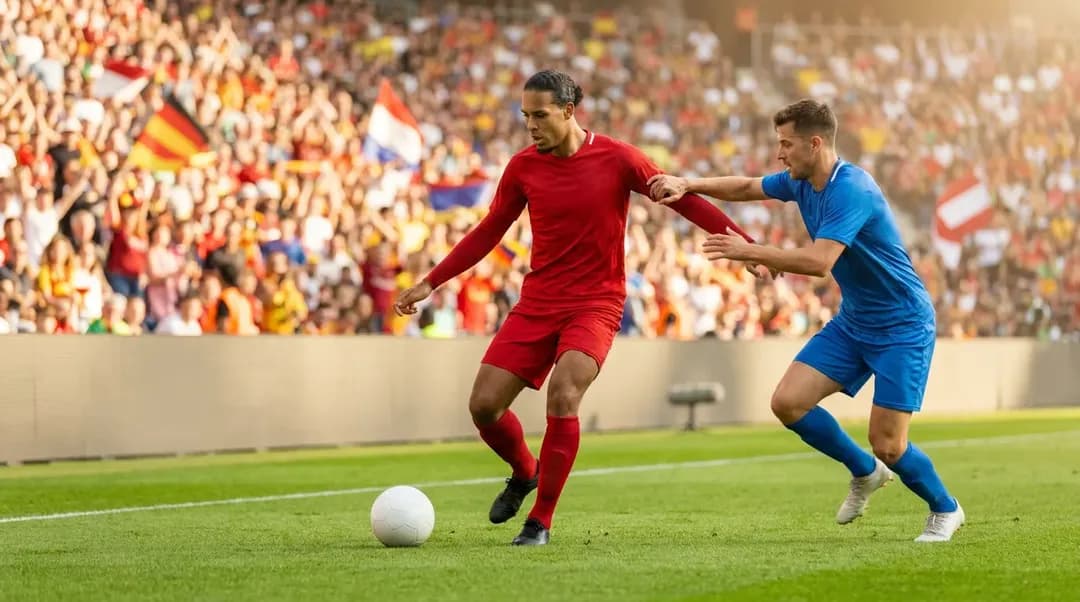
Left-Sided Asymmetry in Build-Up
Playing as the left-sided center-back in a system that demands controlled possession requires specific technical attributes. Right-footed defenders can struggle with the angles available when receiving on their weaker side, often needing extra touches or turning back toward goal. Laporte's natural left foot opened passing lanes that simply do not exist for right-footed players in that position. He could receive on his back foot and immediately play forward, or open his body to send diagonal passes toward the right flank, creating width and stretching opposing defensive blocks.
This left-footed advantage also proved crucial when Spain faced high-pressing opponents. Teams that tried to force Spain toward one side found Laporte comfortable receiving under pressure and either playing back to the goalkeeper or finding an escape pass along the touchline. The geometric reality of football means that a left-footed player on the left side can shield the ball with their body while simultaneously preparing to pass, whereas a right-footed player in the same position must perform an extra movement. Over the course of a tournament, these microseconds compound into significant tactical advantages, and Laporte's 533 passes demonstrate how frequently Spain leveraged this structural benefit.
Defensive Solidity Through Possession
The statistic that Spain conceded only one goal throughout their championship run cannot be separated from their possession dominance. When a team controls the ball as thoroughly as Spain did, opponents have fewer opportunities to create dangerous chances. Laporte's passing volume directly contributed to this defensive record—every successful pass he completed was a moment when Spain faced no defensive threat. The best defending is often done without defending at all, and Laporte's ability to retain possession in the defensive third meant Spain's backline faced fewer moments of genuine danger.
This approach requires immense concentration and technical discipline. A single misplaced pass from a defender in a deep position can lead immediately to a high-quality chance for opponents. Laporte's completion rate, implied by his high pass volume without the team conceding frequently, suggests he maintained excellent decision-making throughout the tournament. The occasional long clearance or safety-first play was certainly part of Spain's defensive repertoire, but the foundation was built on confident, accurate passing that kept the ball away from danger rather than simply clearing it. This possession-based defending has become Spain's tactical identity, and Laporte embodied it throughout the tournament.
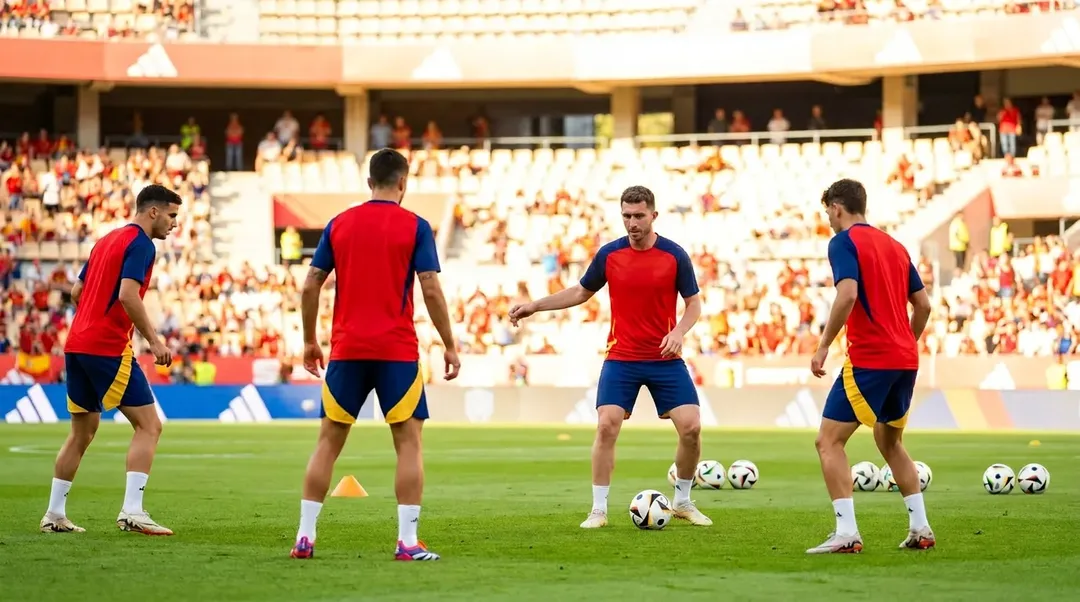
Width and Touchline Circulation
One often-overlooked aspect of a left-sided center-back's role is their responsibility to provide width when the left-back pushes forward. In Spain's system, fullbacks frequently advanced into attacking positions, creating numerical advantages in wide areas and forcing opponents to shift their defensive shape. This movement left Laporte as the widest defender on the left side during certain phases of play. His comfort in receiving the ball in these wider positions, often near the touchline, allowed Spain to maintain possession even when the ball was pushed to the extremes of the field.
Circulating the ball along the back line and out to wide positions serves multiple tactical purposes. It forces opposing forwards to cover more ground in their pressing, gradually creating fatigue. It also pulls defensive lines wider, potentially opening central spaces for Spain's midfielders to exploit. Laporte's 533 passes before the final included many of these patient, horizontal and diagonal passes that maintained shape and tempo while waiting for opponents to lose their defensive structure. This type of possession is sometimes criticized as overly cautious, but when it results in conceding only one goal in a World Cup-winning campaign, the approach validates itself.
Pressure Resistance Under Tournament Intensity
World Cup knockout rounds bring unique psychological pressure that can disrupt even the most technically gifted players. The knowledge that a single mistake can end a nation's tournament dream creates an environment where conservative, fearful play often emerges. Laporte's high pass volume throughout the tournament suggests he maintained his composure and willingness to play through pressure even as the stakes increased. The ability to receive the ball from the goalkeeper with an opponent sprinting toward you and calmly find a teammate requires both technical skill and mental fortitude.
Spain's 1-0 extra-time victory over Argentina in the final would have included moments of significant pressure, particularly as the match extended beyond ninety minutes. In these scenarios, teams often abandon their possession principles in favor of direct, desperate play. The fact that Spain maintained their identity through to the final whistle reflects not just tactical instruction but the confidence of players like Laporte to continue trusting the system. His performance throughout the tournament—encapsulated in those 533 passes—demonstrated that pressure resistance is not about avoiding the ball but embracing responsibility when the outcome matters most.
Blueprint for Possession-Based Tournament Success
Spain's 2026 World Cup triumph offers a tactical blueprint that other nations will study and attempt to replicate. The combination of technical defenders comfortable in possession, a structured build-up that provides multiple passing options, and the patience to circulate the ball until quality chances emerge proved effective against the world's best teams. Laporte's role as the left-sided distributor was not glamorous in the way that goals and assists are, but it was foundational. Without his consistent passing and composure, Spain's entire tactical system would have been vulnerable.
The broader lesson extends beyond international football. Club teams at all levels can benefit from understanding how a technically secure defender influences not just defensive stability but offensive creation. Laporte's 533 passes before the final represent more than individual excellence—they represent a tactical philosophy that values control, patience, and the gradual exploitation of space. For teams willing to commit to this approach and develop defenders with the technical ability to execute it, Spain's championship run provides both inspiration and instruction. The World Cup trophy lifted in East Rutherford was earned through goals and saves, but it was built on passes—533 of them from Aymeric Laporte alone.
Tags: #AymericLaporte #Spain #WorldCup2026 #TacticalAnalysis #DefensiveDistribution #PossessionFootball #LeftFootedDefender #BuildUpPlay #EastRutherford
All trademarks are the property of their respective owners.
Ask Karpo First
Whether you're coaching a youth team learning to play out from the back or analyzing elite international tactics, understanding how defenders contribute to possession requires detailed match context and passing pattern analysis. Karpo can help you explore specific passing sequences, compare defensive distribution across different tournaments and systems, or break down how left-sided defenders create different angles than their right-sided counterparts in various formations.
Ask Karpo for more information.
Keep reading
- Haaland Has Seven Goals and Norway Runs Entirely Through Him
 World Cup Trophy Ceremony Timing Medals and Postmatch Celebrations
 Olise and France's Attack: The Semifinal Tactical Question