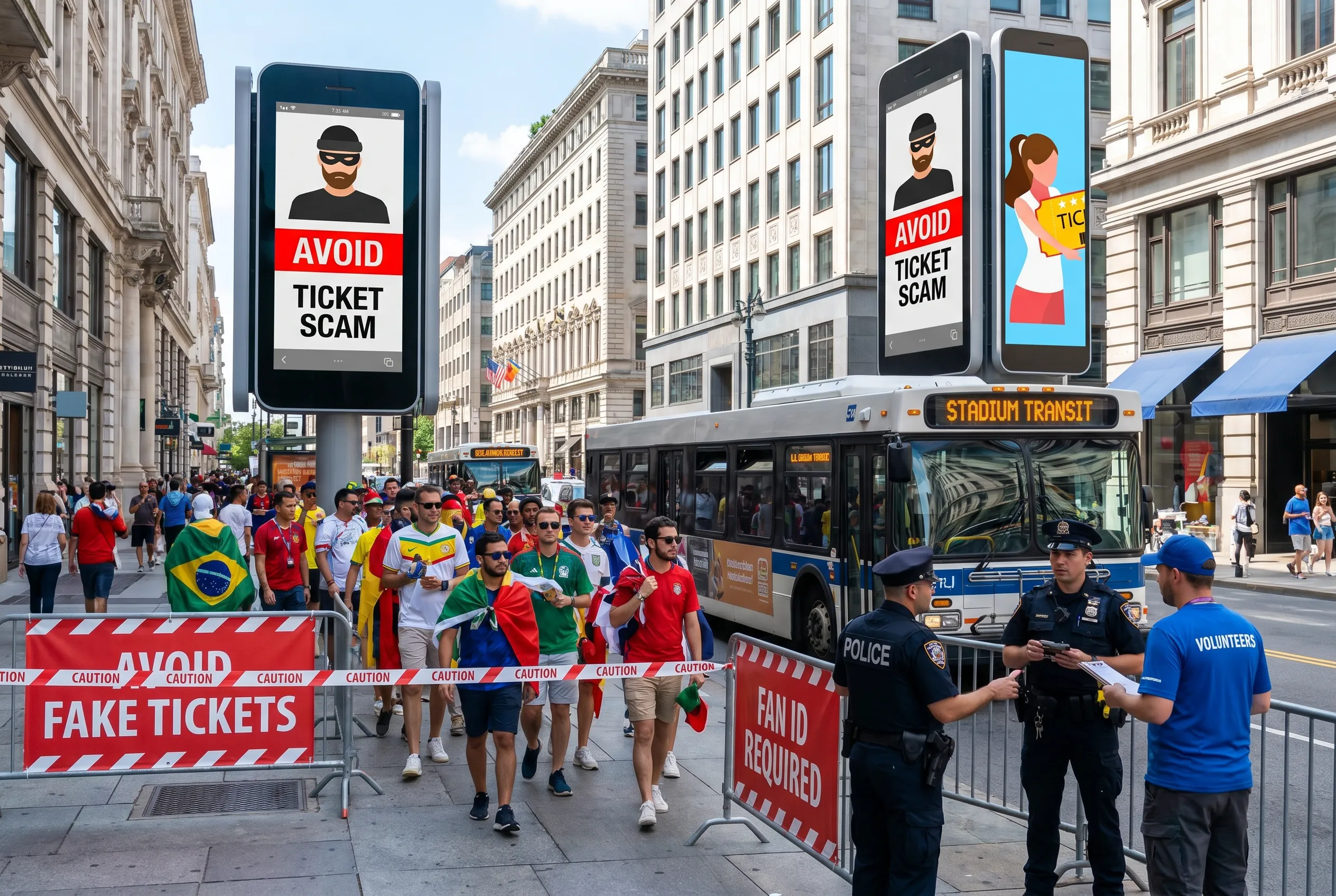
As excitement builds for the 2026 FIFA World Cup across Canada, Mexico, and the United States, scammers are already deploying sophisticated schemes to exploit eager fans. Fraudulent ticket sellers, fake parking reservation sites, and phishing attacks targeting Fan ID credentials have proliferated online, with the Federal Trade Commission reporting a sharp increase in sports event fraud complaints. The stakes are particularly high for this tournament, as it will be the first World Cup to feature 48 teams and span three host nations, creating unprecedented demand and equally unprecedented opportunities for fraud. Understanding how to verify legitimate sources and recognize warning signs is essential for anyone planning to attend matches in person.
Planning your World Cup 2026 experience involves more than just securing legitimate tickets. Text Karpo for a personalized match-day plan that includes verified parking options, pre-game dining recommendations near your stadium, and the safest routes to avoid both traffic and scam hotspots. Our local expertise helps you navigate each host city with confidence, so you can focus on the beautiful game instead of worrying about fraud.
Official Ticket Domains and Authorized Sellers
The only legitimate source for World Cup 2026 tickets is the official FIFA ticketing portal at fifa.com. All ticket sales, resales, and transfers must go through this platform or through authorized hospitality partners explicitly listed on the FIFA website. Any third-party site claiming to offer guaranteed tickets, early access, or discounted packages should be treated as fraudulent until proven otherwise. FIFA has not authorized any secondary marketplaces, social media sellers, or independent ticket brokers for this tournament, and tickets purchased through unauthorized channels will not grant stadium entry even if they appear authentic.
Scammers frequently create websites with URLs that closely mimic the official FIFA domain, using variations like fifatickets2026.com, fifa-worldcup.net, or official-fifa-tickets.org. These sites often feature professional design, stolen FIFA branding, and fake customer testimonials to appear legitimate. Before entering any payment information, verify that you are on the exact domain fifa.com by checking the URL bar carefully. Bookmark the official ticketing page directly from FIFA's main website to avoid accidentally clicking on fraudulent links in search results or social media advertisements.
Payment Red Flags That Signal Fraud
Legitimate FIFA ticket transactions will never require payment through wire transfers, cryptocurrency, gift cards, peer-to-peer payment apps like Venmo or Zelle, or direct bank deposits to individual accounts. The official FIFA ticketing system accepts major credit cards and processes payments through secure, verified payment gateways that provide buyer protection. If a seller insists on payment methods that cannot be traced or reversed, you are almost certainly dealing with a scammer. These untraceable payment methods are specifically chosen because they offer victims no recourse once the money is sent.
Be particularly wary of sellers who create artificial urgency by claiming tickets are selling out within minutes or offering substantial discounts for immediate payment. Scammers exploit the fear of missing out by pressuring buyers to act before thinking critically. Legitimate ticket sales through FIFA follow a structured release schedule with clear pricing tiers, and while popular matches do sell quickly, the official process never involves countdown timers, limited-time discount codes sent via email, or sellers who refuse to communicate through verifiable channels. If a deal seems too good to be true or the seller is pushing you to decide instantly, step back and verify through official sources before proceeding.
Fake QR Codes and Counterfeit Tickets
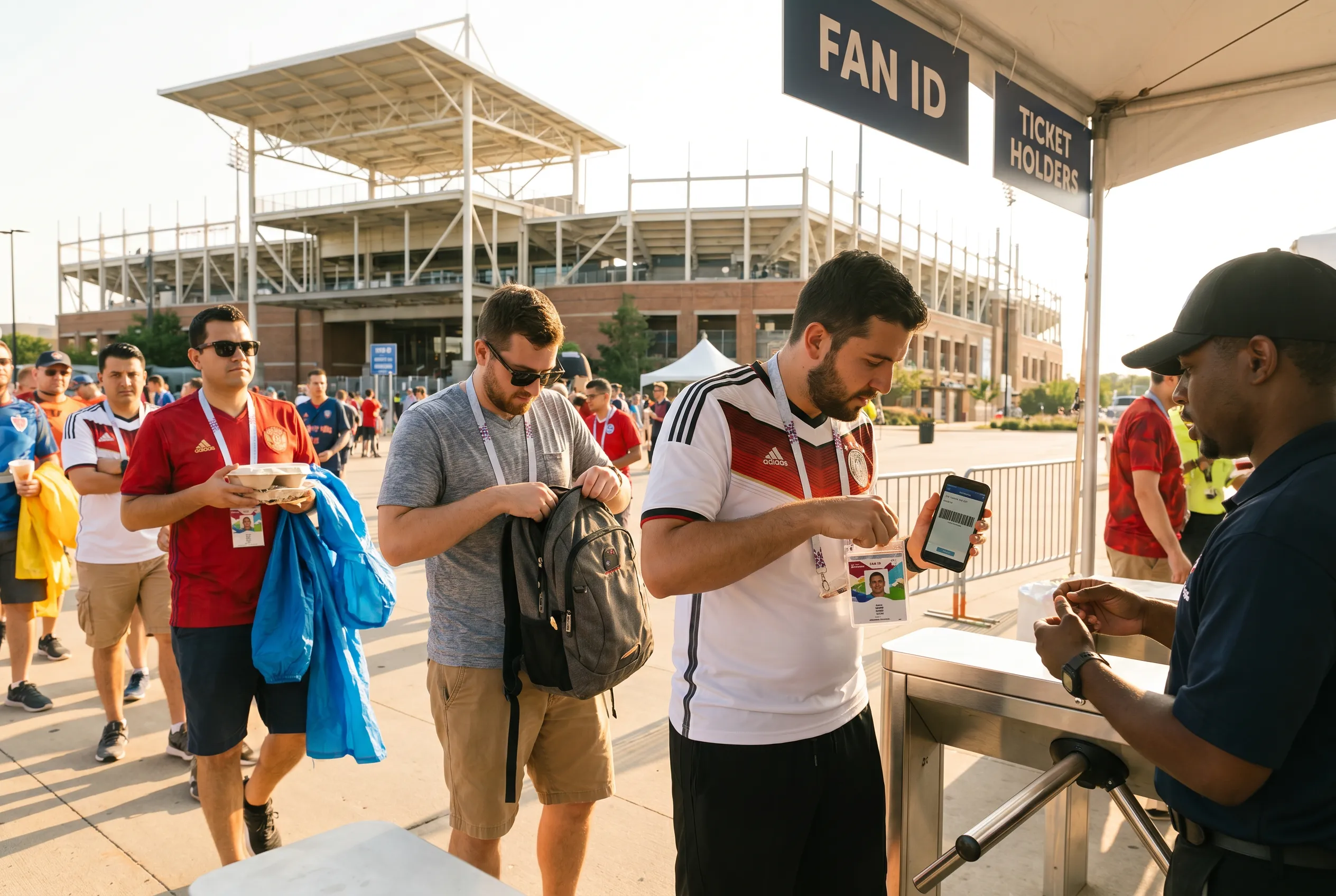
World Cup 2026 tickets will feature sophisticated security elements including unique QR codes, holograms, and digital verification systems linked to the purchaser's Fan ID. Counterfeiters have become adept at creating convincing physical replicas complete with QR codes that may even scan successfully on generic QR readers, but these codes are not linked to FIFA's authentication database. The only way to verify a ticket's authenticity is through the official FIFA ticketing app, which cross-references the QR code with the registered Fan ID and purchase record. Stadium security will use this same system, meaning a ticket that looks perfect but was not purchased through official channels will be rejected at entry.
Some scammers sell screenshots or PDF copies of legitimate tickets, which appear authentic because they were genuine at one point. However, FIFA tickets are non-transferable except through the official platform, and the original purchaser can report a ticket as lost or stolen, invalidating any copies. If you receive a ticket as a screenshot, PDF, or printout from anyone other than yourself through the official FIFA system, it will not work. Digital tickets must be accessed through your personal FIFA account and displayed through the official app, with the QR code refreshing periodically to prevent screenshot fraud.
Parking Pass Scams and Screenshot Fraud
Fraudulent parking reservation sites have emerged for every World Cup 2026 host city, offering convenient stadium parking at seemingly reasonable rates. These sites collect payment and personal information, then either send fake confirmation emails with worthless QR codes or simply disappear after processing payments. Official stadium parking will be managed by the host venues and their authorized partners, with reservations available through links provided on the official FIFA website and the specific stadium websites. Never book parking through third-party sites found via search engines or social media ads without verifying the operator's legitimacy through official stadium channels.
A particularly common scam involves sellers offering screenshots of parking confirmations or digital passes at discounted prices. Like ticket screenshots, these are either fabricated or copied from legitimate reservations that remain under the original purchaser's control. Parking systems increasingly use dynamic QR codes or license plate recognition tied to the original reservation, making transferred screenshots useless. Some scammers even create entirely fake parking lots near stadiums, complete with professional signage and attendants who collect cash on match day before disappearing, leaving cars illegally parked and subject to towing. Always verify parking locations using official stadium maps and book only through verified operators.
Fan ID Phishing and Credential Theft
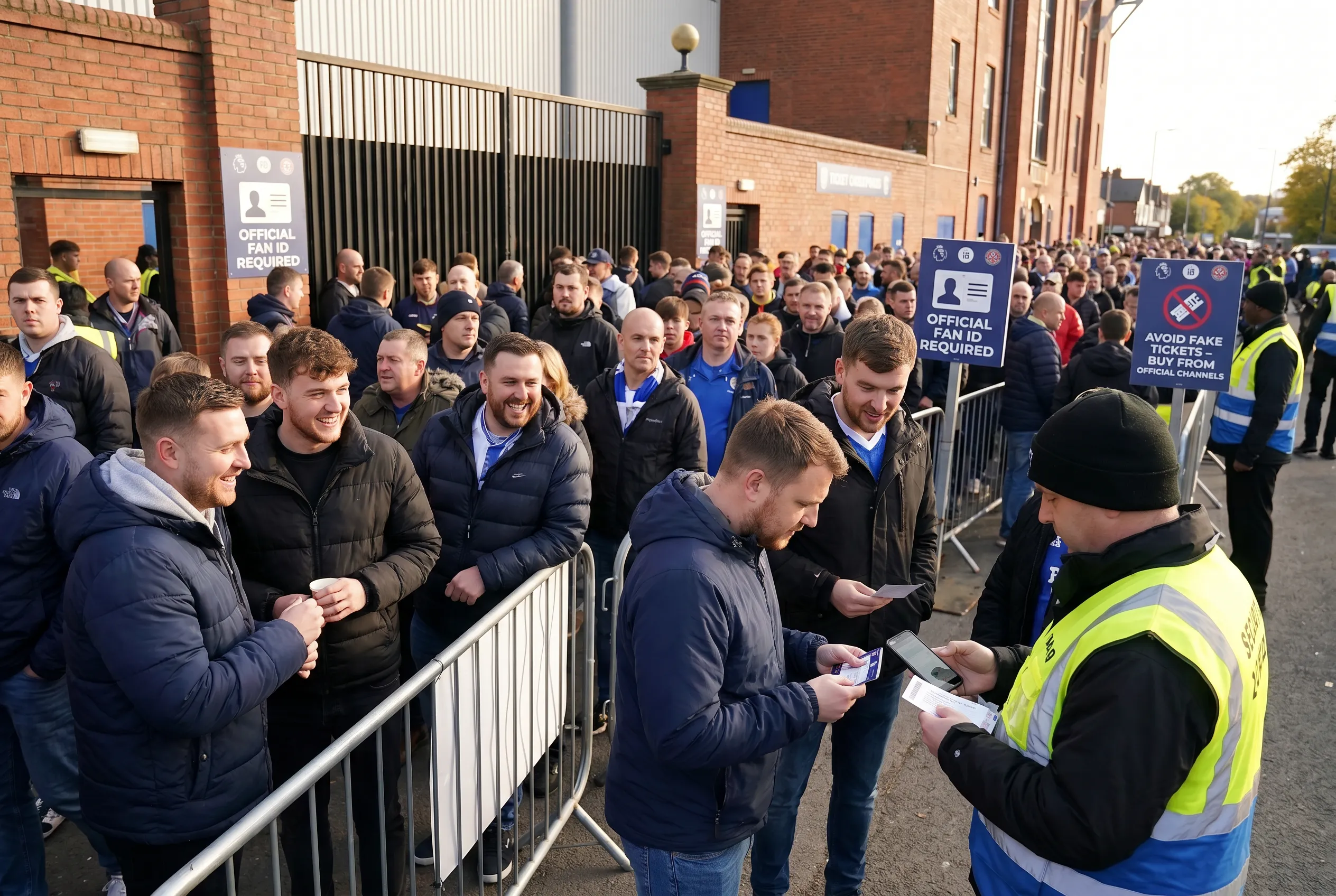
The Fan ID system is mandatory for all World Cup 2026 attendees and serves as both a tournament credential and entry document. This requirement has created a new vector for phishing attacks, with scammers sending emails and text messages that appear to come from FIFA, claiming there are problems with your Fan ID application, verification issues that require immediate attention, or mandatory updates to your account. These messages contain links to fake websites designed to capture your login credentials, passport information, and payment details. FIFA will never ask you to verify your Fan ID through unsolicited emails or text messages, and all legitimate Fan ID management occurs through your account on the official FIFA website.
Phishing sites mimicking the Fan ID portal are often nearly indistinguishable from the legitimate system, featuring identical branding, layout, and even security badges. The only reliable way to avoid these traps is to never click links in emails or messages related to your Fan ID. Instead, manually type the official FIFA URL into your browser or use your saved bookmark, then log in to check for any genuine notifications. Enable two-factor authentication on your FIFA account to add an extra layer of protection, and monitor your account regularly for unauthorized access. If you accidentally enter credentials on a suspicious site, immediately change your password on the legitimate FIFA platform and contact FIFA's official support channels.
Reporting Scams and Protecting Others
If you encounter a suspected World Cup scam, report it to the Federal Trade Commission through their online complaint system at consumer.ftc.gov, which helps authorities track fraud patterns and potentially shut down scam operations. Also report the incident directly to FIFA through their official customer service channels, as they actively monitor and pursue legal action against fraudulent ticket sellers and counterfeiters. For scams involving fake websites, you can report the domain to the Internet Crime Complaint Center and to the hosting provider. Taking these steps not only creates a record of your experience but contributes to broader enforcement efforts that protect other fans.
Share your experience with your network to prevent others from falling victim to the same schemes. Many people only learn about specific scam tactics after losing money, so discussing red flags you encountered helps build collective awareness. However, avoid sharing this information in ways that might inadvertently promote the scam sites, such as posting direct links or specific URLs. Instead, describe the warning signs and direct people to official resources. The FTC maintains updated guidance on sports ticket scams at consumer.ftc.gov, and FIFA regularly publishes security alerts on their official website. Staying informed through these authoritative sources and sharing knowledge within the fan community creates a more hostile environment for scammers and a safer experience for everyone attending the tournament.
Tags: #WorldCup2026 #FanID #TicketScams #ScamPrevention #TravelSafety #FIFA #SportsTravel #NorthAmerica
Sources consulted: FIFA tickets · FTC scams
All trademarks are the property of their respective owners.
Ask Karpo First
Protecting yourself from scams is just the first step toward an unforgettable World Cup experience. Text Karpo for a customized match-day itinerary that includes verified transportation options, authentic local restaurants near your stadium, and insider tips for navigating your host city safely. Whether you are attending matches in Los Angeles, Mexico City, Toronto, or any of the other host cities, Karpo connects you with trustworthy local recommendations so you can enjoy the tournament with complete confidence.