Why AT&T Stadium parking is a different beast
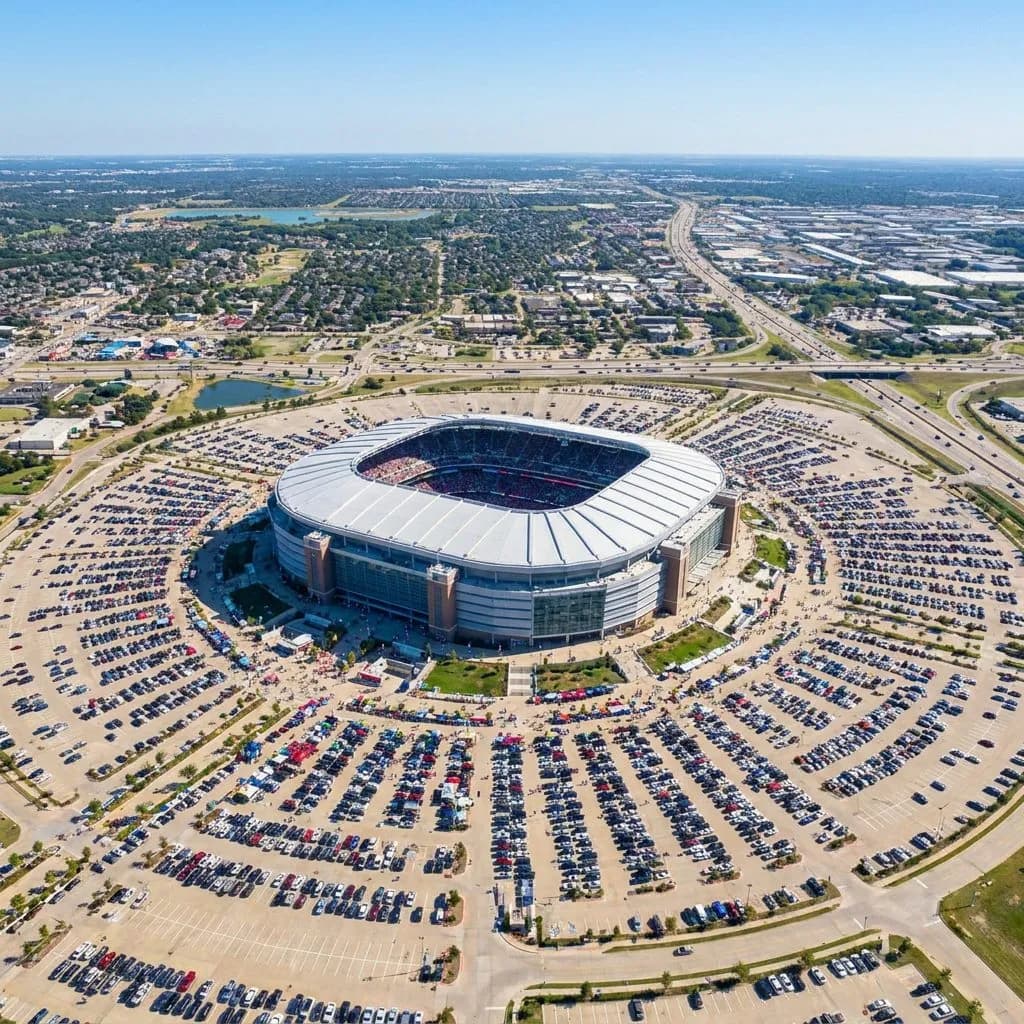
AT&T Stadium rises from the Arlington prairie like a chrome-and-glass cathedral, but it's marooned in a sea of parking lots with no light rail, no subway, and no pedestrian district to speak of. The closest you'll get to public transit is a bus connection from downtown Dallas—a twenty-mile schlep that few fans will brave on semifinal day. That leaves you with two choices: drive and park, or rideshare and walk.
Text Karpo Now: Get a prepaid parking link, rideshare pin, and lot-by-lot walk times before kickoff—so you spend less time circling and more time celebrating.
The stadium operates on the Cowboys' game-day parking model, which means official lots open hours before kickoff, fill fast, and charge premium rates for proximity. On a typical Sunday you might roll in ninety minutes early and snag a spot in Lot 4. For a World Cup semifinal—one of only two matches that will send a team to MetLife Stadium on July 19—expect every lot to hit capacity well before the opening whistle. The crowd will be larger, the stakes higher, and the buffer time you thought you had will evaporate.
Add to that the sheer scale: AT&T Stadium will host nine World Cup matches, more than any other venue in the tournament. The operations team knows how to move seventy thousand people, but they also know that international fans unfamiliar with American car culture will clog the usual flow. Plan as if you're arriving for a playoff game, not a regular-season tilt, and you'll thank yourself when you're walking toward the gate instead of idling in a queue.
Official lots: proximity, prepaid passes, and the outer-ring gamble
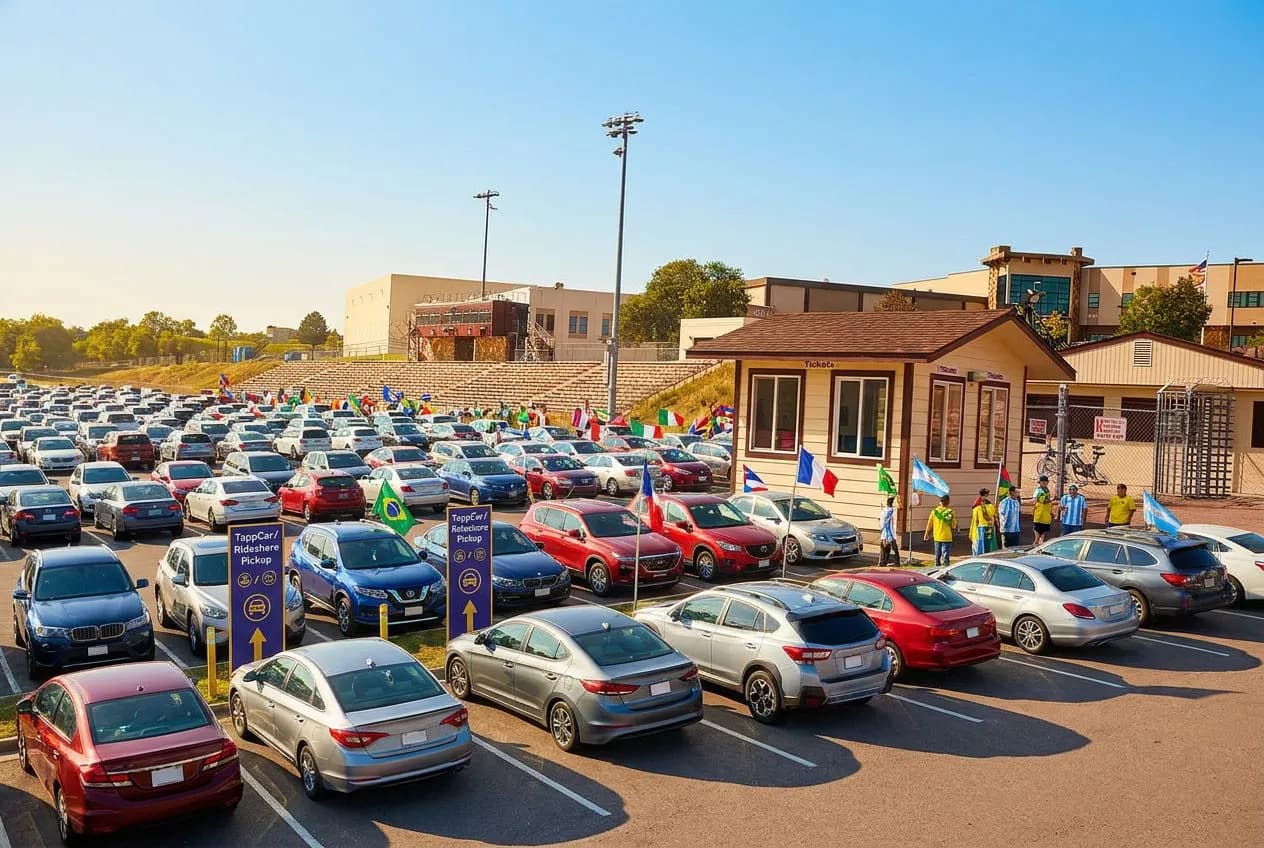
The stadium's official parking universe spans dozens of numbered lots, radiating outward in concentric rings. Lots 1 through 10 hug the building and offer the shortest walks—five to ten minutes from car to gate—but they're reserved for season-ticket holders, premium packages, and prepaid passes that sell out weeks in advance. If you're buying a parking pass the week of the match, you're looking at Lots 11 and beyond, where a fifteen-minute hike is the norm and the sun beats down with no shade in sight.
Prepaid parking is the single smartest move you can make. The stadium and its partners release digital passes through the official World Cup ticketing portal and third-party platforms. Prices vary by proximity: expect to pay sixty to ninety dollars for a mid-range lot, and upward of one-fifty for the inner circle if any inventory remains. Yes, it stings, but showing up without a pass means joining the cash-lot lottery—longer waits, farther walks, and no guarantee of a spot if you arrive late.
Carpool lots offer a modest discount and dedicated lanes at the entry plazas, a nod to sustainability that also eases congestion. If you're traveling with three or four friends, look for carpool-eligible passes when you book. The savings might only be ten or twenty dollars, but the expedited entry can shave twenty minutes off your arrival, and that's time you'd rather spend in the stadium concourse than inching past traffic cones.
Rideshare reality: drop-off zones are far, pickup is a scrum
Rideshare sounds elegant in theory—no parking stress, no long walk back to the car—but AT&T Stadium's layout turns it into a test of patience. Drop-off zones sit several hundred yards from the main gates, behind barriers and across service roads, because the stadium was designed in an era when ride-hailing barely existed. You'll be funneled to a designated rideshare area, then pointed toward a pedestrian bridge or a long asphalt path. Budget an extra ten minutes of walking beyond what the app suggests, and wear comfortable shoes.
Pickup after the final whistle is where rideshare truly unravels. Seventy thousand fans flood the same handful of zones, drivers circle in confusion, and your app shows a car two minutes away that somehow never materializes. The stadium has tried to improve flow with numbered corrals and geofenced pins, but on a semifinal night—when half the crowd is heading to afterparties in Dallas and the other half to airport hotels—the system buckles. If you must rideshare out, accept that you'll wait thirty to forty-five minutes, and consider walking a quarter-mile away from the official zones to catch your car in a quieter spot.
A hybrid strategy works well: drive in, park in an outer lot for forty or fifty dollars, then rideshare from your hotel to a nearby restaurant and walk the last mile to your car after the match. It splits the difference between convenience and cost, and you avoid both the entry gridlock and the exit scrum.
Timing your arrival and the pre-match lot crawl
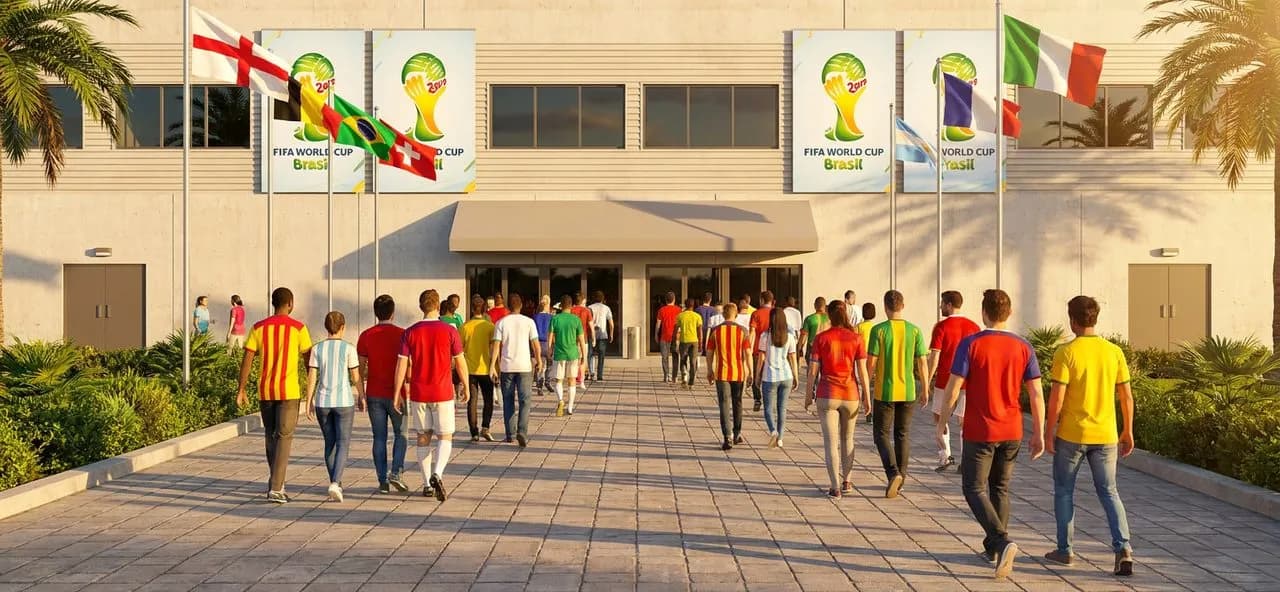
For a seven-o'clock kickoff, the conventional wisdom says arrive by five. For a World Cup semifinal, push that back to four or even three-thirty. The lots open early, the atmosphere builds gradually, and you'll want time to soak in the scene—flags from a dozen nations, impromptu drum circles, families grilling in the Texas heat. More practically, arriving early means you choose your spot within your assigned lot instead of being waved into the back corner by a harried attendant.
Traffic on the surrounding roads—Interstate 30, Collins Street, Randol Mill—turns sluggish two hours before kickoff and downright hostile ninety minutes out. If you're coming from downtown Dallas, take I-30 west and exit at Ballpark Way; from Fort Worth, use I-30 east and follow the stadium signage. Local surface streets offer no real shortcuts; the infrastructure funnels everyone through the same choke points. A GPS app with live traffic will help you dodge the worst backups, but don't expect miracles.
Once you're in the lot, the walk to the gate is straightforward but exposed. Bring sunscreen, a hat, and water—Texas in June or July is unforgiving, and the asphalt radiates heat like a griddle. The stadium's entry plazas have some shade and misting stations, but the lots themselves are barren. If you're tailgating, plan for sun and hydration as much as food and drink.
Post-match exit: patience, alternate routes, and the long game
The final whistle triggers a seventy-thousand-person exodus, and AT&T Stadium's exit roads are designed to move cars, not to move them quickly. The official lots empty in waves: inner rings first, outer lots last. If you parked in Lot 14, you might sit in your car for forty minutes before you even reach the exit booth. The attendants do their best, but the sheer volume overwhelms the infrastructure.
One tactic: stay in the stadium for twenty or thirty minutes after the match ends. Grab a drink, visit the team store, let the initial surge clear. By the time you reach your car, the worst of the gridlock will have eased, and you'll spend less total time between final whistle and highway. If you're in an outer lot, consider walking to a nearby restaurant or sports bar—there are a handful along Collins Street and near the old Rangers ballpark—and waiting out the rush over a late dinner.
Alternate routes exist but require local knowledge. Some fans peel off onto side streets that parallel the main arteries, cutting through residential areas to reach I-30 or Highway 360. These moves work best if you've scouted them in advance; trying to improvise in the dark with a stadium's worth of taillights in your mirror is a recipe for frustration. If you're staying in Arlington, the drive back to your hotel might be ten minutes. If you're heading to Dallas or Fort Worth, budget an hour, and accept that the first half of that will be spent creeping through the parking complex.
Making the parking puzzle part of the adventure
AT&T Stadium's parking challenges are real, but they're also solvable with a little foresight and a willingness to embrace the scale. This is Texas, where driving is woven into the culture and a big parking lot is a feature, not a bug. The semifinal will draw fans who've never navigated American stadium logistics, and the learning curve will be steep. But if you prepay your pass, arrive early, and treat the walk as part of the ritual, the experience becomes manageable—even enjoyable.
Think of the lot as an extension of the stadium, a place where the global football community gathers before the gates open. You'll see jerseys from nations that didn't even qualify, flags draped over car hoods, and strangers trading predictions in a dozen languages. The walk to the gate, long as it may be, offers a chance to take in the scale of the event, to feel the anticipation build with every step. And when you finally pass through security and hear the roar of the crowd, the parking odyssey will fade into the background, a small price paid for a seat at one of the tournament's two most important matches.
The key is to plan as if the parking is part of the ticket price—because in a very real sense, it is. Factor in the cost, the time, and the logistics, and you'll arrive calm and ready. Wing it, and you'll spend the first half stressed and sweating. AT&T Stadium rewards preparation, and on semifinal day, that preparation starts the moment you decide how you're getting there.
Practical notes
- Prepaid parking passes (Lots 11+) typically run $60–$90; buy early through official World Cup portals or authorized resellers.
- Carpool lots offer modest discounts and faster entry lanes—worth it if you're traveling with three or more people.
- Rideshare drop-off zones sit several hundred yards from gates; budget an extra ten-minute walk and thirty-plus-minute post-match wait.
- Arrive by 4 p.m. for a 7 p.m. kickoff to secure a good spot within your lot and avoid peak traffic on I-30 and surrounding roads.
- Stay in the stadium twenty to thirty minutes after the final whistle to let the initial exit surge clear, cutting your total wait time.
AT&T Stadium's parking landscape is vast, hot, and unforgiving to the unprepared—but it's also a testament to the scale and ambition of a World Cup semifinal in Texas. With a prepaid pass, an early arrival, and a little patience, you'll turn a potential headache into a smooth prelude to one of the tournament's defining nights. The walk may be long, the sun may be fierce, but the roar of seventy thousand fans and the promise of a place in the final make every step worthwhile.
Tags: #ATTStadium #ArlingtonParking #WorldCup2026 #DallasWorldCup #SemifinalParking #PrepaidParking #RideshareDropOff #CowboysStadium #TexasWorldCup #StadiumLogistics #ParkingSmart #WorldCupTravel #ArlingtonTexas #SoccerParking #FIFAWorldCup
All trademarks are the property of their respective owners.
Ask Karpo first
Parking at AT&T Stadium for a World Cup semifinal is a puzzle with a hundred pieces—lot numbers, prepaid passes, rideshare pins, traffic patterns, and exit strategies. You could spend hours researching, or you could Ask Karpo first. We'll send you a prepaid parking link, a lot-by-lot walk-time breakdown, and a post-match exit plan tailored to where you're staying, so you can focus on the match instead of the logistics. Text us, and we'll handle the details.