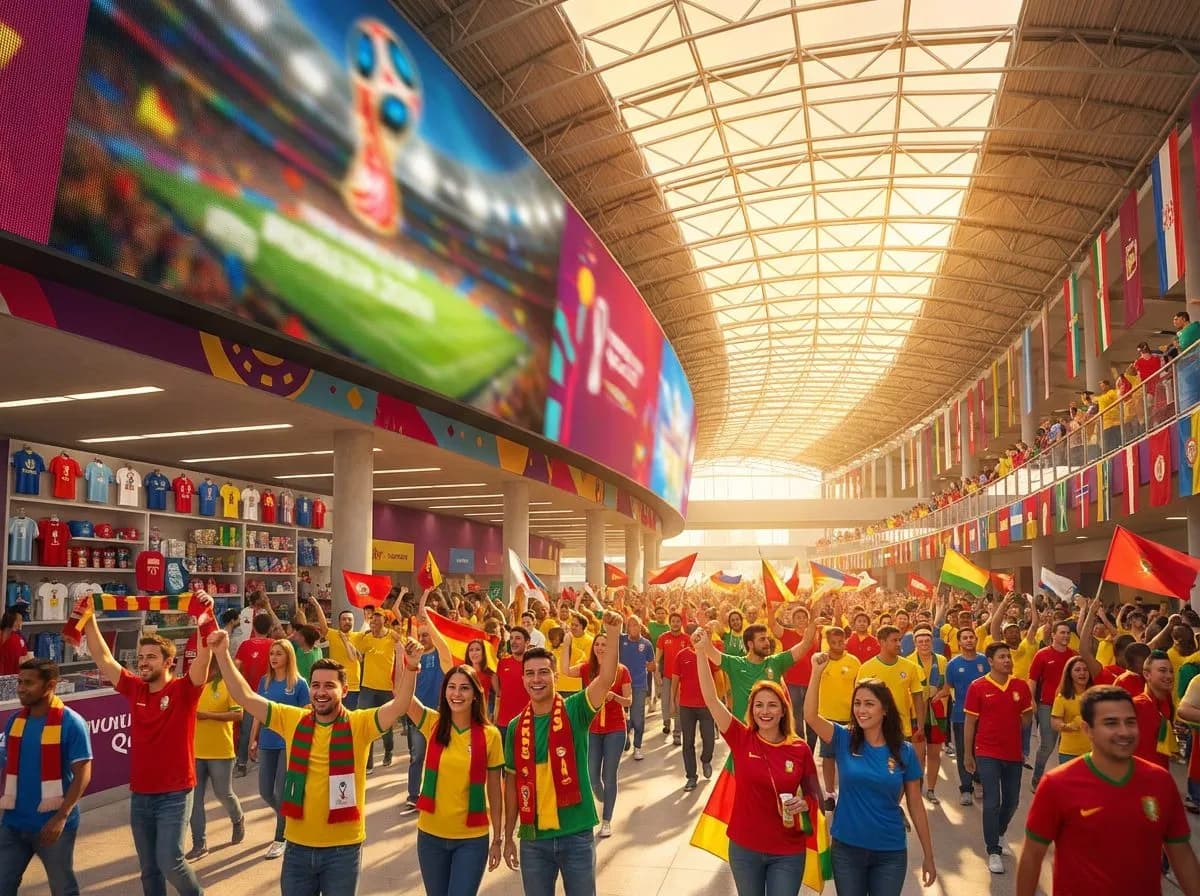
The Roof That Rewrote Stadium Design
When AT&T Stadium opened in Arlington in 2009, its retractable roof became an instant landmark—a feat of engineering spanning more than 660,000 square feet and capable of opening in roughly twelve minutes. The structure doesn't just shelter fans; it frames the entire experience, transforming the venue from an open-air amphitheater to a climate-controlled arena depending on the day's demands. For a World Cup semifinal in mid-July, that flexibility matters more than ever.
Text Karpo Now: Get the latest roof status, seating tips, and transit routes before kickoff in Arlington.
The roof's design allows natural light to flood the pitch when open, creating a dramatic interplay between Texas sky and the colossal video board suspended above the field. When closed, the stadium becomes a self-contained environment, insulated from the summer heat and optimized for acoustics that amplify every chant and cheer. The choice isn't purely aesthetic—it's tactical, balancing player safety, fan comfort, and the spectacle that a global audience expects.
For the 2026 tournament, AT&T Stadium will host nine matches, the most of any venue, and the semifinal represents the pinnacle of that schedule. The roof decision will likely be made in consultation with FIFA, weather forecasts, and operational teams, weighing factors from field conditions to broadcast lighting. Fans planning their trip should prepare for either scenario, because the experience shifts dramatically depending on which way the panels swing.
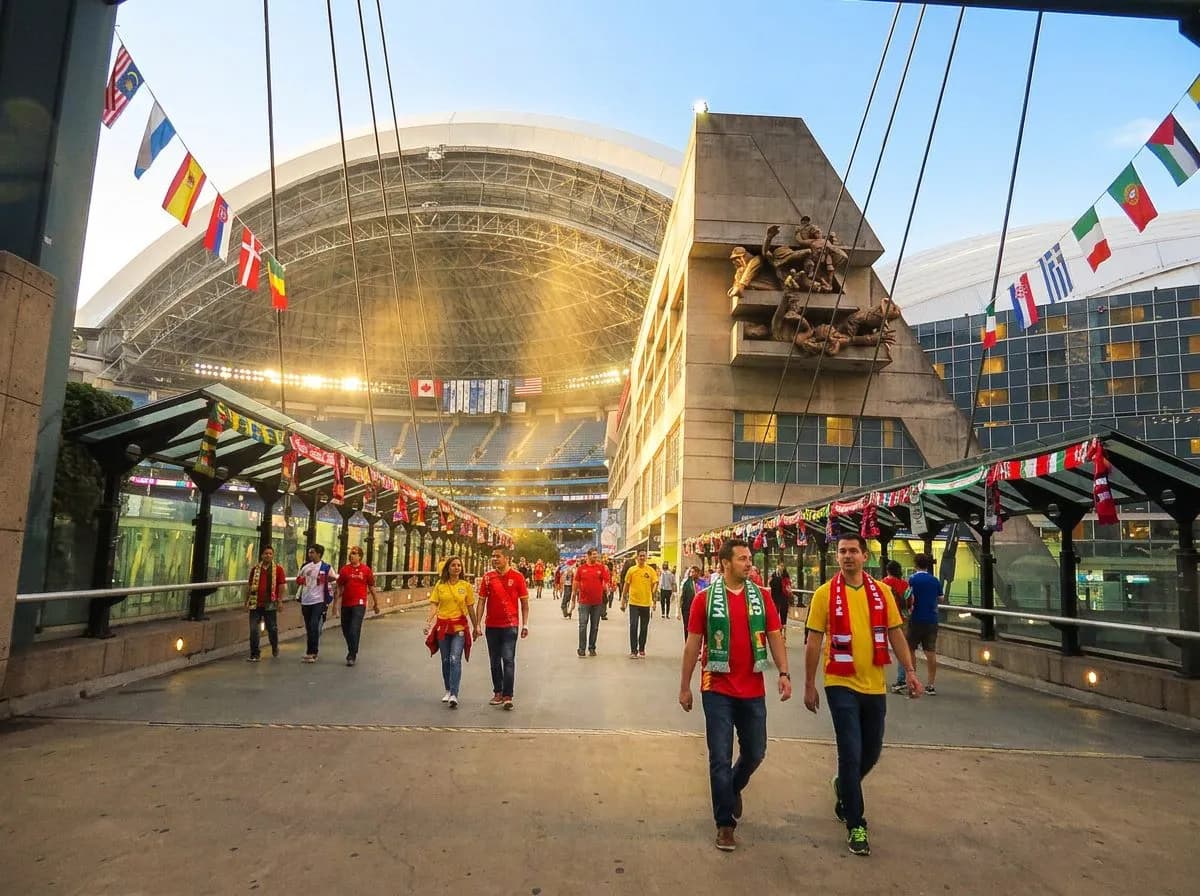
Texas Heat and the Climate Control Equation
July in the Dallas-Fort Worth area can be unforgiving, with afternoon temperatures regularly climbing into the mid-90s Fahrenheit and heat indices pushing even higher. An open roof in those conditions might offer a romantic nod to outdoor soccer tradition, but it also risks player fatigue and fan discomfort—especially in a knockout match where every detail counts. The stadium's climate control system, when the roof is closed, can maintain a steady 72 degrees, a stark contrast to the swelter outside.
Historically, major events at AT&T Stadium have leaned toward closed-roof configurations for summer dates, prioritizing comfort and consistency. The Super Bowl held here in 2011 kept the roof closed despite relatively mild February weather, a decision driven by predictability and the desire to control every variable. For a World Cup semifinal, the stakes are even higher: this is a match that could determine a finalist, and no organizer wants weather to become a storyline.
That said, an open roof offers its own rewards. The natural light enhances the visual drama, and the connection to the outdoors can electrify the atmosphere in ways that air conditioning never will. If forecasts show a rare cool front or cloud cover, or if the match is scheduled for an evening kickoff when temperatures dip, the panels might part. Fans should monitor official announcements in the days leading up to the match, as the decision often comes down to the wire.
The Video Board and the Roof's Role in Spectacle
No conversation about AT&T Stadium is complete without mentioning the video board—a 160-foot-wide, high-definition marvel that hangs 90 feet above the field and redefines what it means to watch a match live. The roof's status directly affects how that board performs. When closed, the controlled lighting ensures perfect contrast and color saturation, making replays and graphics pop with cinematic clarity. When open, natural sunlight can wash out the screen during daytime matches, though the board's brightness is engineered to compensate.
For a World Cup semifinal, the video board becomes a storytelling tool, broadcasting close-ups, tactical replays, and crowd reactions to 80,000 fans in real time. The roof decision influences not just what fans see, but how they see it—whether the experience feels like an indoor arena spectacle or an open-air festival. Both have their merits, and both have been tested in countless NFL games, college championships, and concerts over the years.
The interplay between roof and screen also matters for broadcast audiences worldwide. Closed-roof matches tend to offer more consistent lighting for television cameras, reducing shadows and glare. Open-roof matches can deliver stunning aerial shots of the stadium framed by Texas sky. FIFA and broadcasters will weigh these factors heavily, knowing that billions of viewers will form their impressions of the tournament based on what they see from Arlington.
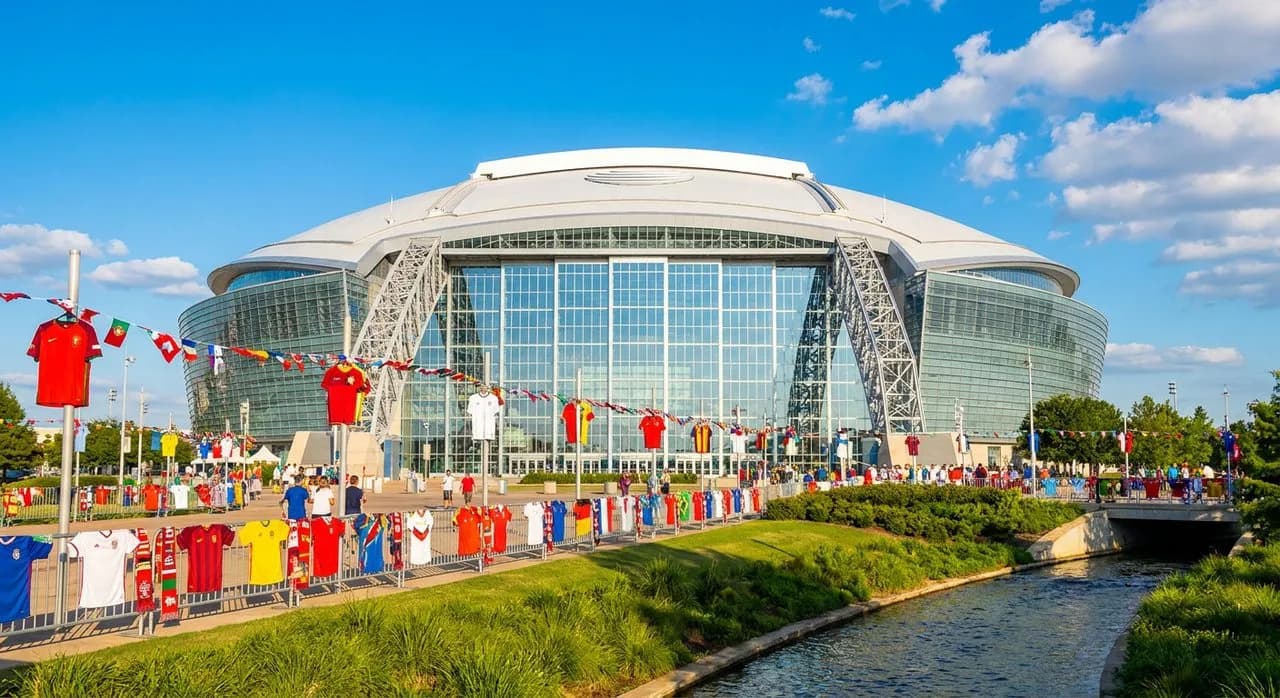
What Past Events Tell Us About the Decision
AT&T Stadium has hosted a wide range of events since its opening, and patterns emerge when you study the roof's history. For high-stakes football games in warm weather, the roof has almost always stayed closed, prioritizing player performance and fan comfort. For spring or fall events with mild conditions, the roof has occasionally opened, offering a hybrid experience that blends indoor and outdoor elements. The decision is never arbitrary—it's data-driven and deliberate.
The venue has also hosted international soccer before, including CONCACAF Gold Cup matches and international friendlies, and those events have typically featured a closed roof during summer dates. The reasoning is consistent: soccer matches are longer than most American football games, and the cumulative effect of heat over ninety-plus minutes can be significant. A semifinal, with potential extra time and penalties, could stretch even longer, making climate control a priority.
Yet there's always the possibility of surprise. If weather conditions align—a late kickoff, a cool evening, low humidity—the organizers might seize the opportunity to open the roof and create a moment that fans remember for decades. The 2026 World Cup is already historic as the first to span three nations and feature 48 teams; a semifinal under the Texas sky could add another layer to that legacy.
Getting to Arlington and Navigating the Venue
AT&T Stadium sits in Arlington, roughly equidistant between Dallas and Fort Worth, and reaching it requires a bit of planning. The venue is not directly served by Dallas Area Rapid Transit (DART) rail, but shuttle buses will connect fans from nearby transit hubs, and rideshare drop-off zones will be clearly marked. Parking is abundant but fills quickly for major events, so arriving early—or using official shuttles—is the smartest move.
Once inside, the stadium's layout is intuitive, with wide concourses and clear sightlines to the field from nearly every seat. The retractable roof, whether open or closed, doesn't obstruct views; instead, it frames them, creating a sense of scale that few venues can match. Concessions and restrooms are plentiful, and the stadium's design ensures that even a crowd of 80,000 can move efficiently.
For fans hoping to catch a glimpse of the roof in action, arriving during the pre-match window is ideal. If the roof is scheduled to open or close, it's a spectacle in itself—a slow, mechanical ballet that underscores the venue's engineering ambition. Even if the roof stays in one position, the sheer size of the structure, combined with the video board and the roar of the crowd, makes AT&T Stadium an unforgettable setting for a World Cup semifinal.
What to Expect on Match Day
The roof decision will be announced closer to kickoff, but fans can prepare for either scenario by dressing in layers and staying hydrated. If the roof is closed, the climate-controlled interior will feel comfortable, though the energy of 80,000 fans can still make the air feel charged. If the roof is open, sunscreen and hats become essential, and the experience shifts toward the outdoor festival atmosphere that defines so much of World Cup culture.
Regardless of the roof's status, the match itself will be the main event—a semifinal that determines which team advances to the final at MetLife Stadium in New Jersey. The stakes, the crowd, and the setting all converge to create a moment that transcends the mechanics of architecture. The roof is simply the frame; the match is the masterpiece.
For those making the trip to Arlington, the semifinal represents a once-in-a-lifetime opportunity to witness World Cup history in one of the most ambitious stadiums ever built. Whether the roof is open or closed, the experience will be monumental, a testament to the power of sport to bring people together under any sky—or ceiling.
Practical notes
- Monitor official FIFA and AT&T Stadium channels in the days before the match for the final roof decision.
- Plan transit early—shuttle buses from DART stations are the most reliable option; parking lots fill hours before kickoff.
- Bring sunscreen and a hat if the roof is open; dress in light layers if closed for climate-controlled comfort.
- Arrive at least two hours early to navigate security, explore the concourses, and soak in the pre-match atmosphere.
- Stay hydrated regardless of roof status—concession stands are well-stocked, and refill stations are available throughout the venue.
The question of whether AT&T Stadium's roof will be open or closed for the semifinal is more than a logistical footnote—it's a decision that shapes the entire experience, from the light on the pitch to the mood in the stands. Whatever the call, Arlington will deliver a stage worthy of the moment, and fans who make the journey will carry the memory long after the final whistle.
Tags: #ATTStadium #WorldCup2026 #DallasSoccer #ArlingtonTX #RetractableRoof #WorldCupSemifinal #TexasSoccer #StadiumExperience #FIFA2026 #SoccerCulture #DFWEvents #WorldCupVenue #ATTStadiumRoof #SemifinalDay #GlobalFootball
All trademarks are the property of their respective owners.
Ask Karpo first
The roof decision is just one piece of the puzzle when you're planning a World Cup semifinal trip to Arlington. From transit timing to seating strategies to where the best pre-match energy gathers, the details add up fast. Ask Karpo first—text us your questions, and we'll make sure your semifinal experience is as seamless as it is unforgettable.