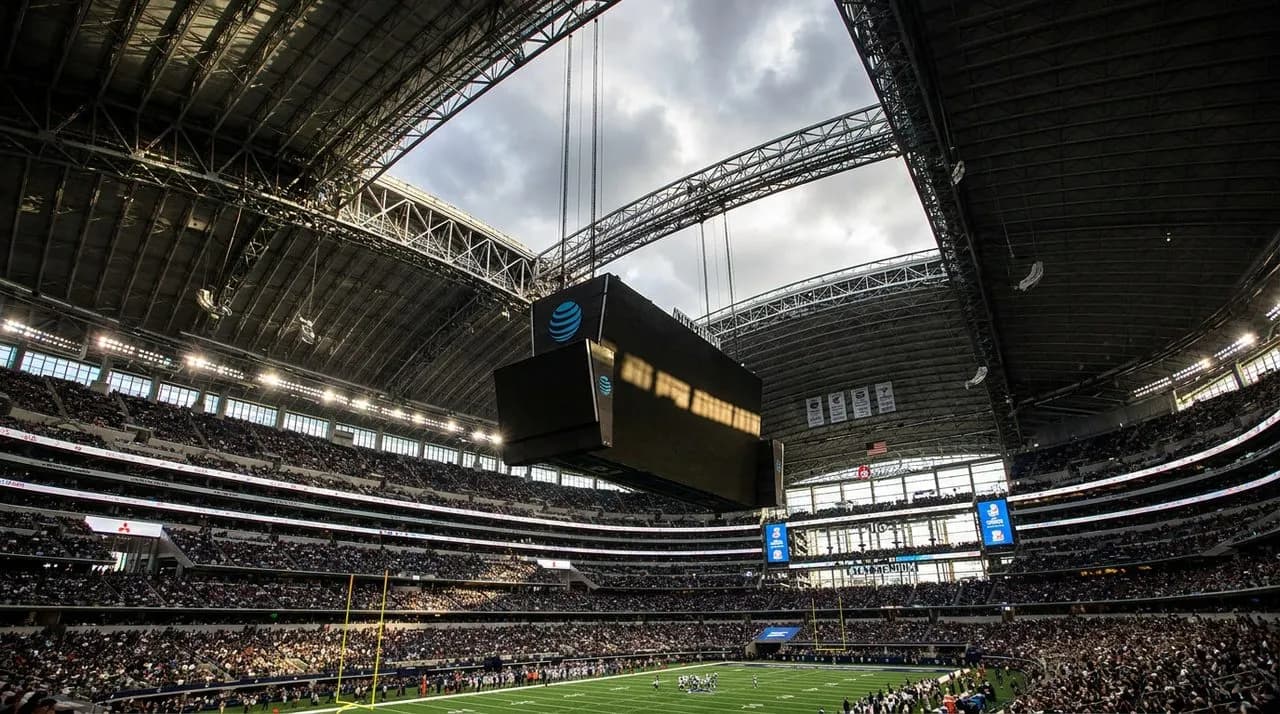
The roar of the crowd is a palpable force. Above, the Texas sky could be a brilliant azure or storm clouds – a choice dictated by comfort. Below, 80,000 expectant fans gaze intently not just at the pitch, but upwards too, where a technological marvel broadcasts every play. This isn't just a stadium; it's a futuristic coliseum ready for the 2026 FIFA World Cup. Dallas’s AT&T Stadium, an architectural icon of audacious design and cutting-edge engineering, is poised to be a centerpiece, offering an unparalleled blend of innovation and Texas-sized grandeur.
The Retractable Roof: Open or Closed for World Cup?
AT&T Stadium's colossal retractable roof, a testament to modern engineering, adapts to any weather. Comprised of two massive panels, each weighing approximately 1,600 tons, the roof opens or closes in a remarkable 12 minutes. This flexibility will be crucial during the 2026 World Cup, where match schedules might clash with intense Texas summer heat or unpredictable thunderstorms.
While exact operational protocol for the World Cup is pending FIFA, stadium management, and local organizers, the default expectation is a closed roof for most matches. This ensures optimal climate control and a consistent playing environment. However, the option remains to open the roof for evening matches with favorable weather, offering a spectacular open-air experience. Imagine the dramatic interplay of stadium lights with a fading sunset – an unforgettable backdrop. The decision will likely be made on a match-by-match basis, considering temperature, humidity, and forecast. Expect clear communication closer to the tournament.
The Giant Video Board Experience
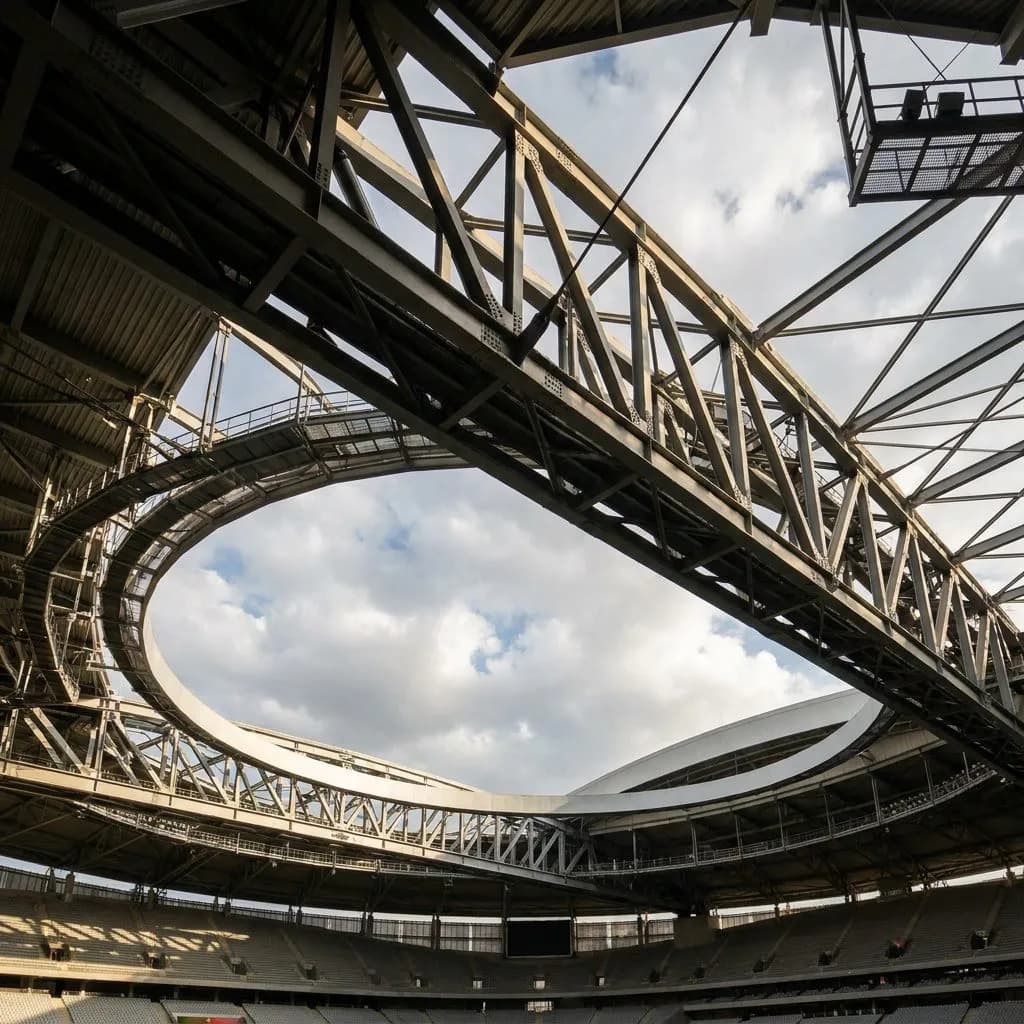
Dominating the stadium's interior is the staggering 160-foot wide by 72-foot tall high-definition video board, affectionately known as "JerryTron." This isn't merely a screen; it's an immersive visual landscape. Suspended 90 feet above the playing field, two screens face each other across the 50-yard line, providing an unobstructed view of replays, statistics, and live action from virtually every seat.
At 11,520 square feet each, these screens were, at their inception, the largest in the world, earning a Guinness World Record. Their sheer scale means even upper-tier fans feel intimately connected, able to observe intricate footwork and facial expressions. For World Cup matches, their clarity and size will ensure fans don't miss a single controversial call, pivotal save, or celebratory moment. The unique hanging design means no poor viewing angle due to an intrusive corner screen; the action is always directly in front of you.
Climate Control in Texas Heat
Hosting the World Cup in July in Texas presents significant climate challenges. AT&T Stadium was designed with these conditions in mind. Beyond the retractable roof, the venue boasts a sophisticated climate control system capable of maintaining comfortable temperatures even when outside temperatures soar past 100°F (38°C).
The stadium utilizes a massive HVAC system designed to handle the equivalent of cooling over 3,000 average-sized homes. This isn't just about blowing cold air; it's about managing humidity and airflow for an optimal environment. The insulated roof and walls, combined with strategically placed vents, create a steady, comfortable atmosphere. For visiting teams and their supporters, this meticulously engineered climate control will be a welcome relief, ensuring they can focus on the beautiful game without oppressive heat.

Unique Architectural Features
Beyond its headline roof and video boards, AT&T Stadium is an architectural marvel. The two enormous, 300-foot-high steel arches spanning the entire length are not just aesthetic; they are integral to structural integrity, supporting the retractable roof and immense video screens. These graceful arches have become an iconic part of the Dallas skyline.
Another clever detail allows for enormous end-zone doors, each 180 feet wide by 120 feet high, to be opened. While primarily used for equipment access, during certain events, they can be opened for natural light and air circulation, transforming the stadium from an enclosed arena to a more open-air venue. Moreover, the stadium's art collection, featuring specially commissioned pieces, integrates throughout concourses and premium spaces, offering a cultural dimension rarely found in modern sports complexes.
How the Venue Compares to Other World Cup Stadiums
When stacked against other 2026 World Cup venues across North America, AT&T Stadium consistently ranks among the most technologically advanced and grandest. Its seating capacity, exceeding 80,000, places it among the largest, ensuring a vibrant atmosphere. Compared to MetLife Stadium or SoFi Stadium, AT&T Stadium pioneered its retractable roof and giant screens, setting a benchmark for future stadium design.
While some venues might offer more intimate atmospheres or decades of soccer history, AT&T Stadium offers an unparalleled blend of modern luxury, innovative engineering, and sheer spectacle. Its ability to control its internal environment, coupled with the immersive visual experience of the video boards, provides a distinct advantage, especially when unpredictable weather could impact games elsewhere. Dallas’s stadium promises a truly twenty-first-century World Cup experience, where comfort, technology, and grandeur converge.
Practical Notes
For fans planning their World Cup journey to Dallas, a few practical notes are essential. Public transportation to AT&T Stadium is limited, so plan for ride-shares, shuttles, or pre-booked parking. Arriving early is recommended to navigate crowds and explore. Bag policies are stringent, so check official guidelines. Inside, the stadium is fully cashless. Lastly, while climate control is excellent, wearing light, breathable clothing and staying hydrated remains advisable, particularly when traveling to and from the venue in the Texas summer. Embrace the energy, prepare for the heat outside, and get ready for a World Cup spectacle like no other.
Tags: #WorldCup2026 #FIFAWorldCup #Dallas #ATTStadium #Texas #Football #Soccer #StadiumTech #RetractableRoof #GiantScreen #TravelGuide #VenueGuide #SportsTravel #LuxuryStadium #WorldCupHost
Sources consulted: fifa.com · attstadium.com
All trademarks are the property of their respective owners.
Ask Karpo First
Wondering whether the roof will be open or closed for your match, how the giant screen changes the viewing experience, or what makes AT&T Stadium's air conditioning system World Cup-ready? Ask Karpo for a venue feature guide, section recommendations for the best video board views, and climate tips for match day in Dallas.