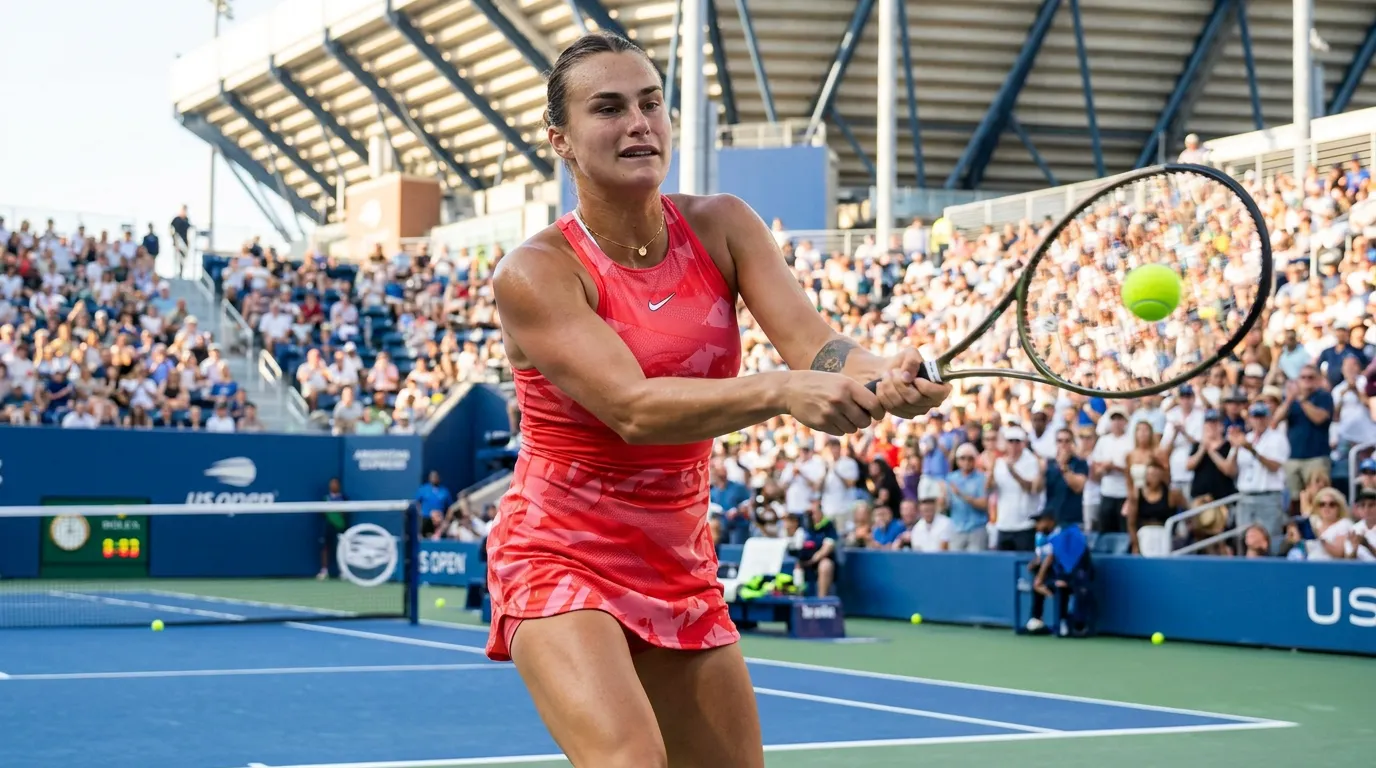
Aryna Sabalenka has transformed the US Open into her personal showcase over the past two years, capturing back-to-back titles in 2024 and 2025 with a brand of tennis that perfectly suits the fast hard courts of Flushing Meadows. Her combination of first-strike power, relentless return aggression, and improved emotional control has made her the most dangerous player on American hard courts. She became the first woman since Serena Williams in 2014 to successfully defend the US Open title, a testament to both her physical dominance and mental evolution. The challenge of maintaining this level year after year is immense, but Sabalenka's game style and recent trajectory demonstrate why she has become the standard-bearer for aggressive baseline tennis.
Text Karpo Now: Tell us what you want from Aryna Sabalenka’s Hard-Court Power Makes Her a US Open Favorite, and Karpo can track official updates, match timing, tickets, transit, and the easiest way to plan your US Open day.
Why Hard Courts Amplify Her Strengths
Sabalenka's success at the US Open is no accident. The hard courts at the USTA Billie Jean King National Tennis Center reward aggressive ball-striking and favor players who can dictate from the baseline. Her forehand generates exceptional pace and heavy topspin, allowing her to push opponents deep behind the baseline and create short balls to attack. The surface provides consistent bounce and allows her to load up on groundstrokes without the unpredictability of grass or the slower pace of clay that gives defenders more time to retrieve.
Her serve becomes even more potent on hard courts. The surface amplifies pace, and her ability to generate free points on first serves reduces the physical demands of long matches during a two-week Grand Slam. When her first serve percentage is high, opponents struggle to establish any rhythm in return games. The combination of serve dominance and baseline power creates a one-two punch that has proven difficult to counter in New York's conditions.
Return Aggression as a Tactical Weapon
While Sabalenka's serve draws attention, her return game often determines match outcomes. She stands inside the baseline on many second serves, taking time away from opponents and immediately putting them on defense. This aggressive return position forces servers to aim closer to lines, increasing their error rate and creating mental pressure. Against big servers, she doesn't simply try to get the ball back in play—she looks to drive returns with depth and pace, neutralizing the server's advantage.
This return strategy works particularly well in best-of-three-set women's matches, where a single break can decide a set. By applying constant pressure on opponent serves, Sabalenka creates multiple break opportunities throughout a match. Even when she doesn't convert every chance, the cumulative effect wears down opponents who must defend break points repeatedly. The mental toll of serving under that pressure often leads to crucial errors in tight moments.
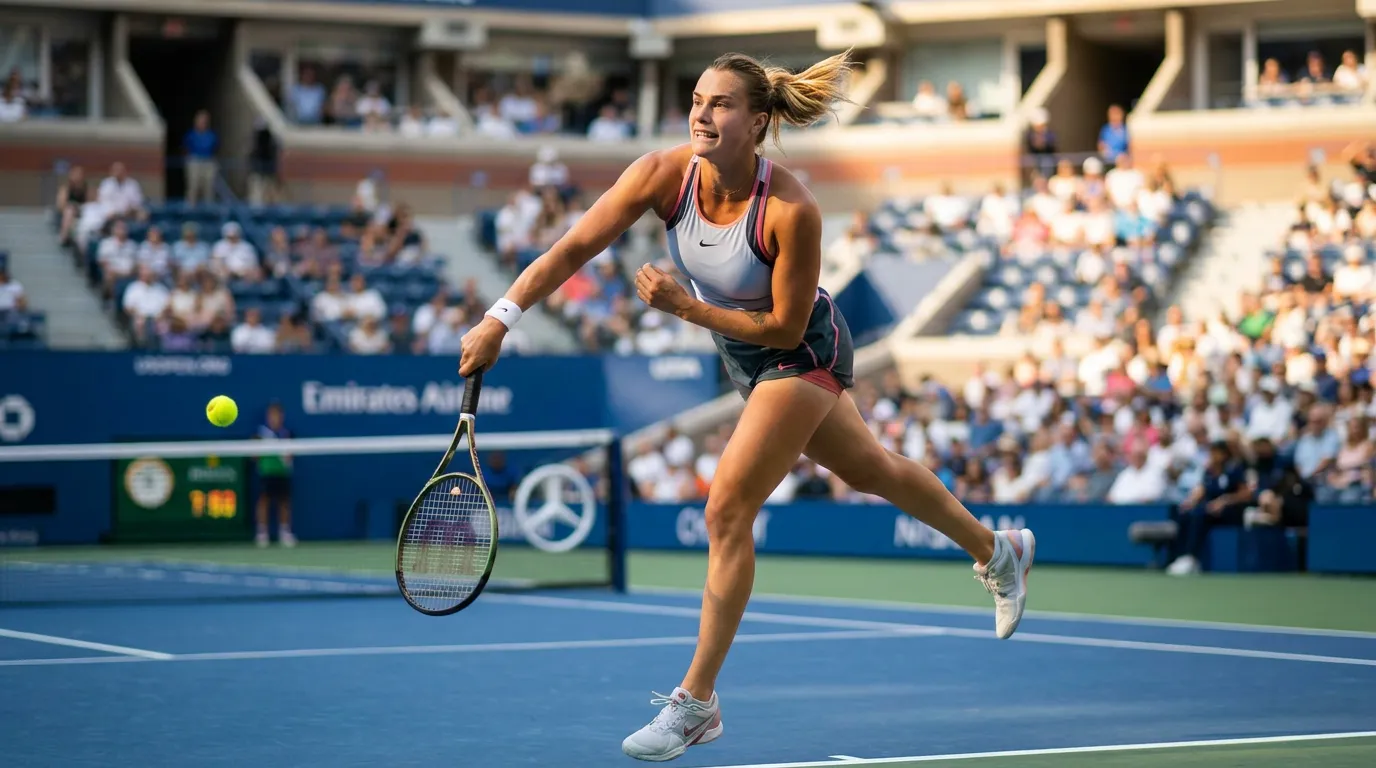
Her willingness to take risks on returns also keeps opponents guessing about placement. She can drive returns cross-court with power, redirect balls down the line, or chip and charge on occasion. This variety prevents servers from settling into comfortable patterns, even when their first-serve percentage is high. The tactical flexibility in her return game makes her dangerous against any playing style.
Emotional Control and Mental Growth
Earlier in her career, Sabalenka's on-court emotions sometimes worked against her. Frustration after errors could snowball into lost games or sets, and the pressure of close matches occasionally led to tightness in crucial moments. Her evolution in this area has been one of the most significant factors in her Grand Slam success. She has developed better routines between points, using consistent ball-bouncing patterns and breathing techniques to reset after errors.
The ability to compartmentalize bad games has become a hallmark of her recent play. Rather than dwelling on a lost service game, she immediately refocuses on breaking back. This resilience prevents small setbacks from becoming momentum shifts. In the pressure cooker of Arthur Ashe Stadium, where crowds can swing match energy and late-night matches test physical and mental endurance, maintaining emotional equilibrium separates champions from contenders.
Her improved body language also affects opponents. When she maintains composure after errors and projects confidence even when trailing, it sends a message that she believes in her ability to turn matches around. This psychological element adds another layer to her already formidable game. Opponents know that even when ahead, they cannot relax because Sabalenka has the power and mindset to erase deficits quickly.
The Challenge of Sustained Excellence
Maintaining championship-level tennis year after year presents unique challenges. The physical demands of peaking at the same tournament require careful scheduling and training throughout the season. Every opponent brings their best tennis, knowing that defeating a reigning champion would be a career-defining victory. Early-round matches that might otherwise be routine become potential traps when opponents have nothing to lose and everything to gain.
The depth of women's tennis also presents ongoing challenges. Multiple players possess the weapons to trouble her game style, particularly those who can match her power or use variety to disrupt her rhythm. Hard-court specialists who thrive in fast conditions are constantly motivated to test themselves against the best. The two-week format of a Grand Slam means navigating seven matches against quality opposition, any one of which could prove difficult.
- Physical freshness: maintaining peak conditioning through a long season leading into late August
- Tactical evolution: continuing to add dimensions so opponents cannot simply prepare for power
- Mental resilience: handling the pressure of high expectations while staying present in each match
- Draw navigation: managing potential early-round challenges and avoiding multiple consecutive three-set battles
Practical Notes
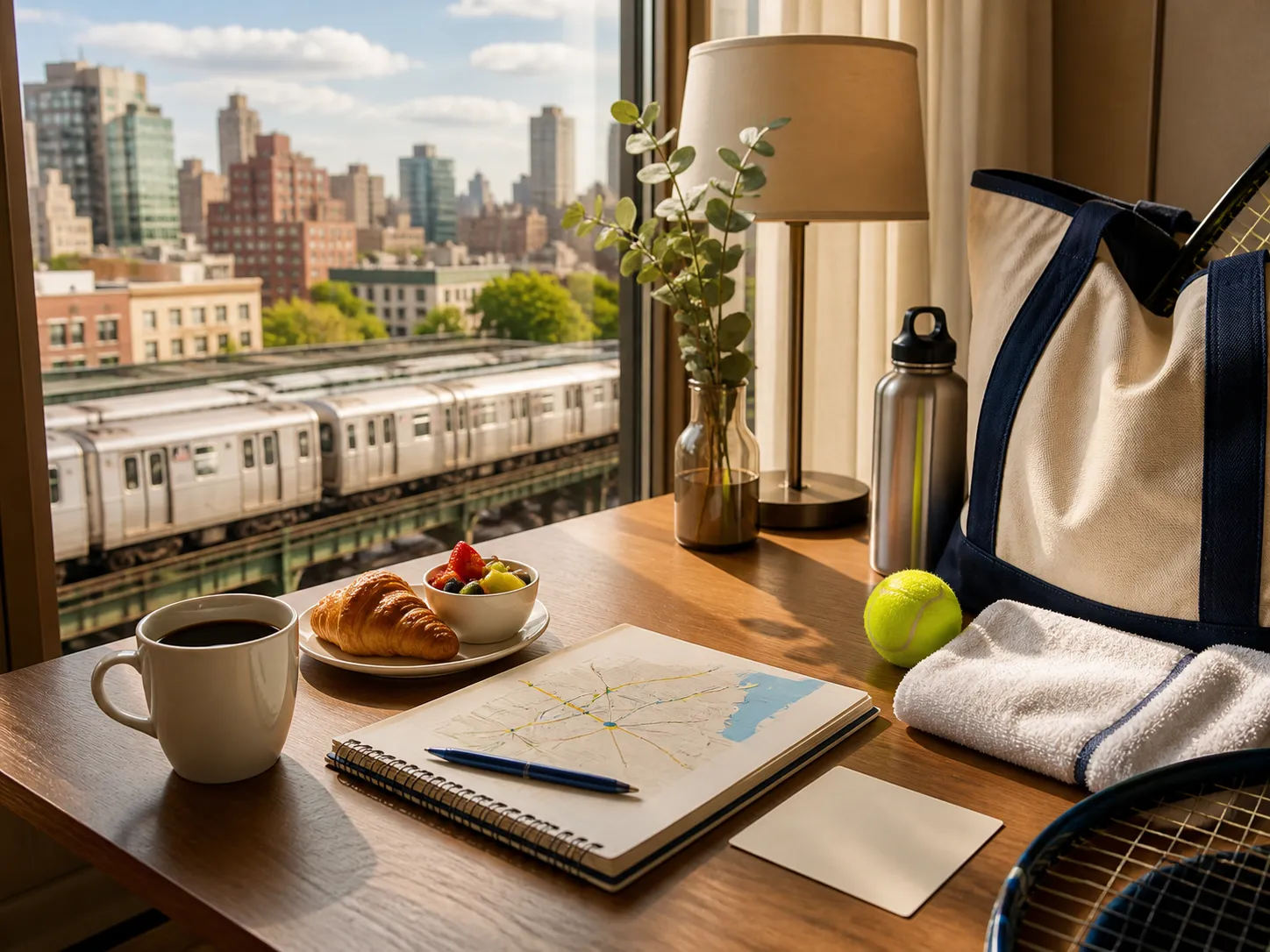
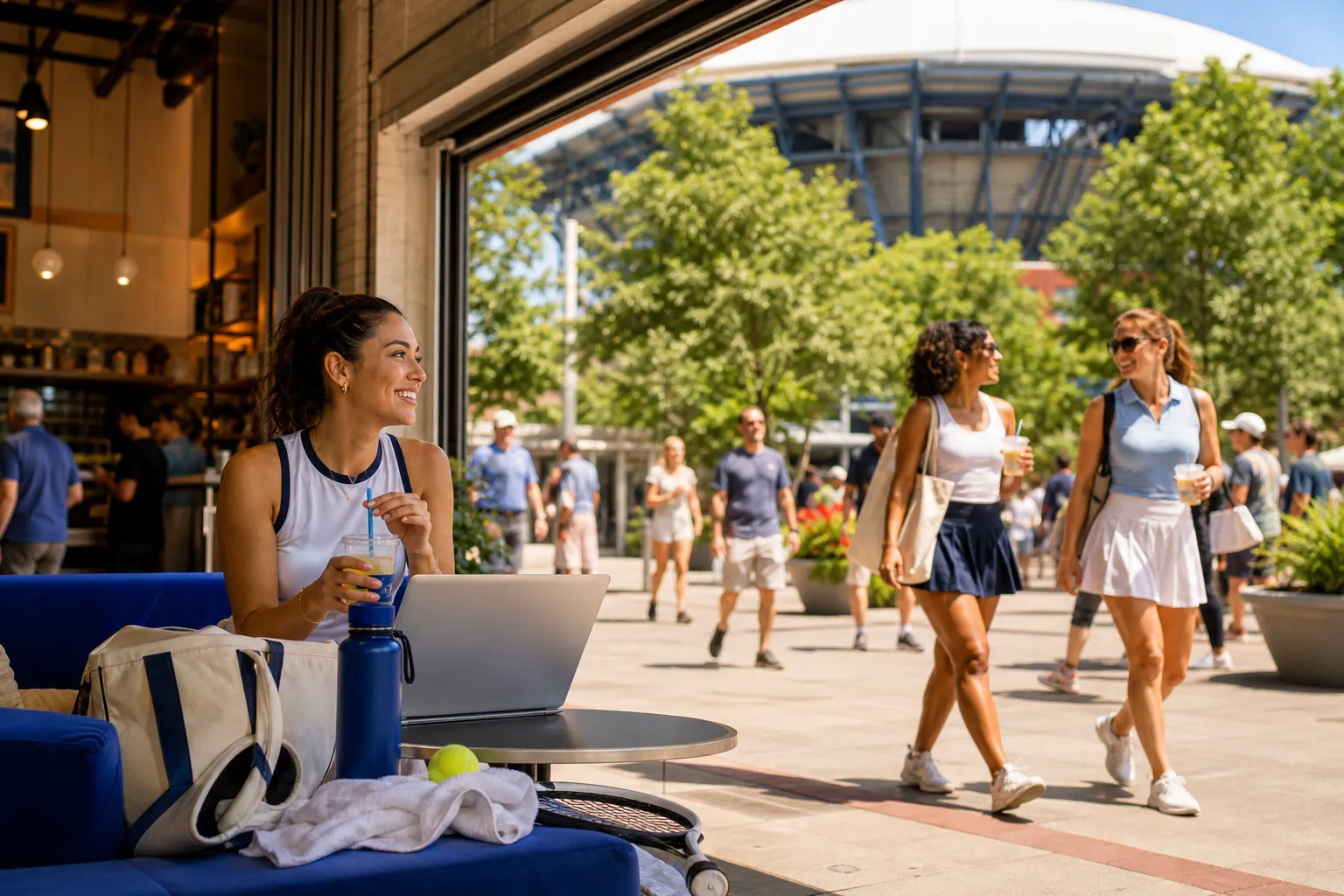
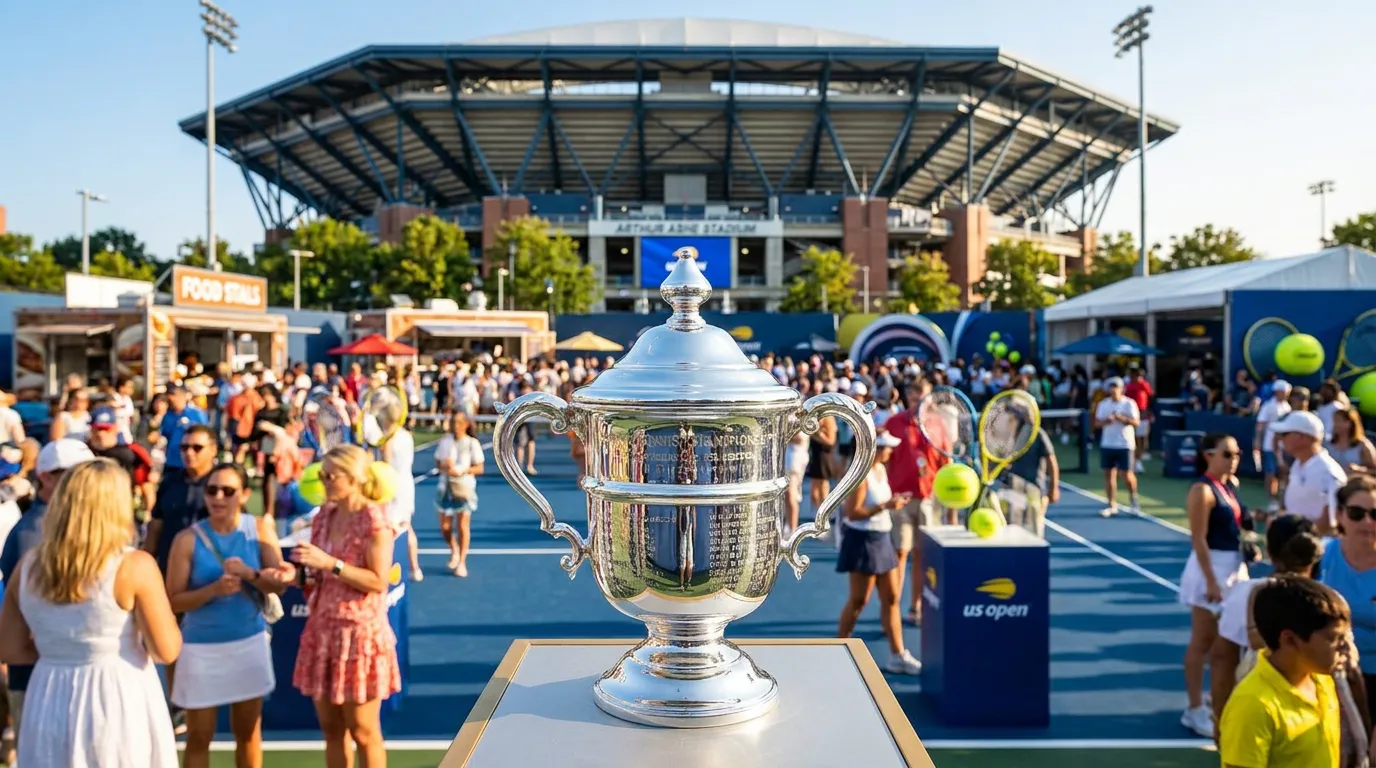
The US Open runs from late August through early September at the USTA Billie Jean King National Tennis Center in Queens, New York. The tournament schedule typically features day and night sessions, with the largest matches held in Arthur Ashe Stadium, the sport's biggest venue. Fans planning to attend should book accommodations well in advance, as hotels near the venue fill quickly. The 7 subway line provides direct access to the Mets-Willets Point station adjacent to the tennis center. Tickets for individual sessions go on sale months before the tournament, with grounds passes offering access to outer courts where you can see top players in earlier rounds. Bring sun protection for day sessions and a light jacket for evening matches, as temperatures can drop after sunset in early September.
Tags: #USOpen2026 #Tennis #GrandSlam #NewYorkTennis #ArthurAsheStadium #FlushingMeadows #USOpenGuide #TennisFans #SportsTravel #HardCourt #NewYork #KarpoFinds
Sources consulted: usopen.org — Official reference · usopen.org — Official reference
All trademarks are the property of their respective owners.
Ask Karpo first
Before you lock in tickets or build a full day around an unconfirmed schedule, ask Karpo first. Share your dates, budget, and favorite players, and Karpo can help turn official US Open updates into a practical New York plan.