The Physics of a Roar: How Arrowhead's Bowl Traps Sound
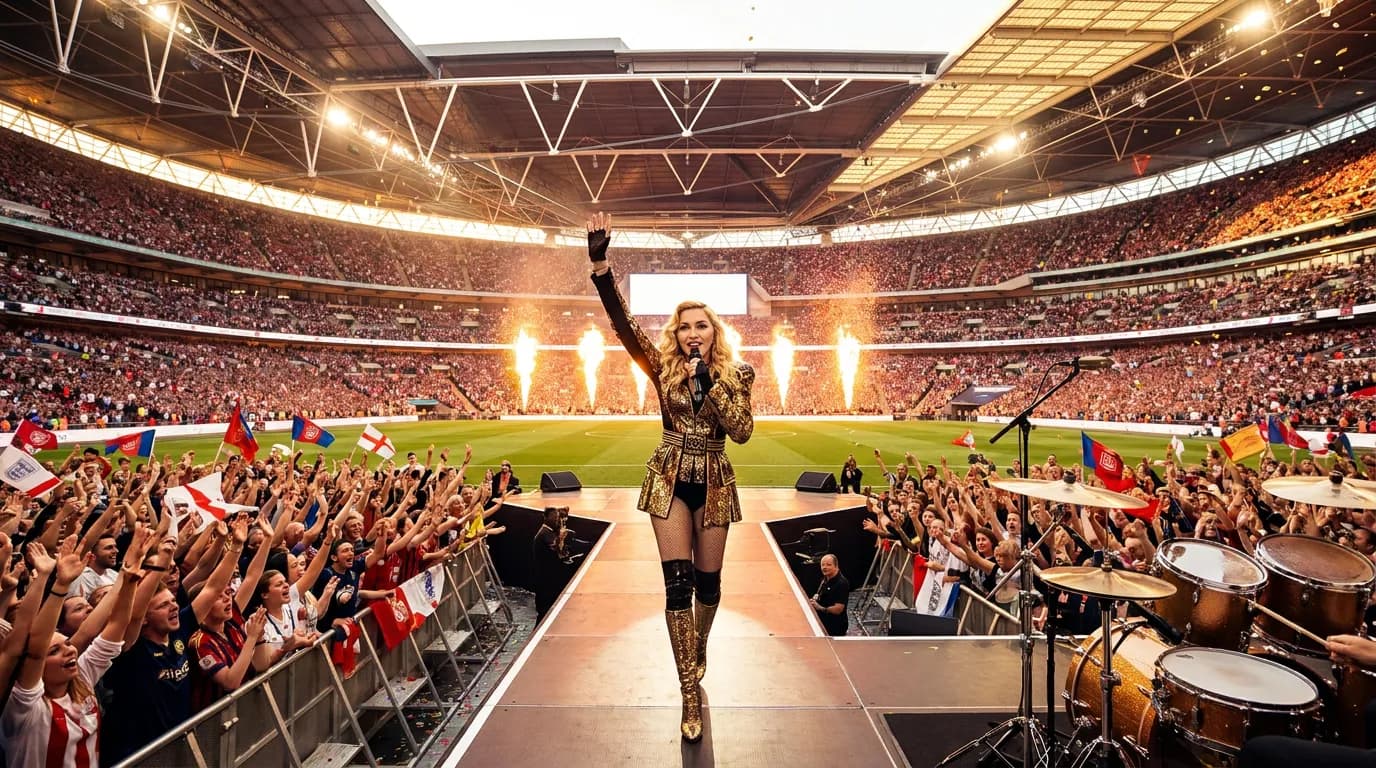
Arrowhead Stadium didn't accidentally become one of the loudest venues on the planet. The concrete bowl design, completed in 1972 and refined through decades of renovations, creates a natural amplifier. Steep seating tiers rise at aggressive angles on all sides, funneling crowd noise down toward the pitch and back up into a reverberating loop. Unlike open-ended stadiums that let sound escape into the sky, Arrowhead's enclosed geometry holds every cheer, chant, and collective gasp inside the cauldron.
Text Karpo Now: Get insider tips on navigating Arrowhead's loudest sections and pre-match tailgate spots for the 2026 World Cup knockouts.
The stadium officially holds the Guinness World Record for crowd noise—142.2 decibels during an NFL game in 2014—but those who've experienced knockout football matches here know the numbers only tell half the story. The acoustics compress tens of thousands of voices into a single, sustained wave that vibrates through the bleachers and into your ribcage. Visiting teams have described it as disorienting, a wall of sound that makes on-field communication nearly impossible.
When the 2026 World Cup brings knockout drama to Kansas City, that same bowl will channel the energy of a global audience. The steep tiers mean every seat feels close to the action, and every voice contributes to the collective roar. It's not just volume—it's the way the sound builds, crests, and crashes in waves that mirror the tension on the pitch.
Kansas City's Crowd Culture: More Than Just Decibels
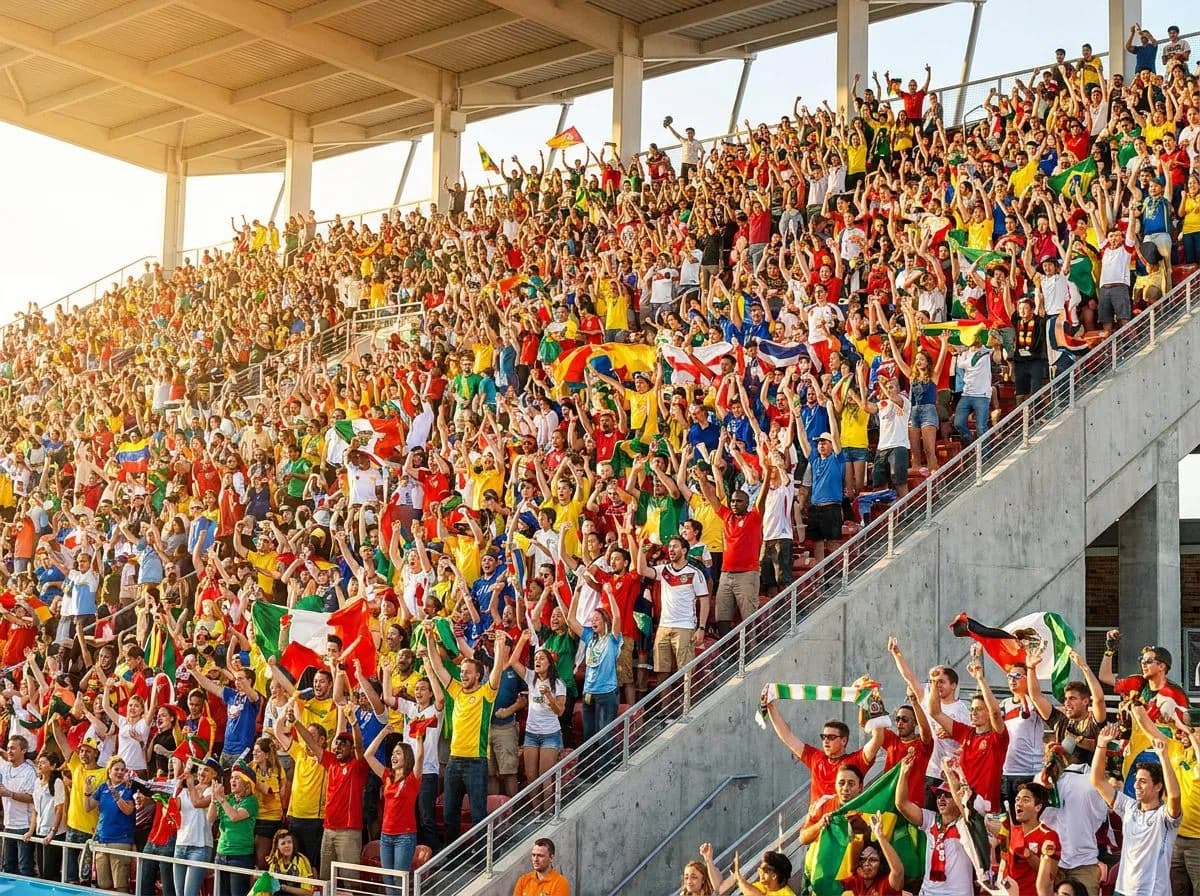
Kansas City fans don't wait for a reason to get loud—they bring the noise from kickoff to final whistle. Decades of supporting local teams have cultivated a crowd culture that values sustained energy over polite applause. The city's sports identity is built on showing up, staying loud, and making home advantage tangible. That ethos translates seamlessly to football, where the stakes of a knockout match amplify the natural intensity.
The crowd here understands rhythm. During tense defensive stands, the noise swells in coordinated pulses. When an attack builds, the volume rises in anticipation, peaking the moment a shot is taken. It's an organic choreography that visiting sides struggle to counter. Players on the pitch have described feeling the crowd's energy shift before a goal, as if the stadium itself senses the moment coming. That intuitive connection between fans and action makes Arrowhead uniquely intimidating on high-stakes nights.
For the World Cup, expect that local passion to merge with the global fervor of knockout football. Kansas City's crowd won't just cheer—they'll create an atmosphere that becomes part of the match narrative, a force that teams must account for in their tactics and mental preparation.
Tailgate Traditions Meet World Cup Fervor
Arrowhead's sprawling parking lots are legendary for pre-match tailgating, a ritual that transforms the stadium grounds into a festival hours before kickoff. On a World Cup knockout night, those lots will buzz with an international mix of fans grilling, singing anthems, and trading scarves. The tailgate culture here is democratic—strangers become allies over shared grills, and the energy built in the lots carries directly into the stands.
The stadium's location in the eastern Kansas City metro, accessible via Interstate 70 and surrounded by ample parking, makes tailgating logistically simple. Fans arrive early, stake out their spots, and spend the afternoon building camaraderie. By the time gates open, the crowd is already primed, voices warmed up, and adrenaline flowing. That pre-match energy is a crucial ingredient in Arrowhead's knockout-night atmosphere—the roar doesn't start at kickoff; it's been building for hours.
Unlike venues where fans trickle in just before the match, Arrowhead's tailgate tradition ensures the stadium fills early and stays loud. The collective experience of gathering, celebrating, and then marching into the bowl together creates a unified front that visiting teams face the moment they step onto the pitch.

Knockout Nights: When the Stakes Amplify the Noise
Regular matches are loud at Arrowhead. Knockout matches are something else entirely. The single-elimination format of World Cup knockouts strips away the safety net, and the crowd responds with a visceral intensity that regular-season games rarely match. Every clearance, every near-miss, every refereeing decision becomes a flashpoint for collective emotion. The noise doesn't just rise—it explodes in unpredictable bursts that mirror the chaos on the pitch.
The 2026 tournament will bring that knockout drama to Kansas City, and the stadium's acoustics will magnify every moment. Imagine a quarterfinal going to extra time, the crowd sustaining a roar for thirty additional minutes, or a penalty shootout where each kick is accompanied by a deafening crescendo. Arrowhead's bowl design ensures that no moment of tension goes unnoticed, no surge of hope goes unheard. The stadium becomes a living, breathing participant in the match.
Fans who've experienced knockout football here describe a sensory overload—the noise so constant and intense that it becomes a physical presence. For players, it's both a challenge and a motivator, a reminder that they're performing on a stage where every touch matters and the crowd is watching, listening, and reacting to everything.
The Home Advantage: How Noise Shapes the Match
Noise isn't just atmosphere—it's a tactical weapon. At Arrowhead, the volume disrupts visiting teams' communication, forcing them to rely on hand signals and pre-planned patterns rather than real-time adjustments. Defenders can't hear their goalkeeper's shouts, midfielders miss tactical cues from the sideline, and the constant roar creates a psychological pressure that compounds physical fatigue. For knockout matches, where margins are razor-thin, that disruption can be decisive.
Home teams, by contrast, often thrive in the chaos. They've trained in loud environments, developed non-verbal communication systems, and learned to channel the crowd's energy into their play. The noise becomes a source of confidence, a reminder that tens of thousands of voices are willing them forward. At Arrowhead, that home advantage is amplified by the stadium's design, which ensures the noise is omnipresent and inescapable.
When the World Cup arrives, whichever team claims Arrowhead as their temporary home will inherit that advantage. The crowd won't discriminate based on nationality—they'll support the spectacle, the drama, and the quality of play. But they'll also create an environment where the team that adapts to the noise, that uses it rather than fights it, will have a tangible edge.
Planning Your Knockout-Night Experience
Attending a knockout match at Arrowhead requires preparation. Arrive early to soak in the tailgate atmosphere and secure your spot in the lots. Dress in layers—Kansas City weather in June and July can swing from warm afternoons to cooler evenings, and you'll want to stay comfortable through extra time if the match demands it. Bring earplugs if you're sensitive to sustained noise, though most fans find the roar exhilarating rather than overwhelming.
Inside the stadium, the steep seating means sightlines are excellent from nearly every section, but the upper tiers amplify the acoustic effect—you'll feel the noise even more intensely up high. Hydrate before and during the match, especially if the weather is warm, and be prepared for limited cell service when the bowl is packed. The crowd's energy is infectious, so even if you arrive neutral, you'll likely find yourself swept up in the collective roar by halftime.
After the final whistle, the energy lingers. Fans spill back into the lots, replaying key moments and celebrating or commiserating together. The tailgate culture extends post-match, turning the entire experience into a daylong event. For a knockout night at Arrowhead, the match is just the centerpiece—the real story is the hours of buildup and the communal release that follows.
Practical notes
- Arrive 3–4 hours early to experience Arrowhead's legendary tailgate culture in the surrounding lots.
- Dress in layers for variable Kansas City summer weather and bring sun protection for daytime matches.
- Expect sustained noise levels above 130 decibels during peak moments—consider earplugs if sensitive.
- Upper-tier seats amplify the acoustic experience and offer excellent sightlines thanks to steep bowl design.
- Plan for limited cell service when the stadium is packed; coordinate meeting spots in advance.
Arrowhead Stadium on a World Cup knockout night will be a masterclass in atmosphere—where architecture, crowd culture, and high-stakes drama converge into something unforgettable. The roar you'll hear isn't just noise; it's the sound of a city and a stadium fulfilling their potential as hosts to the world's biggest sporting event. Whether you're cheering for a favorite or simply there for the spectacle, you'll leave understanding why Arrowhead has earned its reputation as one of the loudest, most electric venues on the planet.
Tags: #ArrowheadStadium #KansasCity #WorldCup2026 #KnockoutNight #StadiumAtmosphere #CrowdCulture #TailgateEnergy #SteepBowlAcoustics #HomeAdvantage #WorldCupVenue #KCFootball #StadiumNoise #MatchDayExperience #FootballCulture #LiveSports
All trademarks are the property of their respective owners.
Ask Karpo first
Before you head to Arrowhead for a knockout match, Ask Karpo first. We'll help you navigate the tailgate lots, find the best seats for the full acoustic experience, and make sure you're prepared for one of the loudest, most electric nights in World Cup history. Text us and step into the roar with confidence.