The Mercedes-Benz Stadium in Atlanta erupted as Lionel Messi's free kick curved around Cape Verde's defensive wall, only to crash against the crossbar with a thunderous clang that silenced 71,000 spectators for a split second. In that moment, on a sweltering June afternoon in Georgia, the 2026 World Cup served up one of its most memorable scenes: defending champions Argentina, laden with expectation and talent, being pushed to their absolute limits by a Cape Verde side that refused to read the script. What followed was 94 minutes of football that perfectly encapsulated why this tournament has already been hailed as one of the most competitive in World Cup history.
The Stage Was Set for David vs Goliath
Argentina entered this Round of 16 clash carrying the weight of history and expectation that comes with being defending world champions. Their group stage performance had been clinical if not spectacular – three wins from three matches, including a commanding 3-0 victory over Poland that saw Messi roll back the years with two assists. Cape Verde, meanwhile, had shocked the football world by emerging from Group F ahead of Belgium, their 2-1 victory over the Red Devils in Vancouver becoming an instant classic that announced their arrival on the biggest stage.
The contrast in World Cup pedigree could hardly be starker. Argentina boasted three World Cup titles and were making their 18th appearance at the tournament, while Cape Verde were competing in just their second World Cup, having made their debut in Qatar 2022 with a respectable group stage exit. Yet football rarely respects such disparities, and Cape Verde's coach Carlos Queiroz had spent weeks preparing a tactical masterplan designed to frustrate Argentina's array of attacking talent.
The betting odds told one story – Argentina were overwhelming 1/4 favorites – but the atmosphere in Atlanta's downtown fan zones told another. Cape Verde supporters, many having traveled from the diaspora communities across New England and the Mid-Atlantic, brought drums, flags, and an infectious belief that this could be their moment. Their chants of "Tubarões Azuis" echoed through the Georgia heat, mixing with the more familiar refrains of Argentine songs that have soundtracked World Cup campaigns for decades.
Messi's Masterclass Meets Cape Verde's Organized Chaos
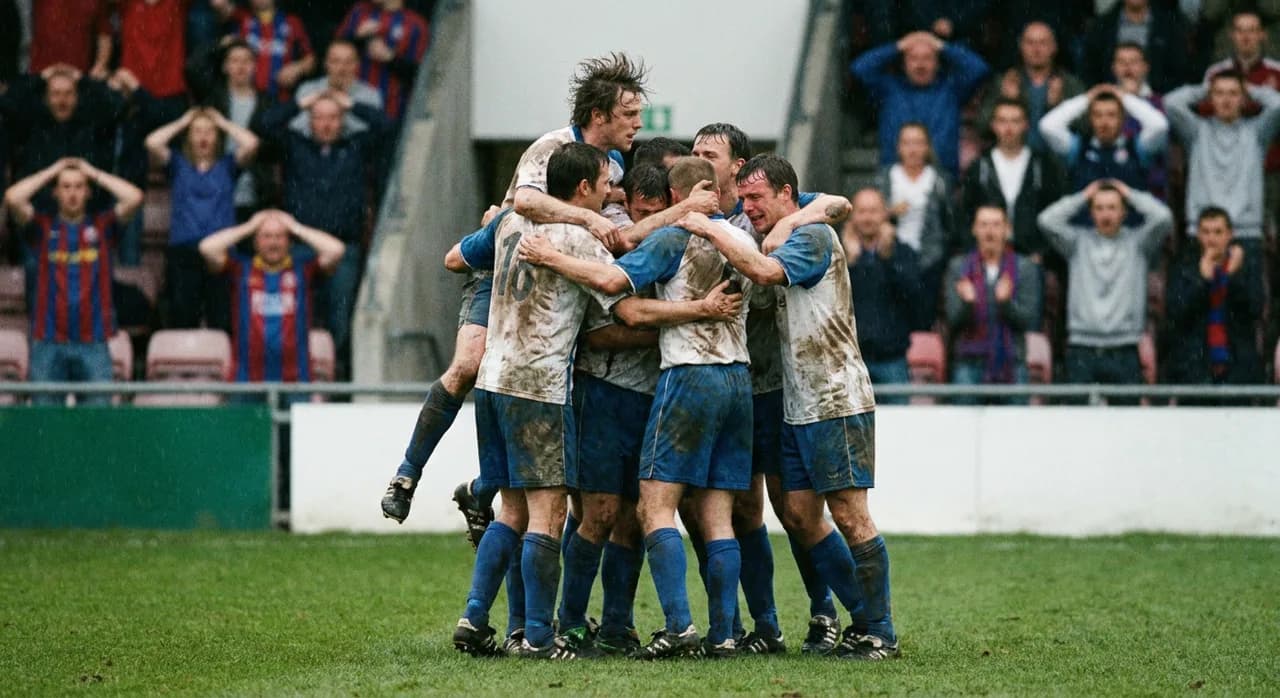
At 39, Lionel Messi continues to defy Father Time, but Cape Verde's game plan centered on ensuring the Inter Miami superstar never found the space to work his magic. Queiroz deployed a compact 5-4-1 formation that morphed into a 7-2-1 when Argentina had possession, with midfielder Jamiro Monteiro shadowing Messi's every movement. The strategy worked to perfection for 67 minutes, limiting Argentina to half-chances and forcing them into increasingly desperate attempts to break down Cape Verde's disciplined defensive structure.
Messi's frustration was palpable as wave after wave of Argentine attacks broke against Cape Verde's well-drilled defensive lines. His passing accuracy of 94 percent told only part of the story – these were largely sideways passes as Cape Verde successfully crowded out the central areas where Messi traditionally operates. The breakthrough finally came through an unlikely source: center-back Nicolás Otamendi, whose towering header from a corner kick gave Argentina the lead they desperately craved.
Cape Verde's response epitomized their tournament spirit. Rather than retreating further into their shell, they pushed forward with the fearlessness that had characterized their entire World Cup campaign. Striker Garry Rodrigues, the former Galatasaray winger who had tormented Belgium's defense, found pockets of space behind Argentina's advancing full-backs. His pace and directness caused genuine problems for an Argentine defense that looked every bit their collective age in the tournament's intense heat and humidity.
Atlanta Becomes Buenos Aires and Praia for 90 Minutes
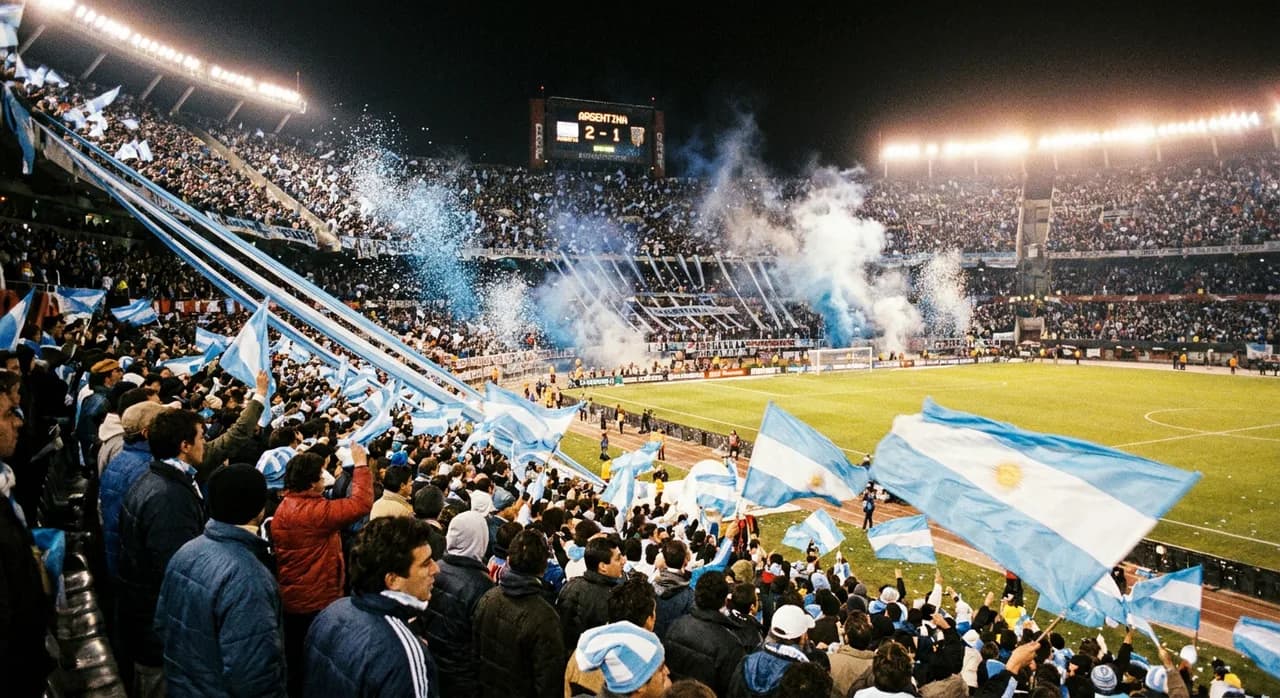
The Mercedes-Benz Stadium transformed into a cauldron of competing emotions as both sets of supporters created an atmosphere that will live long in World Cup folklore. Argentine fans, many having made the journey from their traditional strongholds in New York and Miami, dominated numerically but found their voices matched by Cape Verde's passionate following. The sight of both national anthems being sung with equal fervor – Messi visibly emotional during Argentina's anthem, Cape Verde players linking arms during theirs – provided one of the tournament's most stirring pre-match moments.
As the match wore on and Cape Verde continued to frustrate Argentina's attacking ambitions, the stadium's acoustics amplified every tackle, every near-miss, every desperate defensive intervention. When Cape Verde striker Ryan Mendes forced a spectacular save from Argentine goalkeeper Emiliano Martínez in the 78th minute, the eruption from the Cape Verde sections was so loud it registered on local seismic equipment. This was football at its most visceral and emotional.
The final whistle brought scenes of mutual respect that embodied the World Cup spirit. Messi was among the first Argentine players to seek out Cape Verde counterparts, embracing Queiroz and several Cape Verde players who had pushed him to his limits. Cape Verde's players left the field to a standing ovation from all sections of the stadium, their heads held high despite the 2-0 defeat that ended their remarkable World Cup journey.
Echoes of Giant-Killing World Cup History
Cape Verde's performance evoked memories of some of the World Cup's greatest underdog stories, from North Korea's stunning run to the quarter-finals in 1966 to Iceland's heroics at Euro 2016 and their subsequent World Cup debut in Russia 2018. While they couldn't quite pull off the upset that would have sent shockwaves through the football world, their approach and execution reminded everyone why the World Cup remains football's ultimate stage for dreams and surprises.
The tactical battle between Queiroz and Argentina's Lionel Scaloni provided a masterclass in World Cup knockout football strategy. Scaloni's eventual decision to switch to a 3-5-2 formation in the final 20 minutes, bringing on fresh legs in the form of Lautaro Martinez and Julián Álvarez, proved decisive. The width provided by this tactical shift finally stretched Cape Verde's compact defensive shape beyond its breaking point, creating the space for Martinez's decisive second goal in stoppage time.
This match also highlighted the evolving nature of international football, where tactical preparation and physical conditioning can level playing fields that once seemed impossibly steep. Cape Verde's average running distance of 117.3 kilometers as a team compared to Argentina's 112.1 kilometers told the story of their commitment to making this a contest of will as much as skill.
Quarter-Final Destiny Awaits the Champions
Argentina's reward for surviving Cape Verde's spirited challenge is a quarter-final showdown with Netherlands in Philadelphia, a rematch of their dramatic penalty shootout encounter from the 2022 World Cup quarter-finals in Qatar. The psychological scars from that match – which featured multiple confrontations and one of the most heated post-match interviews in World Cup history – ensure that July 4th's Independence Day clash will carry extra emotional weight.
The performance against Cape Verde revealed both strengths and vulnerabilities in Argentina's title defense. Their experience and individual quality ultimately prevailed, but their struggles to break down organized defensive units could prove costly against higher-caliber opposition. Messi's form remains encouraging – his assist for the second goal demonstrated the vision that continues to set him apart – but questions remain about Argentina's ability to control matches against teams willing to sit deep and counter-attack.
For neutral observers, Argentina's progression ensures that the tournament retains one of its most compelling storylines: Messi's quest to become the first player since Pelé to win consecutive World Cups as a key player. With France already eliminated by Germany in a stunning upset, the path to history appears more open than many predicted when the tournament began three weeks ago.
Practical Notes
The match was broadcast live across 47 networks globally, with Spanish-language coverage on Telemundo drawing particularly strong ratings in the United States. Fans attending future Argentina matches should note that La Albiceleste's traditional sky blue and white jerseys have become the tournament's most popular replica shirt, leading to supply shortages at official FIFA stores. Security recommendations for the quarter-final in Philadelphia include arriving at Lincoln Financial Field at least two hours before kickoff due to expected crowds.
Argentina's training sessions at the University of Pennsylvania remain closed to the public, but fans can catch glimpses of players arriving and departing at the team hotel in Center City Philadelphia. The Argentine Football Association has announced a fan festival in Rittenhouse Square for match day, featuring live music, traditional food vendors, and giant screens for supporters without tickets to the sold-out quarter-final clash.
Tags
#WorldCup2026 #FIFA2026 #Argentina #CapeVerde #Messi #Atlanta #MercedesBenzStadium #RoundOf16 #DefendingChampions #WorldCupUpset #Scaloni #Queiroz #PhiladelphiaNext #LionelMessi #WorldCupAtlanta
Sources consulted: fifa.com · espn.com
All trademarks, logos, and brand names mentioned are the property of their respective owners.
Want to join Argentine fan celebrations, find the nearest empanada spot, or watch the champions' next match? Ask Karpo for the latest Argentina updates, a fan gathering map, and a live route to the post-match celebration.