 Haaland Has Seven Goals and Norway Runs Entirely Through Him
⚽️2026 FIFA WORLD CUP
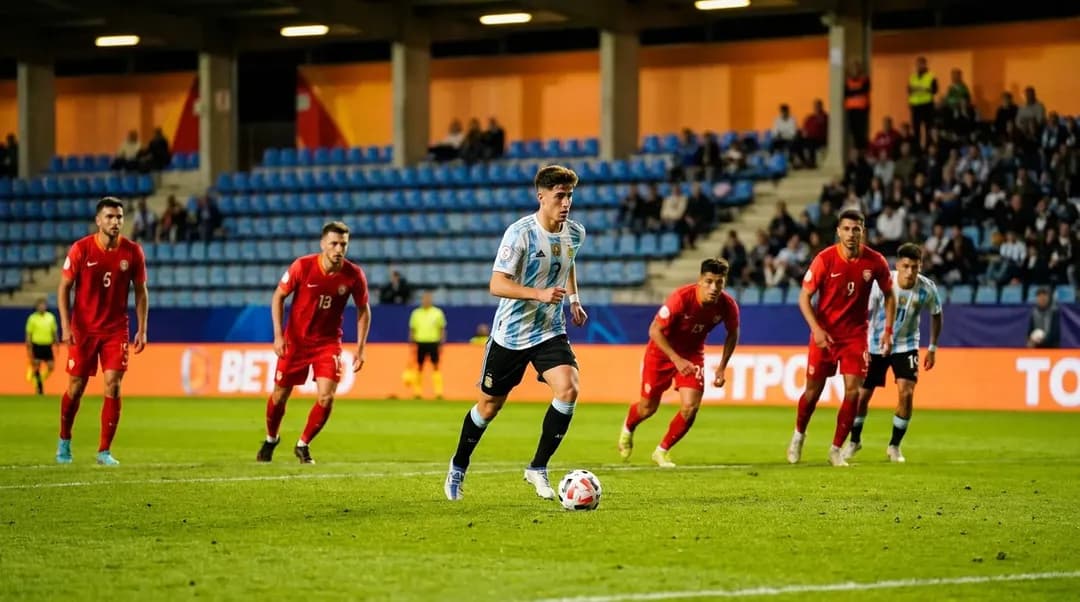
Argentina’s Broken Transitions Left Messi Without Enough Support
Spain's disciplined midfield strangled Argentina's buildup at the MetLife Stadium, forcing the aging superstar to operate in isolation. The absence of clean transition play prevented Messi from influencing the 2026 World Cup final.
Argentina failed to register a single shot until extra time in their 1-0 World Cup final defeat to Spain at MetLife Stadium in East Rutherford. The South American champions struggled throughout as Spain controlled long stretches of the match, with 39-year-old Lionel Messi unable to impose himself on the contest. The tactical breakdown began immediately after Argentina won back possession, where broken transitions prevented the ball from reaching dangerous areas.
Text Karpo to dive deeper into transition patterns and possession breakdowns that shaped this final. Our experts can explain how Spain neutralized Argentina's attacking threats through systematic pressing schemes.
The First Pass Problem
Argentina's defenders and defensive midfielders consistently failed to deliver accurate first passes after regaining possession. Spain's front line positioned themselves to cut off vertical passing lanes, forcing Argentine ball-winners to make safe but sideways passes that allowed Spain's midfield to reset their defensive shape. This pattern repeated throughout the ninety minutes, with Argentina unable to establish any rhythm in their buildup play.
The compressed nature of Spain's formation meant that even when Argentina did complete a first pass forward, the receiving player faced immediate pressure with limited options. Spanish midfielders showed exceptional discipline in maintaining their positional structure, rarely committing too many players forward during their own attacks and always keeping sufficient numbers to suffocate Argentina's counters. The first pass became a dead end rather than a launching pad.
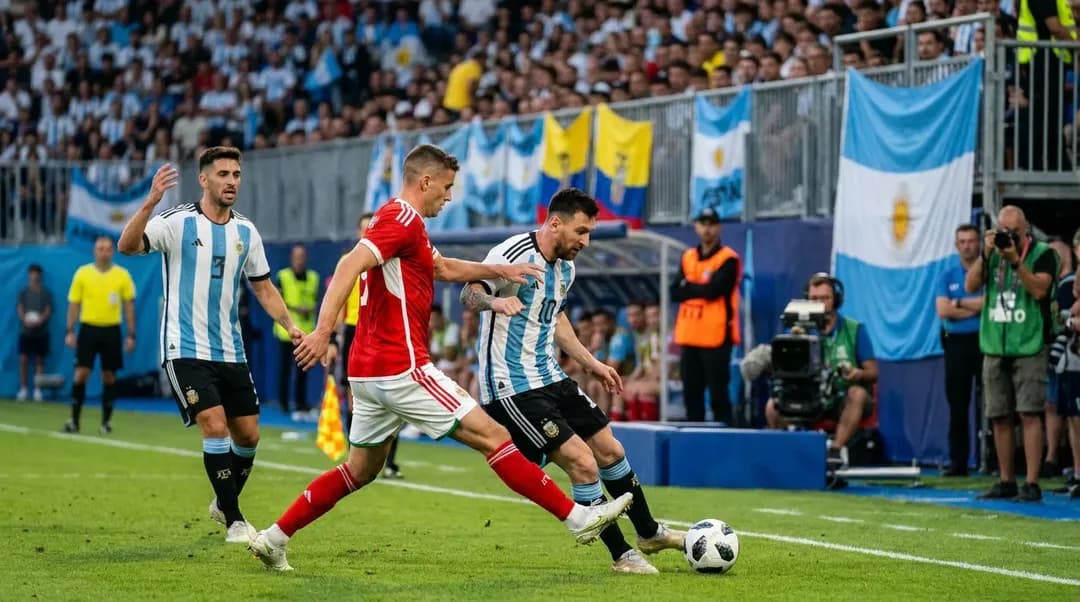
Second Pass Failures Compounded the Issue
Even on the occasions when Argentina's first pass found a teammate in a reasonable position, the second pass consistently broke down. Spanish players demonstrated superior anticipation, reading where the ball would travel next and arriving at those spaces before Argentine attackers could exploit them. This second-phase interception pattern proved particularly devastating because it often left Argentina with players committed forward but no way to support them.
The technical execution of Argentina's second passes also deteriorated as the match progressed. Whether due to the physical demands Spain imposed or the psychological weight of repeated failures, Argentine midfielders rushed their decision-making and delivered passes behind teammates, too heavy into space, or directly into Spanish feet. Without clean second passes to advance the ball into the middle third, Argentina never established territorial control or created the numerical advantages necessary to threaten Spain's organized defense.
Messi's Isolation at 39
At 39 years old, Messi no longer possesses the physical capacity to drop deep repeatedly to collect the ball and still have the energy to carry it into dangerous positions. The broken transitions meant he spent the match waiting for service that never arrived in threatening areas. Spain's defensive structure ensured that when the ball did reach him, he faced multiple defenders with little support from teammates who were still recovering position from the previous defensive action.
The contrast between this performance and Messi's earlier career highlights how dependent elite playmakers become on functional team structures as they age. Where a younger Messi might have compensated by dropping into midfield or even his own half to force the issue, the 39-year-old version needed his teammates to deliver the ball to him in positions where his remaining technical brilliance could still unlock defenses. That service never materialized, leaving one of football's greatest players as a frustrated spectator for long stretches of the final.
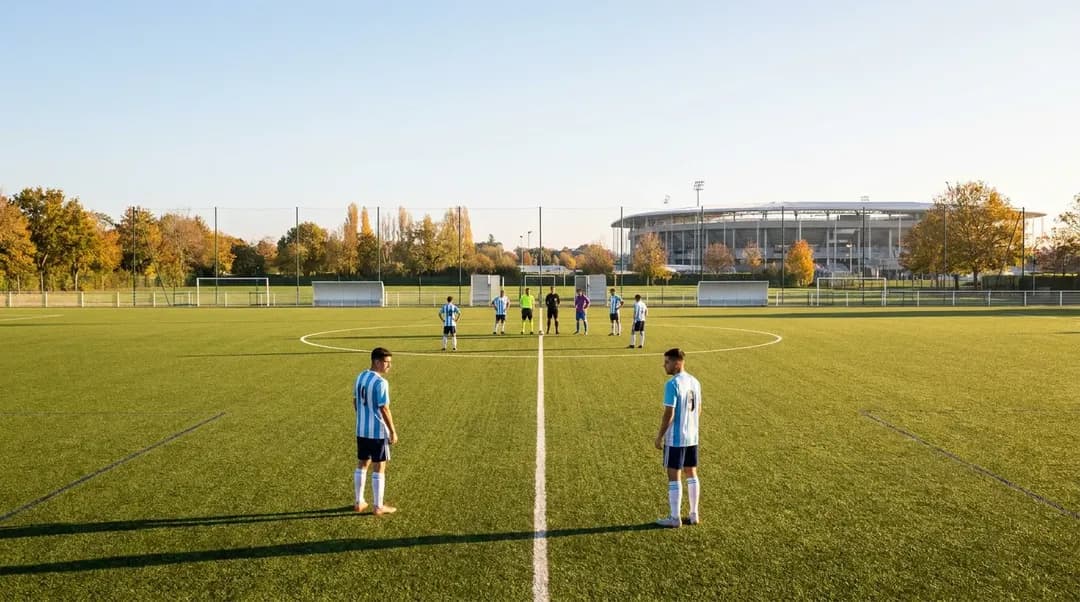
Spain's Disciplined Defensive Shape
Spain's ability to control long stretches of the match stemmed directly from their defensive organization when out of possession. Their midfielders maintained narrow lanes that forced Argentina wide, while their defensive line stayed compact and high enough to prevent balls over the top. This positioning meant Argentina's transition opportunities almost always began from wide areas where Spain could funnel play toward the touchline and reduce passing angles.
The Spanish press operated with surgical precision, identifying the moments to engage aggressively and when to drop into shape. They recognized that Argentina's first-pass options were limited and positioned themselves to intercept or pressure the second pass, effectively defending two actions ahead. This tactical maturity meant Spain never overcommitted to winning the ball back immediately but instead created traps that caught Argentina in vulnerable transition moments with poor spacing and limited support angles.
The Shot Drought Tells the Story
Argentina's failure to record a shot until extra time represents an extraordinary offensive collapse for a team that entered the tournament as reigning champions. The statistic reveals not just poor finishing or bad luck, but a complete inability to progress the ball from defensive recovery into the attacking third. Without successful first and second passes, Argentina never created the platform from which shots emerge naturally in modern football.
The shot drought also demonstrates how Spain's tactical approach strangled Argentina's creativity at the source. By winning the transition battle decisively, Spain ensured that Argentina's rare moments in possession became isolated incidents rather than sustained attacks. The longer the match progressed without Argentina threatening, the more confidence Spain gained in their approach and the more desperate Argentina's attempts to bypass the structured buildup became, further degrading their already struggling transition play.
Systemic Breakdown in East Rutherford
The MetLife Stadium witnessed not individual failures but a systemic collapse in Argentina's transition game. From defenders under pressure to midfielders unable to turn and face forward to attackers isolated without support, every phase of Argentina's offensive structure malfunctioned simultaneously. Spain deserves credit for implementing a game plan that exposed these vulnerabilities, but Argentina's inability to adapt or find solutions across 120 minutes raises questions about their preparation and tactical flexibility.
The 1-0 scoreline in extra time reflected Spain's territorial dominance and Argentina's offensive impotence. With Messi in the twilight of his career and unable to compensate for collective failures through individual brilliance, Argentina needed their supporting cast to deliver functional transition play. The broken first and second passes after regaining possession ensured that never happened, leaving Argentina without sustained attacks and Messi without the platform to perform one final piece of World Cup magic in North America.
Tags: #WorldCup2026 #ArgentinaSpain #LionelMessi #TransitionPlay #TacticalAnalysis #SpainWins #WorldCupFinal #MetLifeStadium #FootballTactics
All trademarks are the property of their respective owners.
Ask Karpo First
Before your next match viewing, reach out to understand how transition phases determine outcomes at the highest level. Karpo's tactical breakdowns help you see beyond the ball and recognize the patterns that separate champions from contenders in tournament football.
Ask Karpo for more information.
Keep reading
- Haaland Has Seven Goals and Norway Runs Entirely Through Him
 World Cup Trophy Ceremony Timing Medals and Postmatch Celebrations
 Olise and France's Attack: The Semifinal Tactical Question