 Haaland Has Seven Goals and Norway Runs Entirely Through Him
⚽️2026 FIFA WORLD CUP

Argentina’s Repeat Bid Ended After a Scoreless Ninety Minutes
Argentina arrived in East Rutherford as the defending 2022 world champion. Spain’s 1-0 extra-time win ended the repeat bid after a scoreless ninety minutes.
Argentina’s attempt to defend the World Cup ended in East Rutherford after a final that stayed locked at 0-0 through ninety minutes before Spain won 1-0 after extra time. The result closed the 2026 tournament with the 2022 champion denied a repeat title, turning a night of endurance into the formal end of a reign. For Argentina, the defining frame is simple and stark: the holders reached the last match, resisted through regulation, but could not carry the crown beyond the extra period against Spain in the New York City area.
Text Karpo now for a personalized final-recap plan: get the key result, a no-invention match summary, ideas for where to watch highlights, and a city-specific food or celebration plan built around how you followed Argentina, Spain, or the 2026 final.
The repeat bid lasted beyond regulation
Argentina entered the final with the status every defending champion carries: the chance to turn one title into two in succession. That pursuit reached its final test in East Rutherford, where the holders faced Spain with the 2026 trophy at stake. The match did not produce a winner during the scheduled ninety minutes, which meant Argentina’s defense of the title remained alive at the end of regulation. The scoreless ninety created a narrow bridge between survival and loss, with extra time deciding whether the reign would continue.
The decisive fact is that Spain won 1-0 after extra time, ending Argentina’s run as defending champion. That outcome separates the story from any broader speculation about mood, future decisions, or private reaction. Argentina did enough to keep the final level through regulation, but the repeat attempt required more than reaching extra time. Once Spain finished ahead after the additional period, the champion’s defense was over, and the official record of 2026 became Spain as winner and Argentina as beaten finalist.
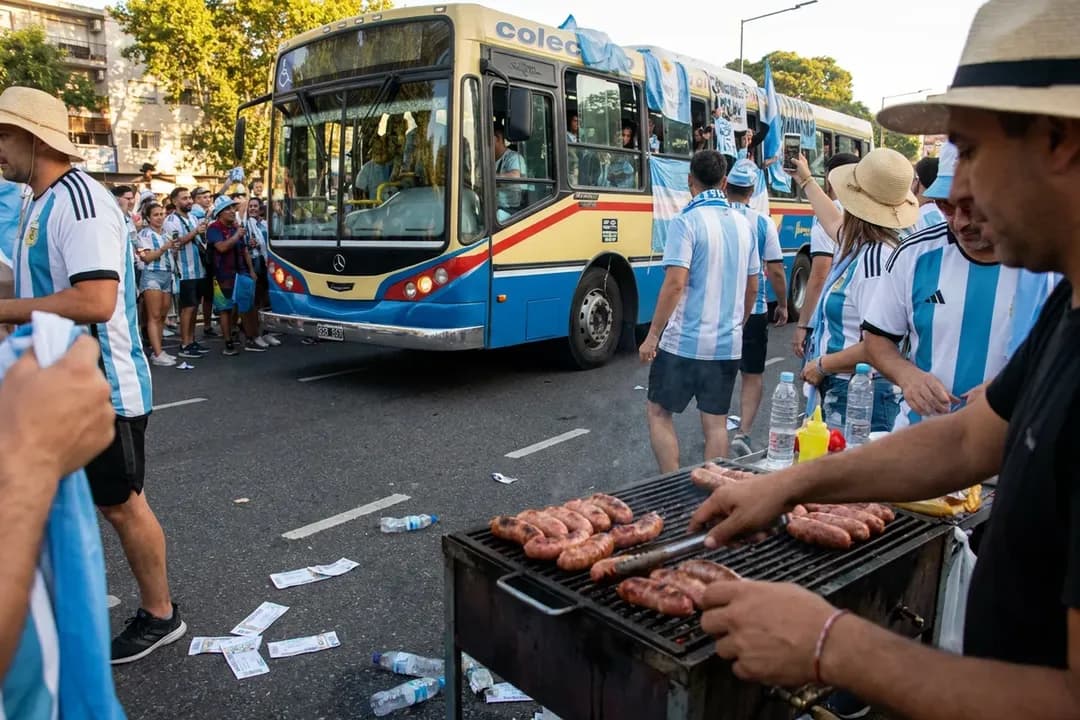
Why a scoreless ninety mattered
A scoreless ninety minutes gave the final a specific shape. It meant Argentina’s title defense did not collapse early, and it also meant Spain had not solved the match inside the standard period. For spectators following the champion’s repeat attempt, regulation ended with suspense rather than conclusion. The central tension became whether Argentina could extend its reign in the extra stage or whether Spain would use the added time to change the final’s direction and claim the trophy.
That regulation stalemate also made the ending feel sharper. When a defending champion loses after extra time, the defeat is not framed by a routine separation over ninety minutes. It is framed by proximity: Argentina was still level after the normal match length, yet the repeat bid still fell short. The final therefore turned on the extra period, where Spain’s 1-0 victory transformed a balanced scoreline into the definitive result that ended Argentina’s chance to remain world champion.
From 2022 champions to 2026 finalists
Argentina’s presence in the final was itself part of the title-defense story. The team did not enter 2026 as a neutral contender but as the reigning champion from 2022, carrying the weight of a completed triumph into a new tournament cycle. Reaching the final again placed Argentina one match from a repeat, the cleanest possible route to preserving the crown. That context is why the loss to Spain lands as the end of a specific mission, not simply the end of another campaign.
The final result creates a clear before-and-after. Before the extra-time defeat, Argentina still had a live path to consecutive titles. After Spain’s 1-0 win, that path was closed. The holders became the former holders, and the 2026 tournament moved into a new chapter with Spain at the top. Argentina’s run remains defined by how far the defense went, but the final line is unambiguous: the repeat attempt ended in the last match, after ninety scoreless minutes and extra time.
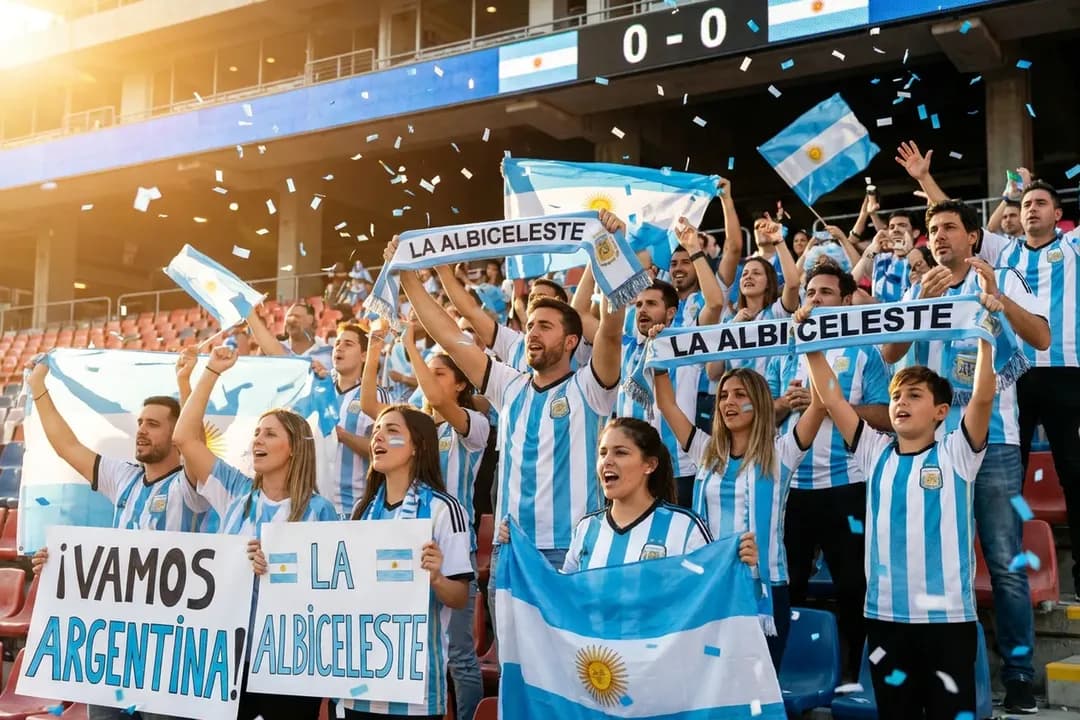
Spain supplied the ending, not the noise
The safest way to understand the final is through the confirmed result rather than imagined scenes around it. Spain defeated Argentina 1-0 after extra time. Argentina had entered as defending champion. The match was scoreless after ninety minutes. Those facts are enough to explain how the title changed hands. Anything beyond them, such as private dressing-room reaction or instructions not on the public record, is unnecessary to understand the meaning of the night for the defending champion.
Spain’s role in the story is decisive because it supplied the margin that Argentina could not erase. A repeat bid only survives if the champion finishes ahead, and Argentina did not. The scoreline did not need to be wide to be final. At 1-0 after extra time, Spain ended the holder’s reign by the thinnest confirmed margin. That is why the result reads as both a close final and a complete transfer of the World Cup title from the 2022 champion to the 2026 winner.
East Rutherford became the closing scene
The location adds a concrete frame to the ending. East Rutherford, in the New York City area of North America, hosted the final act of Argentina’s title defense. For a World Cup staged across 2026, the final location becomes more than a setting; it becomes the place attached to the decisive record. In this case, that record says Argentina’s defense reached East Rutherford, survived regulation, and ended only after Spain found the result in extra time.
For fans tracking the champion’s journey, the geography matters because it anchors memory. Argentina’s 2022 title belonged to one tournament cycle; the 2026 final in East Rutherford became the point where the next champion was confirmed. The match did not require a flood of verified incidents to carry significance. Its official shape is already strong: defending champion, scoreless ninety, extra time, Spain 1-0, repeat bid over. That sequence is the lasting map of the night.
What the result means for Argentina’s reign
Argentina’s reign did not end with an early exit or a distant finish from the trophy match. It ended in the final, after regulation failed to separate the teams and extra time produced Spain’s winning edge. That distinction matters. The defending champion pushed the repeat attempt to the last available stage of the tournament. Yet World Cup history records champions by final results, not by proximity, and the 2026 final result belongs to Spain.
The cleanest conclusion is also the most durable one: Argentina’s repeat bid ended because Spain won the final 1-0 after extra time. No further claims about retirements, dressing-room speeches, tactical choices, or private emotions are needed. The public record shows a champion that defended its title all the way to the final and then lost after a scoreless ninety minutes. That is the whole arc of the holders’ 2026 ending: close, extended, and ultimately final.
Tags: #WorldCup2026
Sources consulted: Associated Press final report · FIFA final hub · FIFA World Cup champions history
All trademarks are the property of their respective owners.
Ask Karpo First
Ask Karpo for a personalized 2026 final recap, a Spain-or-Argentina viewing plan, or a post-match food and city guide built around where you are.
Ask Karpo for more information.
Keep reading
- Haaland Has Seven Goals and Norway Runs Entirely Through Him
 World Cup Trophy Ceremony Timing Medals and Postmatch Celebrations
 Olise and France's Attack: The Semifinal Tactical Question