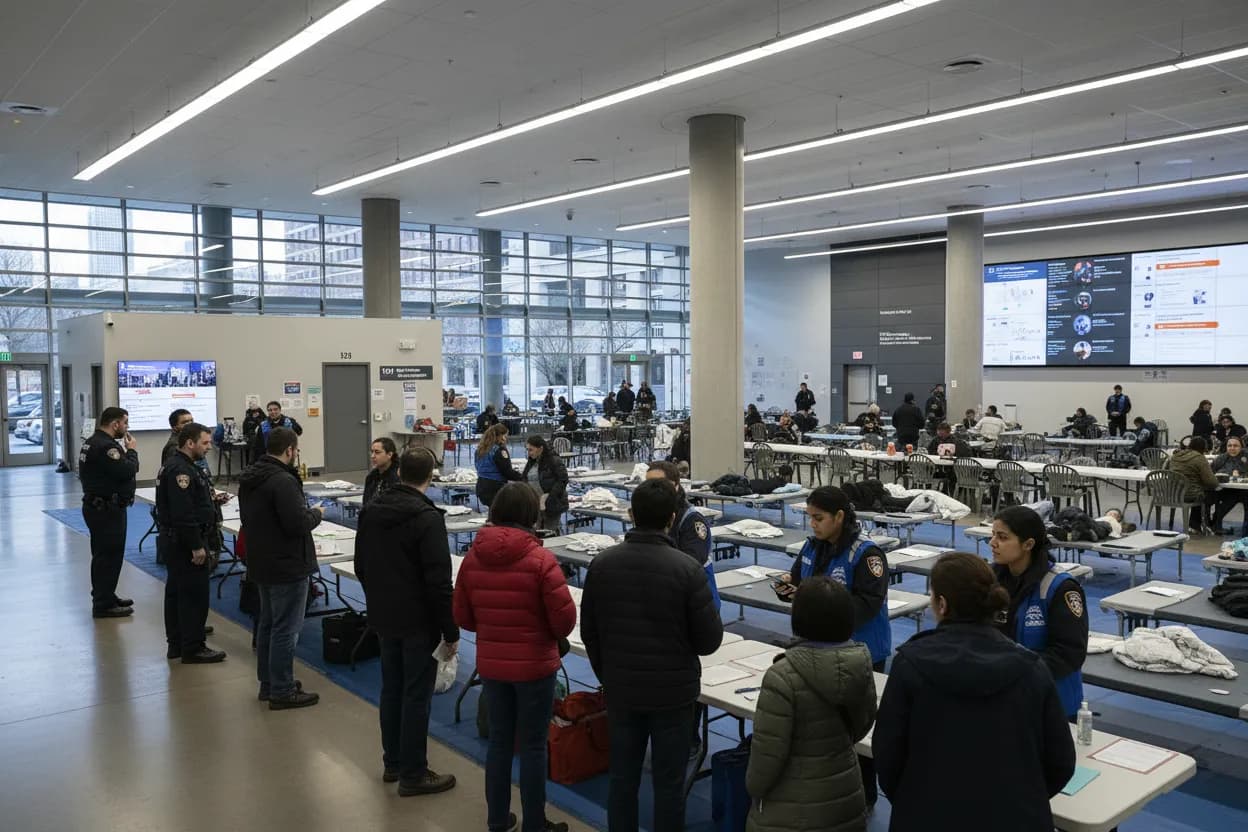
As news cycles churn with reports of severe weather, such as the recent Appleton tornado in Wisconsin, it's natural for New Yorkers to consider their own preparedness. While the dramatic events unfolding hundreds of miles away underscore the power of nature, it's crucial for NYC residents to focus on local conditions and official guidance. New York City faces its own unique weather challenges, from coastal storms to heavy thunderstorms and, on rare occasions, even tornadoes. This guide will help you understand how to separate national headlines from immediate local risks, prioritize official alerts, and implement a robust indoor safety plan. Your safety hinges on reliable information and proactive steps, not on distant anxieties.
Want real-time, actionable insights tailored to NYC's unique urban environment during severe weather? Text Karpo for instant access to preparedness resources and location-specific safety tips. Don't wait for an emergency; get smart, local guidance now.

Understanding Official Alert Systems for New York City
In New York City, your primary source for emergency information should always be official channels. The recent Appleton tornado serves as a stark reminder of how quickly weather can turn severe, but local alerts are tailored to our specific environment. NYC Emergency Management (NYCEM) operates Notify NYC, a free alert system that delivers critical updates directly to your phone via text, email, or app notifications. This system provides timely information on various hazards, including severe thunderstorms, flash floods, and potential tornado warnings, which are far more relevant than distant weather events.
To ensure you receive these vital alerts, visit nyc.gov/notifynyc or text NOTIFYNYC to 692-692. For Spanish speakers, text NOTIFYNYCES to the same number. Beyond Notify NYC, enable government alerts on your smartphone by checking your settings under 'Notifications' for iPhones or 'Safety & Emergency' for Android devices. These steps guarantee you're connected to the city's emergency communication infrastructure, providing a direct line to confirmed, actionable safety advisories rather than relying on general news reports.
Identifying Sturdy Indoor Shelter and Safe Zones
Should a severe thunderstorm or tornado alert be issued for New York City, knowing where to seek sturdy indoor shelter is paramount. Unlike rural areas, NYC's high-density urban landscape presents different challenges and opportunities for safety. The safest place during a tornado warning is typically an interior room on the lowest floor of a sturdy building, away from windows, doors, and outside walls. Basements are ideal, but for those in high-rise buildings, an interior hallway or bathroom offers better protection than a window-facing room.
Avoid elevators during severe weather, as power outages can leave you trapped. If you are in a large commercial building, follow the building's emergency plan and seek designated shelter areas. For residents in basement apartments, NYCEM advises moving to a higher floor if conditions worsen due to potential flash flooding. Prioritize locations that are structurally sound and offer maximum protection from flying debris, ensuring you are not near large panes of glass or exterior walls.
Creating a Household Emergency Plan and Go Bag
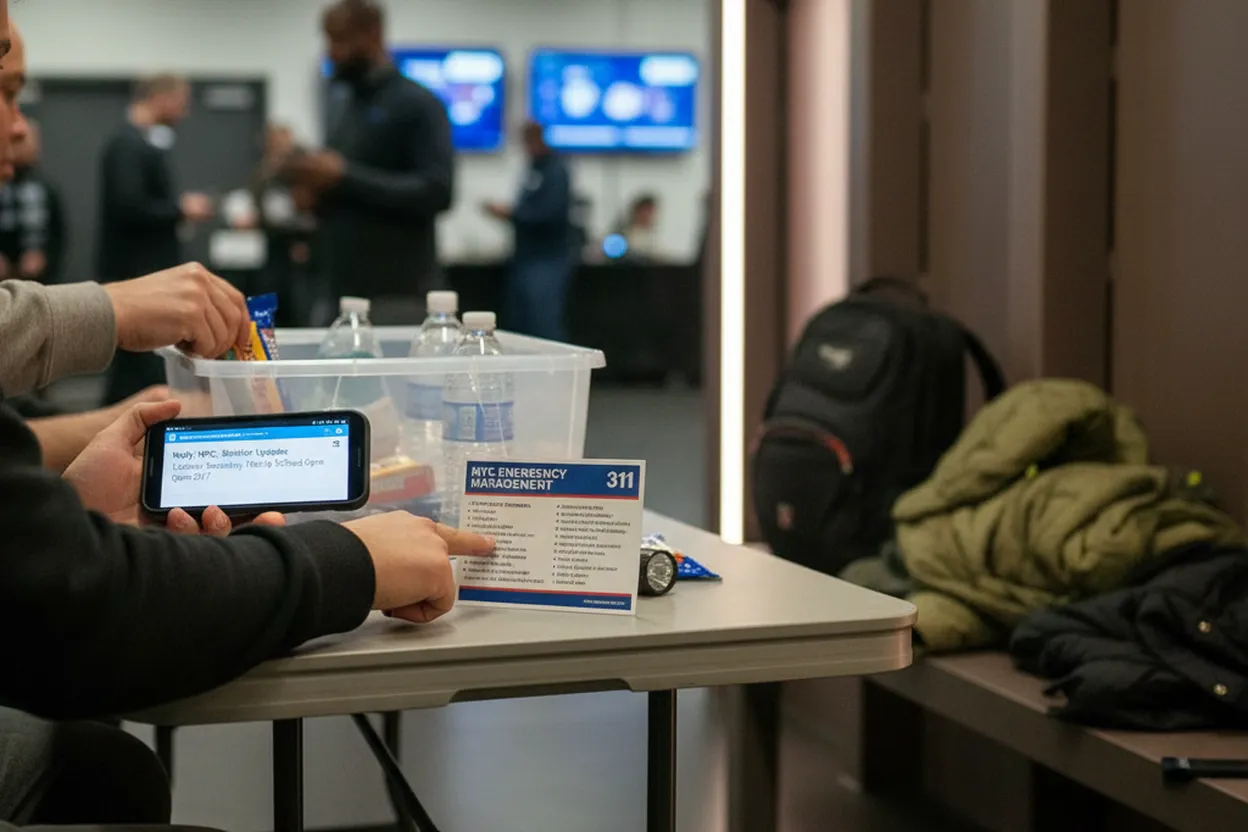
A well-thought-out household emergency plan is your blueprint for safety, irrespective of whether the immediate threat is an appleton tornado or a localized New York City storm. This plan should detail meeting points, communication strategies, and roles for each household member. Identify two meeting places: one immediately outside your home for sudden evacuations and another outside your neighborhood if returning home is impossible. Keep a written list of emergency contacts, as cell phone service can be unreliable during widespread outages.
Assemble a 'Go Bag' for each member of your household, ready for quick evacuation. This bag should contain essentials such as bottled water, non-perishable food, copies of important documents in waterproof bags, a flashlight, a battery-operated or hand-crank radio, extra batteries, and any necessary medications. Don't forget supplies for children, pets, or individuals with disabilities. Regularly check and refresh the contents of your Go Bag, especially expiration dates for food and medication.
Utilizing 311 for Non-Emergency Information and Resources
While 911 is reserved for life-threatening emergencies, 311 serves as a vital resource for non-emergency inquiries and accessing city services during and after severe weather events. If you have questions about cooling centers, shelter locations, or non-urgent storm damage reports, 311 is the number to call. This helps keep 911 lines clear for critical situations, ensuring those in immediate danger receive prompt assistance. Information about city-run cooling centers, for example, is updated via 311 and nyc.gov/beattheheat.
Beyond direct calls, the 311 website and mobile app offer a wealth of information, from reporting downed trees to finding information on power outages. During or after a severe thunderstorm, consulting 311 can provide clarity on local conditions, transportation disruptions, and available support services, allowing you to make informed decisions about your next steps without adding to the burden on emergency responders.
Distinguishing Official Warnings from Social Media Rumors
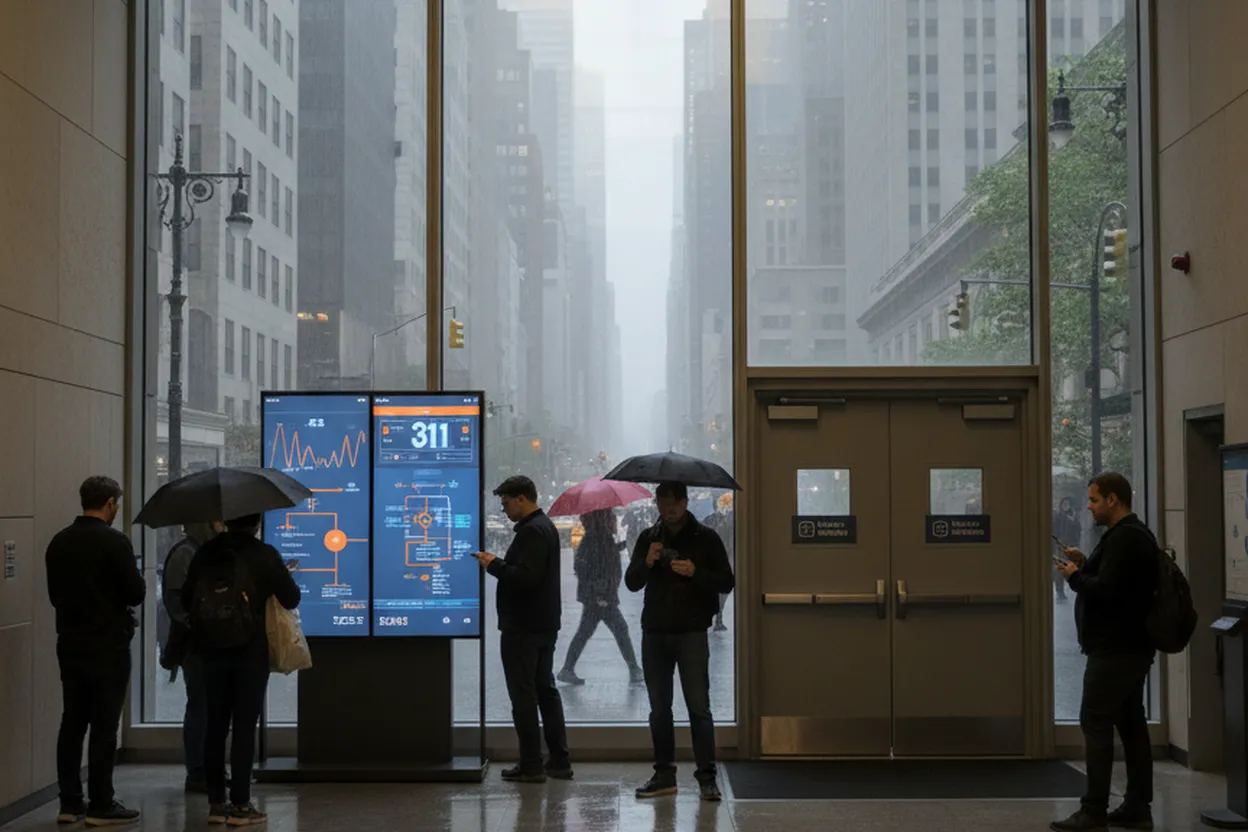
In the age of instant information, it's easy for rumors and misinformation to spread rapidly, especially during high-stress events like severe weather. The focus on the appleton tornado in national news can create a sense of generalized alarm. However, for New Yorkers, it is critical to rely solely on official sources like Notify NYC, the National Weather Service (weather.gov), and NYC Emergency Management for confirmed warnings and advisories. Social media can be useful for community updates, but always cross-reference information with official channels before taking action.
Be wary of sensationalized posts, unverified reports, or advice from unofficial accounts. Stick to trusted government agencies and reputable news organizations. This media literacy is a cornerstone of effective preparedness, allowing you to react appropriately to genuine threats while avoiding unnecessary panic or unsafe actions based on inaccurate information. Your safety depends on separating fact from fiction during an emergency.
Securing Balconies and Outdoor Items Proactively
New York City's urban environment, with its numerous balconies, rooftops, and outdoor spaces, presents unique considerations during severe weather. High winds, common during strong thunderstorms, can turn unsecured items into dangerous projectiles. Before any severe weather alert, take proactive steps to secure or bring indoors anything that could be blown away, including trash cans, lawn furniture, plant pots, and umbrellas. This also applies to items on balconies and patios in residential and commercial buildings.
For residents living near construction sites or scaffolding, be aware that high winds pose an increased risk from falling debris. While construction companies are typically responsible for securing these sites, maintaining vigilance and staying indoors during high wind warnings is crucial. A proactive approach to securing outdoor items significantly reduces the risk of property damage and potential injury to yourself and others.
Reviewing Insurance Policies for Wind and Flood Damage
Many New Yorkers mistakenly believe their standard homeowner's or renter's insurance policies cover all types of weather-related damage. However, this is often not the case, particularly for wind and flood damage. As events like the appleton tornado remind us of nature's destructive power, it's an opportune time to review your coverage. Standard policies may exclude or have limited coverage for these specific perils, which are significant risks in an area prone to coastal storms and severe thunderstorms.
Contact your insurance provider to understand the specifics of your policy. Consider adding supplemental flood or wind insurance, especially if you live in a flood-prone area or a building susceptible to wind damage. Being financially prepared for potential damage is as important as physical preparedness. Don't wait until after an event to discover gaps in your coverage; proactive review ensures you are adequately protected.
Tags: #AskKarpo #BeforeYouGo #NYCEmergency #WeatherReadyNYC #NotifyNYC #IndoorSafety #TornadoPreparedness #SevereWeatherNYC #NYCStorms #EmergencyPlan #GoBag #UrbanSafety #MediaLiteracy #BackToSchoolSafety
Sources consulted: Source 1: weather.gov · Source 2: nyc.gov · Source 3: nyc.gov · Source 4: nyc.gov
All trademarks are the property of their respective owners.
Ask Karpo first
Tell Karpo your date, group size, budget, and starting neighborhood. We’ll check current access, timing, transit, and the cleanest plan for Notify NYC, NYC Emergency Management guidance, 311, and sturdy indoor shelter before you head out.