A winger search is really a space search
When a young wide player trends during a tournament, casual fans often treat the search as a biography request. For Antonio Nusa, the better read is spatial. Fans want to know why danger keeps appearing on one side of the pitch, why a defender looks isolated, and why a simple pass into the channel suddenly feels like the match’s pressure point.
That means the article should not begin with hype. It should begin with where he receives the ball. A touch on the touchline asks him to beat a player. A touch inside the half-space asks him to combine or shoot. A run behind the line asks the passer to trust timing. Each version tells the reader a different story about Norway’s attack.
The first touch tells the tactical story
Watch Nusa’s first touch before judging the final action. If the first touch faces goal, the defense is already in trouble. If it has to go backward, the pass may have arrived too late or without support. If he receives with a fullback overlapping, the defender has a two-choice problem. If he receives alone, the whole attack may depend on individual pace.
This is useful for public viewing because the room usually reacts to the dribble, not the setup. A longform guide gives fans a slower lens. Who delivered the pass? Was the defender already backing up? Did the nearby midfielder create the angle? The dangerous moment starts before the highlight.
Fullback support changes the risk
A winger with support can be patient. A winger without support has to solve the duel quickly or recycle possession. Norway’s wide-channel threat depends partly on whether the fullback arrives early, late, or not at all. Early support creates overlaps. Late support creates a cutback option. No support turns the play into a test of one-on-one quality.
Fans should also watch what happens behind the attack. If the fullback goes high, who protects the space he leaves? A wide attack is not only an attacking story. It is a rest-defense story. The team has to decide whether the chance created is worth the space exposed if possession turns over.
The useful fan guide turns a search spike into a decision the reader can actually make.
How to read the defender across from him
The opponent’s fullback gives the second half of the story. If the fullback starts standing deeper after the first few attacks, Nusa has already changed the match even without scoring. If a midfielder begins sliding over to help, Norway may find space elsewhere. If the defender keeps stepping tight and winning contact, the wide threat may need a different passing angle.
This is the reason a player article should avoid only counting goals and assists. A winger can bend the shape of the opponent. He can force help, create caution, and slow the other team’s fullback from joining attacks. Those effects rarely fit inside a highlight caption, but they matter during a tournament.
The live-watch checklist
Use the first fifteen minutes as a test. Note which side Nusa starts on, whether he receives to feet or into space, and whether the first defender has help. Then watch the next fifteen minutes to see if the opponent adjusts. If the same channel keeps opening, the story is structural. If it appears once, the story may be a moment rather than a plan.
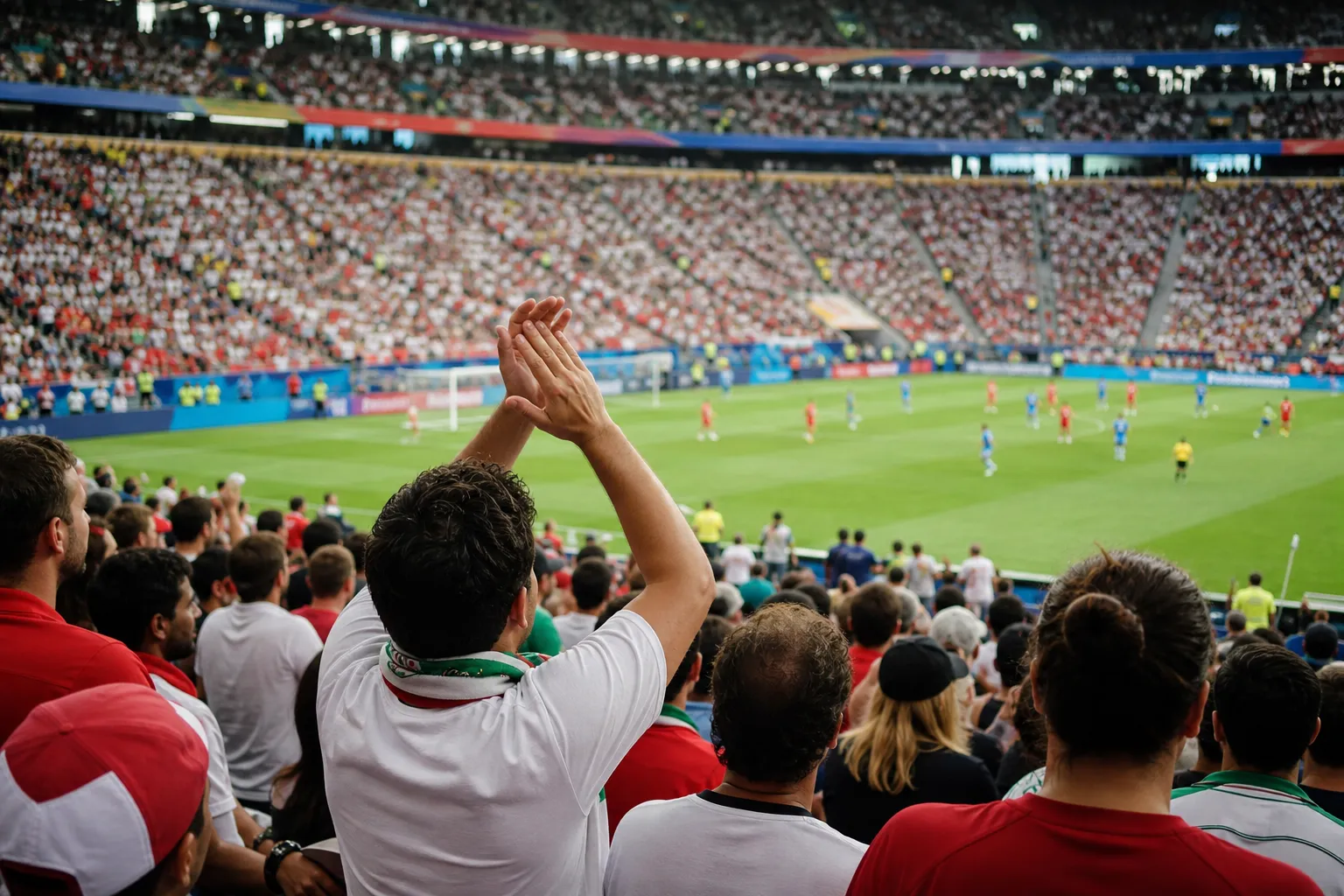
A good watch party can use this without becoming technical. One person watches the pass. One watches the overlap. One watches whether the defender backs up. That turns the room from a reaction space into a reading space, which is exactly what a longform World Cup guide should do.
- Starting side
- First-touch direction
- Fullback overlap
- Defender help
- Norway’s cover behind the attack
Practical notes
For fans choosing where to watch Norway, pick a room with a clear wide view of the screen. Close-up-heavy broadcasts can hide the run before the ball arrives, so commentary and replay quality matter. If the match is crowded, arrive early enough to claim a sightline that lets you see the full side of the pitch.
If Nusa becomes the match’s search spike, do not reduce the article to one clip. Track the repeated pattern: first-touch location, fullback support, defender adjustment, and whether the next Norway attack uses the same side. That is the difference between a viral moment and a genuine tactical theme.
Why the search can grow during the match
Nusa is the kind of player whose search interest can rise without a goal. A first dribble makes people look up his name. A second dribble makes the room ask whether the opponent has a plan. A third touch in the same channel turns the search into a live scouting report. That is why the article should prepare readers to notice pattern before output.
This also changes the next-match question. If Norway keeps finding the same wide route, future opponents may protect that side earlier. Fans should watch whether the next defense sends help before the first dangerous carry. When a winger becomes a tournament talking point, the adjustment often arrives before the goal does.
How this affects the watch plan
A winger-focused match rewards a room where the full screen is visible. If fans are watching from an angle that hides the far touchline, they may miss the run that explains the chance. That practical detail belongs in the article because it links player analysis to the real viewing experience.
For a public watch, arrive early enough to choose a line of sight that shows wide play. If the room is packed and the screen is blocked, the match may collapse into highlight reaction. If the screen is clear, fans can see the buildup and leave with a sharper understanding of why the search spiked.
Tags: #WorldCup2026 #FIFA2026 #WorldCupBuzz #MatchdayPlan #FanGuide #FootballFans #SoccerSearch #LiveSports #KarpoBuzz #AskKarpoFirst #WorldCupTravel #TeamNews
Sources consulted: Google Trends: antonio nusa · FIFA World Cup 2026 · FIFA fixtures
All trademarks are the property of their respective owners.
Ask Karpo first: Need the latest Norway match update, crowd fit, and a route that still works after full time? Ask Karpo before you head out.