 Where to Eat Near Penn Station That Isn't a Chain
US Open 2026
Amir Hassan News Style Journalism Workshops Near US Open Queens
Use the US Open in Queens as a smart backdrop for student reporting practice, media literacy conversations, and a better-planned day along the 7 train.
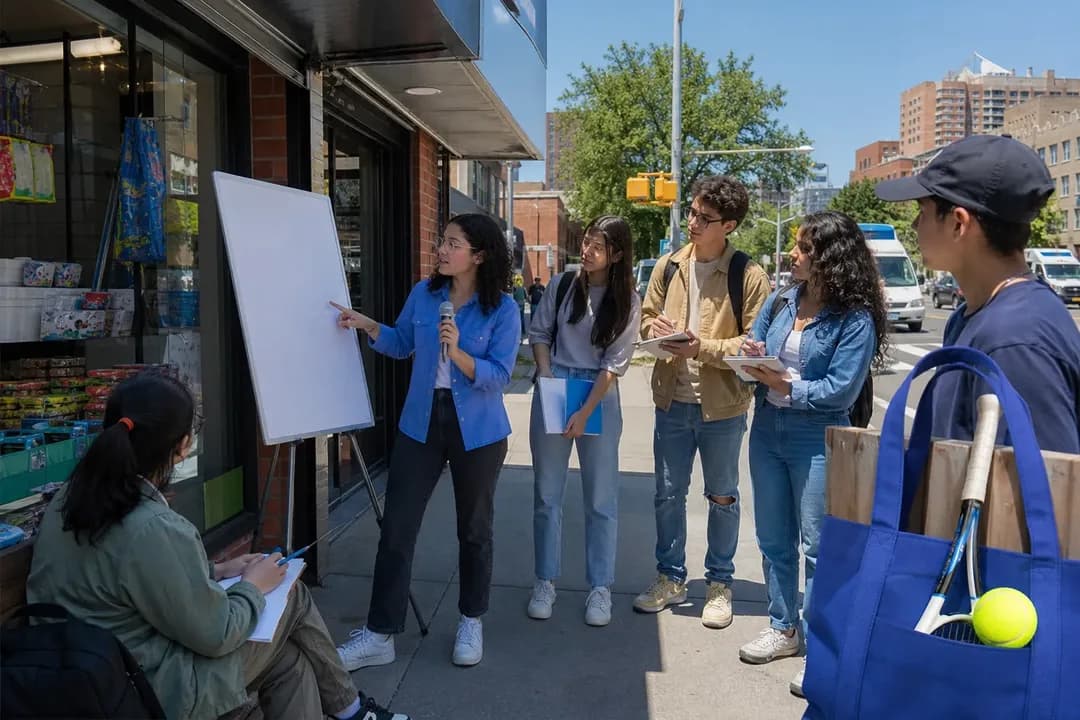
“Amir Hassan” may be the discovery hook that brought you here, but the useful New York question is broader: how should journalism students, media clubs, and curious visitors plan a reporting-focused day in Queens during 2026 US Open week without getting swallowed by crowds, transit choices, and half-formed assumptions? Flushing Meadows is one of the best real-world classrooms in the city. You have a major international sports event, neighborhood movement along the 7 train corridor, public space, museums, food stops, fan rituals, signage, security rules, and dozens of small choices that shape what visitors actually experience. A news-style workshop near the US Open should not try to manufacture celebrity or athlete angles. It should train students to observe carefully, verify publicly available information, respect private people, and turn a busy local moment into accurate, useful reporting.
Text Karpo with your US Open session time and Queens starting point, and we’ll turn this Media literacy and reporting seminars in Flushing for journalism students during tennis tournament week into a practical local plan.
Start With The Assignment, Not The Spectacle
The US Open can make everything feel urgent, but a strong student workshop starts with a narrow reporting brief. Instead of “cover the tournament,” frame the day around one practical local question: how visitors navigate Flushing Meadows, how the 7 train corridor supports event travel, how public parks absorb international attention, or how students can separate observed facts from assumptions. That gives the group something concrete to investigate without leaning on rumors, private individuals, or unverified online chatter.
For a news-style seminar, ask students to prepare three layers before they arrive: official facts from the event and transit sources, place context about Queens and Flushing Meadows Corona Park, and a simple observation plan. The best field notes will probably not be dramatic. They may be about wayfinding signs, visitor questions, station crowd flow, where people pause before entering the grounds, or how neighborhood businesses appear to serve tournament-week foot traffic. Those details are valuable because they are observable and useful.
Use Flushing Meadows As A Reporting Classroom
Flushing Meadows Corona Park gives students a wide lens. It is not just a backdrop for tennis. It is a major Queens park with civic landmarks, open space, museums nearby, athletic fields, and paths that connect different kinds of visitors. During US Open week, the same area can hold tennis fans, families, museum visitors, park regulars, commuters, and students trying to understand how a global event sits inside everyday local life.
A good workshop route can begin outside the busiest entry points, where students practice describing what they can actually see: signs, pedestrian patterns, public art, the feel of plazas and paths, and how people make decisions when they reach a fork in the route. The lesson is simple but important: reporting is not a search for the loudest quote. It is disciplined attention, backed by verification.
Build The Day Around The 7 Train Corridor
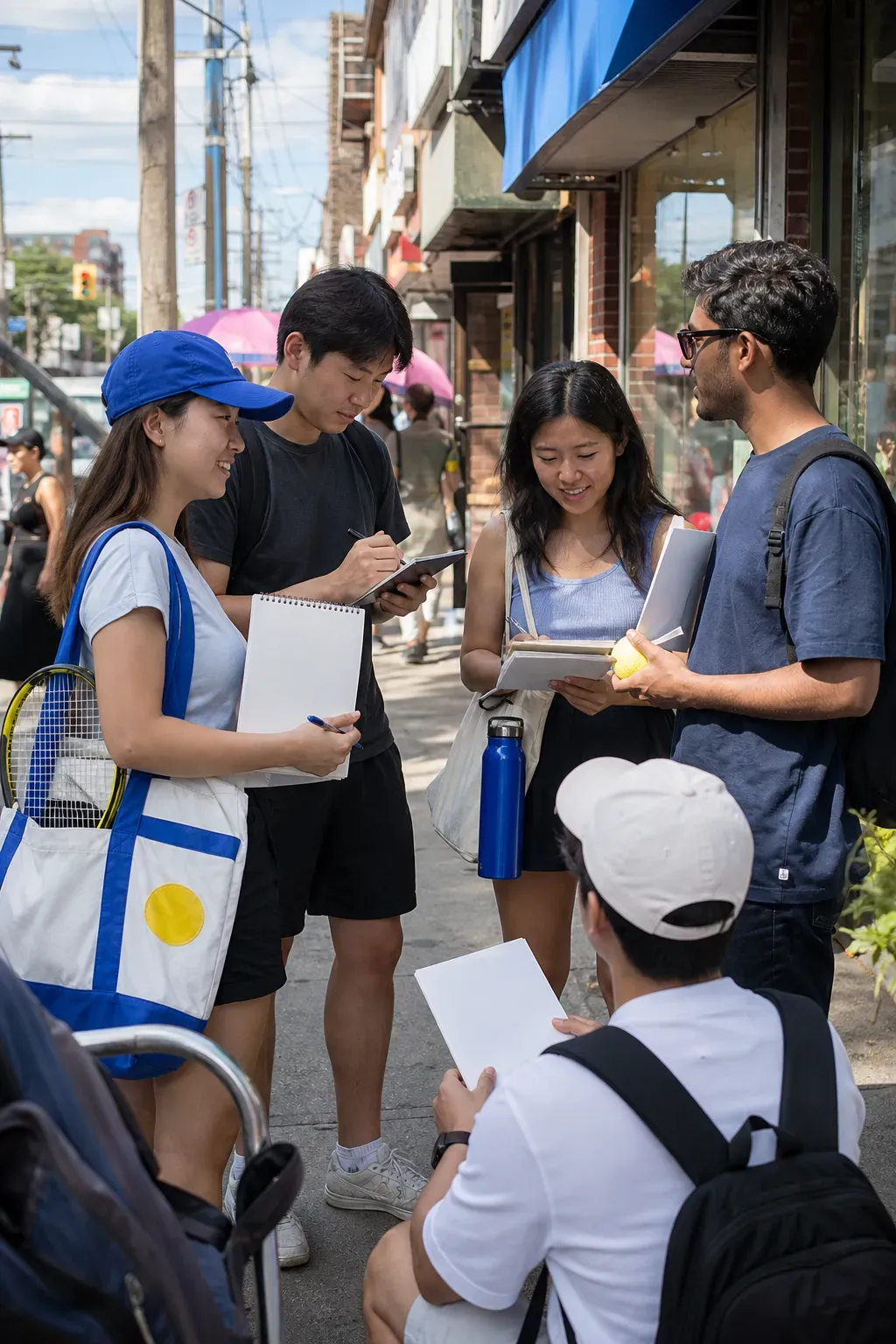
The 7 train corridor is the spine of many Queens US Open plans. It connects Manhattan, Long Island City, Sunnyside, Woodside, Jackson Heights, Corona, and Flushing, giving student groups a practical way to think about movement, neighborhood context, and time buffers. The MTA publishes an official US Open transit guide, and the US Open publishes its own transportation directions, so those should anchor any route plan before students add local stops.
For a seminar, the 7 train also creates a useful reporting exercise: compare how a visitor’s experience changes depending on where the day begins. Long Island City may feel like a hotel-and-transit staging point. Jackson Heights and Corona can prompt conversations about food corridors, multilingual street life, and neighborhood density. Flushing brings students closer to the event zone and to one of New York’s most important dining and shopping districts. None of this requires inventing a trend. The corridor itself is the story engine.
Plan A Workshop That Respects The Venue
The US Open’s official schedule, visitor A-Z guide, transportation page, and prohibited-items guide should be treated as required reading. Students should know what session they are planning around, how the venue frames visitor entry, what items are restricted, and where official information can change. A reporting workshop should never promise that a bag, camera setup, sign, outside food item, or recording plan will be allowed. Check the official rules close to the visit and keep the seminar equipment simple.
This is also a media literacy lesson. If a social post says one thing and the official venue guide says another, students should learn to cite the official guide and explain what remains uncertain. If they interview visitors, they should identify themselves, ask clear consent-based questions, avoid photographing private people in sensitive ways, and understand that a crowd is not the same as permission. The goal is to leave with sharper judgment, not just content.
Queens Stops That Add Context
The strongest local plan usually includes a pause outside the tournament footprint. Depending on timing, students might build in a cafe stop near Flushing, a deli or casual food break along the 7 line, a bookstore browse, a gallery visit in Long Island City or Astoria, or a museum-centered detour near the park. The point is not to pack the day with errands. It is to help students see how a major event touches ordinary city routines: breakfast before a session, a station transfer, a public bench, a storefront window, a hotel lobby plan, or a post-event meal.
Because hours, access rules, and availability can change, treat every stop as tentative until checked through official museum, park, venue, transit, and business sources close to the visit. A good student itinerary should have one primary plan and one simple backup. That keeps the day useful even if a line is too long, a group needs a quieter place to debrief, or the route needs to be shortened.

What Students Should Practice On Site
A reporting seminar near the US Open should give students jobs that match real newsroom habits. One student can track official facts and source links. Another can map the route and note decision points. Another can collect short, consent-based visitor impressions. Another can focus on language, signage, and accessibility observations without making claims they cannot verify. A final student can serve as editor, asking: what do we know, how do we know it, and what should we leave out?
The best outputs might be a short service article, a photo essay with careful captions, an audio diary about transit planning, or a media literacy checklist for first-time event visitors. Keep the emphasis on usefulness. Readers do not need vague excitement. They need clear context: where the park sits, how transit planning works, why official rules matter, what parts of Queens might be worth exploring respectfully, and what should be checked again before departure.
Practical Notes
- Confirm the 2026 US Open session date and entry rules on the official US Open site before building the final route.
- Use the MTA’s official US Open guidance and current service information when planning 7 train travel.
- Keep field equipment minimal and check the prohibited-items guide before bringing bags, tripods, microphones, or signs.
- Build a short debrief stop into the plan, ideally away from the busiest entry and exit points.
- Do not promise exact travel times, open seats, short lines, player appearances, celebrity sightings, business hours, or same-day availability.
- For restaurants, cafes, bookstores, galleries, museums, and park facilities, verify details directly with the official source close to the visit.
A Smart Route Frame
A clean student-friendly route could begin with a briefing at a hotel, campus, library, or cafe near the 7 train, then move toward Flushing Meadows with a small set of reporting questions. On arrival, students can observe wayfinding, visitor flow, and the relationship between the park and the event. After the main session or fieldwork window, the group can step back into Flushing, Corona, Jackson Heights, Long Island City, or Astoria for a debrief that connects the event to Queens local life.
That structure keeps the day grounded. The US Open provides the event pressure. Queens provides the local context. The reporting workshop provides the discipline. And media literacy ties the whole thing together: official sources first, observation second, interpretation last.
US Open and related marks belong to their respective owners. Karpo is not affiliated with or endorsed by the US Open, USTA, MTA, NYC Parks, NYC Tourism, or NYC Department of Consumer and Worker Protection.
Tags: #USOpen2026 #Queens #FlushingMeadows #KarpoFinds #Karpo #amirhassan #NewYorkLocal #TennisTravel #NYCLocalLife #TennisTravel
Sources consulted: usopen.org — Official event schedule · usopen.org — Official visitor A-Z guide · usopen.org — Official transportation directions · usopen.org — Official prohibited-items guide · MTA — Official US Open transit guide · NYC Parks — Flushing Meadows Corona Park · NYC Tourism — Queens · NYC Department of Consumer and Worker Protection
All trademarks are the property of their respective owners.
Ask Karpo first
Want to know what is actually open, how to time the trip, and where to pause around Queens? Ask Karpo for the latest public US Open context, a respectful visitor plan, and a live route around Flushing Meadows before you head out.
Ask Karpo for more information.
Keep reading
- Where to Eat Near Penn Station That Isn't a Chain
 Andytown Coffee in the Outer Sunset: The Snowy Plover Explained
- Best Things to Do in Chicago: What the City Gives Away