 Where to Eat Near Penn Station That Isn't a Chain
US Open 2026
American Women Who Could Shape the US Open 2026
This tactical guide explains how American women could influence the US Open 2026 through hard-court skills, pressure management, and observable form signals.
For US tennis fans and New York visitors, the American women’s story at the 2026 US Open should be followed less like a prediction board and more like a tactical map. Until the tournament publishes its official entry list, seeds, draw, and order of play, no player’s participation, path, court assignment, or session timing should be treated as settled. That uncertainty matters because a player’s strengths change meaning once opponents, conditions, and scheduling are known. A first-strike hitter may look dominant in one matchup and rushed in another. A defender with elite movement may become more dangerous if heat, humidity, crowd noise, and long rallies turn matches into physical tests. The better fan question is not simply which American will win. It is which tactical profiles are built to matter on late-summer hard courts, and which signs can be observed once play begins.
Text Karpo Now: Tell us what matters most for American Women Who Could Shape the, and Karpo can turn current US Open updates into a practical plan before you go.
Why Archetypes Matter
The US Open can reward several tennis identities. Hard courts often support aggressive serving, clean first strikes, and early ball control, but New York also tests legs, patience, and emotional discipline. Loud sessions, changing shadows, swirling stadium air, and sudden momentum swings can punish players whose plans are too narrow. That is why American contenders are best grouped by how they create pressure rather than by unsupported assumptions about rankings, seeding, or draw position.
A power player can shorten points and rush opponents who prefer rhythm. A counterpuncher can turn pace against hitters and make tense opponents hit one more ball. A versatile all-court player can change height, direction, and net position to avoid predictable rallies. A returning specialist can make even strong servers feel inspected on every service game. None of these profiles guarantees a deep run, and no one should be treated as confirmed until official information appears. But archetypes help fans read matches in real time instead of reacting only to the score.
Power And First Strike
One obvious American hard-court archetype is the first-strike baseliner. Madison Keys and Danielle Collins are useful examples if they are in the field: both are associated with heavy pace, direct court positioning, and the ability to hit through opponents before rallies become neutral. On a hard court, that style can be decisive because clean contact is rewarded. It also places a premium on first-serve percentage, second-serve protection, and shot selection when the scoreboard tightens.
For fans, the early clue is not simply winner count. Watch whether the power player is earning short balls with the serve and return, then finishing from balanced positions. If big hitting comes mostly from stretched or rushed contact, errors can arrive in clusters. If the player is stepping inside the baseline after the first two shots, the match can tilt quickly. Against elite movers, the key question is whether the American hitter can attack safely to both corners rather than relying on one favorite pattern. Power is most reliable when paired with structure.
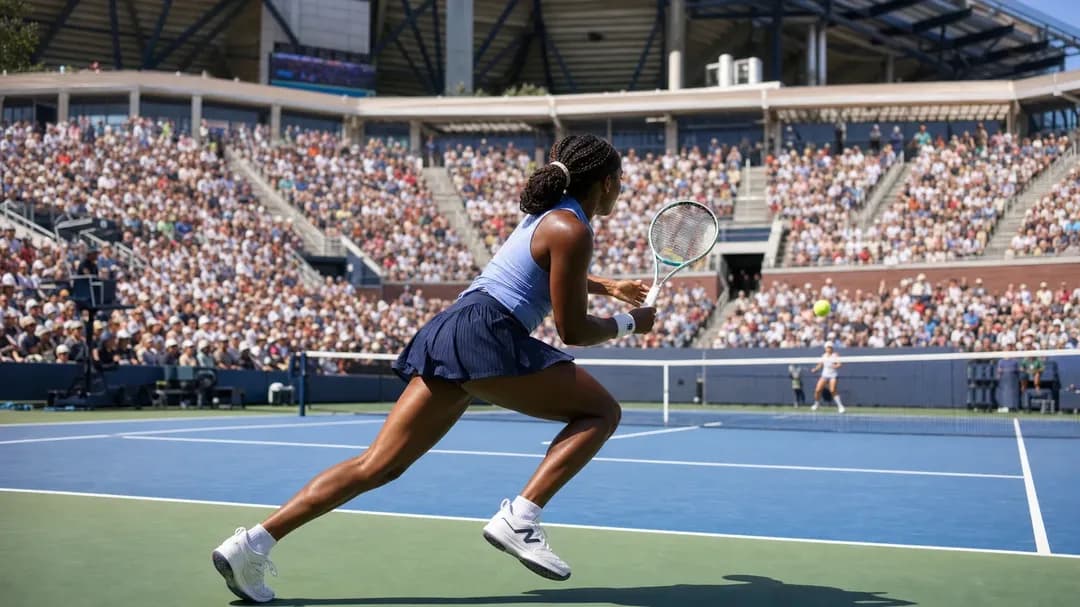
Coco Gauff can fit parts of this discussion, although her profile is broader than pure first strike. If she competes in New York, her serve, athletic reach, and ability to move from defense to offense can create pressure in different ways. When she lands first serves, takes time away with the backhand, and moves forward behind strong patterns, neutral rallies may stop feeling neutral for opponents. The form signal is balance: aggressive intent without too many rushed forehands or second-serve openings.
Movers Returners Problem Solvers
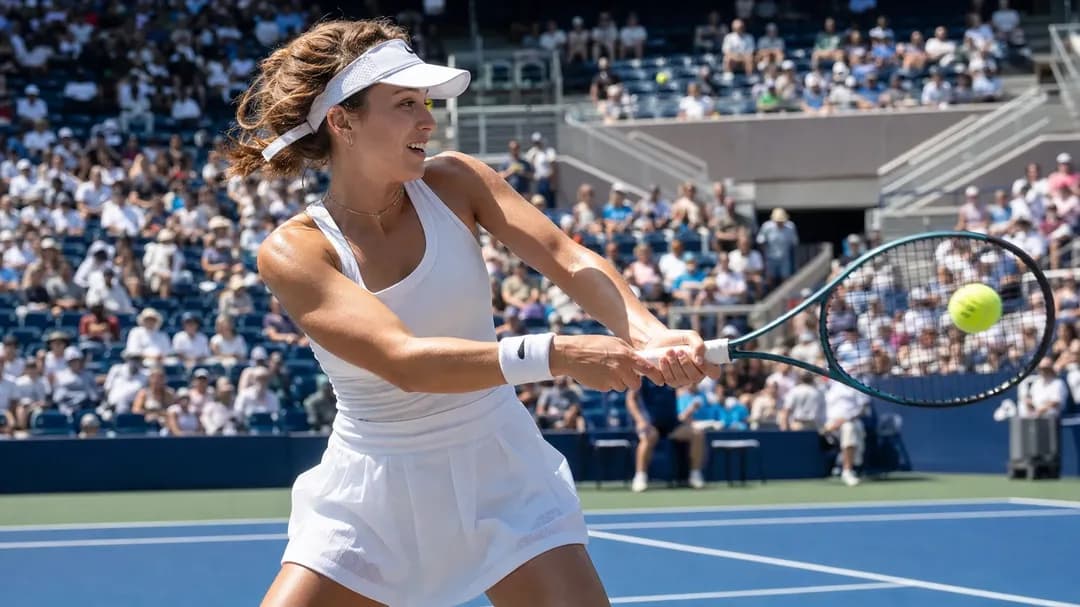
Another group of American women can shape the tournament by making matches uncomfortable. Jessica Pegula, Emma Navarro, Sloane Stephens, Sofia Kenin, and others are not identical players, and their 2026 status should not be assumed before official confirmation. Still, they illustrate how control, anticipation, returning, and variety can matter as much as raw pace. Pegula’s compact timing has made her a clean hard-court problem. Navarro’s game is often read through balance and court sense. Stephens has shown how smooth movement can absorb power. Kenin’s variety and competitive problem-solving can disrupt rhythm.
This archetype is valuable in New York because early rounds often include uneven momentum. A player who returns deep, defends the first attack, and asks one more question can expose impatience. She may not dominate every service game, but she can create scoreboard pressure by making opponents play from awkward positions. The signal to watch is depth through the middle third of the court. If the American is keeping returns away from strike zones and changing direction only when set, she is building pressure quietly.
- First-serve points: not just aces, but whether the serve creates a predictable next shot.
- Return depth: whether second serves are being attacked or merely put back in play.
- Rally balance: whether the American is defending near the baseline or from far behind it.
- Emotional resets: how quickly she recovers after a loose game or disputed moment.
Pressure And Form Signals
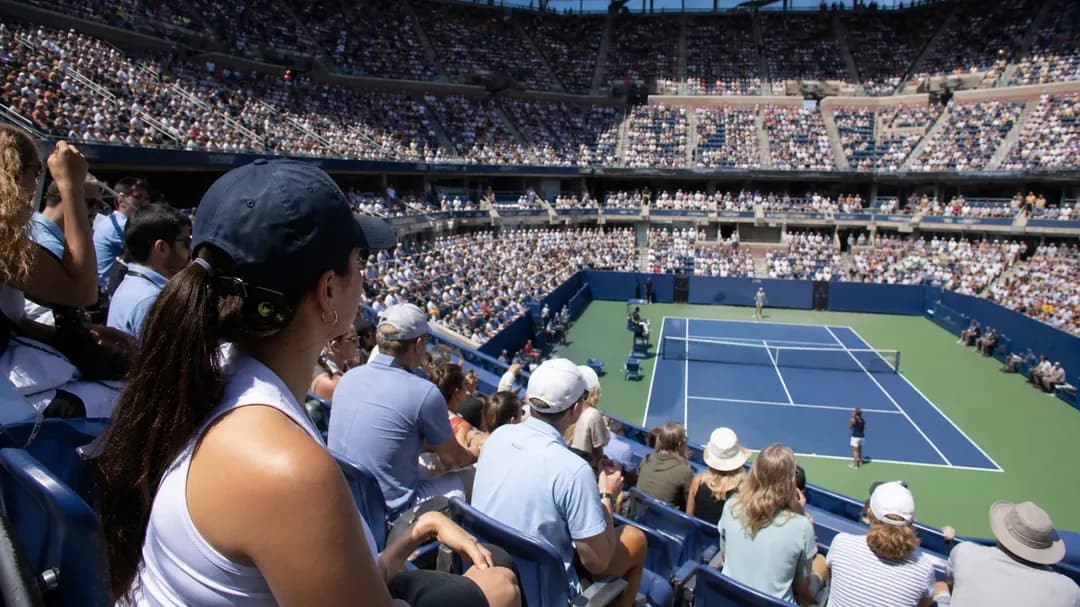
American players at the US Open face a special mix of advantage and burden. The crowd can lift energy, especially in major stadium moments, but it can also magnify mistakes. A local favorite may hear every gasp after a double fault and every roar after a break point. That atmosphere rewards players who can separate emotion from decision-making. The smartest competitors use the crowd for intensity while keeping tactical choices simple: serve to the target, make the return, establish court position, repeat.
Pressure also changes by career stage. A major champion carries different expectations from a rising player still defining her ceiling. A veteran may know how to survive ugly patches, while a younger player may bring fearlessness and speed. Neither profile is automatically better. In New York, the best pressure profile is adaptable. If the first plan fails, can she win with more spin, more margin, or more net approaches? If the crowd gets restless, can she slow down between points without becoming passive?
Fans should be careful with summer form narratives. A strong tuneup can be meaningful, but it does not guarantee a US Open run. A quiet lead-in does not eliminate a player with proven hard-court tools. What matters is whether the form is transferable: serving locations, return posture, movement after wide balls, and quality of decisions at 30-all or break point. Observable tennis beats vague momentum talk.
Because the official entry list, seeds, draw, and daily order of play are not to be assumed before publication, the most responsible way to follow American contenders is to track repeatable signs. Does a player land enough first serves to control tempo, or is every hold a negotiation? Are second serves being protected with depth, spin, or placement? After the return, is she recovering to a position where the next shot can be aggressive? Movement is another key signal. A player who reaches balls but floats replies short is surviving, not controlling. A player who defends with height and depth can flip the rally later.
Practical Notes
If you are planning a US Open visit, use the official US Open player page for confirmed participants and the official event schedule page for session structure before making player-specific plans. Do not assume an American contender will appear on a particular court, day, or session until the order of play is posted. For the best live scouting, arrive early enough to watch warmups and first service games, when patterns are easiest to see. Outer courts can offer closer views of footwork, return position, and coaching-box reactions, while stadium matches provide the full New York pressure test. Flexible expectations help: a day built around one name can change quickly, but a day built around tactical matchups usually delivers.
Tags: #USOpen2026 #Tennis #GrandSlam #NewYorkTennis #ArthurAsheStadium #FlushingMeadows #USOpenGuide #TennisFans #SportsTravel #HardCourt #NewYork #KarpoFinds
Sources consulted: usopen.org — Official reference · wtatennis.com — Official reference · usopen.org — Official reference
All trademarks are the property of their respective owners.
Ask Karpo first
Want to know what is confirmed, when to show up, and how to make american women who could shape the work for your day? Ask Karpo for current US Open updates, a respectful fan plan, and a live route around Flushing Meadows.
Ask Karpo for more information.
Keep reading
- Where to Eat Near Penn Station That Isn't a Chain
 Andytown Coffee in the Outer Sunset: The Snowy Plover Explained
- Best Things to Do in Chicago: What the City Gives Away