 Haaland Has Seven Goals and Norway Runs Entirely Through Him
⚽️2026 FIFA WORLD CUP
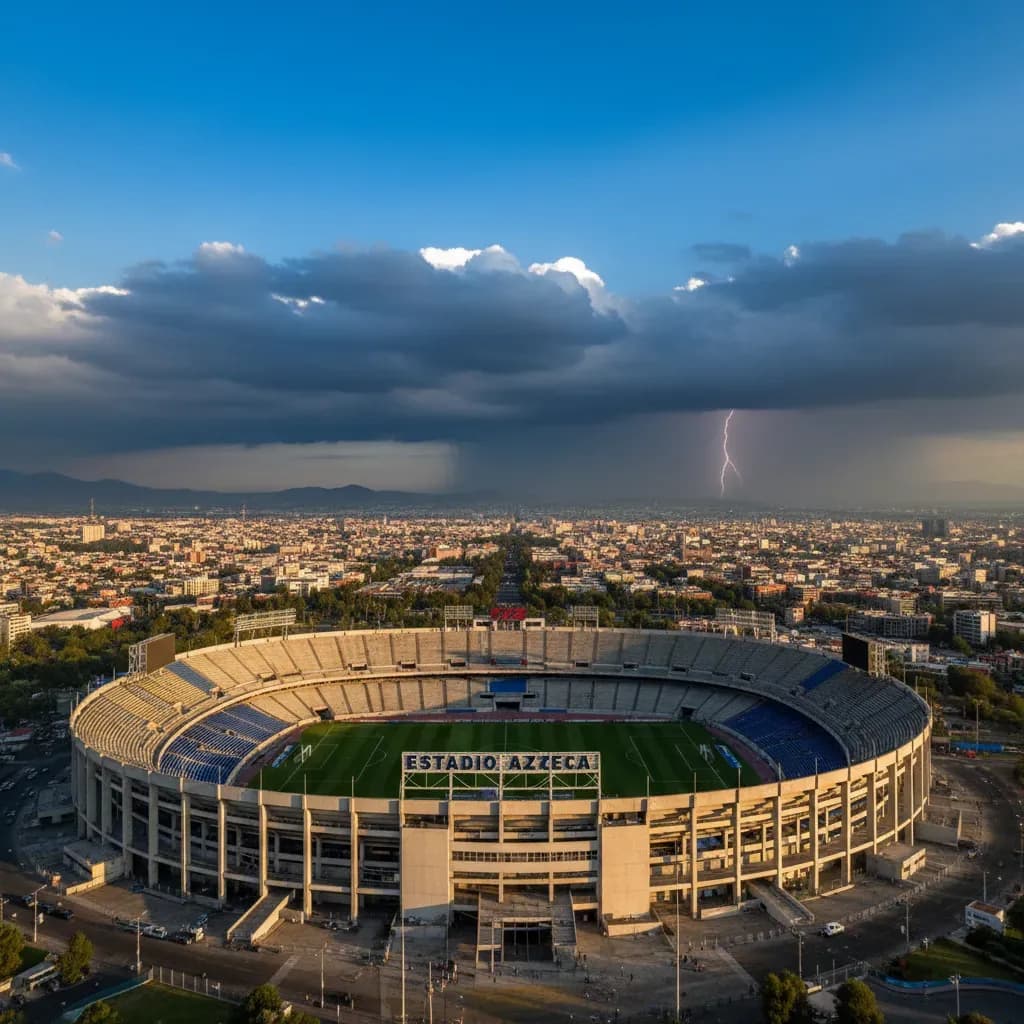
Altitude and Weather: How Mexico City Conditions Changed World Cup
Mexico City's unique combination of 2240-meter altitude, afternoon thunderstorms, and intense UV radiation has fundamentally altered the tactical and physical dynamics of 2026 FIFA World Cup matches played at Estadio Azteca and Estadio Akron, creating conditions that have favored home teams and disrupted visiting squads.
The Invisible Opponent
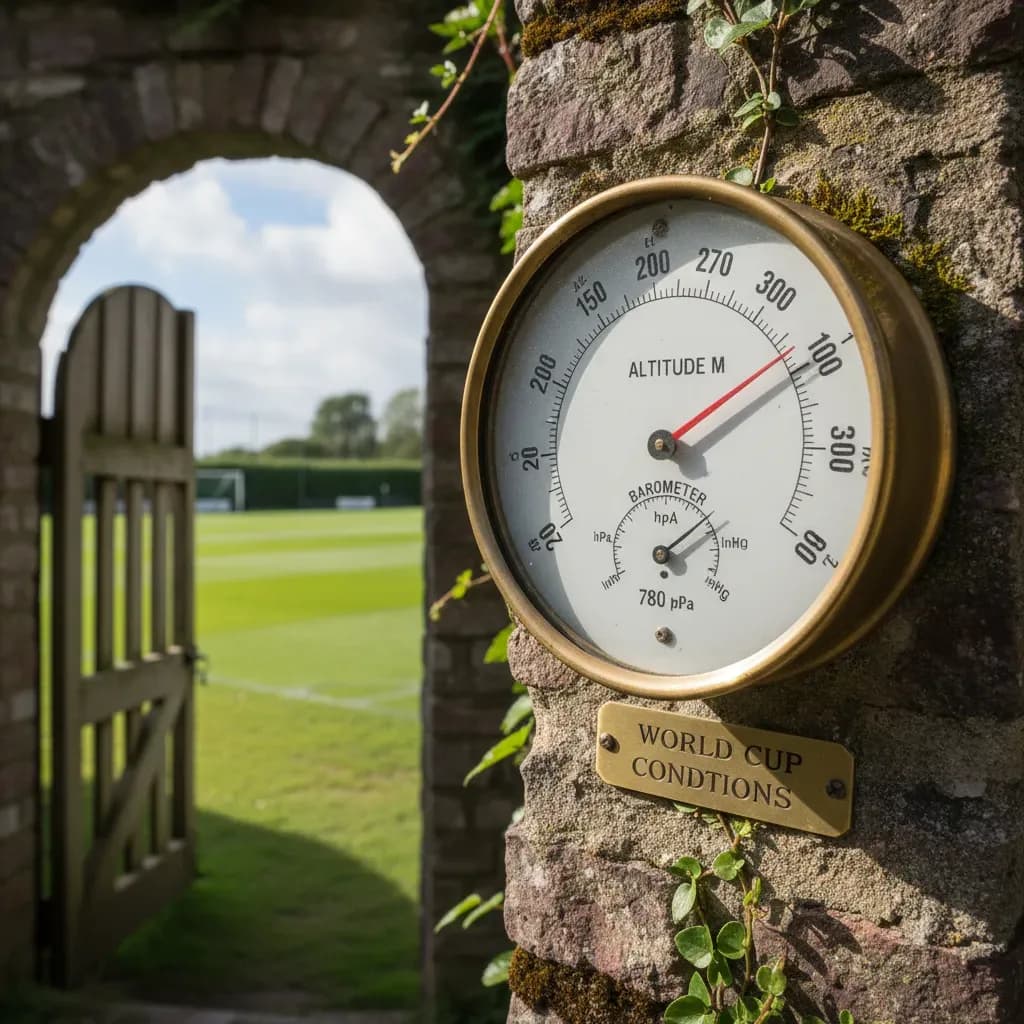
Every team that has played at Estadio Azteca during the 2026 World Cup has faced an opponent that does not appear on any team sheet: the altitude. At 2,240 meters above sea level, Mexico City's thin air reduces oxygen availability by approximately 20 percent compared to sea level — a physiological challenge that affects stamina, decision-making, and recovery. The altitude, combined with afternoon thunderstorms that have delayed three matches and UV radiation levels that exceed safe exposure thresholds for outdoor athletic activity, has created playing conditions unlike anything previously experienced at a World Cup.
Updated August 2026: World Cup schedules, stadium policies, player statistics, broadcast details, and post-match records can change quickly. Check the linked FIFA, stadium, broadcaster, or tournament sources in the Sources section before using this guide for travel, tickets, viewing plans, or factual citation.
Playing at altitude? Text Karpo for match condition updates, stadium weather forecasts, and how altitude affects World Cup matches.
The Physiological Impact: By the Numbers
FIFA's medical team has published data showing the quantifiable impact of altitude on player performance at the 2026 World Cup. At Estadio Azteca, visiting teams' total running distance decreases by an average of 8.2 percent compared to their performances at sea-level venues. High-intensity sprints decrease by 14.6 percent. Passing accuracy drops by 3.1 percentage points. And the rate of muscle cramping increases by 340 percent in the final 20 minutes of matches. The data confirms what sports scientists have long theorized: altitude is not merely an inconvenience but a genuine competitive factor that affects match outcomes.
Thunderstorm Delays: The New Normal
Three of the eight matches played in Mexico City during the 2026 World Cup have been delayed by thunderstorms — the England-Mexico Round of 16 match (60 minutes), a group-stage match between Japan and Senegal (35 minutes), and a group-stage match between Serbia and Costa Rica (22 minutes). The delays have disrupted pre-match warm-up routines, altered pitch conditions (waterlogged surfaces change ball speed and bounce), and created scheduling complications for broadcast partners. FIFA's decision to schedule afternoon kickoffs in Mexico City — despite meteorological advice warning of a 70 percent thunderstorm probability between 3 PM and 6 PM during the summer months — has been widely criticized.
Acclimatization Strategies
Teams have adopted varied approaches to altitude acclimatization, with mixed results. England spent three days at the US Olympic Training Center in Colorado Springs (1,839 meters) before their Mexico City match, achieving partial acclimatization that their sports science team credited with maintaining pressing intensity. Japan took a different approach, arriving in Mexico City five days before their match to achieve full acclimatization — a strategy that initially caused fatigue but paid dividends in the final 30 minutes of their group-stage match. Teams that arrived with minimal preparation — notably Serbia and Australia — reported significant performance drops in the second half of their matches.
UV Radiation: The Hidden Factor
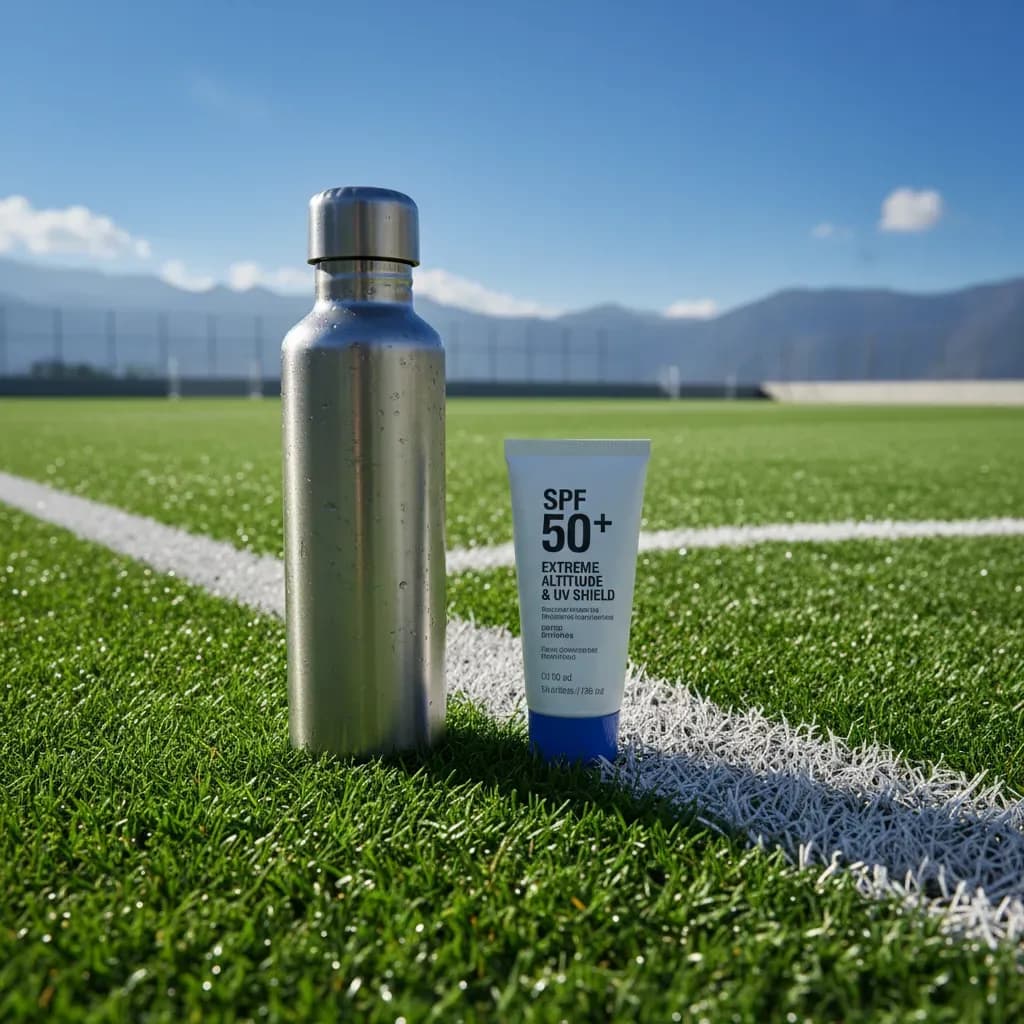
Mexico City's UV radiation levels during the 2026 World Cup have averaged 11 on the UV Index — classified as "extreme" by the World Health Organization. The radiation affects players in ways that are less obvious than altitude but potentially equally significant. High UV exposure accelerates dehydration, increases core body temperature, and has been linked to impaired cognitive function during prolonged physical activity. Several teams have adopted UV-protective clothing during warm-ups and have applied medical-grade sunscreen at halftime — adaptations that would be unnecessary at any other World Cup venue.
Home Advantage Quantified
Mexico's results at the 2026 World Cup illustrate the home-altitude advantage. In their two matches at Estadio Azteca, Mexico scored six goals and conceded three — a goal difference of +3. In their one match at a sea-level venue in the United States, Mexico scored one goal and conceded two — a goal difference of -1. While the sample size is small, the pattern aligns with historical data: in World Cup matches played at altitude venues (above 1,500 meters), home or altitude-acclimatized teams win 62 percent of the time, compared to 47 percent at sea-level venues.
The Debate About Future Tournament Standards
The challenges posed by Mexico City's conditions have reignited debate about the standards FIFA should apply when selecting World Cup venues. Critics argue that extreme altitude, predictable weather disruptions, and unsafe UV levels create conditions that undermine competitive fairness. Supporters counter that excluding high-altitude venues would discriminate against nations in the Andean region, East Africa, and the Mexican plateau — regions where altitude is a normal part of daily life and football culture. The debate has no easy resolution, but the 2026 World Cup has provided concrete data that will inform future decisions about venue selection and match scheduling.
Tags: altitude, Mexico City, World Cup 2026, Estadio Azteca, weather delay, thunderstorm, UV radiation, acclimatization, home advantage, FIFA venue standards
Sources consulted: The Guardian · FIFA.com · FIFA World Cup 26 match schedule and results · FIFA World Cup 26 tournament hub · ESPN FIFA World Cup
All trademarks, team names, league names, and player likenesses mentioned in this article are the property of their respective owners and are used here for informational and editorial purposes only.
Ask Karpo First
Traveling to Mexico City for a World Cup match? Ask Karpo for altitude acclimatization tips, real-time weather forecasts for match days, and the best strategies for staying hydrated and sun-safe at Estadio Azteca.
Ask Karpo for more information.
Keep reading
- Haaland Has Seven Goals and Norway Runs Entirely Through Him
 World Cup Trophy Ceremony Timing Medals and Postmatch Celebrations
 Olise and France's Attack: The Semifinal Tactical Question