The Decision That Defined Canada's Tournament
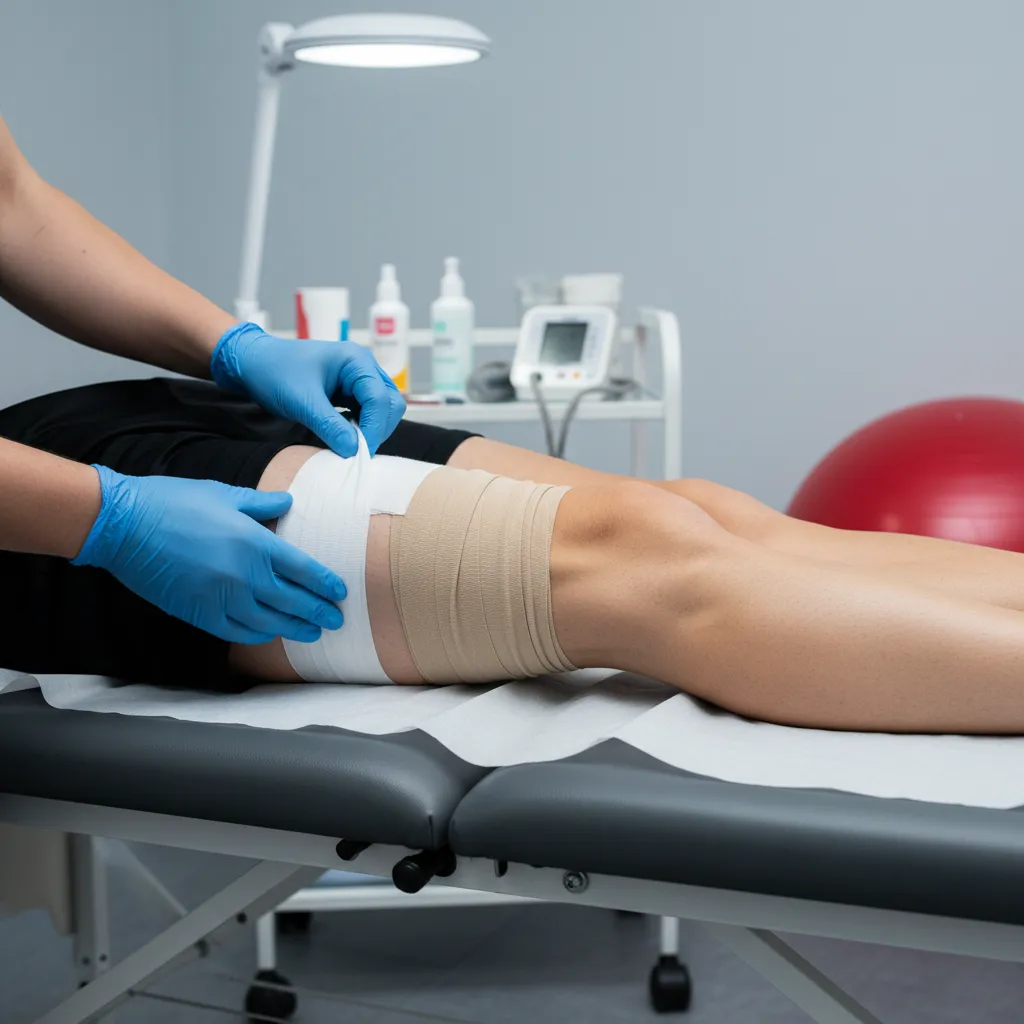
On June 17, 2026, Canadian team doctor Dr. Marc Bhargava delivered news that threatened to derail an entire nation's World Cup dream. Alphonso Davies, Canada's most important player, had sustained a Grade 1 hamstring strain during training. The medical recommendation was clear: seven to ten days of rest, followed by a gradual return to full fitness. Canada's second group match against Belgium was in four days. Davies chose to play. That decision — brave, reckless, or somewhere in between — became the defining narrative of Canada's historic World Cup run.
A Nation's Hopes on One Player's Legs
No player at the 2026 World Cup carried a greater burden of national expectation than Alphonso Davies. Born in a refugee camp in Buduburam, Ghana, to Liberian parents, Davies moved to Edmonton, Alberta, at the age of five. His journey from refugee to Real Madrid superstar is one of football's most remarkable stories. At 25, he is Canada's all-time leading assist provider, the first Canadian to win the Champions League, and the player whose pace, power, and skill transformed Canada from a footballing afterthought into a World Cup contender. Without Davies, Canada's chances of advancing from a group containing Belgium, Morocco, and Croatia were considered minimal.

How Davies Managed the Injury
Canada's medical staff designed a bespoke management program for Davies that involved intensive pre-match treatment, restricted training loads, and strategic substitution timing. In the Belgium match, Davies started but was withdrawn at half-time after visibly struggling to accelerate beyond 80% of his maximum sprint speed. Against Croatia, he played 70 minutes, wearing a protective compression sleeve on his left thigh. In the decisive group match against Morocco, Davies played the full 90 minutes despite post-match data revealing he completed zero sprints above 32 km/h — his usual maximum of 36.5 km/h was clearly compromised. He compensated by adjusting his positioning, sitting deeper than usual, and relying on anticipation rather than recovery pace.
The Jesse Marsch Factor
Canada's head coach Jesse Marsch faced intense scrutiny over his decision to play Davies through the injury. In press conferences, Marsch was characteristically direct: "Alphonso is a grown man who understands his body. He told me he could play. I trust him." Behind the scenes, sources close to the team described a more nuanced situation. Marsch consulted with Real Madrid's medical department, who provided detailed data on Davies's injury history and recovery timelines. The consensus was that the risk of aggravating the strain was approximately 15-20% per match — a risk that both player and coach deemed acceptable given the stakes.

The Ethical Debate: Player Welfare vs Tournament Stakes
Davies's situation reignited a debate that has simmered in football for years. Should players be allowed to risk their long-term health for short-term tournament success? FIFA's medical guidelines recommend that players with Grade 1 hamstring strains should not compete until they can complete full sprint testing without pain. Davies, by his own admission, was not pain-free during any of his three World Cup appearances. The counterargument, made forcefully by Davies himself, is that World Cups happen once every four years, and players should have the autonomy to make their own medical decisions. "I would have crawled onto that pitch," Davies said after Canada's qualification for the Round of 16. "This is my country. This is our moment."
Canada's Historic Achievement
Canada's progression to the Round of 16 — secured with a 1-0 victory over Croatia — was the greatest achievement in Canadian football history. Davies provided the assist for the winning goal, a trademark burst down the left flank followed by a cutback to Jonathan David. The celebration that followed was among the most emotional scenes of the tournament. Davies, visibly exhausted and limping, was embraced by every member of the Canadian squad. Whether his hamstring holds up for the Round of 16 match against Morocco remains uncertain. What is certain is that his willingness to sacrifice his body for his country transformed Canada's World Cup from a participation event into a genuine adventure.
Tags: Alphonso Davies, Canada, World Cup 2026, hamstring injury, Real Madrid, Jesse Marsch, Belgium, Croatia, Kansas City, player welfare
Sources consulted: ESPN · CBS Sports · FIFA · Yahoo Sports
All trademarks, team names, league names, and player likenesses mentioned in this article are the property of their respective owners and are used here for informational and editorial purposes only.
Ask Karpo First
Want to follow Alphonso Davies's fitness updates or Canada's Round of 16 match details? Ask Karpo for the latest injury reports, Canada's complete World Cup schedule, and fan viewing guides for the Kansas City area matches.