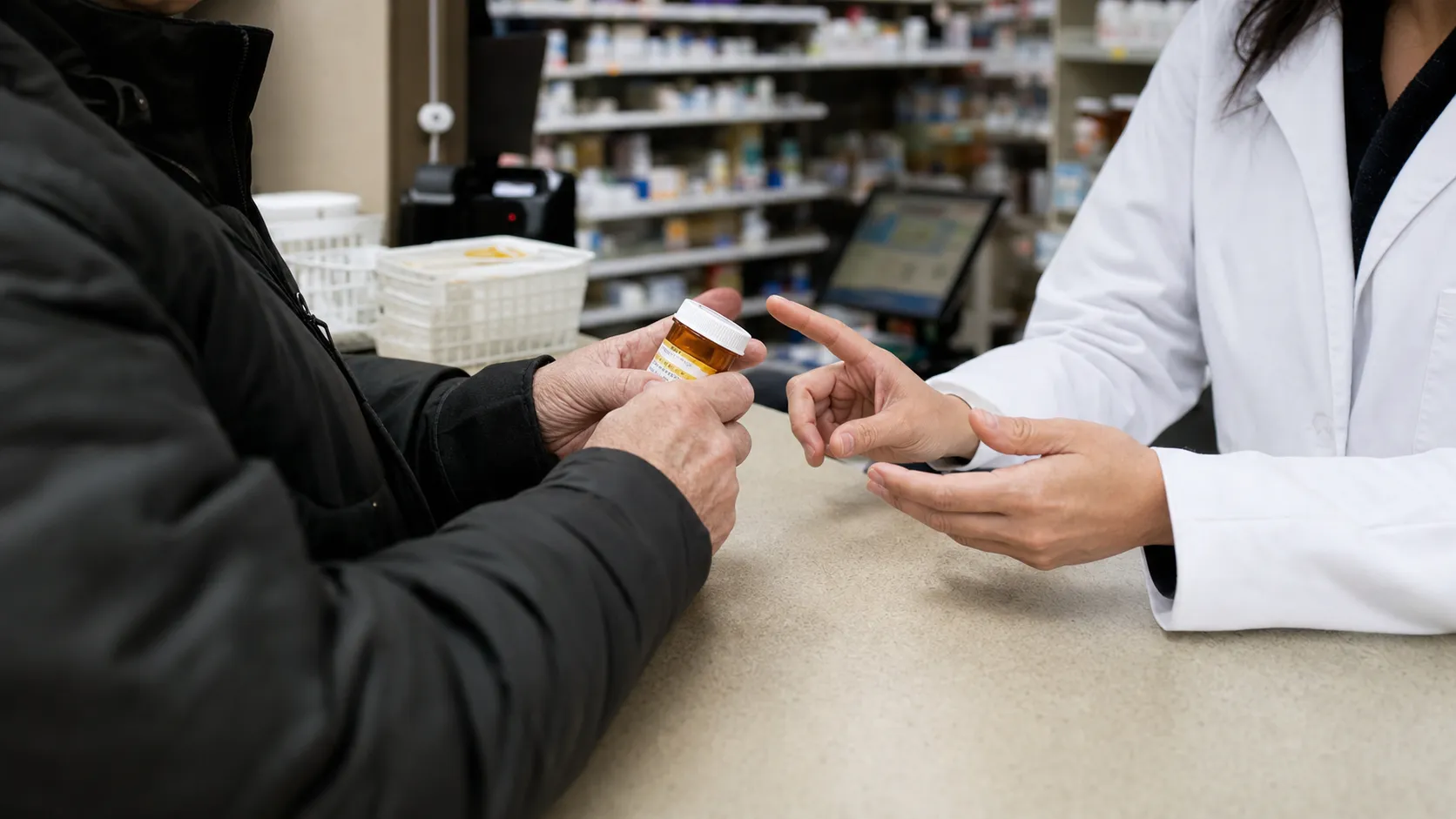
New Yorkers who keep allergy medicine in a bathroom cabinet, tote bag, office drawer, or child-care supply bin have a quick label check to do this week. The FDA posted a company announcement on July 20, 2026, for a voluntary nationwide recall of four lots of Cetirizine Hydrochloride Tablets USP 5 mg distributed by Rising Pharma Holdings Inc. and manufactured by Unique Pharmaceutical Laboratories, a division of J. B. Chemicals & Pharmaceuticals Ltd. The company cited possible cross-contamination with ranitidine. This is not a reason to diagnose symptoms at home or panic over every allergy tablet in the apartment; it is a practical recall notice that depends on exact product, lot, and pharmacy details.
Text Karpo a photo of the medication label or the NDC and lot number, and we can help you organize the questions to ask your NYC pharmacist. Ask Karpo before you make a special trip so you know whether to call the store, Rising Pharma, or your healthcare provider first.
What the FDA-Posted Recall Covers
The recalled medicine is Cetirizine Hydrochloride Tablets USP 5 mg in 100-tablet HDPE bottles, distributed by Rising Pharma Holdings Inc. The National Drug Code listed in the FDA-posted notice is 16571-401-10. The four affected lot numbers are GY825029, GY825030, GY825031, and GY825032, each with an expiration date of 10/2028. The company announcement is dated July 18, 2026, and the FDA publish date is July 20, 2026. FDA’s recall page lists the product type as drugs and the recall reason as potential cross-contamination with ranitidine.
For NYC shoppers, the most important point is that brand familiarity is not enough. Cetirizine is a common antihistamine ingredient, but this recall is tied to specific Rising Pharma-distributed 5 mg tablets, a specific NDC, and four specific lots. Store-brand allergy bottles, other strengths, chewables, liquids, gels, and other manufacturers are not automatically included unless their product details match a recall notice. If the bottle was dispensed by a pharmacy, the retail label may cover part of the manufacturer’s original label, so the pharmacy may need to help confirm the lot.
Why the Lot Number Matters More Than the Shelf
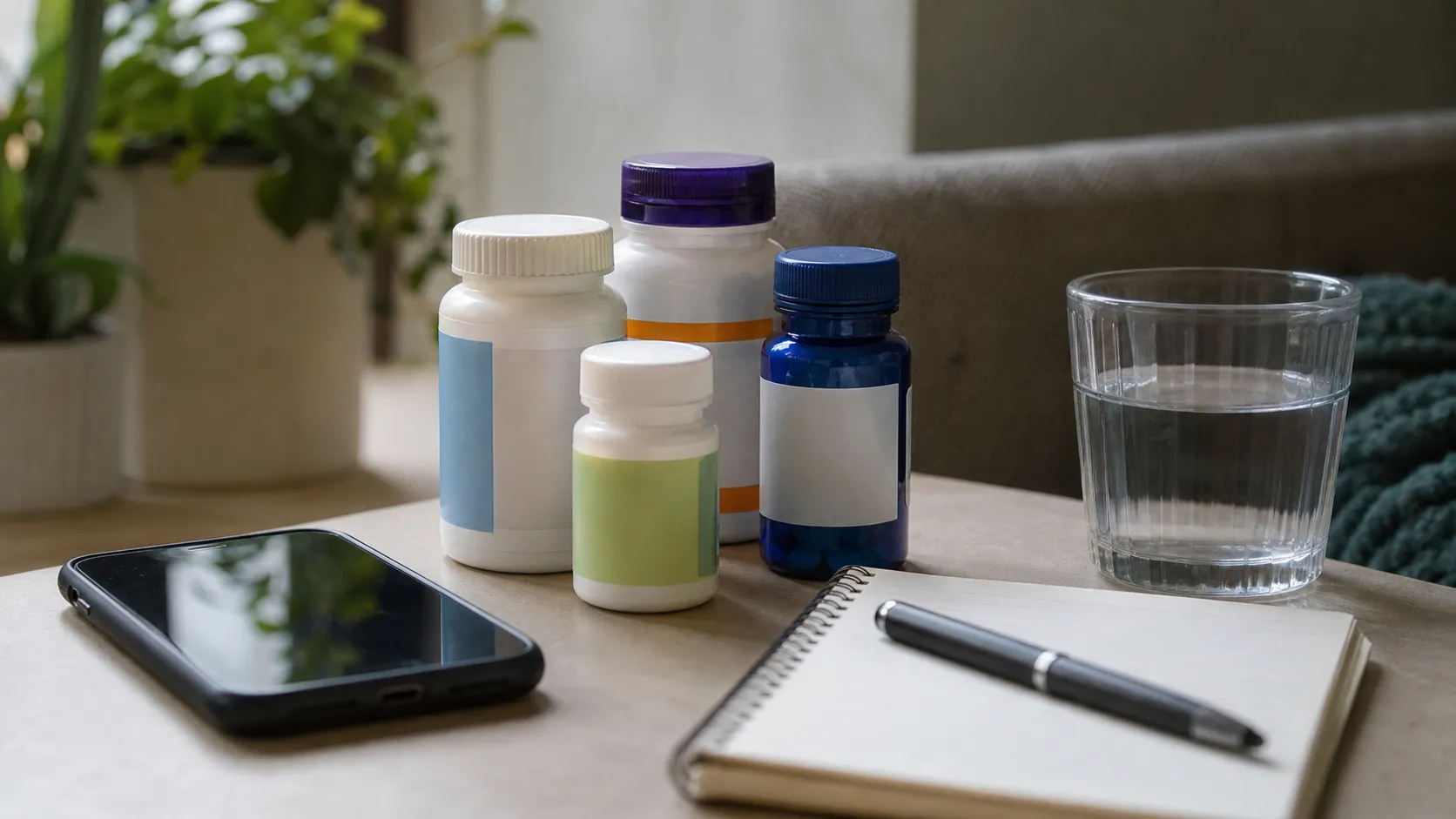
The same neighborhood pharmacy can stock multiple manufacturers over time, and a household can have more than one cetirizine bottle purchased months apart. That is why the lot number and expiration date do more work than the aisle where the product was bought. The FDA-posted company notice says the recalled product can be identified by reviewing the product name, manufacturer details, and lot number on the bottle. If you have a loose pharmacy vial rather than the original 100-count manufacturer bottle, do not guess from pill color alone.
A useful NYC habit is to photograph the label before calling: capture the pharmacy label, any visible manufacturer label, NDC, lot, expiration date, and tablet appearance if the bottle is yours. For prescriptions or pharmacist-dispensed OTC products, ask the pharmacy to check its dispensing record and current recall instructions. Pharmacies usually receive recall communications through their chain, wholesaler, or distributor systems, but a consumer call with the exact NDC and lot can speed up the check.
What the Notice Says About Ranitidine Cross-Contamination
Unique Pharmaceutical Laboratories said it is recalling the four lots to the consumer level because of cross-contamination with ranitidine. The notice says a product complaint came after a pharmacy technician noticed a discrepancy while counting tablets, including red dots and discoloration on some cetirizine tablets. The company’s risk statement focuses on consumers with hypersensitivity to ingredients in ranitidine and describes the possibility of serious allergic reactions in that group. As of the announcement, the company said it had not received reports of adverse events related to the recall.
This article does not assess whether any individual reaction is connected to the product. If someone believes they experienced a problem after using the recalled medicine, the FDA-posted notice directs consumers to contact a physician or healthcare provider and says adverse reactions or quality problems may be reported through FDA MedWatch. For urgent symptoms, use emergency services rather than waiting on a recall hotline, but for product identification, return, and reporting questions, the recall notice and pharmacy record are the starting points.
NYC Pharmacy Counter Steps: Bring Details, Not Just the Bottle
At a busy Duane Reade, CVS, independent pharmacy, supermarket pharmacy, or clinic pharmacy counter, make the conversation specific. Say you are checking the July 2026 Rising Pharma cetirizine 5 mg recall and provide NDC 16571-401-10, lot number, expiration date, and the date you obtained the product. If the medication came in a pharmacy vial, ask whether the pharmacy can identify the manufacturer lot associated with your fill. Do not ask staff to diagnose symptoms at the register; ask them to verify whether your product matches the recall and what return process their location is using.
The FDA-posted notice says Unique Pharmaceuticals notified Rising Pharma, and Rising notified distributors and direct customers by email while arranging for the return of recalled products. That means a store’s answer may depend on how the medicine entered its inventory and whether it was sold as an original bottle or dispensed from a larger stock bottle. If the pharmacy cannot confirm the lot immediately, ask when a pharmacist or manager can follow up, and keep the medication separated until you receive a clear answer.
Return, Refund, and Replacement Questions to Ask
The FDA notice gives a Rising Pharma consumer contact number, 1-844-874-7464, available 8:00 a.m. to 5:00 p.m. Eastern time Monday through Friday, and lists pv@risingpharma.com and qa@risingpharma.com for inquiries. It does not promise a specific retail refund amount or universal replacement policy. NYC shoppers should therefore ask the pharmacy or retailer whether they are accepting recalled bottles, issuing store refunds, replacing the product, or directing consumers to the distributor’s recall channel.
Before discarding anything, check whether the pharmacy or manufacturer wants the recalled bottle returned. If you throw away the product first, you may lose the lot number, NDC, and proof needed for a return. Keep the bottle closed, away from children and pets, and separate from other medicines. If you need an allergy medicine alternative, ask a pharmacist or healthcare professional what is appropriate for you; do not assume a different strength, formulation, or ingredient is interchangeable for every person.
How to Dispose of Medicine If You Are Told Not to Return It
If the pharmacy, retailer, or manufacturer tells you that return is not needed and disposal is appropriate, use a safe disposal route. FDA consumer guidance says the best option for most expired, unwanted, or unused medicines is a drug take-back program, including drop-off locations or prepaid mail-back envelopes. New York State’s Drug Take Back program requires certain chain and mail-order pharmacies serving New Yorkers to provide collection options at no cost to consumers, and many NYC residents can find kiosks at participating pharmacies.
NYC’s Department of Sanitation also tells residents not to flush medication down the drain or toilet. DSNY lists SAFE Disposal Events, pharmaceutical and sharps drop-off locations, pharmacies with take-back programs, and local collection events as disposal options. If no take-back option is available, DSNY and FDA both describe mixing medicine with undesirable material such as used coffee grounds or kitty litter, sealing it in a container, and placing it in trash. Scratch out personal information on empty packaging before disposal.
What Not to Assume From Social Posts or Aisle Signs
Recall news travels fast on neighborhood chats, parent groups, and building message boards, but screenshots can miss the exact lot numbers or confuse strengths. The verified facts are in the FDA-posted company announcement and any direct manufacturer, distributor, or pharmacy communication you receive. A shelf sign about an allergy product shortage, a store app showing a generic cetirizine listing, or a social post about red-spotted tablets is not enough to decide whether your bottle is included. Match the NDC, product description, lot, and expiration date.
It is also worth separating this recall from broader questions about cetirizine use. FDA has published separate drug safety information about rare severe itching after stopping long-term oral cetirizine or levocetirizine, but that is not the same issue as the July 2026 Rising Pharma lot recall. If you are using cetirizine regularly, have known drug hypersensitivities, or are managing allergies for a child, older adult, or medically complex household member, take those questions to a pharmacist or clinician rather than adjusting care based on a news headline.
Practical notes
Practical notes for NYC: check every cetirizine bottle before your next dose, especially 100-count bottles and pharmacy-dispensed vials obtained in recent months. Look for Rising Pharma Holdings Inc., Cetirizine Hydrochloride Tablets USP 5 mg, NDC 16571-401-10, lots GY825029, GY825030, GY825031, or GY825032, expiration 10/2028. If the original lot is hidden, call the dispensing pharmacy and ask for a pharmacist check. Keep the bottle closed and separated while you wait. For recall questions, contact Rising Pharma at 1-844-874-7464 on weekdays during Eastern business hours or use the emails in the FDA notice. For symptoms or medical concerns, contact a healthcare provider; for adverse event reporting, use FDA MedWatch. If disposal is recommended instead of return, use a pharmacy take-back kiosk or official NYC disposal option.
Tags: #NYC #AllergyMedication #DrugRecall #Cetirizine #RisingPharma #FDARecall #PharmacyTips #MedicationSafety #NYCPharmacy #ConsumerSafety #HealthNews #SafeDisposal #NeighborhoodGuides #AskKarpo
Sources consulted: FDA recall notice for Unique Pharmaceutical Laboratories cetirizine 5 mg tablets · FDA drug recalls overview and recall announcements list · FDA consumer guidance on where and how to dispose of unused medicines · New York State Department of Health Drug Take Back program · NYC Department of Sanitation medical waste and medication disposal guidance · FDA MedWatch adverse event reporting portal
All trademarks are the property of their respective owners.
Ask Karpo first
Ask Karpo can turn the FDA notice into a simple checklist for your household: what to photograph, what to read from the bottle, what to ask at the pharmacy counter, and where to find official disposal options in NYC. We cannot tell you whether a medicine is safe for your individual health situation, but we can help you avoid confusing this recall with unrelated allergy products and prepare a clear, calm call to the right source.