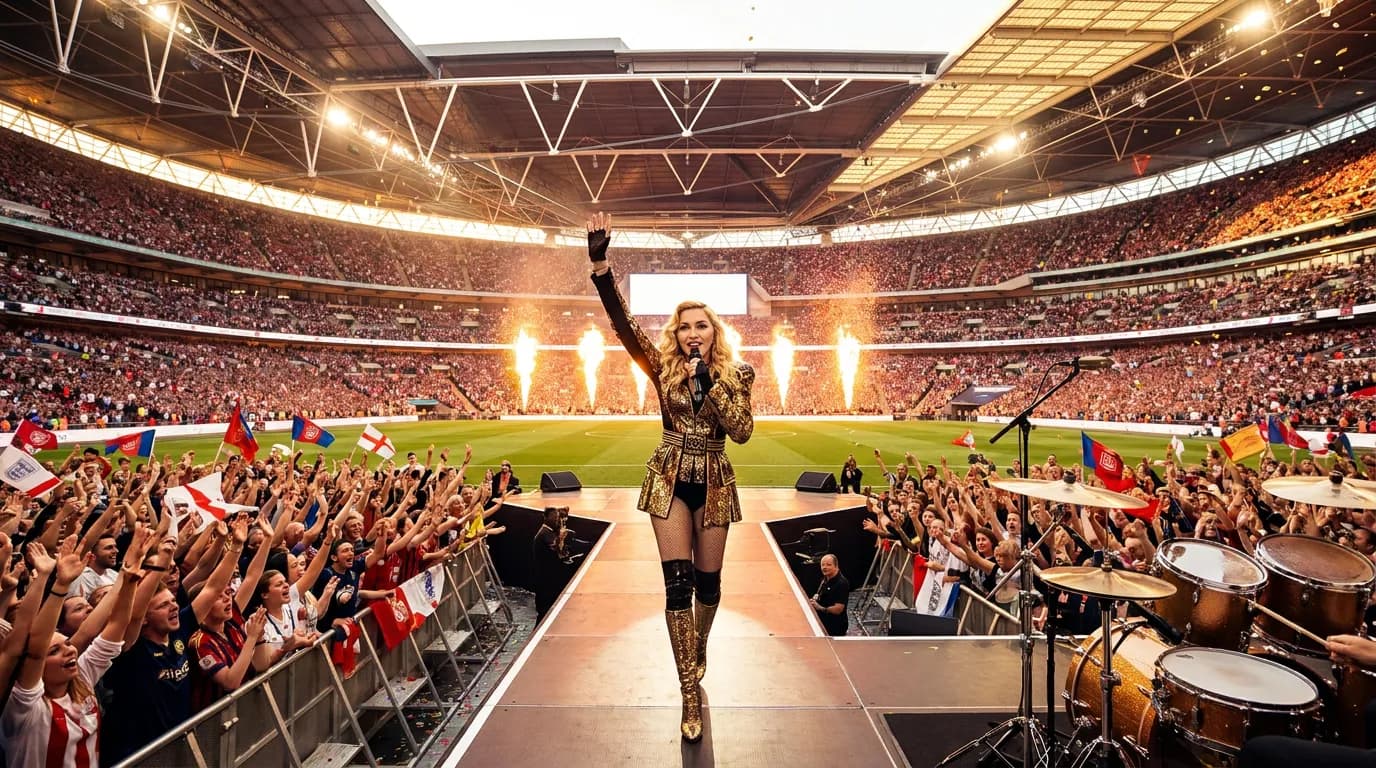
When the 2026 FIFA World Cup kicks off across North America, more than five million fans will navigate sixteen stadiums scattered from Vancouver to Miami, each presenting its own blend of logistical challenges and urban rewards. Unlike tournaments concentrated in a single nation, this tri-country event asks supporters to weigh not just the match itself but the entire journey: how you'll arrive, where you'll park if driving proves necessary, whether you'll roast under summer sun or enjoy a climate-controlled dome, and what the host city offers before and after the final whistle. We evaluated every venue using five criteria that matter most to traveling fans—transit clarity, parking burden, weather exposure, food access, and the broader city experience—to produce a practical ranking that reflects real match-day conditions rather than architectural accolades or capacity figures.
Planning your World Cup pilgrimage and wondering which stadium fits your travel style? Text Karpo for a personalized match-day plan that accounts for your arrival city, budget, and whether you're chasing knockout drama or group-stage atmosphere. We'll map your transit route, flag the best pre-match food stops, and help you decide if that cross-border stadium hop is worth the visa paperwork.
How We Ranked the Stadiums
Our methodology weighs five factors equally, recognizing that no single element defines a great stadium experience. Transit clarity measures how easily fans can reach the venue using public transportation, including frequency of service, directness of routes, and whether systems extend operating hours for evening matches. Parking burden considers both availability and the friction of entering and exiting lots, since many North American venues were designed for car-dependent suburbs. Weather exposure accounts for summer heat, humidity, and whether the stadium offers a retractable roof or climate control—critical when matches may kick off under midday sun in desert or Gulf Coast cities.
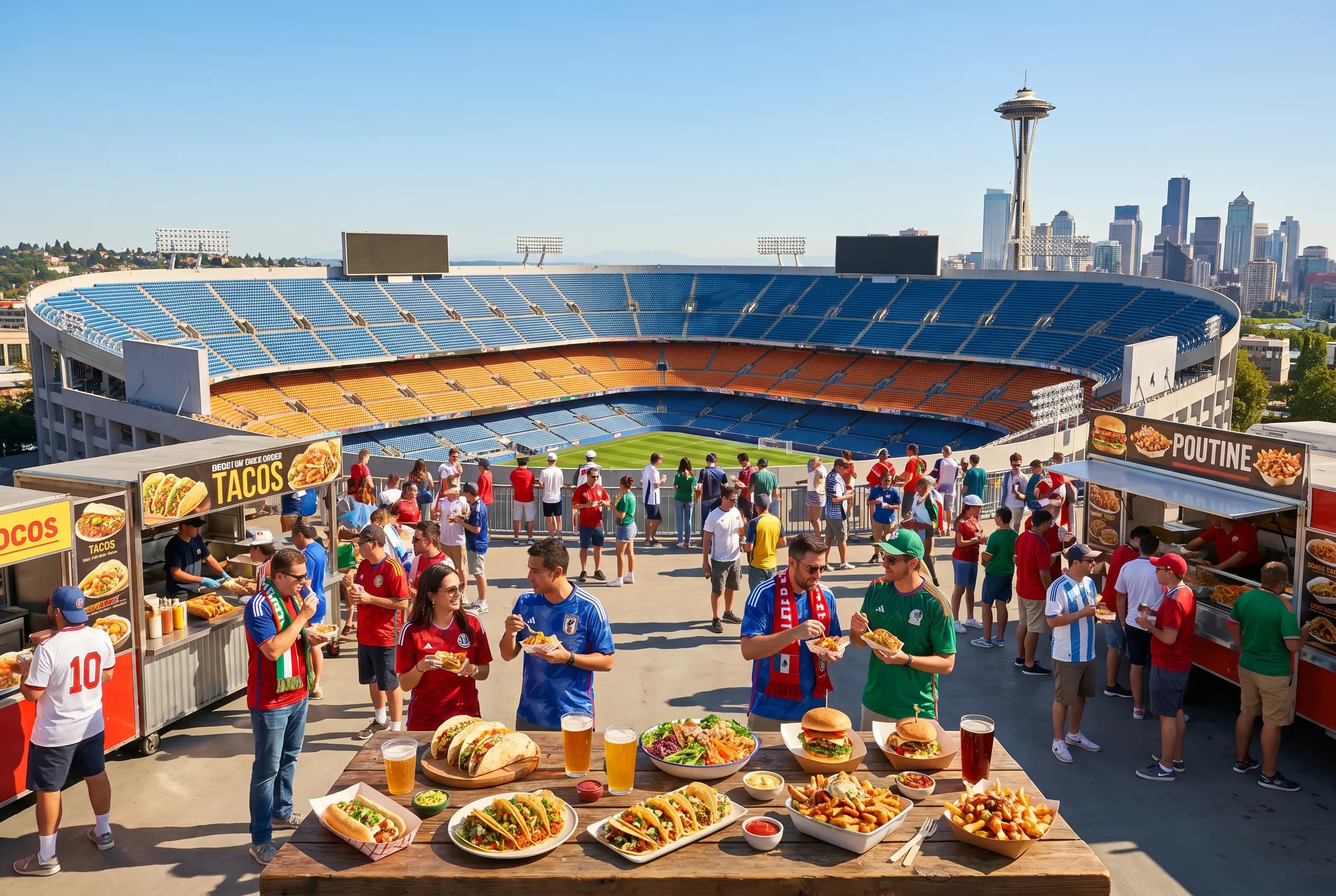
Food access examines the variety and quality of options both inside the stadium and within a fifteen-minute walk, since World Cup crowds often arrive hours early and linger after matches. City experience captures what the host destination offers beyond the ninety minutes: walkable neighborhoods, cultural attractions, nightlife, and whether the stadium sits in an urban core or isolated complex. We avoided assigning numerical scores because small differences between venues don't reflect meaningful distinctions for fans, and because conditions like transit service can change as cities prepare for the tournament. Instead, we grouped stadiums into tiers and noted specific strengths and weaknesses within each band.
Top Tier: Urban Cores With Transit Muscle
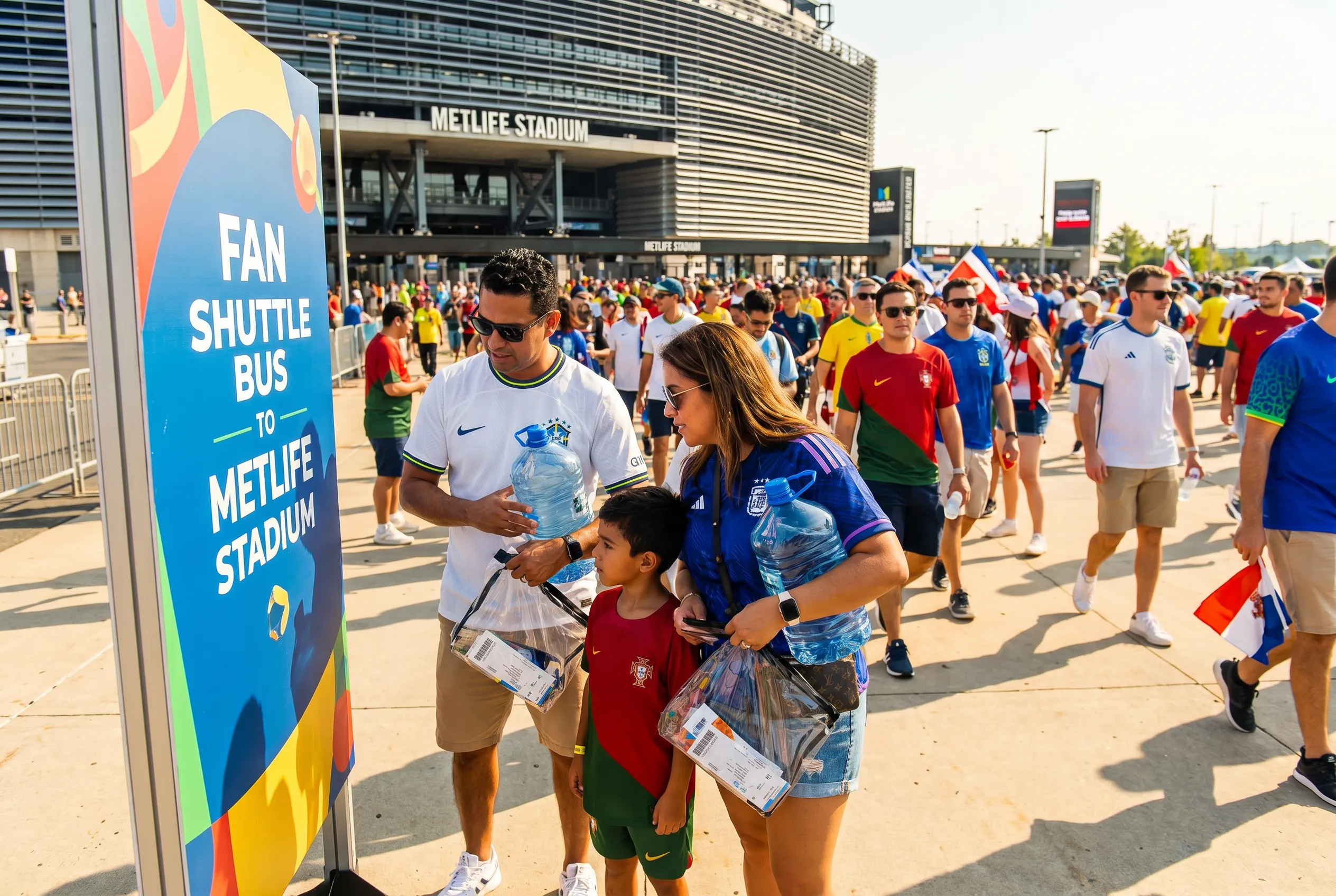
MetLife Stadium in New Jersey and Mercedes-Benz Stadium in Atlanta anchor the top tier, though for different reasons. MetLife benefits from direct commuter rail service and proximity to Manhattan, giving fans access to one of the world's great urban playgrounds even if the stadium itself sits in a parking-ringed meadowland. Mercedes-Benz counters with a downtown location, MARTA rail connections, and a retractable roof that eliminates weather anxiety, plus a surrounding district packed with restaurants and bars that have matured since the venue opened in 2017. Both stadiums handle massive crowds regularly for NFL games, so operational kinks have been smoothed.
SoFi Stadium in Los Angeles and BC Place in Vancouver join this tier despite distinct profiles. SoFi dazzles with architecture and amenities but suffers from Los Angeles traffic and a metro line that requires a shuttle connection; the city experience, however, is unmatched if you're willing to explore beyond Inglewood. BC Place offers the most straightforward transit access of any venue—SkyTrain stops steps from the entrance—and Vancouver's compact downtown means fans can walk to dozens of restaurants and hotels. The retractable roof handles the Pacific Northwest's unpredictable June weather, and Canada's multicultural fan base ensures electric atmosphere.
Strong Contenders With Trade-Offs
The middle tier includes stadiums that excel in some areas while requiring compromise in others. Levi's Stadium in Santa Clara and NRG Stadium in Houston both offer light rail connections, but Levi's sits in a suburban office park with limited walkable dining, and NRG's location south of downtown Houston means you'll need to plan your pre-match meal carefully. Both stadiums face serious heat exposure—Levi's infamously bakes fans in its west-side seats during afternoon events, while Houston's summer humidity can be oppressive even for evening kickoffs. NRG's retractable roof provides relief if organizers choose to close it.
Lincoln Financial Field in Philadelphia and Arrowhead Stadium in Kansas City benefit from passionate local sports cultures and ample tailgating space for fans who arrive early by car. Philadelphia's stadium sits on a subway line, though the surrounding area offers little beyond sports complexes; the city's rich food scene and walkable downtown require a fifteen-minute train ride. Kansas City's Arrowhead is a parking lot palace with minimal transit options, but the city's barbecue tradition and compact downtown entertainment district reward fans who build extra time into their schedule. Both venues are open-air, so weather becomes a gamble in late June and early July.
Challenging Venues That Reward Planning
AT&T Stadium in Arlington and Hard Rock Stadium in Miami present logistical puzzles despite their high profiles. AT&T's retractable roof and massive video board create a spectacular indoor environment, but the stadium sits midway between Dallas and Fort Worth with no rail service, forcing fans into car rentals or expensive ride-shares. The surrounding entertainment district has grown since the venue opened, yet it remains an island in a sea of parking. Hard Rock Stadium underwent major renovations that added shade canopies, but Miami's summer heat and humidity are relentless, and the stadium's location in Miami Gardens means a thirty-minute drive from South Beach or a complicated combination of commuter rail and bus.
Gillette Stadium outside Boston and Lumen Field in Seattle occupy opposite ends of the transit spectrum. Gillette requires either a car or a dedicated commuter rail line that runs limited weekend service, and the surrounding Foxborough area offers little for fans seeking pre-match atmosphere. Seattle's Lumen Field counters with a downtown location and light rail access, but the stadium is fully exposed to elements, and June weather in the Pacific Northwest can swing from sunny to rainy within an hour. Seattle's food scene and compact urban core make it easy to fill a match-day itinerary, provided you pack layers.
Stadiums Where Cars Dominate
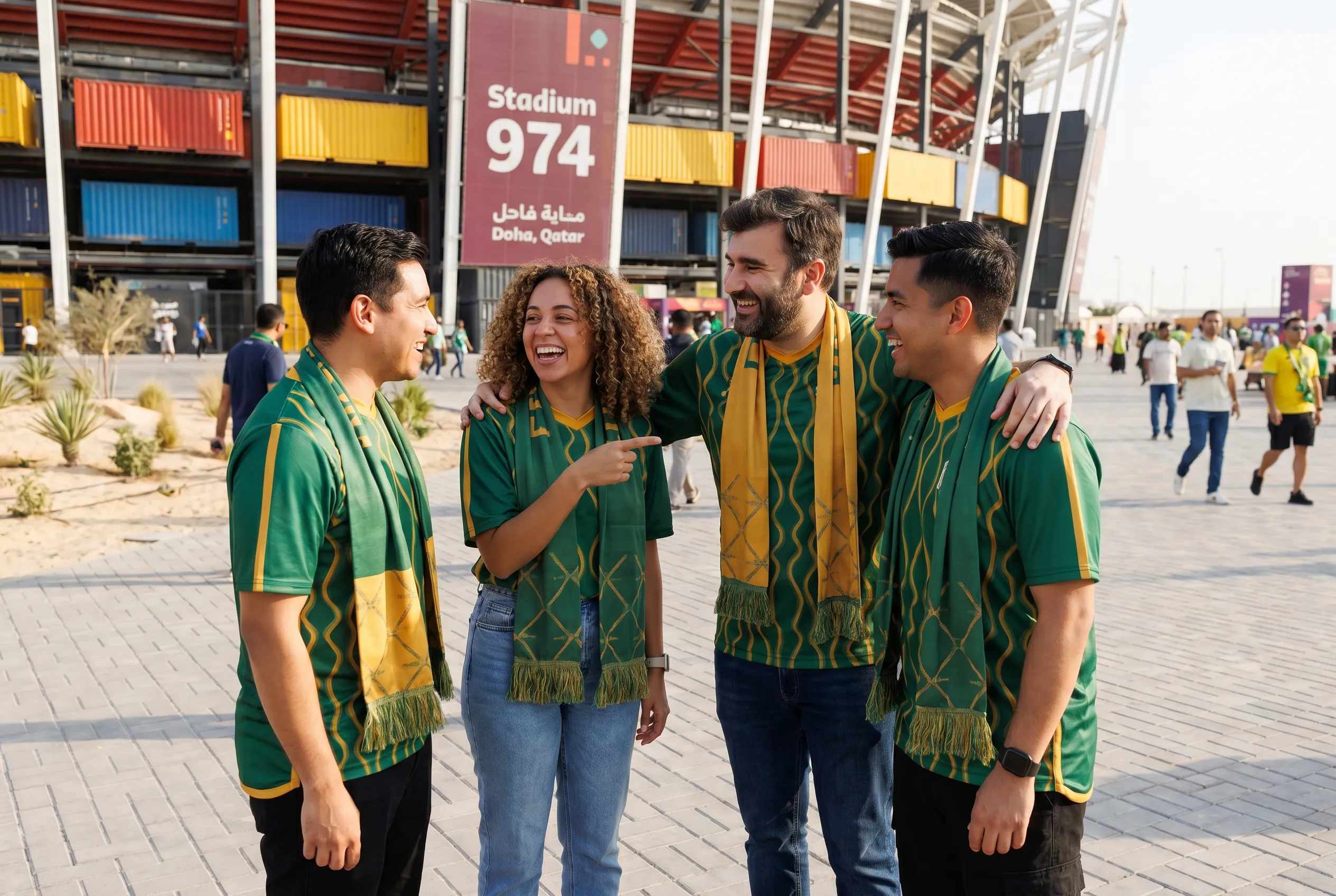
Three venues sit firmly in car-dependent territory: GEHA Field at Arrowhead Stadium in Kansas City, Levi's Stadium in Santa Clara, and the stadiums in Monterrey and Guadalajara. Monterrey's Estadio BBVA and Guadalajara's Estadio Akron are modern facilities built in suburban locations that assume private vehicle access, though both cities are working to extend bus rapid transit lines before the tournament. Fans flying into these Mexican cities should budget for taxis or ride-shares and expect match-day traffic to add significant travel time. The stadiums themselves offer good sightlines and amenities, but the surrounding areas lack the density of restaurants and bars that make pre-match wandering enjoyable.
Mexico City's Estadio Azteca stands apart as a venue with deep history and metro access, though the system's complexity and crowding can intimidate first-time visitors. The stadium's high altitude affects play and fan endurance alike, and the surrounding neighborhood requires street smarts. Still, Mexico City's food culture and the stadium's iconic status make it a pilgrimage site for soccer fans, and those who navigate the logistics are rewarded with atmosphere few venues can match.
What the Rankings Mean for Your Trip
These rankings aren't meant to steer you away from lower-tier stadiums if your favorite team is playing there or if you're chasing a specific match. A knockout game at AT&T Stadium will deliver drama regardless of transit headaches, and the chance to see a match at Estadio Azteca outweighs logistical friction for many fans. Instead, use these assessments to set expectations and plan accordingly: book hotels near transit lines for top-tier venues, budget extra time and money for ride-shares at car-dependent stadiums, and research weather patterns if you're attending an open-air venue in Houston or Miami during summer.
The beauty of a sixteen-stadium tournament is that fans can choose their own adventure, balancing match importance against travel convenience and city appeal. A group-stage match at BC Place might offer better overall experience than a round-of-sixteen game at a suburban stadium with limited transit, especially if you're combining the trip with sightseeing. Consider your priorities—are you maximizing soccer matches seen, or building a broader North American travel experience around one or two carefully chosen games?—and let the stadium characteristics guide your ticket strategy.
Tags: #WorldCup2026 #StadiumGuide #NorthAmericaTravel #SoccerTravel #FIFAWorldCup #TravelPlanning
Sources consulted: FIFA host destinations
All trademarks are the property of their respective owners.
Ask Karpo First
Still weighing which stadiums to target for your 2026 World Cup journey? Text Karpo with your must-see teams, travel dates, and whether you're road-tripping or flying between cities. We'll build a custom itinerary that balances match access with transit reality, flag the host cities that match your interests beyond soccer, and help you decide if that third stadium stop is logistically feasible or a recipe for burnout.