Alexander Zverev arrives at the 2026 US Open with a complex narrative that makes him one of the most fascinating contenders in the men's draw. The German captured his first Grand Slam title at Roland Garros earlier this season, then reached the Wimbledon final in July before falling to Jannik Sinner. His game possesses the weapons to dominate on hard courts, yet his history at the US Open includes a painful runner-up finish in 2020 when he held a two-set lead against Dominic Thiem only to lose in five sets. That match remains a defining moment in his career, and how he has evolved since then will determine whether he can break through in New York.
Text Karpo Now: Tell us what you want from Alexander Zverev’s US Open Chances After Another Major Final, and Karpo can track official updates, match timing, tickets, transit, and the easiest way to plan your US Open day.
The Serve That Opens Doors
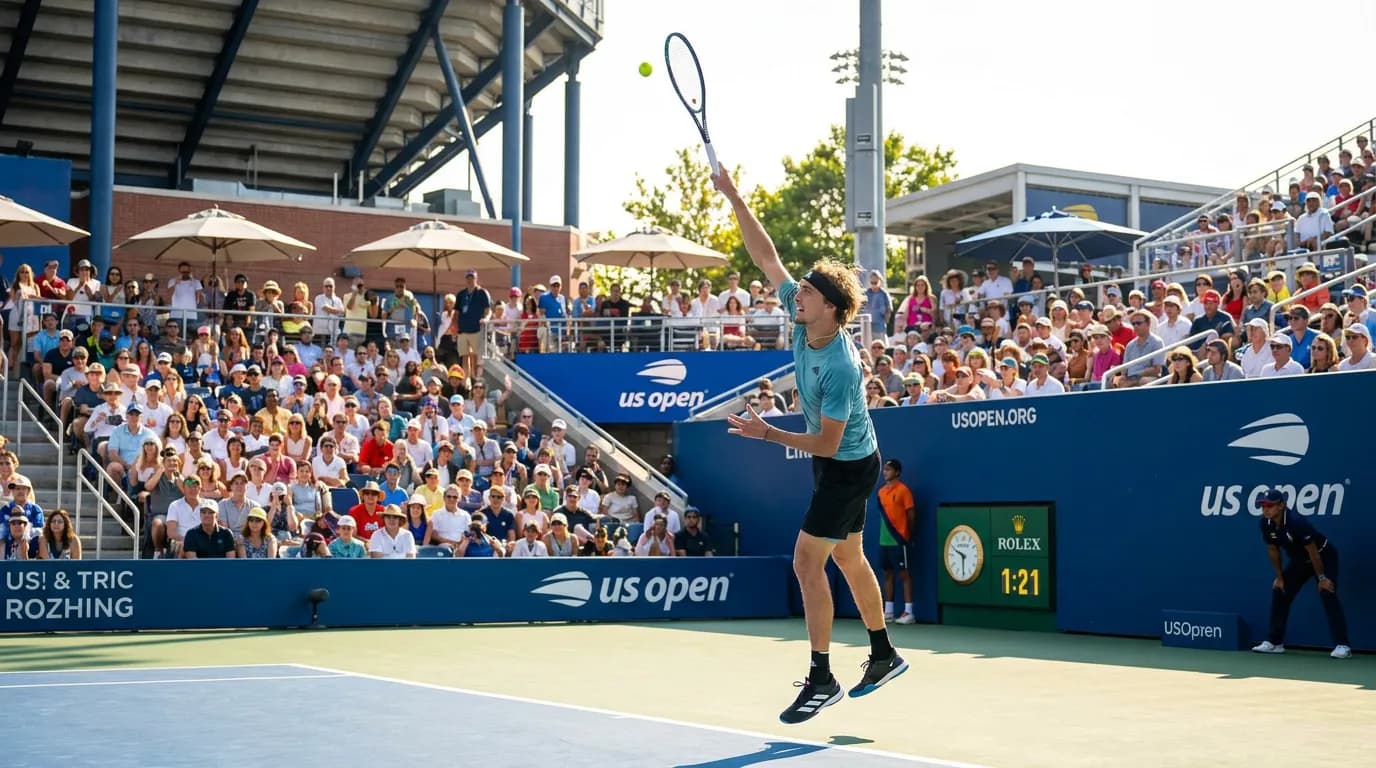
Zverev's serve is the foundation of his game and the primary reason he remains dangerous on every surface. Standing six feet six inches tall, he generates natural leverage that produces consistent power without requiring maximum effort. The combination of speed and placement means return games against Zverev become exercises in survival rather than opportunities to attack. On the fast courts at the US Open, where the ball comes through quickly and sits up at a comfortable height for tall players, his serve becomes even more potent.
What separates Zverev from other big servers is his ability to use the serve tactically rather than simply blasting away. He varies pace, spin, and location throughout matches, keeping opponents off balance even when his raw velocity dips. His second serve, while occasionally vulnerable under extreme pressure, typically carries enough kick and depth to prevent aggressive returns. In best-of-five-set matches, this serving consistency allows him to conserve energy during service games and focus his physical and mental resources on return games and crucial points.
Backhand as a Primary Weapon
While many modern players rely heavily on their forehands, Zverev has developed a backhand that functions as his primary offensive weapon. The shot combines power, consistency, and versatility in ways that few players can match. He hits his two-handed backhand with exceptional depth, pushing opponents behind the baseline and creating opportunities to move forward or redirect the ball. The backhand down the line is particularly dangerous, often catching opponents leaning toward their forehand side and opening the court for winners.
This backhand strength creates tactical advantages throughout matches. Opponents cannot simply target one wing and expect to dominate exchanges. Instead, they must construct points carefully, knowing that Zverev can hurt them from either side. In baseline rallies, he often seeks to establish backhand-to-backhand patterns, where his combination of height and timing gives him a structural advantage over most opponents. The shot also holds up under pressure better than his forehand, which can become erratic during tense moments.
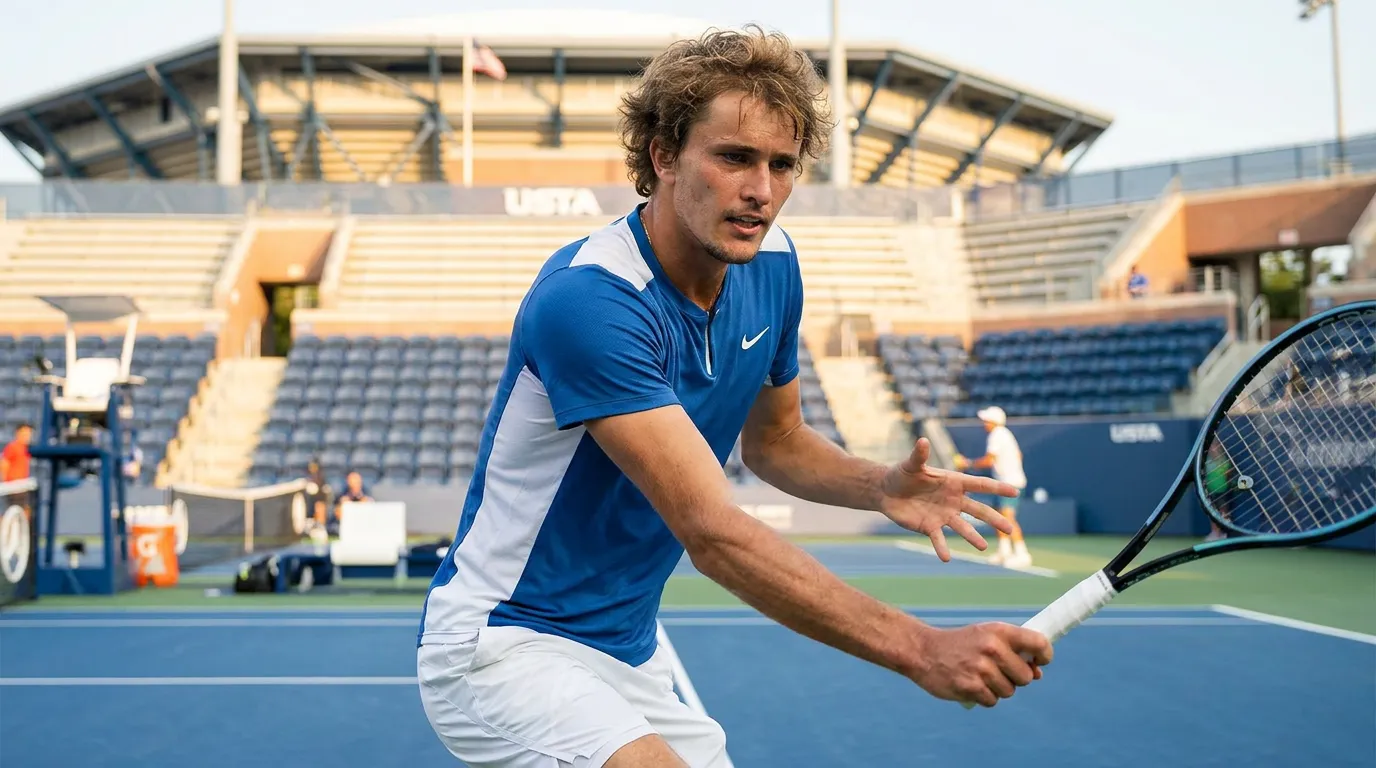
Five-Set Endurance and Mental Stamina
The best-of-five-set format at Grand Slams presents unique challenges that extend beyond pure tennis ability. Physical conditioning, mental resilience, and tactical adjustment all become magnified over the course of potentially five hours on court. Zverev has shown he can win long matches, but his record in the deepest rounds of majors suggests that maintaining his highest level across multiple weeks and multiple five-setters remains an area of concern. The 2020 US Open final demonstrated both his ability to dominate for extended periods and his vulnerability when momentum shifts against him.
Managing energy across a two-week tournament requires careful attention to recovery, practice loads, and in-match efficiency. Zverev's serve helps him hold comfortably in most matches, but when he faces elite returners or finds himself in extended baseline battles, the physical demands accumulate. His movement, while improved in recent years, requires significant effort given his height and frame. Quick direction changes and repeated sprints to the corners can take their toll, particularly in the humid conditions that often prevail in New York during late August and early September.
The Challenge of Closing Finals
Zverev's record in major finals presents the most significant question mark surrounding his US Open chances. Before his Roland Garros triumph in 2026, he had experienced heartbreak in championship matches, most notably at the 2020 US Open. That loss, where he served for the championship at 5-3 in the fifth set before losing four consecutive games, revealed mental fragility at the most critical moments. The ability to close out major finals separates good players from champions, and until his French Open victory, Zverev had not demonstrated he could handle the unique pressure of those final hours.
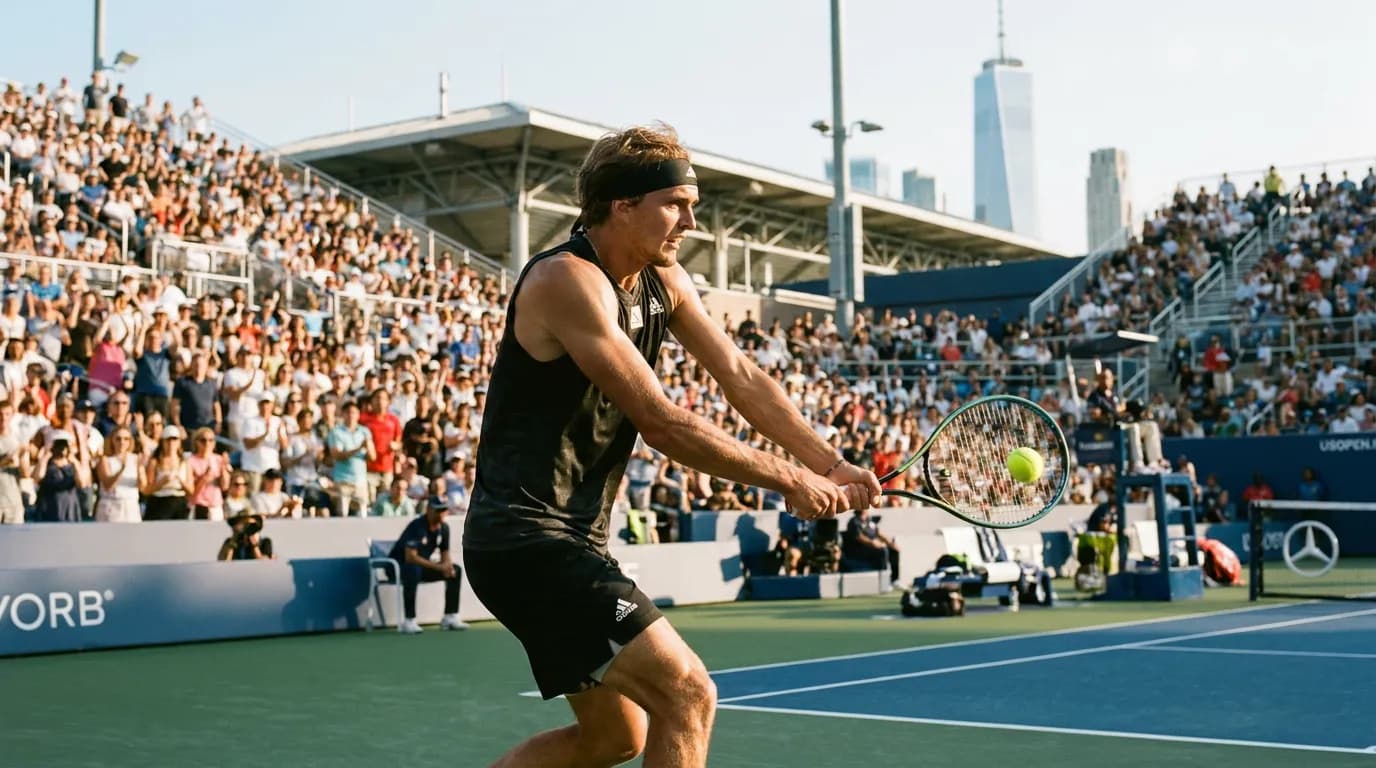
His Roland Garros title should provide confidence that he can finish the job, but clay court finals and hard court finals present different challenges. The US Open crowd creates a distinctive atmosphere, with night sessions under the lights in Arthur Ashe Stadium producing energy that can either lift players or overwhelm them. The courts play faster than Roland Garros, meaning points develop more quickly and margins for error shrink. Zverev will need to draw on his French Open experience while adapting to the specific demands of New York. His recent Wimbledon final loss to Sinner shows he continues to reach the biggest stages, but converting those opportunities into titles remains the defining challenge of his career.
The mental aspect of closing finals involves managing not just the immediate pressure of championship point, but the accumulated weight of previous disappointments and the awareness that opportunities at this level are precious and finite. Zverev must balance aggression with patience, maintaining his attacking style while avoiding the unforced errors that can creep in when tension rises.
Practical Notes
The US Open runs from late August through early September, with the men's final scheduled for the second Sunday. Evening sessions in Arthur Ashe Stadium typically showcase top players during the tournament. The grounds offer multiple courts and viewing opportunities, so even without tickets to Ashe Stadium, fans can watch matches on the outer courts during early rounds. Arriving early for sessions allows you to watch practice courts, where players warm up and work on specific aspects of their games. Bring sun protection for day sessions and layers for evening matches, as temperatures can drop significantly once the sun sets.
Tags: #USOpen2026 #Tennis #GrandSlam #NewYorkTennis #ArthurAsheStadium #FlushingMeadows #USOpenGuide #TennisFans #SportsTravel #HardCourt #NewYork #KarpoFinds
Sources consulted: atptour.com — Official reference · usopen.org — Official reference · usopen.org — Official reference
All trademarks are the property of their respective owners.
Ask Karpo first
Before you lock in tickets or build a full day around an unconfirmed schedule, ask Karpo first. Share your dates, budget, and favorite players, and Karpo can help turn official US Open updates into a practical New York plan.