 Where to Eat Near Penn Station That Isn't a Chain
US Open 2026
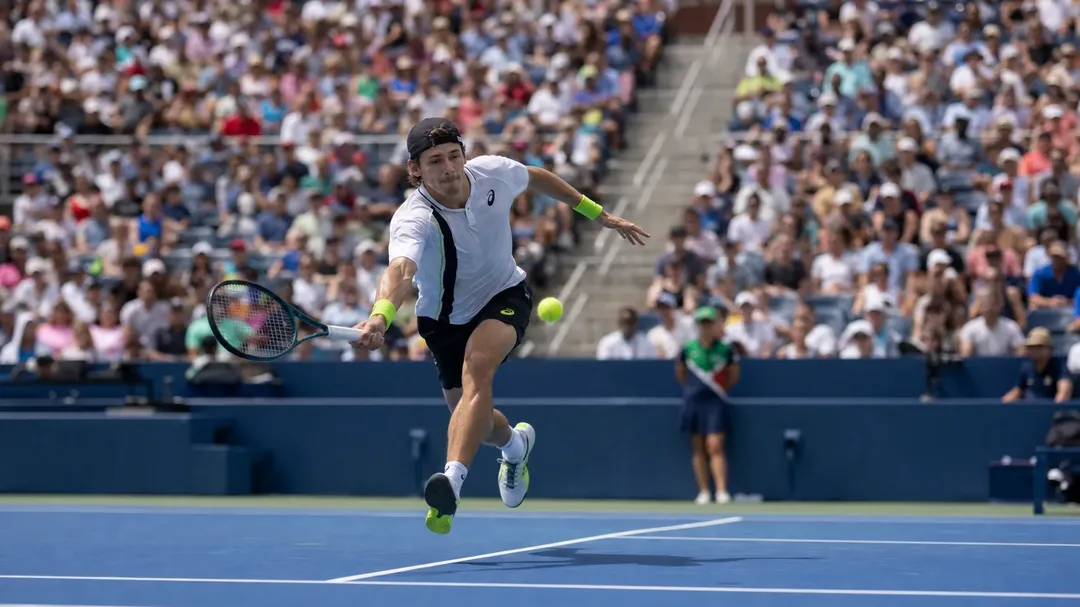
Alex de Minaur’s Speed Could Reshape the US Open Draw
If Alex de Minaur is in the US Open field, his speed and early counterpunching could create uncomfortable hard-court questions for opponents.
Alex de Minaur’s game is easy to describe and harder to solve. The durable, public tennis facts are straightforward: he is known for speed, defensive coverage, and early counterpunching. Anything tied to a future US Open field, seed, draw position, opponent, or result must remain conditional until official information is available. Even so, fans can still use his style as a practical tactical lens. If de Minaur appears in New York, he would not need to overpower a section of the event with one huge shot to make opponents uncomfortable. His influence could come from extending points, taking time away on early balls, forcing attackers to choose smaller targets, and turning routine hard-court exchanges into repeated tests of patience and accuracy.
Text Karpo Now: Tell us what matters most for Alex de Minaur s Speed Could, and Karpo can turn current US Open updates into a practical plan before you go.
Why Speed Changes A Draw
Speed matters differently on a hard court than it does on slower clay or lower-bouncing grass. On a New York hard court, quick recovery can help a defender turn the point from survival into redirection. De Minaur’s reputation for defensive coverage means an opponent cannot assume that a strong first attack will finish the exchange. A wide forehand, deep backhand, or firm approach may still come back low, early, and awkward.
That changes the calculation. Instead of hitting one more controlled ball, an opponent may try to end the rally too soon. A player with de Minaur’s profile can affect a match without leading every visible category. The obvious effect is court coverage; the hidden effect is doubt. If an attacker feels that every finishing shot must be perfect, normal service games and baseline rallies can begin to feel more expensive.
Serve And Return Geometry
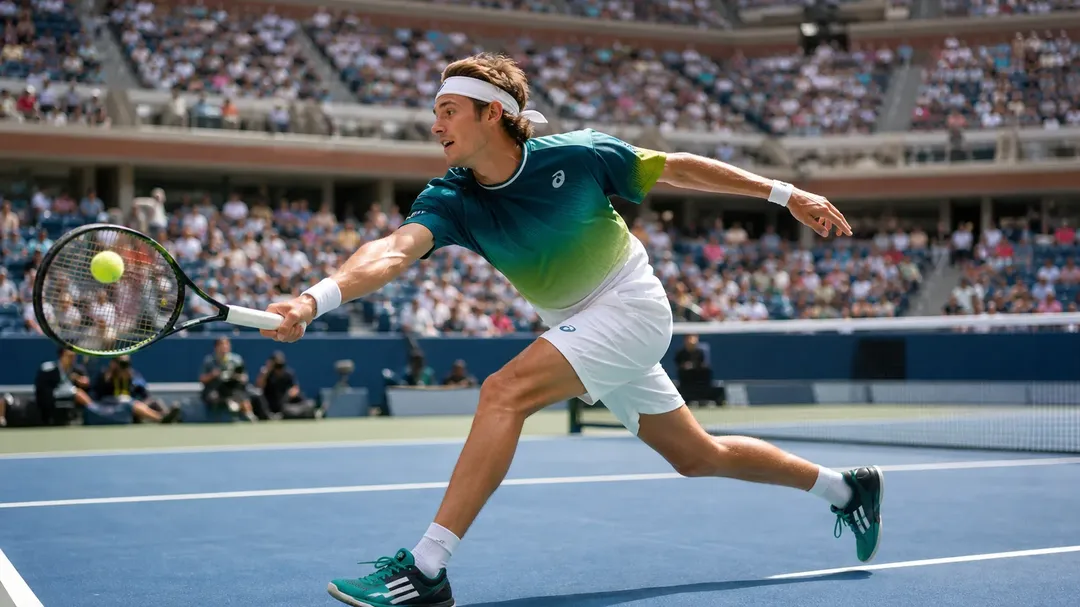
Against a speed-based counterpuncher, serve patterns are not only about pace. They are about where the next ball will be played. If de Minaur is returning effectively, opponents may look for body serves to reduce his first step, wide serves to open the court, or heavier serves into the backhand side to limit immediate redirection. Each option carries risk. A wide serve can create space, but it can also give a fast returner an angle to block the ball back into an uncomfortable area. A body serve can jam the swing, but if it misses its spot, it may sit in a hittable zone.
On return, the key question is whether he is taking the ball early enough to deny the server a clean first forehand. Early counterpunching does not always look spectacular. Sometimes it is a short backswing, a firm block, or a low cross-court reply that lands deep enough to make the server hit up. When that pattern repeats, service games can become less about aces and more about second shots under pressure.
- Watch whether his returns land deep through the middle or pull the server off the court.
- Notice if opponents use more body serves as rallies tighten.
- Track the first shot after the return, because that is often where the pattern is decided.
- Look for rushed errors after balls that seemed good enough to win the point.
Movement Under Pressure
De Minaur’s speed is not just straight-line running. The more important detail is how quickly he can brake, balance, and send the ball back with purpose. On a hard court, the recovery step after contact can matter as much as the sprint to the ball. A defender who drifts too far after contact leaves the next corner open. A defender who stops cleanly can make the attacker hit one extra ball from a less comfortable position.
Pressure management is closely connected to that movement. A player facing de Minaur may win plenty of points, but the question is how much risk is required to win them. If the attacker has to paint the line, hit behind him perfectly, or finish at net with little margin, the match can feel more complicated than the scoreboard suggests. Conversely, if an opponent uses height, depth, and patient direction changes, speed becomes less disruptive. The matchup often turns on whether de Minaur is defending from balance or stretching from desperation.
What Fans Should Watch
For viewers, the best way to read a de Minaur-style match is not to count only winners. Watch court position. If he is standing on or near the baseline after returns, he is probably taking time away. If he is several feet behind the baseline and running side to side, the opponent is likely controlling the geometry. Also watch the height of his replies. A low, skidding ball can make an aggressive player bend and lift; a floating reply can invite a direct strike.
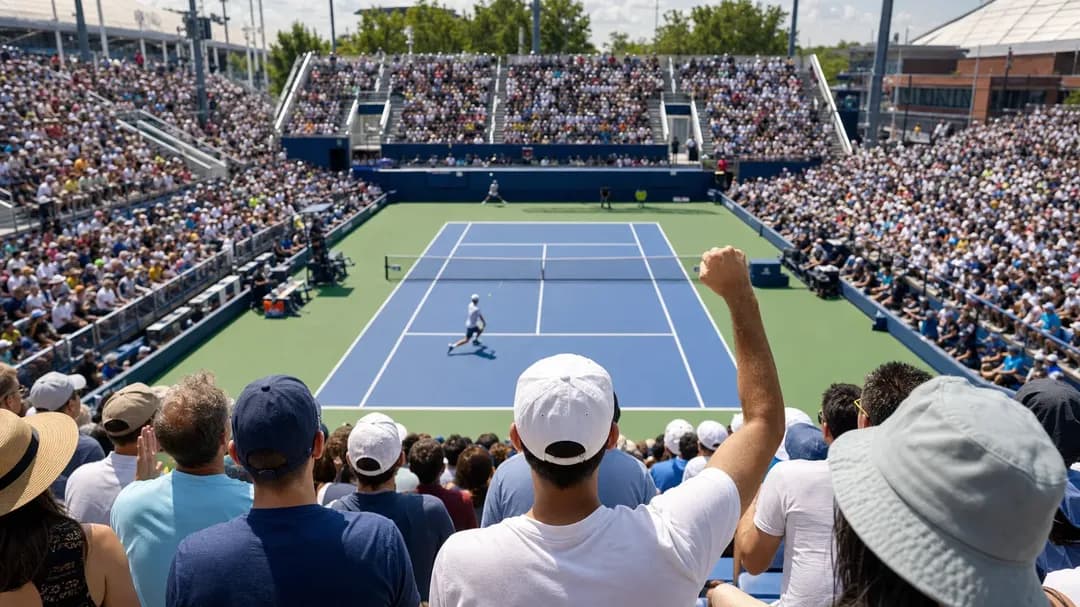
Hard-court geometry is simple: every angled shot creates both opportunity and exposure. A player who opens the court must recover before the counterangle arrives. De Minaur’s early counterpunching can punish overcommitment because he is trying to meet the ball before the opponent fully resets. If he can redirect down the line after absorbing a cross-court attack, the point changes instantly. If the ball sits short, the advantage disappears and the attacker can step forward.
- After a wide serve, see whether the server controls the next ball or gets pulled into defense.
- During long rallies, notice who changes direction first and whether that change is forced.
- On approach shots, watch whether the passing attempt is hit early or from a late stretch.
- In tight games, look for safer targets rather than only spectacular shot-making.
None of this assumes a future seed, opponent, round, or result. It is a tactical framework. If official US Open information places de Minaur in the draw, fans can apply these cues from the first service game onward. If not, the same ideas still explain why speed-based counterpunchers can be uncomfortable on a hard court.
Practical Notes
For New York visitors, official player lists, draws, and daily schedules should guide any plans built around a specific player. If de Minaur is listed, warmups can be useful because footwork, return position, and recovery habits are often easier to study before scoreboard pressure begins. Day sessions can feel different from evening sessions, so basic comfort planning matters across the grounds. If choosing between courts, a lower viewing angle can be especially helpful for judging return depth, recovery speed, and how much space each player is defending. The main viewing question is simple: does his movement merely keep him alive, or does it make the opponent play a less comfortable next ball?
Tags: #USOpen2026 #Tennis #GrandSlam #NewYorkTennis #ArthurAsheStadium #FlushingMeadows #USOpenGuide #TennisFans #SportsTravel #HardCourt #NewYork #KarpoFinds
Sources consulted: atptour.com — Official reference · usopen.org — Official reference · usopen.org — Official reference
All trademarks are the property of their respective owners.
Ask Karpo first
Want to know what is confirmed, when to show up, and how to make alex de minaur s speed could work for your day? Ask Karpo for current US Open updates, a respectful fan plan, and a live route around Flushing Meadows.
Ask Karpo for more information.
Keep reading
- Where to Eat Near Penn Station That Isn't a Chain
 Andytown Coffee in the Outer Sunset: The Snowy Plover Explained
- Best Things to Do in Chicago: What the City Gives Away