 Where to Eat Near Penn Station That Isn't a Chain
US Open 2026
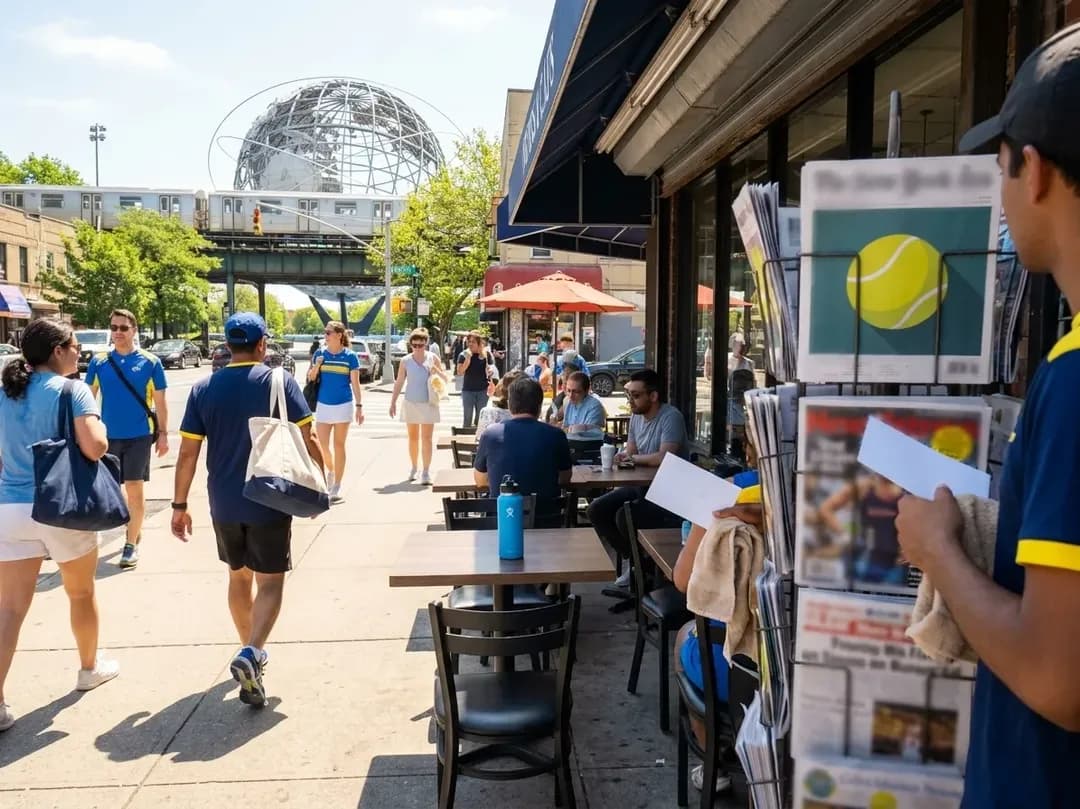
Air Force One Newsstand Route During US Open 2026
A practical guide to planning your arrival, transit backup, and neighborhood rhythm around the 2026 US Open in Queens.
The 2026 US Open runs August 23 through September 13 at the USTA Billie Jean King National Tennis Center in Flushing Meadows Corona Park, Queens. Fan Week begins August 23, and the main draw starts August 30. Whether you are catching a single session or planning multiple visits across the tournament, your experience depends as much on how you move through Queens as what happens on court. This guide helps you build a transit backup, time your arrival, and map useful stops along the 7 train corridor and surrounding neighborhoods so you can focus on the tennis, not the logistics.
Text Karpo your match session, neighborhood start point, and appetite, and we will turn this travel / transit backup into a live Queens plan.
Understanding the 2026 US Open schedule
The official schedule divides into two phases. Fan Week, August 23–29, offers practice sessions, qualifying matches, and community events with more flexible entry and lighter crowds. The main draw begins August 30 and runs through the finals on September 13. Day sessions typically start late morning, evening sessions begin in early evening, and some days feature both. Check USOpen.org closer to your visit for exact session times, gate openings, and any schedule changes due to weather. Knowing whether you are attending a day or evening session shapes your transit timing, meal planning, and neighborhood routing.
Primary transit: the 7 train to Mets–Willets Point
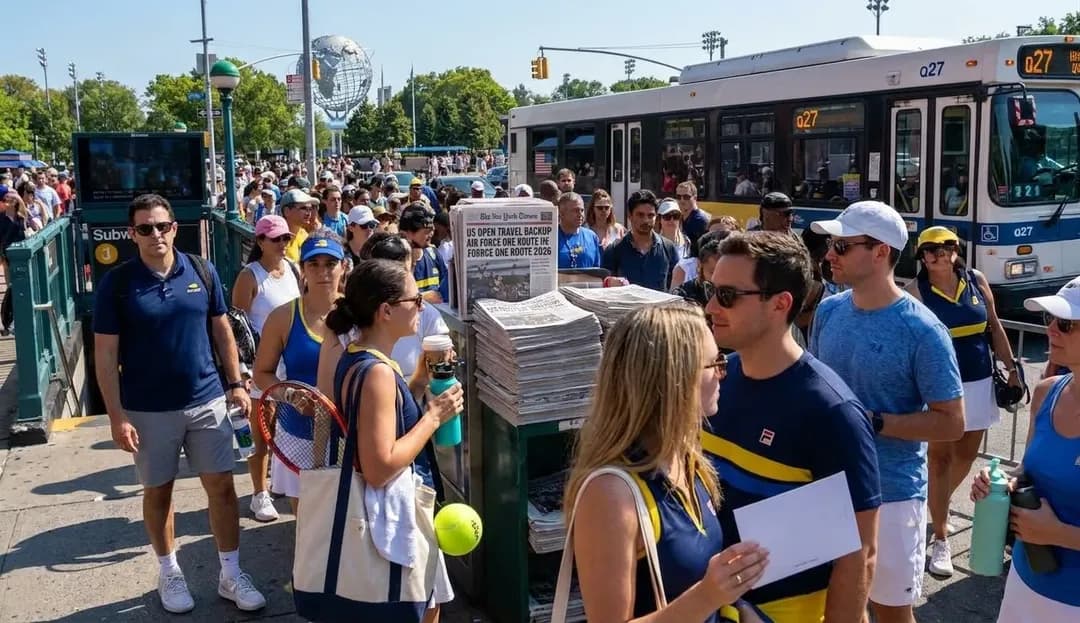
The 7 train is the backbone of US Open transit. The Mets–Willets Point station sits adjacent to the tennis center, and the MTA adds extra service during the tournament. Expect crowded platforms and trains before day sessions start and after evening sessions end. If you are traveling from Manhattan, the 7 runs express and local; express trains skip intermediate stops and save time, but locals serve every station along the corridor. Build in buffer time—plan to arrive at least 30 to 45 minutes before your session begins, especially for weekend matches and later rounds. The walk from the station platform to the tennis center gates takes about five to ten minutes depending on crowd flow.
Transit backup options and alternate routes
A transit backup is not about avoiding the 7 train—it is about having a plan when service is delayed, trains are packed, or you want to explore Queens before or after your session. The Long Island Rail Road offers another option: LIRR trains stop at Mets–Willets Point during the tournament, connecting from Penn Station, Atlantic Terminal, and points east. LIRR is faster and less crowded than the subway, but requires a separate fare. Local buses, including the Q48, serve the area, though they are slower and subject to traffic. If you are staying in western Queens—Astoria, Long Island City, Sunnyside—consider taking the N or W train to Queensboro Plaza or the E, F, M, or R to Jackson Heights–Roosevelt Avenue, then transferring to the 7. Mapping these connections in advance gives you flexibility if your primary route falters.
Neighborhood stops along the 7 train corridor
The 7 train corridor threads through some of Queens' most vibrant neighborhoods, and each offers practical stops for meals, coffee, or a quieter moment before or after the tennis. Jackson Heights, a few stops west of Mets–Willets Point, is known for South Asian and Latin American restaurants, bakeries, and street food. Woodside, one stop further west, has Thai, Filipino, and Irish establishments. Flushing–Main Street, the eastern terminus, is a major commercial hub with Chinese, Korean, and Malaysian dining, bubble tea shops, and supermarkets. Long Island City and Court Square, on the western end, offer waterfront parks, cafés, and views of Manhattan. Planning a meal or rest stop at one of these stations turns your US Open visit into a fuller Queens experience and helps you avoid the crowds and prices inside the tennis center.
Weather, timing, and on-site rhythm
Late August and early September in New York can bring heat, humidity, afternoon thunderstorms, and occasional cool fronts. The tennis center has covered seating in Arthur Ashe Stadium and Louis Armstrong Stadium, but many outer courts and walkways are exposed. Bring sun protection, a hat, a refillable water bottle, and a light layer for air-conditioned indoor spaces or evening cooling. Rain delays are common; if storms roll in, matches pause and crowds compress under cover. Use that time to explore the grounds, grab food, or people-watch rather than fighting for a seat. Arriving early gives you time to orient yourself, find your seat, and settle in before the first serve. Leaving a few minutes before the final match ends can help you beat the platform crush at Mets–Willets Point.
- Check the official US Open schedule and gate times at USOpen.org before you leave.
- Download the MTA app or check new.mta.info for real-time 7 train service updates.
- Bring a portable charger—your phone will be your ticket, camera, and schedule tracker.
- Wear comfortable shoes; the tennis center grounds are large and you will walk more than you expect.
- Plan a meal stop in Jackson Heights, Woodside, or Flushing before or after your session.
- Carry a small bag that meets US Open security guidelines to speed up entry.
- Respect the neighborhood—keep noise down on residential blocks and dispose of trash properly.
- If rain delays your session, use the time to explore the grounds or rest rather than rushing out.
Flushing Meadows Corona Park beyond the tennis
The US Open sits within Flushing Meadows Corona Park, a 900-acre public park with meadows, playgrounds, the Queens Museum, the New York Hall of Science, and the Unisphere. If you arrive early or have time after your session, the park offers quiet walking paths, shaded benches, and open space away from the tournament crowds. The Unisphere, a 140-foot steel globe built for the 1964 World's Fair, is a short walk from the tennis center and makes for a memorable photo stop. The park is free and open to the public year-round; check nycgovparks.org for current hours and any event closures. Treating the park as part of your visit, not just a backdrop, deepens your sense of place and gives you a breather between matches or transit legs.
Respectful visitor habits and neighborhood courtesy
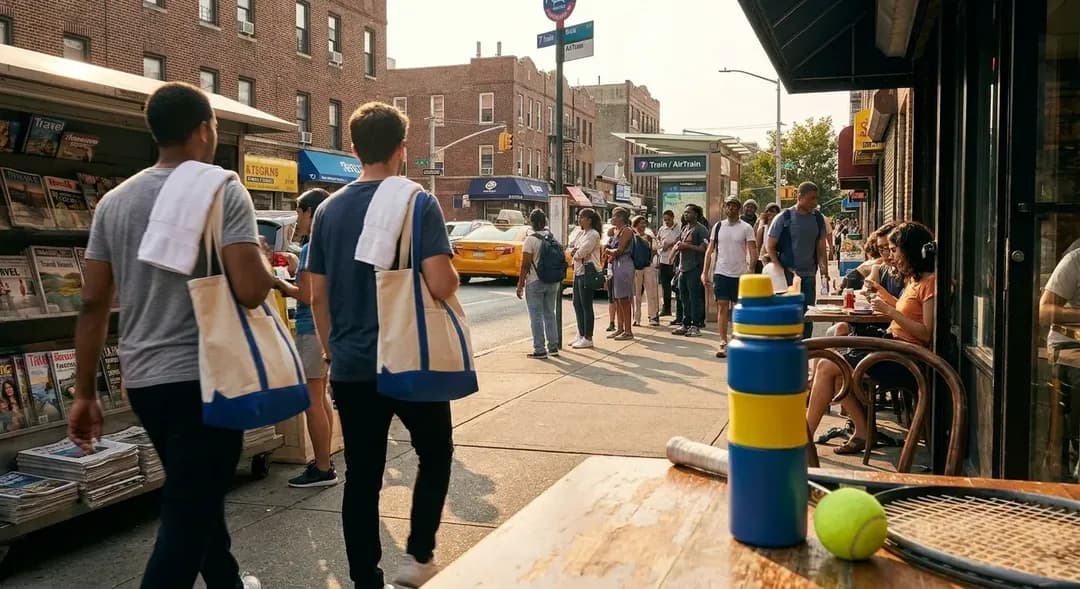
The US Open brings hundreds of thousands of visitors to Queens over three weeks, and the neighborhoods around Flushing Meadows are home to working families, small businesses, and longtime residents. Respect the rhythm of the place. Keep sidewalks clear, follow crosswalk signals, and avoid blocking driveways or bus stops. If you stop for food or coffee, tip service workers fairly and be patient during rush times. Dispose of trash in bins, not on the street or subway platform. If you are taking photos, be mindful of people's privacy and avoid blocking pathways. These small courtesies help ensure that the tournament remains a welcome event for the community, not just a disruption, and they reflect well on all visitors.
Karpo™ is a trademark of Karpo Inc. All recommendations are for planning purposes only and should be confirmed with official sources before travel.
Tags: #USOpen2026 #Queens #FlushingMeadows #KarpoFinds #Karpo #TennisTravel #NYCLocalLife #FanWeek #USTennis #NewYorkGuide #AirForceOne #Buzz
All trademarks are the property of their respective owners.
Ask Karpo first
Want to know what is actually open, how to time the trip, and where to pause around Queens? Ask Karpo for the latest public US Open context, a respectful visitor plan, and a live route around Flushing Meadows before you head out.
Ask Karpo for more information.
Keep reading
- Where to Eat Near Penn Station That Isn't a Chain
 Andytown Coffee in the Outer Sunset: The Snowy Plover Explained
- Best Things to Do in Chicago: What the City Gives Away