The Goal That Never Happened
On June 23, a video of Cristiano Ronaldo scoring a bicycle kick against Croatia spread across social media like wildfire. Within two hours it had been viewed 28 million times across TikTok, X, and Instagram. Sports accounts with millions of followers reposted it. Fans flooded comment sections celebrating the goal. There was just one problem: the goal never happened. The video was generated entirely by artificial intelligence, and it was so convincing that even experienced football journalists shared it before realizing their mistake.
The Scale of the Problem Is Unprecedented
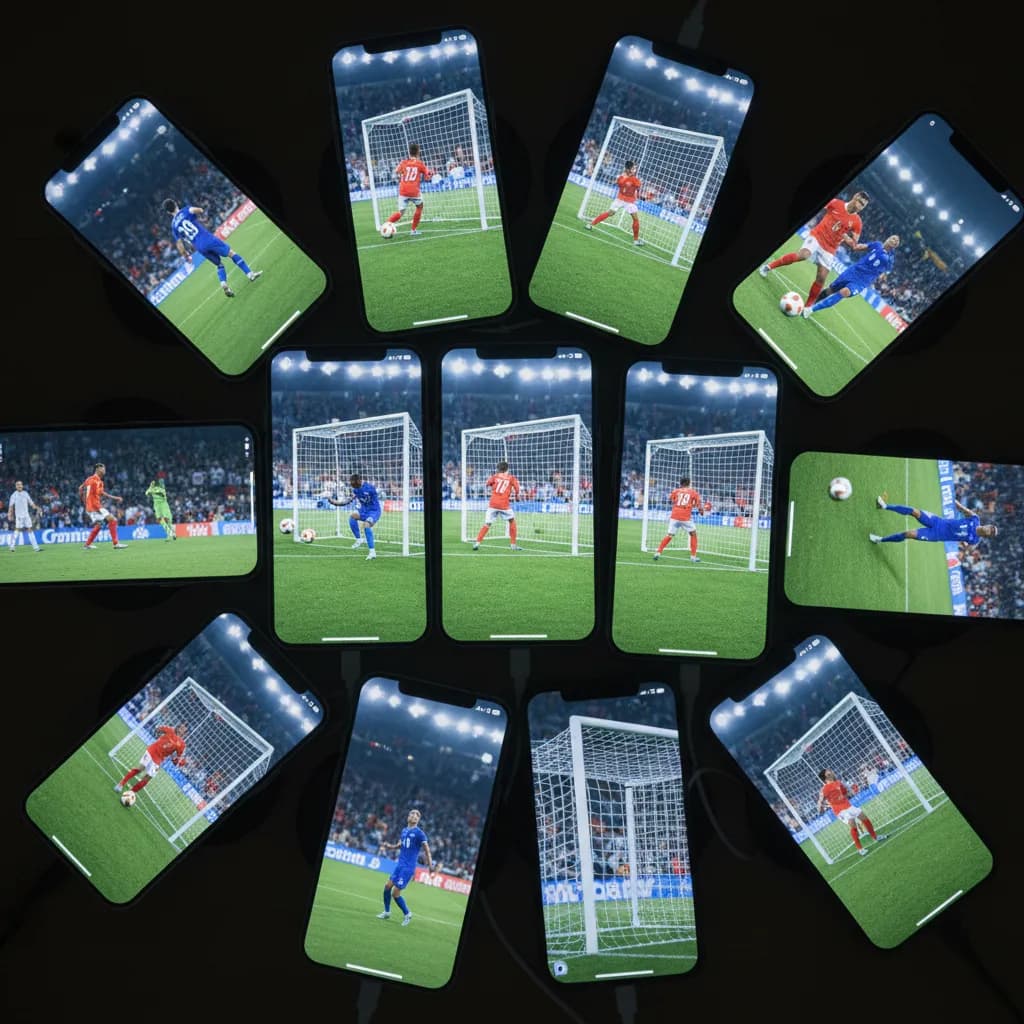
The 2026 World Cup has become ground zero for AI-generated sports misinformation. Researchers at the MIT Media Lab have identified over 300 fake World Cup highlight clips that collectively received more than 500 million views in the first two weeks of the tournament. The fakes range from obviously synthetic to disturbingly realistic — some recreate specific camera angles, commentator voices, and crowd reactions with such accuracy that they are nearly indistinguishable from genuine broadcast footage. The technology has advanced dramatically since the last major tournament in 2024, when AI-generated sports content was crude and easily identifiable.
How the Fakes Are Created
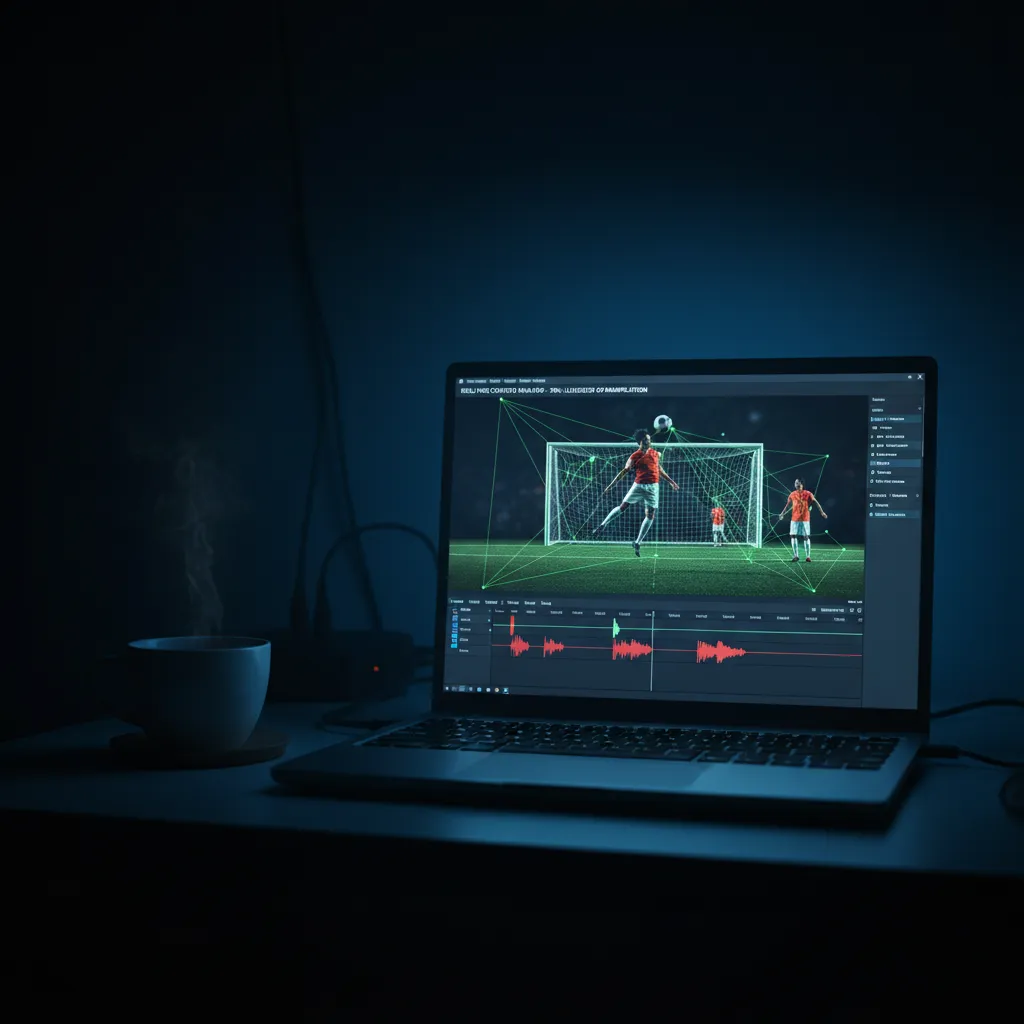
Modern AI video generators can produce 15-second clips of photorealistic soccer action in under three minutes. The tools — available to anyone with an internet connection and a credit card — allow users to specify players, stadiums, camera angles, and even specific goal types. The most sophisticated fakes layer in authentic broadcast graphics, scoreline overlays, and commentary audio cloned from real commentators. Some creators go further, generating fake post-goal celebrations and crowd reactions that match the specific stadium where the fabricated match supposedly took place.
Journalists and Broadcasters Have Been Caught Out
At least four major sports media outlets have published stories based on AI-generated content before issuing corrections. A prominent US sports network aired a 30-second clip of a supposed Messi free kick before their verification team flagged it as synthetic. A British tabloid published an article about a "controversial VAR decision" that never occurred, basing their reporting on a fake video shared by a verified account. The speed of social media makes traditional fact-checking nearly impossible — by the time a fake is identified, it has already been seen by millions and embedded in the public memory of the tournament.
FIFA's Response Has Been Slow
FIFA issued a statement urging fans to verify highlights through official channels, but has not implemented any systematic countermeasures. The organization's official app and website provide verified highlights, but they are often slower than social media — creating a window in which fake content fills the gap. Some broadcasters have begun watermarking their footage to distinguish it from AI-generated content, but the watermarks can be easily removed or replicated by sophisticated AI tools.
The Deeper Concern: Memory and History
The most troubling aspect of AI-generated World Cup content is not the immediate misinformation but the long-term impact on collective memory. In five years, when fans look back on the 2026 World Cup, how many of their memories will be based on goals that never happened? The line between real and fake has become so blurred that even verified content is now met with skepticism. The 2026 World Cup may be remembered not just for its football but as the moment when sports fans lost the ability to trust what they see.
What Fans Can Do to Protect Themselves
The simplest defense is to verify any highlight through FIFA's official channels or established broadcasters before sharing. Look for signs of AI generation: unnatural ball physics, players whose movements are slightly too smooth, crowd reactions that do not match the moment, and commentary that sounds subtly off. Most importantly, resist the urge to share spectacular content immediately — the 30 seconds it takes to verify a clip could prevent millions of views on a fake.
Tags: World Cup 2026, AI deepfake, fake goals, misinformation, social media, FIFA, artificial intelligence, sports media, fact-checking, technology
Sources consulted: ESPN · Al Jazeera · BBC Sport
All trademarks, team names, league names, and player likenesses mentioned in this article are the property of their respective owners and are used here for informational and editorial purposes only.
Ask Karpo First
Want to find verified World Cup highlights and reliable match results? Ask Karpo for official score updates, real-time match tracking, and trusted sources for World Cup 2026 content.