 Mediterranean Food Near Me in Fort Greene: Miss Ada's Garden and Hummus
Neighborhood Guides
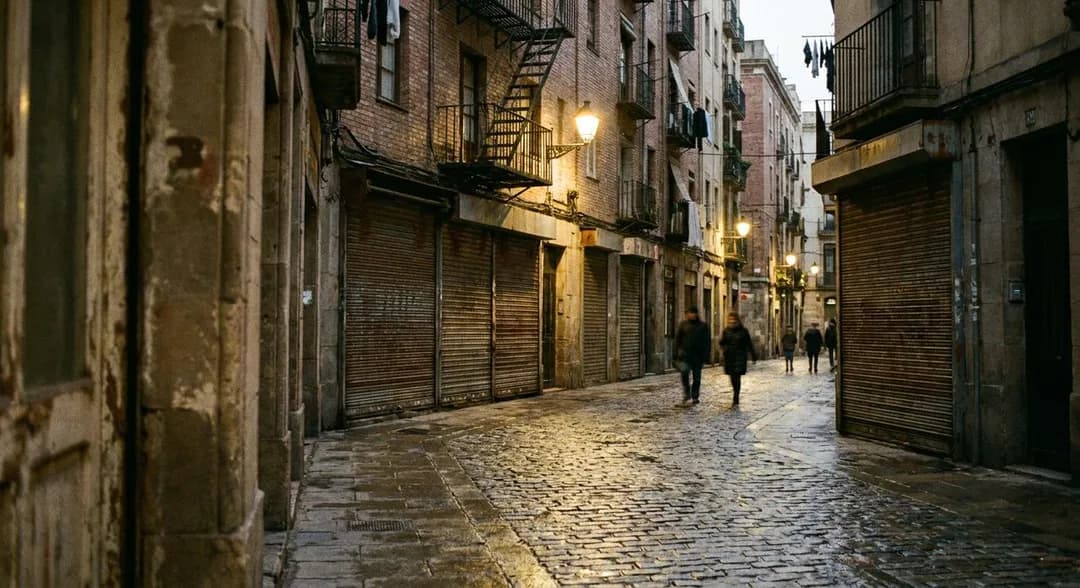
After Spurs vs Knicks, the Slow Walk Down Orchard Street
The game ends at Madison Square Garden, but the real night starts when you wander south through lit storefronts and empty handball courts.
The Garden Empties, the Streets Fill
The final buzzer echoes through Madison Square Garden and you're shuffling toward the exits with twenty thousand other people, but you're not heading straight to Penn Station. You walk south instead, past the Herald Square tourists and into the thinning crowds of Chelsea, then further, letting the grid pull you toward the Lower East Side. By the time you hit Houston, the Knicks game feels like it happened in another city.
Handball Courts Under Highway Light
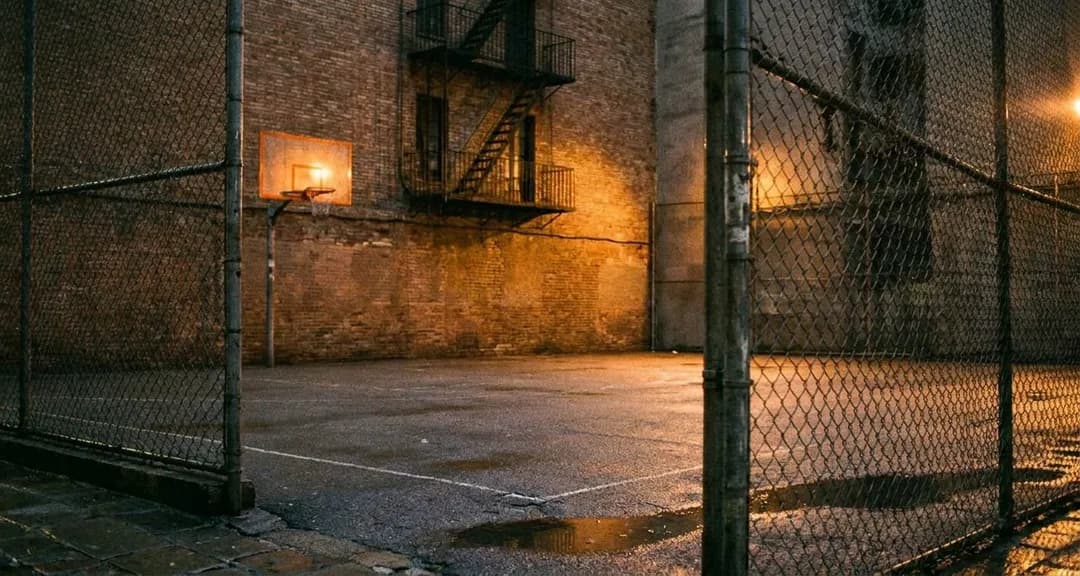
Somewhere around Stanton, you cut through the park where the handball courts sit empty under the FDR overpass. The lights have that sodium-vapor orange glow that makes everything look like a film still from the seventies. You can hear the highway above, a constant white noise that somehow makes the silence between cars feel heavier. There's usually a couple sitting on the benches here, sharing something from a paper bag, not talking. The courts themselves have that particular New York smell—wet concrete and old rubber and the East River when the wind shifts. You don't stop long, but you notice the chalk marks on the walls, the way someone's tagged their initials inside a heart, the scuff patterns on the ground that map out a thousand games. This is the part of the walk where your pulse finally slows down from the game, where you stop checking your phone every thirty seconds.
Orchard Street's Second Shift
Orchard Street after ten on a game night has its own rhythm. The fabric stores are dark but their windows stay lit, rolls of silk and wool stacked floor to ceiling behind security gates that cast diamond shadows on the sidewalk. You walk past the old pickle shops—the real ones, not the boutique versions—and catch vinegar and garlic brine cutting through the cold air. A few storefronts down, someone's still working in a tailor shop, bent over a sewing machine in a back room you can only see because the front door's propped open. The street's not empty but it's not crowded either. People move with purpose here, not the aimless weekend shuffle. You're walking south and the buildings lean in close enough that you lose the sky for a few blocks.
The Dumpling Window That Never Closes
There's a spot near Delancey where steam pours out of a basement window and you can watch someone folding dumplings through the glass. The window's at sidewalk level, and if you crouch down you see the whole operation—flour on every surface, a rhythm to the folding that's faster than your eye can track. The smell hits you before you see the window: pork and ginger and sesame oil, hot dough and scallions. Sometimes there's a line of cabs idling out front, drivers who know the place stays open when everything else shuts down. You can grab a container for a few bucks, eat them standing on the corner where the streetlight flickers in a pattern you start to recognize after your third or fourth visit. The dumplings burn your tongue but you keep eating because they're better when they're too hot, when the broth inside scalds the roof of your mouth.
Where Ludlow Bends
The street grid does something strange when you hit Ludlow—the buildings shift, the angles go slightly off, and suddenly you're walking through a corridor that feels more European than New York. The bars here have their windows open even in February, and you catch fragments of conversation in three languages, smell cigarette smoke mixing with whatever someone's grilling inside. There's a wine bar that keeps its lights low enough that you can't see faces clearly from the street, just silhouettes and the occasional flare of a lighter. The crowd that spills onto the sidewalk is dressed like they came from openings or dinners that ended hours ago, still wired, not ready to call it. You keep walking but you file the place away for another night, one when you're not still carrying the adrenaline of watching grown men fight over a basketball.
The Bodega With the Cat
Every neighborhood has a bodega that becomes your bodega, and on this walk it's the one with the orange cat sleeping on top of the beer cooler. The cat's name changes depending on who you ask—the guy working the register calls it Mango, the woman restocking shelves says it's Nacho. The fluorescent lights inside are aggressive after the dark street, but there's something grounding about standing in front of the drink case trying to decide between iced tea and seltzer while the cat watches you with profound disinterest. The bodega sells the usual stuff but also has a shelf of Mexican hot sauces you won't find anywhere else, and empanadas wrapped in foil that come out of a warmer that's probably been running since the nineties. You grab something cold and the guy at the register nods like he's seen you before even though you've never been here. That's the trick of these places—they make you feel like a regular on your first visit.
Where the Walk Ends
You end up somewhere near East Broadway, where the streets get quieter and the buildings shorter. The basketball game is hours behind you now, dissolved into the walk, into the accumulation of small observations and the particular exhaustion that comes from covering thirty-something blocks on foot. Your phone says you could catch the F train back uptown, but you're not quite ready. There's a park bench that faces back toward where you came from, and you sit for a minute watching the occasional cab cruise past. The city's still awake but it's shifted into its late mode, the one that belongs to shift workers and insomniacs and people like you who took the long way home because the short way felt wrong. Tomorrow you won't remember the final score, but you'll remember the steam from that basement window, the orange cat, the way Orchard Street smells like vinegar and possibility.
Practical Notes
Most spots along this route keep flexible hours, especially the late-night dumpling counters and bodegas that cater to the neighborhood's night workers. The walk from Penn Station to the Lower East Side takes about forty minutes at a steady pace, longer if you're stopping to look in windows or grab food. The F and M trains run from the Lower East Side back uptown if you're too tired to walk back. Weekend nights see heavier foot traffic, but weeknight post-game walks have their own appeal—fewer crowds, more room to wander. Dress for weather; there's not much shelter once you commit to the walk, and the wind off the East River cuts through the cross streets without warning.
Tags: #TheLongWayHome #LowerEastSide #NewYorkCity #PostGameWalk #OrchardStreet #LateNightNYC #MadisonSquareGarden #KnicksNight #NYCAfterDark #CityWalking #LESNights #BasketballAndBeyond #UrbanWandering #NewYorkWalks #NYCInsider
Sources consulted: timeout.com · atlasobscura.com · nycgo.com
All trademarks are the property of their respective owners.
Ask Karpo for more information.
Keep reading
- Mediterranean Food Near Me in Fort Greene: Miss Ada's Garden and Hummus
 Places To Eat Near Me in Chelsea: The Market Fills a Nabisco Factory
 Seafood Near Me in the East Village: The Mermaid Inn's Dollar Oysters