 Haaland Has Seven Goals and Norway Runs Entirely Through Him
⚽️2026 FIFA WORLD CUP
What Comes After Spain’s Victory Awards Records and 2030
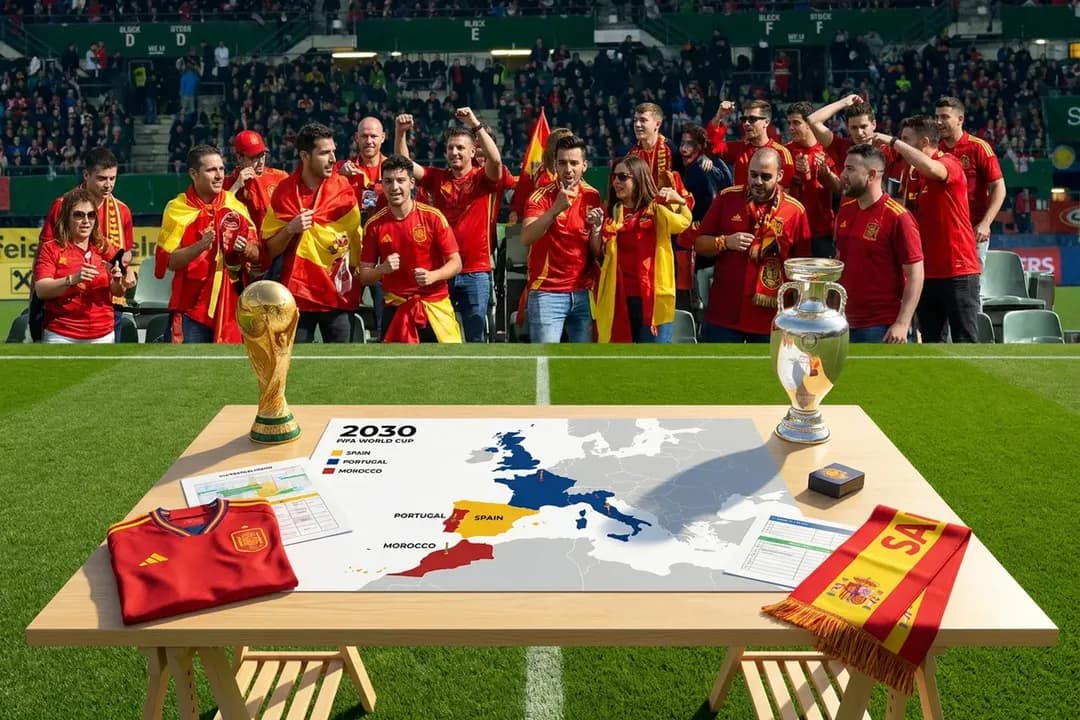
Spain’s 2026 triumph closes one World Cup story and opens another. The confirmed awards and the 2030 host plan now frame football’s next global countdown.
East Rutherford and New York City can finally move from buildup to memory. Spain are world champions after the completed 2026 final, and the official award list gives this tournament its closing shape: Rodri with the Golden Ball, Unai Simon with the Golden Glove, Pau Cubarsi as Best Young Player, and Kylian Mbappe with the Golden Boot. The next question is not whether the moment was big enough. It is how the sport carries it forward, from North America’s finale to the confirmed 2030 World Cup across Morocco, Portugal and Spain, with centenary celebration matches in South America.
Text Karpo now for a personalized final-recap plan: the awards you should remember, where to celebrate in your city, what to eat while rewatching, and how to start tracking the 2030 World Cup without falling for unconfirmed stadium or schedule rumors.
Spain’s Win Turns the Page Without Closing the Book
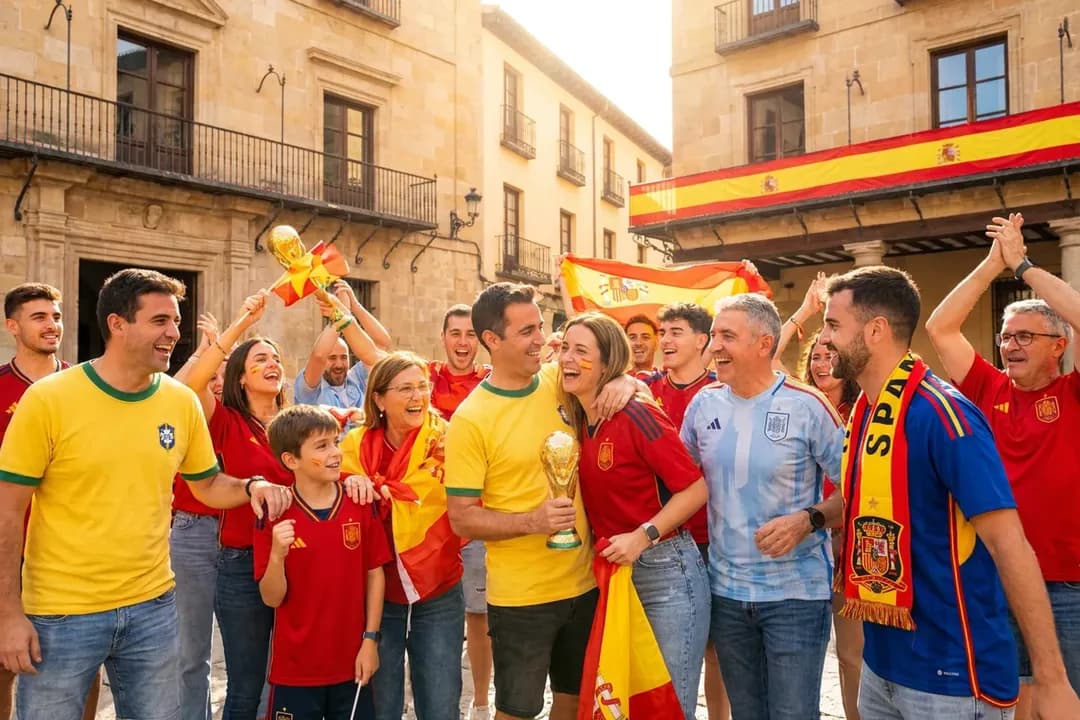
Every World Cup final leaves two stories behind: the result everyone remembers and the wider meaning that takes longer to settle. Spain’s 2026 victory gives this tournament a clear champion, but it also creates a bridge into the next cycle. For supporters in East Rutherford, New York City and across North America, the final was not only an ending. It was the last stop of a tournament that pushed the World Cup into a larger regional conversation about football culture, public gathering and global attention.
The safest way to read the aftermath is through what has been confirmed, not what fans may wish to add. Spain won the 2026 World Cup, and the individual awards now define the official record around that achievement. There is no need to invent extra drama to make the moment feel important. A completed final, a champion, and a verified awards list are enough to anchor the recap before the football world shifts toward 2030.
The Awards Give 2026 Its Final Official Shape
Rodri winning the Golden Ball places a Spanish midfielder at the center of the tournament’s official individual story. That award matters because it is not just a souvenir for the final day; it becomes part of how future audiences summarize the entire competition. When supporters look back at 2026, Spain’s title and Rodri’s recognition will sit together as the headline pairing, linking the champion team with the player judged to have made the defining overall impact.
Unai Simon’s Golden Glove, Pau Cubarsi’s Best Young Player award, and Mbappe’s Golden Boot complete the confirmed award frame. Together, they show how a World Cup can reward different kinds of excellence without needing extra speculation. Spain’s list is especially strong, with the champion side also represented in goalkeeping, youth recognition and the tournament’s overall player honor. Mbappe’s scoring award adds another major marker to his World Cup profile, separate from the identity of the champion.
Why North America’s Finale Still Matters After the Trophy
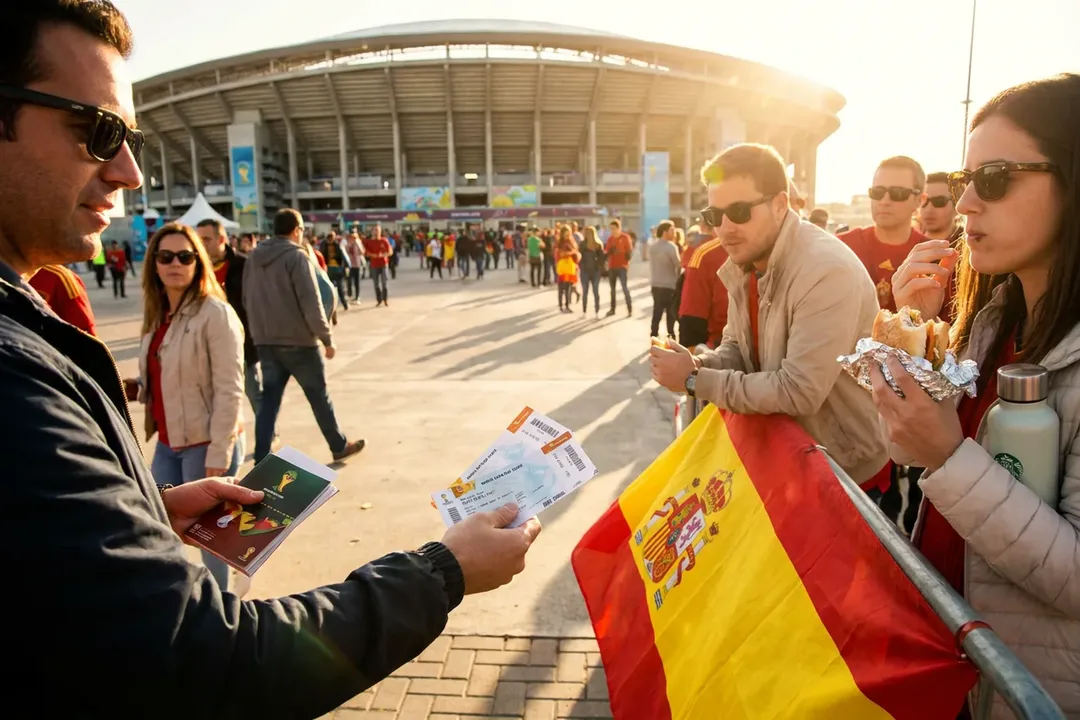
The location line of this wrap matters because the 2026 final belonged to the North American chapter of World Cup history. East Rutherford, connected tightly to the New York City area, became the focal point for the closing moment of a tournament staged across Canada, Mexico and the United States. Once the trophy is lifted and awards are confirmed, the host region is left with a different job: turning a temporary global spotlight into a lasting football memory.
For local fans, the post-final period is when the tournament becomes personal. People remember where they watched, who they watched with, and how the city felt during the biggest matches, even when the official record remains limited to confirmed outcomes. That distinction is important. The article can celebrate North America’s role in the finale while avoiding invented details about crowds, routes, celebrations or match events. The verified story is already large: Spain won, the awards were settled, and the world now looks ahead.
2030 Is Confirmed, But Many Details Are Not
The next men’s World Cup has a confirmed host plan: Morocco, Portugal and Spain are assigned as hosts for 2030. The tournament also includes centenary celebration matches in Argentina, Paraguay and Uruguay, connecting the future event to the competition’s earliest history. That structure gives fans plenty to discuss already. It links Europe, Africa and South America in a symbolic handoff, while placing Spain in the rare position of moving from 2026 champion to 2030 co-host.
At the same time, the most responsible 2030 conversation must separate confirmed host information from unannounced specifics. Searches for “2030 world cup stadium locations” will keep rising, but fans should be careful with any list that presents unconfirmed venues, match assignments, qualification details, exact schedules or travel plans as fact. The host countries are known, and the centenary celebration countries are known. Beyond that, readers should wait for official announcements before treating logistics as settled.
Spain Enters the Next Cycle With a Different Spotlight
Spain’s role in the coming years is unusually layered. The country is now the 2026 World Cup winner and one of the assigned hosts for 2030, alongside Morocco and Portugal. That creates a powerful narrative, but it should not be stretched into predictions about team selection, qualification paths or match locations. The confirmed fact is strong enough on its own: the reigning champion nation is also part of the next tournament’s hosting plan.
That status will shape how neutral fans talk about Spain, even before the next competitive details are known. Rodri’s Golden Ball, Simon’s Golden Glove and Cubarsi’s youth award give the 2026 champions a broad set of official honors, while the 2030 hosting role keeps Spain in the center of World Cup attention. The story is not about guaranteeing what comes next. It is about recognizing that Spain’s victory did not end the conversation; it redirected it.
How Fans Should Follow the Road to 2030
The smartest fan approach now is simple: keep the verified record separate from the rumor cycle. The completed 2026 facts are fixed, including Spain’s title and the individual awards. The confirmed 2030 framework is also fixed at the host level, with Morocco, Portugal and Spain assigned the tournament and centenary celebration matches in Argentina, Paraguay and Uruguay. Everything else should be treated carefully until official bodies announce more detail.
That does not make the waiting period boring. It gives supporters time to build better habits: save official host pages, compare confirmed updates, plan flexible travel ideas without booking around assumptions, and revisit 2026 with the awards in mind. Spain’s victory is the closing headline, but 2030 is already the opening question. Between those two points, the best coverage will be exciting without pretending to know what has not yet been announced.
Tags: #WorldCup2026
Sources consulted: 2026 World Cup award winners · FIFA World Cup 2030 hosts · FIFA final hub
All trademarks are the property of their respective owners.
Ask Karpo First
Ask Karpo for your personalized Spain 2026 recap, awards explainer, celebration plan, or careful 2030 World Cup watchlist built only around confirmed details.
Ask Karpo for more information.
Keep reading
- Haaland Has Seven Goals and Norway Runs Entirely Through Him
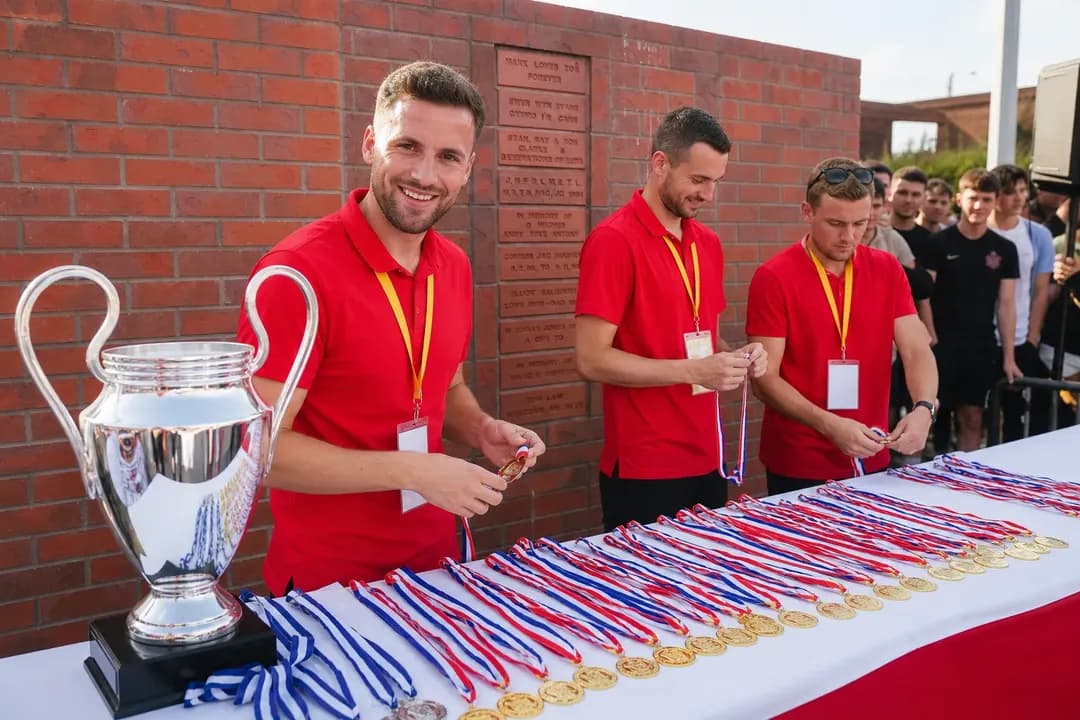 World Cup Trophy Ceremony Timing Medals and Postmatch Celebrations
 Olise and France's Attack: The Semifinal Tactical Question