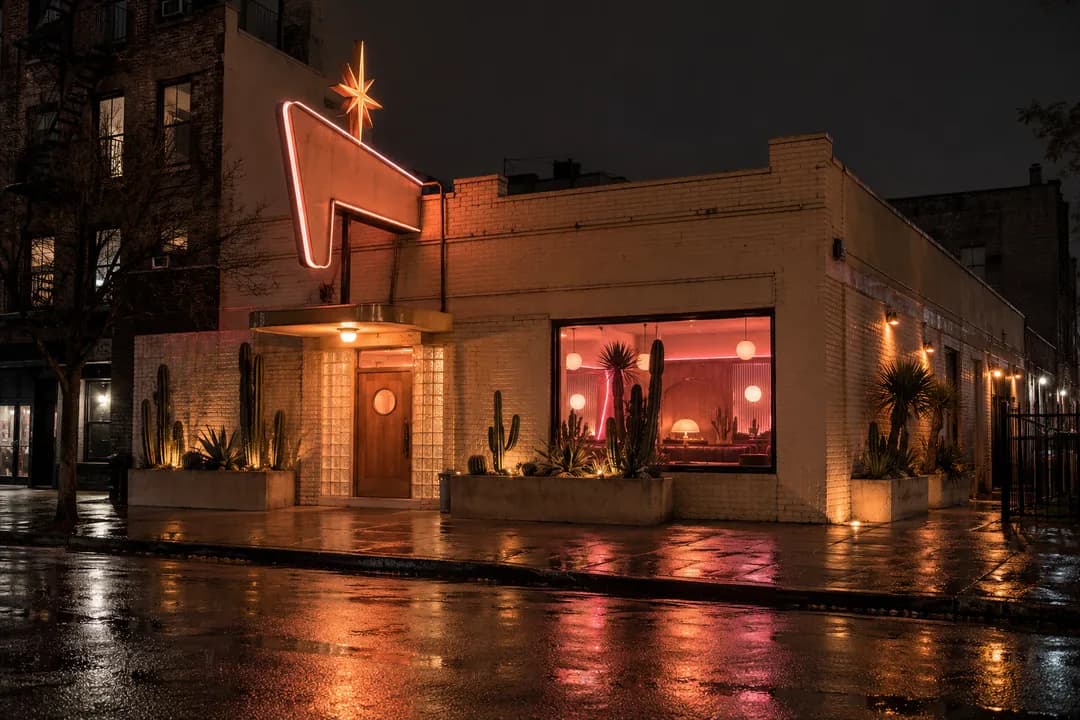
 Desert 5 Spot Country Bar, Brooklyn: Wednesday Line Dancing
Bars & Nights Out
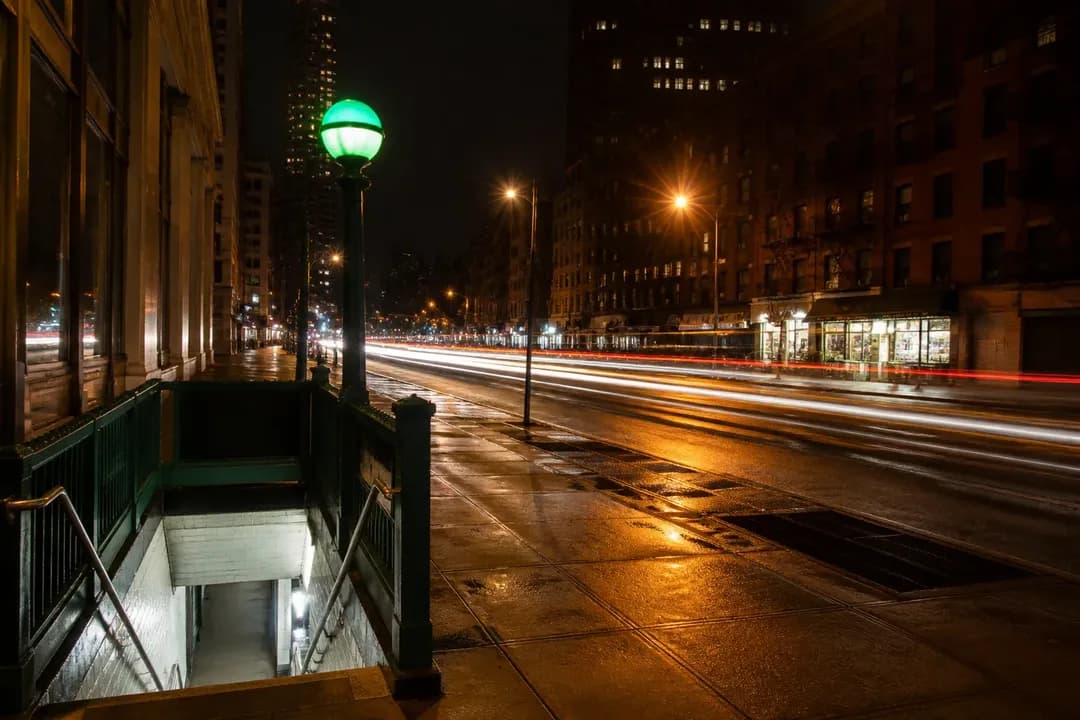
After-Dark Cocktail Bars Spots Every NYC Local Loves
The best late-night bars in NYC hide behind unmarked doors, down subway-adjacent blocks, and in rooms that fill fast after eleven.
Most cities close their bars at two and call it a night. New York keeps pouring until four, and the rooms that matter don't really wake up until after eleven. That two-hour window between when tourists head back to hotels and when the kitchen staff from Midtown restaurants finally clock out is when the city's actual nightlife starts. The bars locals return to week after week aren't the ones with neon signs or velvet ropes—they're the cramped tile-floor spots in Greenpoint where the bartender knows to leave the Amaro bottle within reach, the saxophone-soundtracked basement lounges in the West Village that don't bother with Instagram, and the dim red-lit cocktail counters near Union Square where you can still hear the person next to you talk.
Karpo checks which bars have space tonight, maps the fastest subway route from wherever you are, and reroutes you live if a train stalls or a place hits capacity.
Why midnight in New York still means something
The friction here is real: late-night subway service slows to a crawl after midnight, especially on weekends when planned work shuts down express lines without much warning. A bar that looks fifteen minutes away on the map can become a forty-minute slog involving a transfer at a station where the next train might not arrive for twenty minutes. The rooms themselves are small—New York real estate doesn't forgive wasted square footage—so a bar that holds thirty people comfortably will have fifty crammed in by one a.m., and the door policy shifts from welcoming to selective without anyone saying a word. Knowing which places stay loose, which bartenders will make you something off-menu when it's slow, and which blocks feel safe to walk at two in the morning is the difference between a night that works and one that ends in a expensive cab ride home.
Start in Greenpoint or the West Village
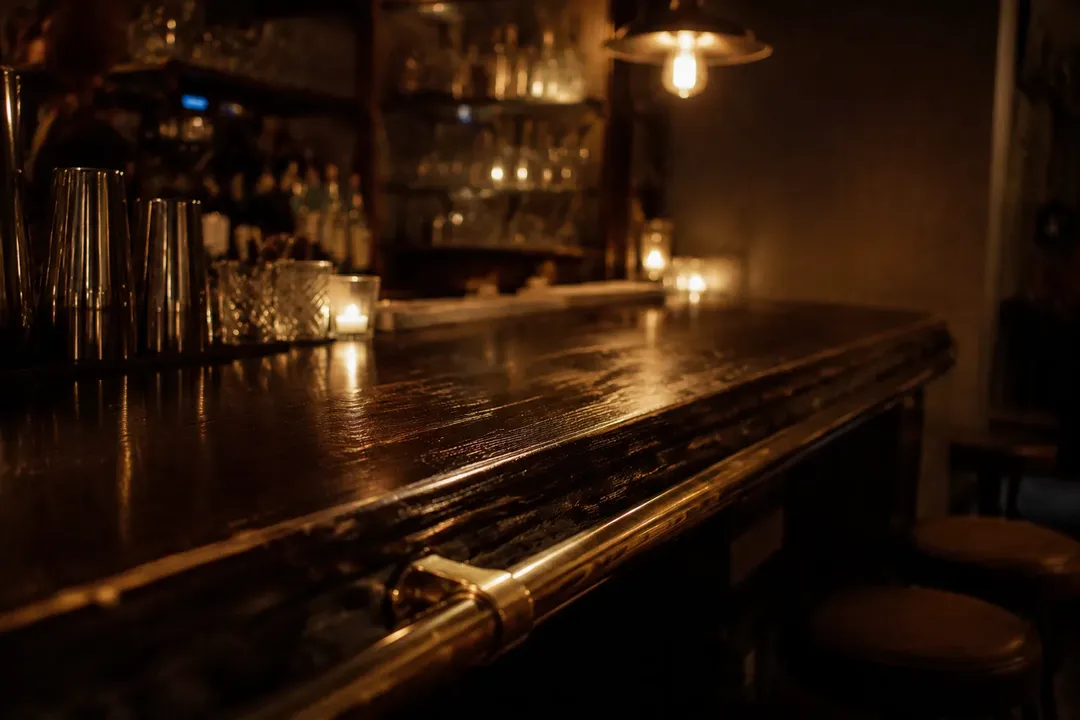
Greenpoint bars sit along Franklin Street and Manhattan Avenue, a ten-minute walk from the G train stop at Greenpoint Avenue. The neighborhood used to be all Polish diners and auto-body shops; now it's a reliable cluster of cocktail spots that don't require a reservation or a wait. The bars here open their doors around six, but the energy doesn't shift until ten-thirty or eleven, when the crowd thickens and the music gets louder. Look for the places with worn wooden bars, mismatched stools, and bartenders who freestyle with mezcal and Aperol without making a show of it. The advantage of starting here is the density—if one room is packed or the vibe feels off, another option is two blocks away.
The West Village offers a different texture: narrower streets, older buildings, and bars tucked into basements or second floors that you'd walk past unless you knew to look. Bars along Bedford Street, Commerce Street, and the western end of Bleecker cater to people who've lived in the city long enough to skip the scenes in Williamsburg and the Lower East Side. These spots lean into low lighting, jazz or soul on the speakers, and cocktails built around whiskey, gin, and vermouth rather than Instagram-friendly garnishes. The subway access is better here—the 1 train runs all night, and the Christopher Street station keeps you within a few blocks of most destinations—but the rooms fill early, especially Thursday through Saturday, so arriving before eleven gives you a better chance of finding a seat.
Move east or stay tight
Once you've settled into a rhythm, the question is whether to stay in one neighborhood or push east toward the Lower East Side and Alphabet City. The Lower East Side has the higher concentration of bars—Ludlow, Orchard, and Rivington Streets are wall-to-wall options—but it also has the heaviest crowds and the most aggressive door situations. After midnight, some of these bars stop letting people in unless the headcount drops, and the sidewalks turn into impromptu waiting areas that spill into the bike lane. If you're coming from the West Village, the F train from West Fourth to Second Avenue is your fastest line, but check the service alerts before you commit; weekend construction often forces the train local, adding ten minutes to the trip.
Alphabet City, particularly along Avenue B and Avenue C, holds onto a quieter, more neighborhood-focused energy. The bars here are smaller, the bartenders more conversational, and the crowds skew toward people who live within a few blocks rather than bridge-and-tunnel groups making a night of it. Tompkins Square Park sits in the middle of it all, and while the park itself closes at midnight, the blocks radiating out from it stay active until three or four in the morning. The L train from Bedford Avenue in Williamsburg to First Avenue puts you in range, though late-night L service has a reputation for sudden delays and skip-stop patterns that aren't always announced clearly.
If the idea of transferring trains or navigating a packed sidewalk feels like too much work, staying within a tight radius makes more sense. Greenpoint, the West Village, and the stretch of Manhattan Avenue in Greenpoint between Greenpoint Avenue and Nassau Avenue all offer enough variety that you can move from one bar to another without losing momentum or dealing with a twenty-minute subway wait. The trade-off is missing the bigger scenes and the bars that draw crowds from across the city, but for a Tuesday or Wednesday night when you just want a well-made drink and a seat at the bar, the tighter radius delivers.
When a bar is full or the train stalls
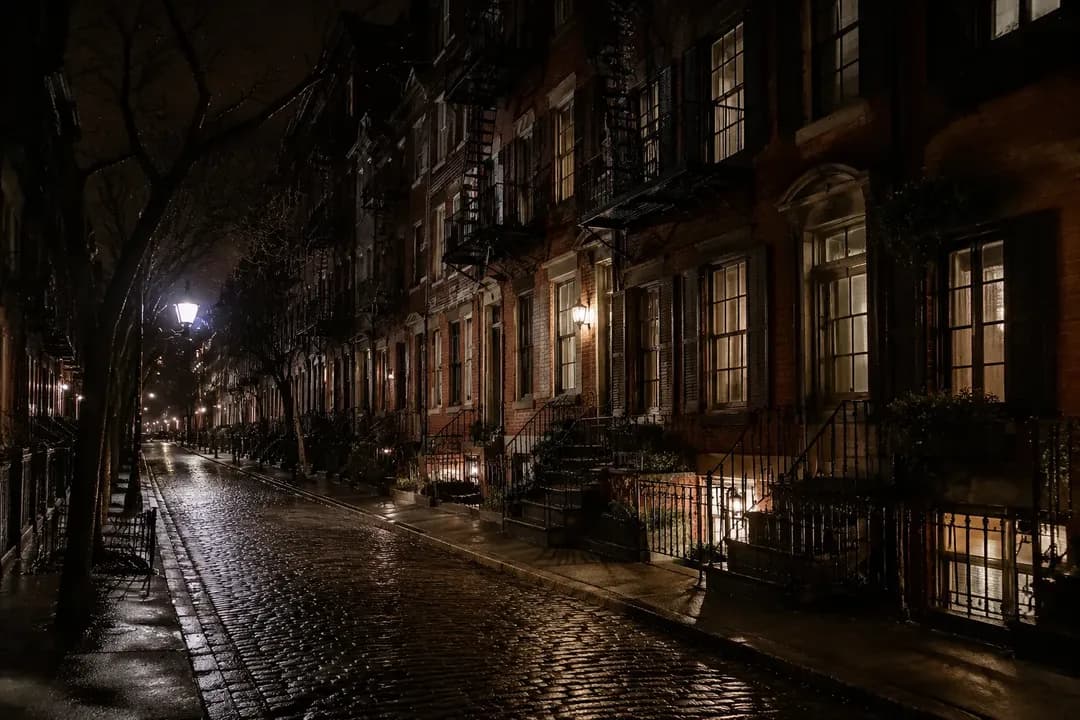
The most common breakdown happens when the bar you planned to visit is at capacity and not letting anyone else in, or when the subway announces a delay that turns a fifteen-minute trip into forty. Both situations are fixable if you know the fallback options. In Greenpoint, if your first-choice bar is packed, walk south toward the Greenpoint Avenue G stop—there are at least three solid alternatives within a five-minute walk, and the crowd density drops noticeably the farther you get from Franklin Street. In the West Village, head toward Seventh Avenue South; the bars closer to the 1 train tend to thin out after midnight because people assume they'll be crowded and skip them.
When the subway fails, the decision tree is simple: if you're within a thirty-minute walk of your destination and it's before two a.m., walking is often faster than waiting for the next train. Manhattan's grid below Fourteenth Street and the straight shot down Manhattan Avenue in Greenpoint both make for easy, well-lit walks. If you're farther out or it's past two, confirm that the bars you're heading toward are still seating people—some kitchens close at one, and once the kitchen shuts, the bar starts winding down even if the official closing time is four. Calling ahead isn't realistic (most of these bars don't pick up the phone after ten), but checking social media for recent posts or asking Karpo for a live status update saves you from arriving at a locked door.
The other common breakdown is realizing halfway through the night that you're too far from a reliable train home. The L and G trains both run all night, but service slows dramatically after two, and if you're relying on a transfer, you might be looking at a forty-minute wait at an empty station. Knowing which bars sit near 24-hour subway lines—the 1, 2, 3, A, and L—gives you flexibility to stay out later without the risk of a stranded commute or an expensive rideshare surge.
Check before you leave
Same-day checks matter more for bars than for almost any other kind of plan. A cocktail spot that was half-empty last Tuesday might have a private event tonight, or the bartender everyone likes might be off, or the G train might be running on a weekend schedule even though it's Thursday. Start by confirming that the bars you're targeting are actually open—some of the best late-night spots in the West Village and Greenpoint close Mondays and Tuesdays, and a few shut down for a week at a time without much notice when the owner takes a break. Check the MTA's planned service changes for your route; the agency posts these updates a week in advance, but they're buried in PDFs that no one reads unless they're specifically looking.
Weather plays a quiet but real role. If it's raining hard, bars with outdoor seating or patios lose half their appeal, and the neighborhoods that rely on a pleasant walk between spots—like the West Village or Alphabet City—become less forgiving. The bars themselves don't close, but the energy shifts, and the crowds pack tighter indoors. On hot summer nights, the opposite happens: places without air conditioning or good ventilation empty out by eleven, and the bars with open windows or back patios fill fast. Knowing which spots have functional cooling and which ones rely on a ceiling fan and hope helps you avoid a sweaty, uncomfortable hour.
Finally, check your own logistics: how you're getting home, whether you have a backup if the subway stops running, and whether the people you're meeting are actually reliable about timing. The bars that locals love don't hold tables, don't take reservations, and don't care if you're running late. If you say you'll be there at eleven and show up at midnight, the bar will still be there, but the seat you wanted won't.
Practical notes
- Most after-hours bars don't hit their stride until 11 p.m.; earlier arrival improves seating odds but sacrifices energy.
- Late-night subway service slows significantly after midnight; check MTA alerts for weekend work and planned diversions before committing to a cross-borough route.
- Bars in small rooms (common in the West Village and Greenpoint) stop admitting new guests once they hit capacity, often without posting a sign.
- Drink responsibly and plan your ride home in advance—late-night subway frequency drops, and rideshare surge pricing peaks between 2–4 a.m.
- Confirm same-day that your target bars are open; many close Mondays/Tuesdays or for unannounced private events.
- Weather affects walkability and outdoor seating; rain or extreme heat shifts bar selection toward indoor-only spots with climate control.
Tags: #karpo #nycbars #newyorkcity #greenpointnyc #westvillage #lowereastside #nycnightlife #cocktailbars #latenightnyc #brooklynbars #manhattanbars #barsandnightsout #nyctransit #alphabetcity #localbars
Sources consulted: MTA Subway Service Status · NYC Parks – Tompkins Square Park
Please drink responsibly. Must be of legal drinking age.
All trademarks are the property of their respective owners.
Ask Karpo first
Text Karpo before you head out to confirm which bars are open tonight, check live subway timing for your route, and get a backup plan if your first choice is at capacity. Karpo tracks real-time train delays and reroutes you on the fly so you're not stuck waiting at an empty platform at one in the morning.
Ask Karpo for more information.
Keep reading
- Desert 5 Spot Country Bar, Brooklyn: Wednesday Line Dancing
 Hill Country Boot Bar: Flatiron Country Bar With a New Stage
 Skinny Dennis Country Bar in Williamsburg: Bands Every Night