Africa's Strongest World Cup Performance in History
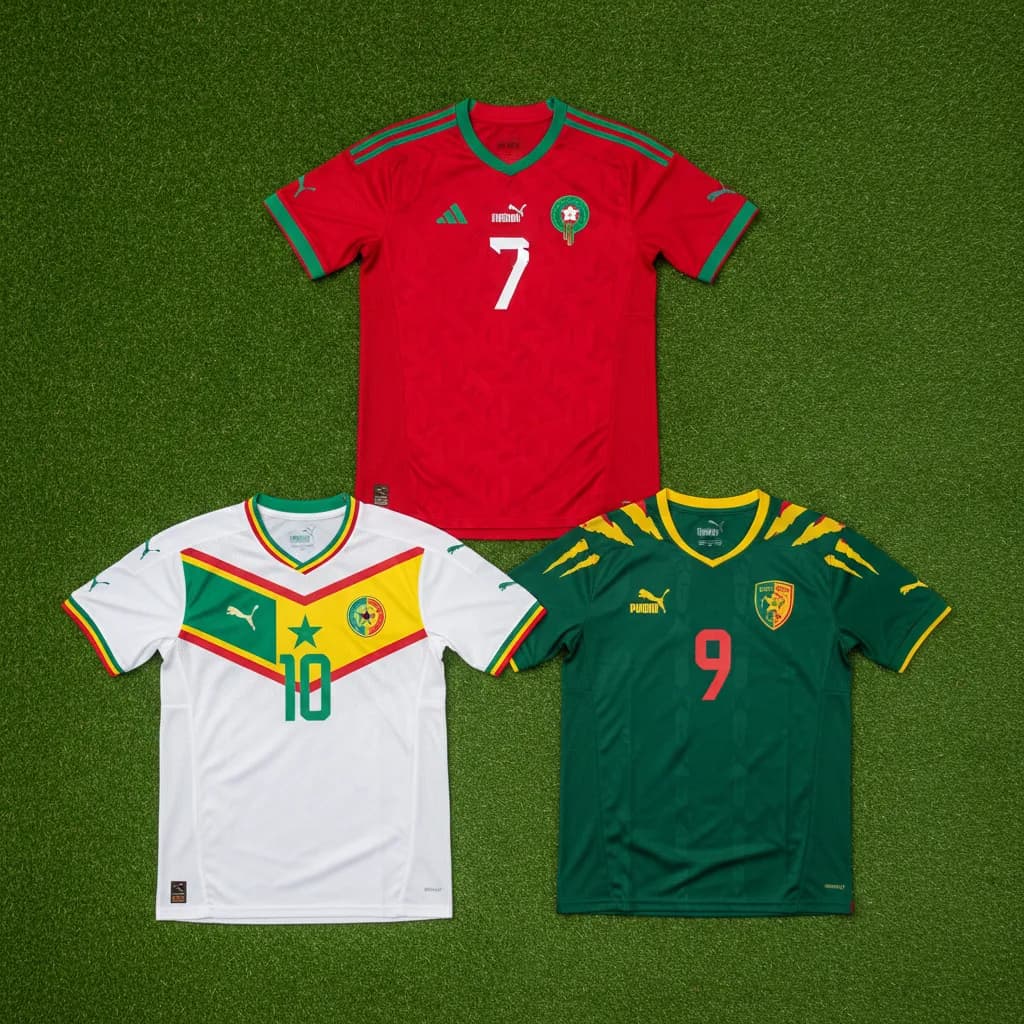
The numbers tell a clear story. Three African nations — Morocco, Senegal, and Cameroon — advanced from the group stage at the 2026 World Cup, equaling the continent's best-ever representation in a knockout round (matched from the 2014 tournament, when Algeria and Nigeria also advanced alongside Ghana's initial qualification). But the nature of the performances is what sets 2026 apart. Morocco topped their group with nine points from three matches, conceding zero goals. Senegal advanced as runners-up with seven points. Cameroon qualified as one of the best third-place finishers after a dramatic 2-2 draw with Argentina that showcased the depth of African football talent.
Morocco: Building a Dynasty
Morocco's performances at the 2026 World Cup are not a surprise to anyone who has paid attention to North African football over the past four years. Since their semifinal run at the 2022 World Cup in Qatar — where they defeated Belgium, Spain, and Portugal before losing to France — Morocco have established themselves as a permanent force in global football. Walid Regragui's squad combines players from Europe's top leagues with a tactical identity that is distinctly Moroccan: aggressive pressing when in possession, deep defensive organization when without it, and a willingness to compete physically with any opponent. Their penalty shootout victory over the Netherlands in the Round of 32 was not an upset. It was the expected result of a team that has been preparing for this moment for years.
The Diaspora Effect
One of the most significant factors in African football's rise is the diaspora pipeline. Morocco's squad includes 18 players who were born or raised in Europe — in France, Spain, Belgium, and the Netherlands. These players bring European tactical sophistication, physical conditioning, and competitive experience to their national teams while maintaining deep emotional connections to their African heritage. The pattern extends across the continent: Senegal's squad includes players from Marseille, Newcastle, Bayern Munich, and AC Milan. Cameroon's forward line features players from three different European leagues. The result is a generation of African internationals who are as technically proficient and tactically literate as their European counterparts, because they literally trained alongside them.
Youth Development Investment
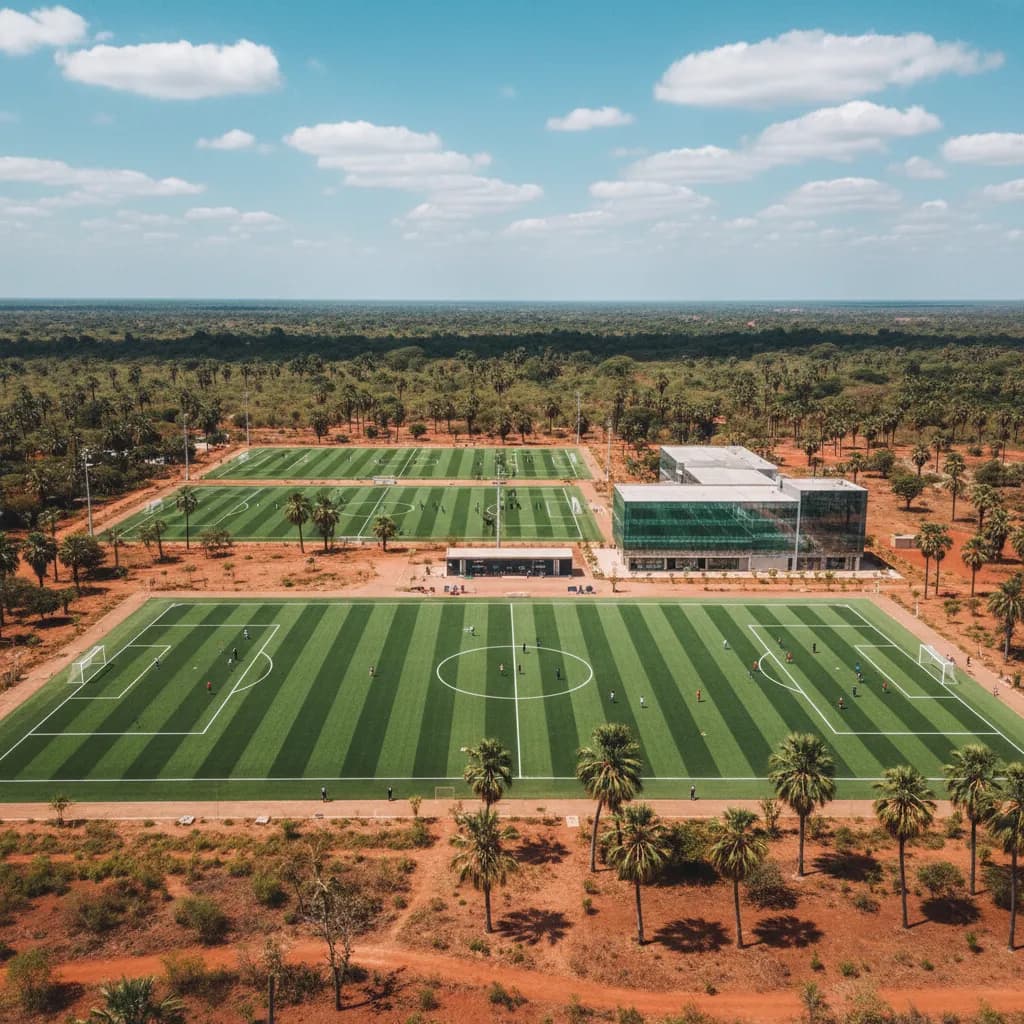
Beyond the diaspora, African football federations have invested significantly in domestic youth development. Morocco's national football academy in Maamora — built in 2020 with an investment of 35 million dollars — produces graduates who are recruited by European clubs at 16 and 17. Senegal's Generation Foot academy, which produced Sadio Mane and Ismaila Sarr, now has partnerships with six European clubs. Nigeria's Football College in Abuja has graduated 22 players who currently play in European top divisions. These investments are bearing fruit at the national team level, where squads are younger, more technically skilled, and more tactically versatile than at any previous World Cup.
The Tactical Revolution
African football at the 2026 World Cup has been defined by tactical sophistication that breaks every stereotype. Morocco play a 4-1-4-1 with inverted full-backs. Senegal employ a gegenpressing system inspired by Jurgen Klopp's Liverpool. Cameroon use a 3-4-3 with wing-backs that stretches opponents horizontally. None of these are "traditional" African football — whatever that outdated term was supposed to mean. They are modern, European-influenced tactical systems executed by players who combine African athletic qualities with European technical training. The result is football that is both physically imposing and tactically complex — a combination that has proven extremely difficult for traditional European and South American teams to counter.
What African Success Means for the 2030 World Cup
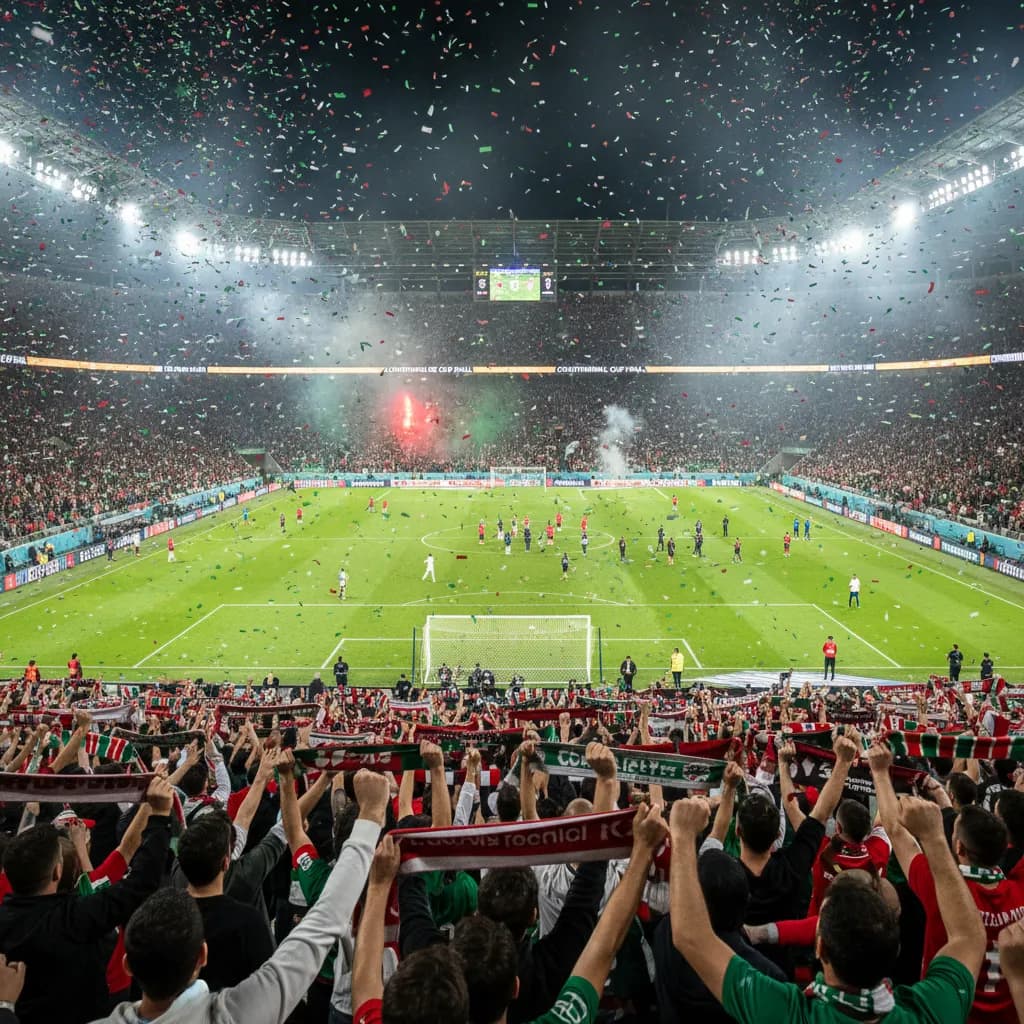
The 2030 World Cup will be co-hosted by Spain, Portugal, and Morocco — the first time an African nation has hosted World Cup matches. Morocco's performances at the 2026 tournament provide a powerful preview of what a World Cup on African soil might look like: passionate crowds, technically gifted players, and a tactical identity that commands respect rather than merely curiosity. With three African nations in the Round of 32 and Morocco advancing further, the continent's message to the world is unmistakable: African football is no longer a feel-good story. It is a competitive reality.
Tags: African football, World Cup 2026, Morocco, Senegal, Cameroon, Walid Regragui, diaspora players, youth development, 2030 World Cup, African football rise
Sources consulted: ESPN · CBS Sports · FIFA · Yahoo Sports
All trademarks, team names, league names, and player likenesses mentioned in this article are the property of their respective owners and are used here for informational and editorial purposes only.
Ask Karpo First
Want to follow Morocco, Senegal, or Cameroon through the knockout rounds? Ask Karpo for African team profiles, the diaspora pipeline explained, and a preview of the 2030 World Cup in Spain, Portugal, and Morocco.