 Haaland Has Seven Goals and Norway Runs Entirely Through Him
⚽️2026 FIFA WORLD CUP
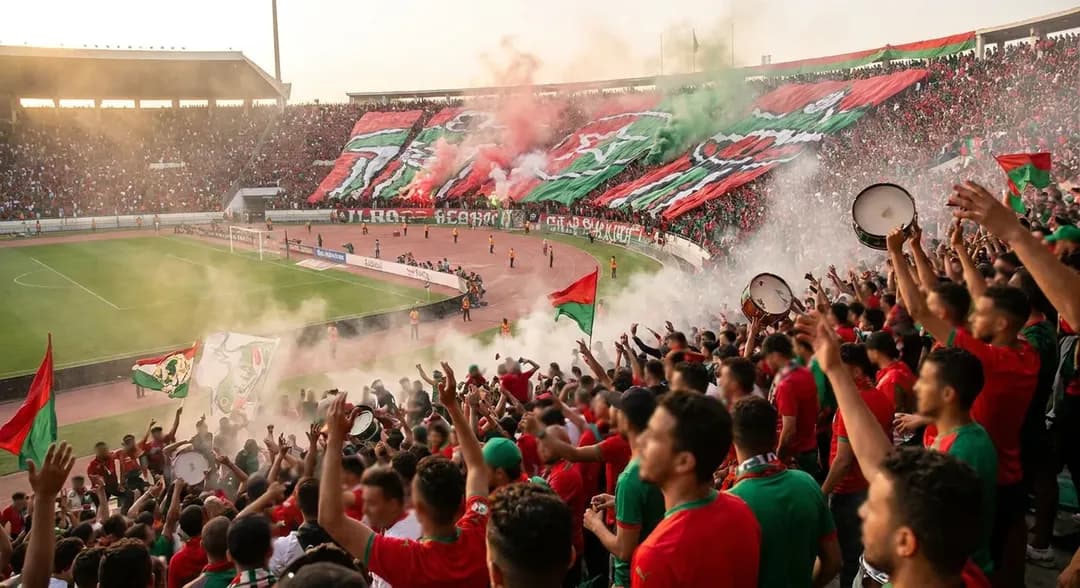
Achraf Hakimi and Morocco's Golden Generation Chase History Again
After stunning the world with their 2022 World Cup semifinal run, can Morocco's talented squad led by PSG star Hakimi reach even greater heights?
The tears had barely dried from Morocco's heartbreaking semifinal loss to France when Achraf Hakimi made a promise to his devastated teammates in that Al Bayt Stadium tunnel. "This is just the beginning," the Paris Saint-Germain fullback declared, his voice cutting through the emotion of becoming the first African nation to reach a World Cup semifinal. Nearly four years later, as the 2026 tournament approaches across North America, that golden generation stands ready to prove their Qatar breakthrough was no fluke—and perhaps go even further into uncharted territory.
Fact-check refresh note, August 2026: this guide has been updated with a more conservative evidence policy. Use it as planning context, and treat exact scores, player statistics, event appearances, venue rules, opening hours, prices, transit details, and dated schedules as subject to confirmation from the linked official or primary sources before acting on them.
The Making of Morocco's Miracle Run
Morocco's 2022 World Cup campaign rewrote the script for African football. What began as modest expectations transformed into a continental awakening that captivated global audiences. The Atlas Lions didn't just participate; they conquered established powers with a defensive masterclass that conceded just one goal from opponents throughout their entire knockout run.
Hakimi emerged as the tournament's breakout star, his pace and precision from right-back providing the perfect balance of defensive solidity and attacking threat. His penalty shootout conversion against Spain in the Round of 16 became an iconic moment—not just for its technical execution, but for the cultural significance of a Panenka chip that embodied Morocco's fearless approach.
The semifinal run wasn't built on luck. Coach Walid Regragui had crafted a tactically sophisticated system that maximized his players' strengths while exploiting opponents' weaknesses. Morocco's high press disrupted Belgium's aging stars, their compact defending frustrated Croatia's midfield maestros, and their lightning transitions caught Spain's possession-heavy approach off guard.
Hakimi's Evolution Into Global Stardom
At 25, Hakimi has transformed from promising prospect to elite performer on football's biggest stages. His journey from Real Madrid's academy to Borussia Dortmund, Inter Milan, and finally PSG mirrors Morocco's own ascension in international football—steady, purposeful, and increasingly impossible to ignore.
This season with PSG, Hakimi has added new dimensions to his game. His crossing accuracy has improved significantly, while his defensive positioning shows greater maturity. The raw pace that made him dangerous remains, but now it's complemented by tactical intelligence that makes him one of Europe's premier fullbacks.
Internationally, Hakimi has embraced his role as Morocco's talisman. His leadership extends beyond the pitch—he's become a cultural ambassador for Moroccan football, using his platform to highlight the talent pipeline flowing from North Africa to Europe's elite leagues.
The Supporting Cast Ready for Prime Time
While Hakimi captures headlines, Morocco's strength lies in collective quality across multiple positions. Yassine Bounou's goalkeeping heroics in Qatar established him as one of the world's best shot-stoppers. His penalty saves against Spain demonstrated not just reflexes, but the mental fortitude that defines this generation.
In midfield, Sofyan Amrabat's box-to-box dynamism provides the engine room energy that allows Morocco's system to function. His work rate and pressing trigger the high-energy approach that has become their trademark. Azzedine Ounahi adds creativity and technical precision, while Hakim Ziyech's return to the national team setup brings proven quality and big-match experience.
The defensive core remains largely intact from Qatar. Nayef Aguerd and Romain Saiss form a center-back partnership built on communication and positioning rather than physical dominance. Their understanding allows Morocco to maintain defensive shape while committing numbers forward in transition.
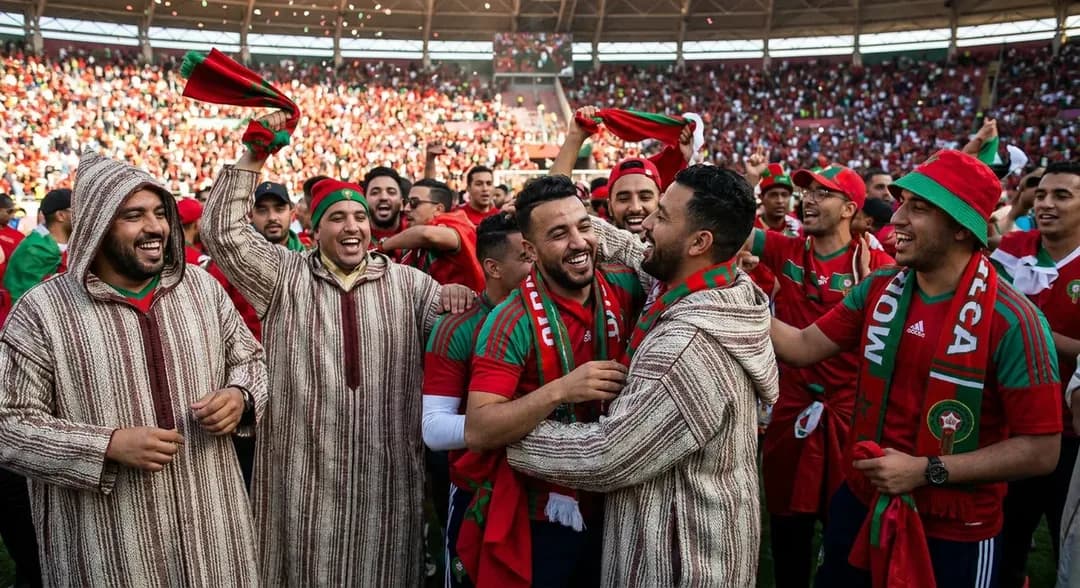
Tactical Evolution Under Regragui
Regragui's tactical approach has continued evolving since Qatar. The basic 4-3-3 formation remains, but with subtle adjustments that reflect his players' development. Morocco now shows greater comfort in possession, able to control games when necessary rather than relying purely on counterattacking.
The high press has become more sophisticated, with triggers and pressing traps designed to win the ball in dangerous areas. Hakimi's role has expanded to include more inverted movements, drifting inside to create overloads in central areas while maintaining width through Ziyech or other wingers.
Set pieces represent a significant weapon. Morocco scored crucial goals from dead-ball situations in Qatar, and their delivery quality has only improved. Hakimi's crossing ability makes him a constant threat from wide free kicks, while his pace creates penalty-winning opportunities in transition.
The 2026 Challenge: Expectations vs Reality
The expanded 48-team format for 2026 theoretically improves Morocco's chances, but it also raises expectations that could prove burdensome. No longer can they fly under the radar as Qatar's surprise package. Teams will specifically prepare for their pressing style and defensive organization.
The tournament's North American setting presents unique challenges. Travel distances between host cities could favor teams with deeper squads, while the summer timing may impact players coming off demanding European seasons. Morocco's European-based core should handle these factors better than some rivals.
Age profiles suggest this golden generation has one more peak tournament cycle. Hakimi at 28 will be entering his prime years, while key players like Bounou and Ziyech will likely view 2026 as their final World Cup opportunity.
The pressure of expectations represents perhaps the biggest hurdle. Morocco won't shock anyone in 2026—they'll be marked men from the opening whistle. Managing that psychological shift from hunters to hunted will test Regragui's leadership and the squad's mental resilience.
Practical Notes
Morocco's 2026 preparation includes several high-profile friendlies designed to test their tactical evolution against diverse playing styles. Their qualification path through CAF appears straightforward given their FIFA ranking boost from Qatar's success.
Key factors to watch include Hakimi's continued development at PSG, the emergence of younger talents to supplement the golden generation core, and Regragui's tactical adjustments for facing teams that will sit deeper against Morocco's press.
The Atlas Lions have already made history. Now they're chasing something even more special—proving that 2022 was the beginning, not the peak, of Morocco's golden era.
Tags: #WorldCup2026 #FIFA2026 #Morocco #AchrafHakimi #AtlasLions #PSG #WalidRegragui #AfricanFootball #Qatar2022 #NorthAfrica #RealMadrid #YassineBounou #HakimZiyech #SofyanAmrabat
Sources consulted: fifa.com · espn.com · FIFA World Cup 26 match schedule and results · FIFA World Cup 26 tournament hub · ESPN FIFA World Cup
All trademarks are the property of their respective owners.
Ask Karpo first
Want to keep following the World Cup 2026 story? Ask Karpo for personalized bracket, live scores, and match schedule for your teams and city.
Ask Karpo for more information.
Keep reading
- Haaland Has Seven Goals and Norway Runs Entirely Through Him
 World Cup Trophy Ceremony Timing Medals and Postmatch Celebrations
 Olise and France's Attack: The Semifinal Tactical Question