 Where to Eat Near Penn Station That Isn't a Chain
US Open 2026
Accuweather Guide For US Open 2026 Subway Timing
How to time the 7 train, plan for late finishes, and move smoothly through Queens during US Open night sessions in 2026.
Night sessions at the US Open are electric—stadium lights, cooler air, and matches that stretch past midnight. But if you're relying on the subway to get home from Flushing Meadows, timing matters. The 7 train is your main artery between the Billie Jean King National Tennis Center and the rest of New York, and knowing when service slows, when crowds surge, and how to pace your exit can turn a stressful scramble into a smooth ride home. The 2026 US Open runs August 23 through September 13, with Fan Week from August 23–29 and the main draw starting August 30. Whether you're catching a quarterfinal or a late doubles match, this guide will help you plan your subway timing, backup routes, and post-match rhythm around Queens.
Text Karpo your match session, neighborhood start point, and appetite, and we will turn this Night Session subway timing into a live Queens plan.
Why night session subway timing is different
Night sessions typically start at 7:00 PM, but matches don't follow a clock. A straight-sets match might wrap by 9:30 PM; a five-set thriller can push past 1:00 AM. The 7 train runs 24 hours, but frequency drops significantly after midnight, and crowding peaks right after marquee matches end. If you're planning to stay for the full session, check the MTA's live service status before you leave the stadium, and consider whether you want to wait out the initial crush or move quickly to beat the crowd. The walk from Arthur Ashe Stadium to the Mets–Willets Point station takes about 10–15 minutes, and that window can make the difference between catching an express train or waiting 20 minutes on the platform.
How to time your exit from the stadium
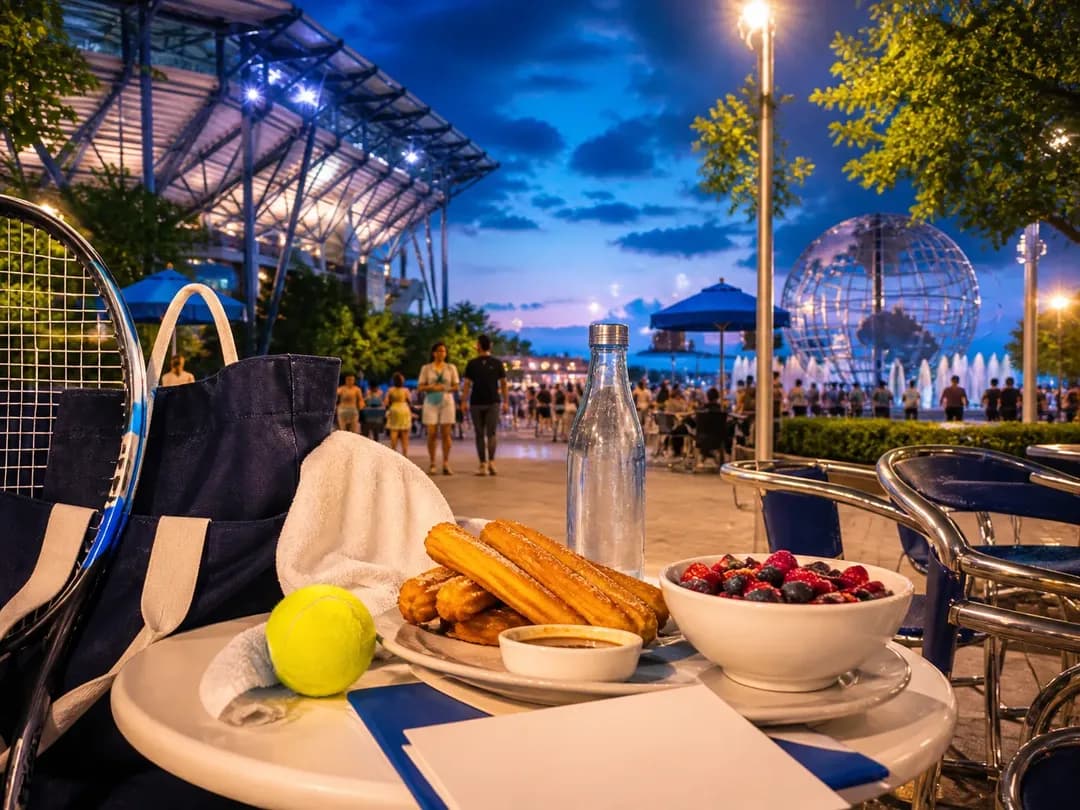
If you're in Arthur Ashe Stadium and the match is winding down, you have a choice: leave a few minutes early to beat the rush, or stay for the final point and accept a longer wait. Many fans find a middle path—stay for the handshake, skip the on-court ceremony, and walk briskly toward the exit. The main gates funnel thousands of people toward the subway at once, so if you're not in a hurry, consider pausing at one of the open plazas near the Unisphere or grabbing a seat on a park bench to let the first wave pass. The park itself is open space, well-lit during the tournament, and a much more pleasant place to spend 15 minutes than a packed subway platform.
What to expect on the 7 train platform
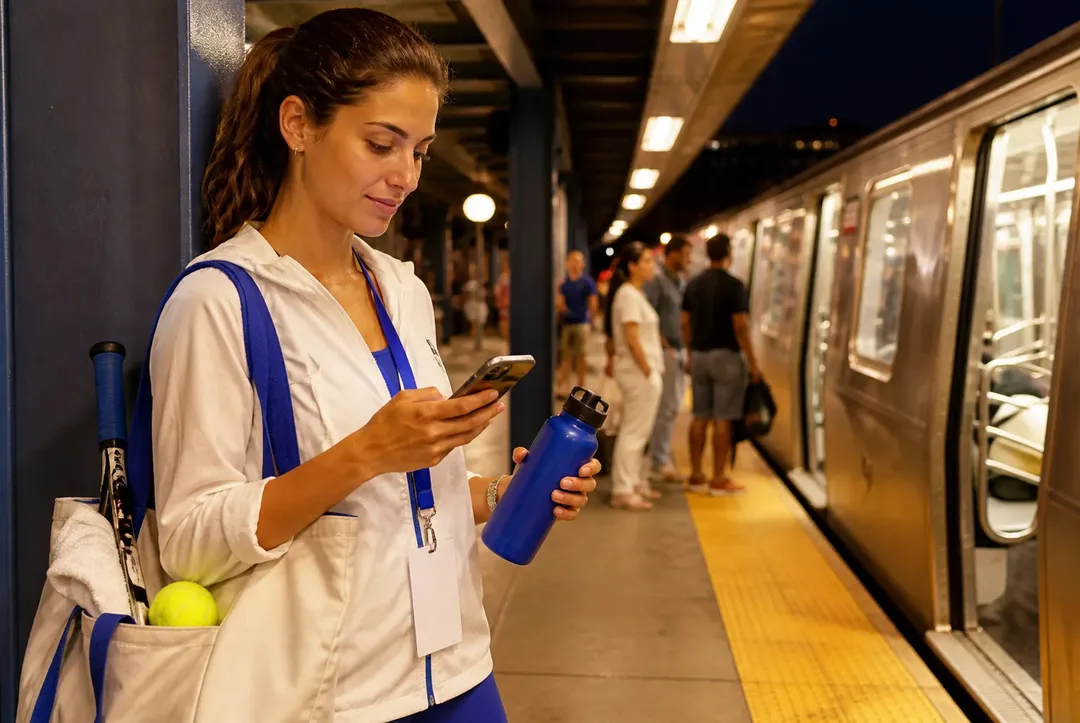
The Mets–Willets Point station is an outdoor platform, which means you'll feel the weather—late August can still be warm and humid, while early September nights cool down. Bring water, and if you're sensitive to heat or crowds, plan to leave before the final match ends. MTA staff are usually present during the tournament to manage crowding, but the platform itself has limited seating and no shade. If you're traveling with kids, older adults, or anyone who needs a break, consider waiting in the park a bit longer before heading to the station. Once you're on the platform, trains heading toward Manhattan and Queens are clearly marked, and service typically runs every 10–15 minutes during peak hours, stretching to 20–30 minutes after midnight.
Backup routes and alternate timing strategies
- If the 7 train is too crowded, walk east toward 111th Street and catch the LIRR from Mets–Willets Point—it's faster to Manhattan and Penn Station, though it costs more than a subway fare.
- Consider rideshare pickup zones along Roosevelt Avenue or near Citi Field's parking lots—these fill up fast, so request early and be prepared to walk a few blocks.
- If you're staying in western Queens or Brooklyn, the 7 to Court Square or Queensboro Plaza connects to the E, M, G, and N/W lines—plan your transfer before you board.
- For late finishes after 1:00 AM, check whether express 7 service is still running; local-only service adds 10–15 minutes to your trip.
- If you have time before your match, scout the station during the day so you know which exits, staircases, and platform areas work best for your mobility needs.
Where to pause and regroup in Queens
If you're not ready to dive into the subway crush, Flushing Meadows Corona Park offers plenty of open space to decompress. The Unisphere is a short walk from the tennis center and makes a great photo stop under the lights. If you're hungry, the food vendors inside the tournament grounds close shortly after the last match, but Roosevelt Avenue in Jackson Heights and downtown Flushing stay lively late, especially on weekends. Corona Plaza, about a 15-minute walk northwest of the stadium, has street food, seating, and a neighborhood vibe. Just remember that many sit-down restaurants close by 10:00 or 11:00 PM on weeknights, so if you're planning a post-match meal, check hours in advance or be ready for takeout.
Weather, gear, and practical night session prep
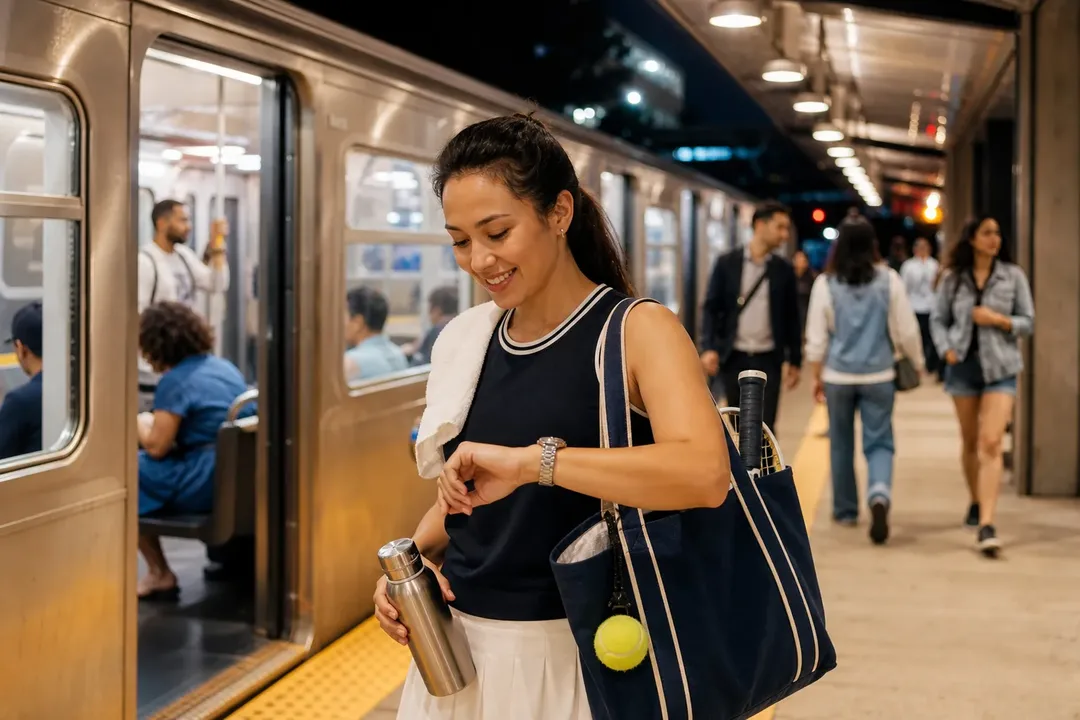
Late summer in New York can swing from sticky heat to sudden rain, and night sessions mean you'll be outside longer than you think. Bring a light layer for air-conditioned subway cars, a portable charger for your phone, and a reusable water bottle you can refill inside the grounds. If rain delays a match, the stadium has covered concourses, but the walk to the subway does not—a compact umbrella or rain jacket is worth the bag space. AccuWeather's hourly forecasts are especially useful during the tournament; check the evening outlook before you leave home, and adjust your arrival time if storms are expected. The US Open's official site and the MTA's service alerts page are your two best real-time resources for planning around weather and transit changes.
Respectful fan behavior and public space etiquette
Night sessions draw passionate crowds, and the energy spills over onto the subway and into the surrounding neighborhoods. Keep noise levels considerate on the train, especially after midnight when other passengers may be commuting home from work. If you're taking photos at the Unisphere or in the park, be mindful of other visitors and avoid blocking pathways. Corona and Flushing are residential neighborhoods, so if you're walking through side streets to reach food or transit, keep voices low and respect private property. The US Open is a guest in Queens, and how fans move through the borough shapes how locals experience the tournament. A little awareness goes a long way toward keeping the event welcome year after year.
Karpo is an independent guide and is not affiliated with, endorsed by, or connected to the US Open, the USTA, the MTA, AccuWeather, or any official tournament partners. All venue names, transit lines, and event references are used for informational purposes only.
Tags: #USOpen2026 #Queens #FlushingMeadows #KarpoFinds #Karpo #TennisTravel #NYCLocalLife #FanWeek #USTennis #NewYorkGuide #accuweather #Buzz
All trademarks are the property of their respective owners.
Ask Karpo first
Want to know what is actually open, how to time the trip, and where to pause around Queens? Ask Karpo for the latest public US Open context, a respectful visitor plan, and a live route around Flushing Meadows before you head out.
Ask Karpo for more information.
Keep reading
- Where to Eat Near Penn Station That Isn't a Chain
 Andytown Coffee in the Outer Sunset: The Snowy Plover Explained
- Best Things to Do in Chicago: What the City Gives Away