aaron donald: A NYC Learning and Research Route is not a celebrity-sighting guide, and it should not be treated like one. If the name is suddenly in your searches, use the attention as a prompt for a better back-to-school habit: verify first, then go. In NYC, that means starting with public institutions, checking official pages before leaving, and separating primary material from commentary. A student could turn a sports topic into research on biography, media framing, training, business, labor, or civic records without needing a special event or private access. The route below keeps the plan public, realistic, and flexible: begin with NYPL resources, compare source types, pick one study location, add a reset, and keep a backup if access, crowds, or transit conditions change.
Want a quick check before you head out? Text Karpo with your library stop, timing window, and backup idea, and ask for a verification-first NYC route review.

Turn curiosity into a research question
The useful move is to stop treating a trending name as an answer. Treat it as a question. If a student is searching aaron donald, the research question might be: How do sports profiles create reputation? What makes an athlete’s retirement, training, or contract history newsworthy? How do readers tell the difference between reported facts, commentary, and fan speculation? Those questions work for middle school, high school, college, or an adult learner brushing up before fall routines return.
Write the question down before opening more tabs. Then decide what evidence would actually help: books, articles, interviews, public records, exhibitions, or librarian guidance. This protects the plan from hype. It also keeps the day executable in NYC, where a simple research errand can become a long detour if you fail to verify hours, access, and transportation first.
Do not build the day around an assumed appearance, endorsement, local affiliation, or guaranteed event. The safer and more productive goal is a public learning route: one research source, one comparison source, one place to work, one reset, and one backup choice.
Start with a reliable public resource
For a citywide back-to-school plan, NYPL is the strongest starting point in the official material available here. Its site highlights Summer at the Library with free events, programs for kids and teens, reading recommendations, and more. It also points readers toward the online catalog, learning resources for kids, teens, and educators, events and classes for all ages, research starting points, library cards, accessible resources, and Ask NYPL.
A practical first stop is not necessarily a famous room or a long reading list. Start online by checking NYPL’s current service updates, searching the catalog, and looking for learning resources that match the student’s age and assignment. If the task is still fuzzy, Ask NYPL is specifically presented as a help option, which makes it a better first move than relying on social posts or unverified summaries.
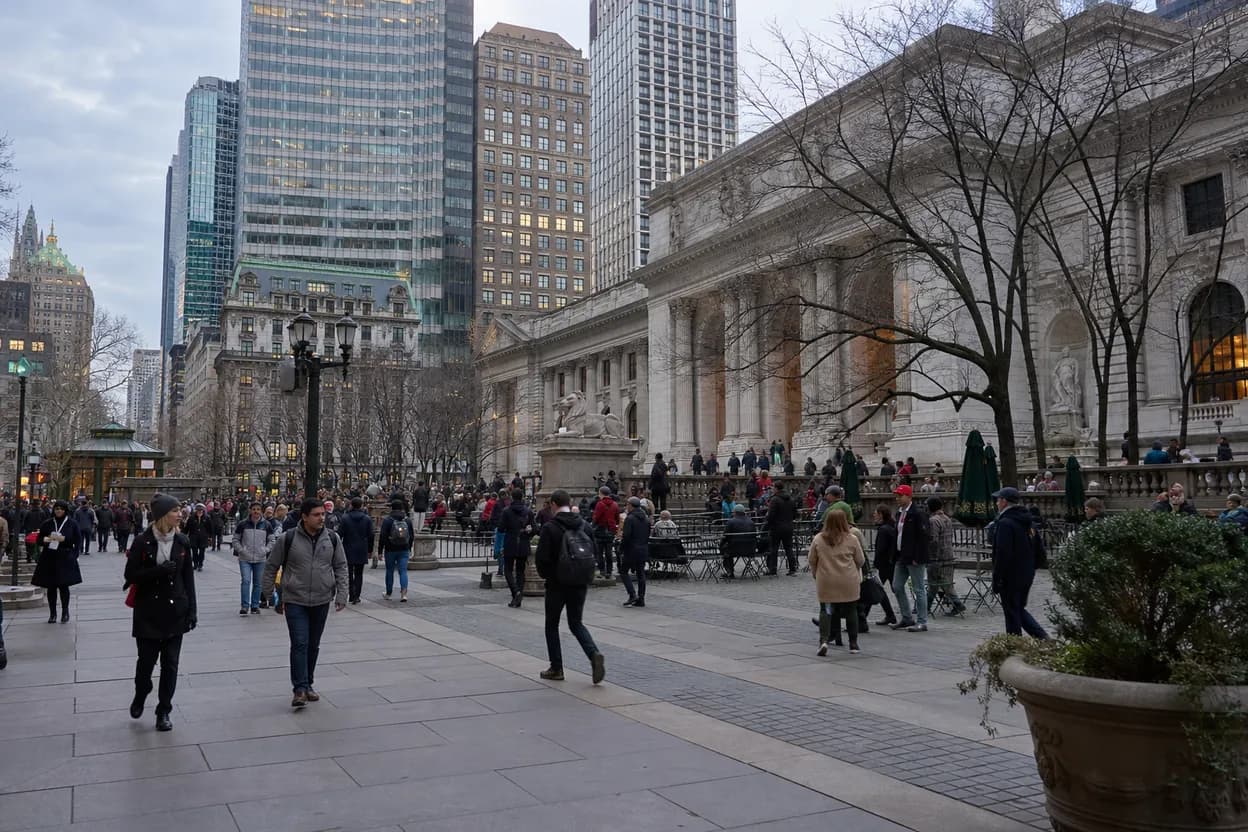
If you want a physical anchor, the official NYPL extract identifies the landmark Stephen A. Schwarzman Building on Fifth Avenue and 42nd Street as the flagship building and notes that the Polonsky Exhibition of The New York Public Library’s Treasures is a free permanent exhibition highlighting world-renowned research collections. Verify current access details on the official page before making it your first stop.
Compare primary reporting before opinions
Once the basic question is set, separate sources into categories. A library catalog record is not the same thing as a columnist’s argument. A reported profile is not the same thing as a short clip. A historical collection is not the same thing as a fan thread. For a topic hooked to aaron donald, that distinction matters because sports fame attracts fast commentary, recycled quotes, and confident posts that may not show their evidence.
Use NYPL’s research entry points to locate books, articles, or databases appropriate to the assignment, then compare them with current reporting from outlets your teacher or librarian considers acceptable. The goal is not to collect the loudest opinions. The goal is to document what is known, what is interpretation, and what remains unverified. If a claim sounds local to NYC, check whether it comes from an official source or a clearly identified report before repeating it.
This is where a back-to-school route becomes a skill builder. Ask: Who produced this information? When was it updated? Does it cite evidence? Is it selling access, promising an appearance, or implying a connection it cannot prove? A good research day should make the student more cautious, not more easily impressed.
Choose a study stop that fits the task
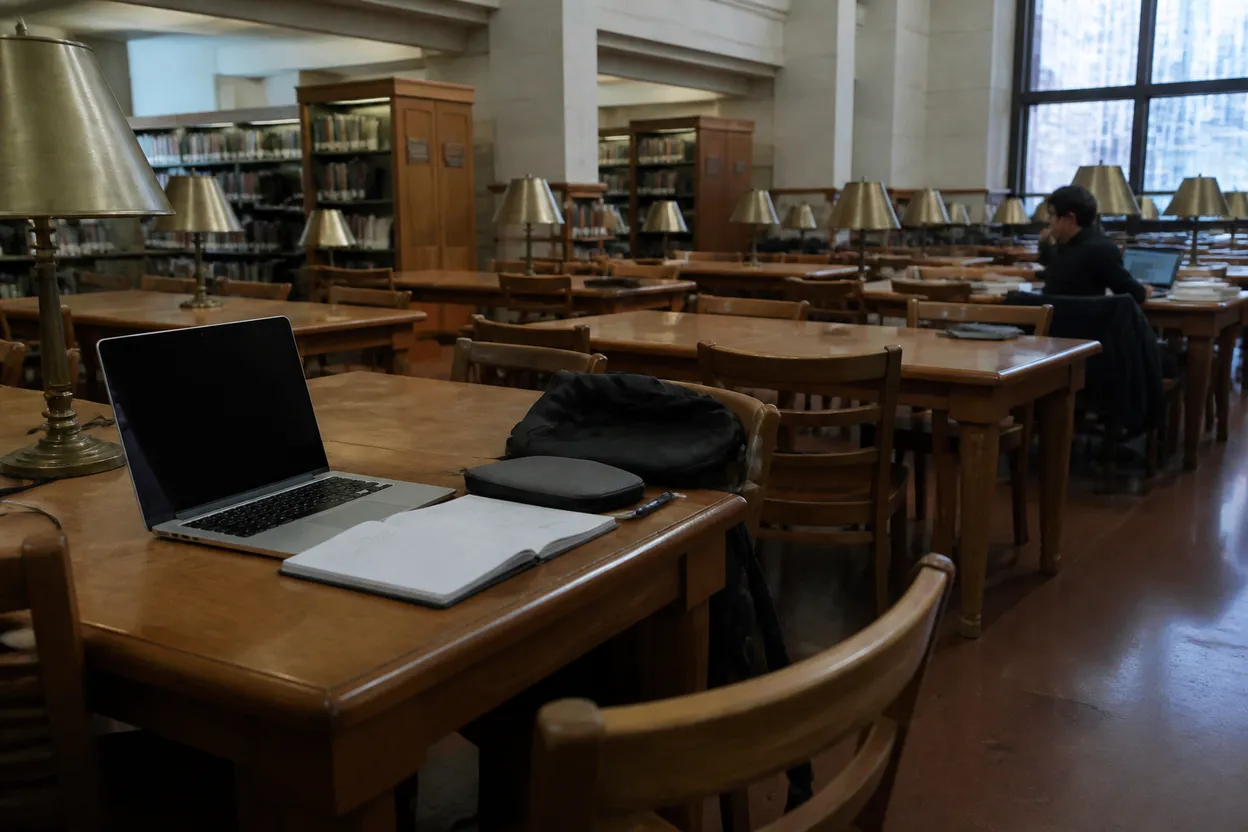
Match the location to the work. If the assignment needs quiet reading, catalog searches, or librarian help, choose an NYPL branch or research location after checking the official page for current service information. If the student needs inspiration from primary materials and public collections, consider whether the Stephen A. Schwarzman Building and the Polonsky Exhibition fit the day. The official extract describes the exhibition as free and permanent, but access conditions should still be verified before leaving.
NYPL’s public listings also show that events and classes vary by date and location. Examples in the extract include programming at the Library for the Performing Arts, Jefferson Market Library, Mulberry Street Library, and various locations. Because event dates, room access, and attendance conditions can change, treat listings as items to confirm, not assumptions to build your whole school-day plan around.
Timing should be conservative. Give yourself a pre-departure check window, a travel window, and a work window. Avoid stacking too many stops. For a student after school, one verified library destination plus one nearby reset is usually stronger than a three-borough plan that collapses when a room is full, a page changes, or transit takes longer than expected.
Add one low-cost reset nearby
A reset is not wasted time; it protects attention. NYPL’s site highlights free public programming, reading recommendations, exhibitions, kids and teens resources, and library services. Build the reset around that public environment: browse staff picks, look at an exhibition if it is available and appropriate, or step away from the screen to refine the research question in a notebook.
If you are using the Stephen A. Schwarzman Building area as your anchor, the official extract gives the location as Fifth Avenue and 42nd Street. That is enough to plan a nearby pause, but not enough to assume seating, crowd levels, entry procedures, or exact building hours. Verify those details first. The same rule applies to any branch: check the official page for the current visit conditions before promising a child, classmate, or parent that the stop will work.
Crowd risk is real even when a resource is public. NYPL notes that the Polonsky Exhibition celebrated its 5 millionth visitor, which signals broad public interest. Free programs, summer learning, and back-to-school timing can also concentrate demand. Keep the reset simple, short, and optional so the research task remains the priority.
Verify hours and access before leaving
The final check is the most important part of the route. Open the official NYPL page for your chosen location or program and confirm current hours, service updates, accessibility information, event details, and whether a library card or other step is needed for the resource you plan to use. NYPL’s site explicitly points readers to service updates, accessible resources, Get a Library Card Today, Start Your Research, and Ask NYPL.
For transportation, do not rely on memory, screenshots, or old directions. The official MTA extract available here returned an Access Denied message rather than current service information. That means you should verify subway, bus, or rail conditions through an official MTA channel you can actually access before leaving, and use station or agency information if the site will not load for you.
Have a backup choice ready. If your preferred library page changes, an event is not suitable, a room is crowded, or transit verification fails, switch to NYPL’s online catalog, learning resources, e-books and more, or Ask NYPL from wherever you are. If a city records source is part of the assignment, note that the official records page extract here also returned Access Denied, so confirm access directly before making it essential to the day.
Tags: #aarondonald #NYC #BackToSchool #NYPL #StudentResearch #LibraryRoute #ResearchSkills #PublicResources #TransitCheck #AccessCheck #StudyPlan #MediaLiteracy #AskKarpo #BeforeYouGo
Sources consulted: nypl.org · nyc.gov · new.mta.info
All trademarks are the property of their respective owners.
Ask Karpo first
Ask Karpo first if your plan depends on a specific library room, event listing, transit connection, or official page that may change. Send the stop, the time you want to leave, and your backup option, and ask for a verification-first check before you go.