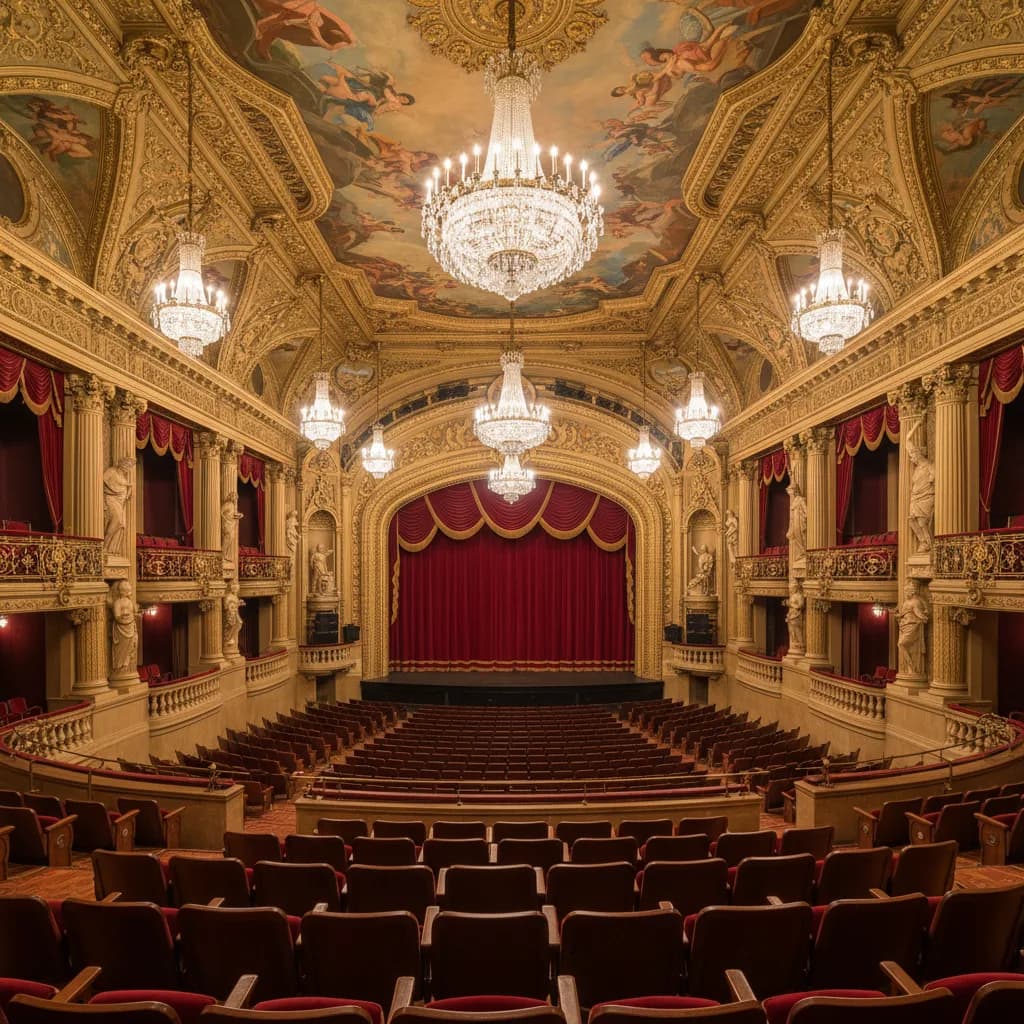
 Kings Theatre in Flatbush: A Restored 1929 Movie Palace
Hidden Gems & Odd Finds
A Storefront Museum of Vintage Radios That Opens Only When the Owner Feels Like It
A single room filled with hundreds of working radios from the last century, no set hours, and a doorbell you ring to see if anyone answers.
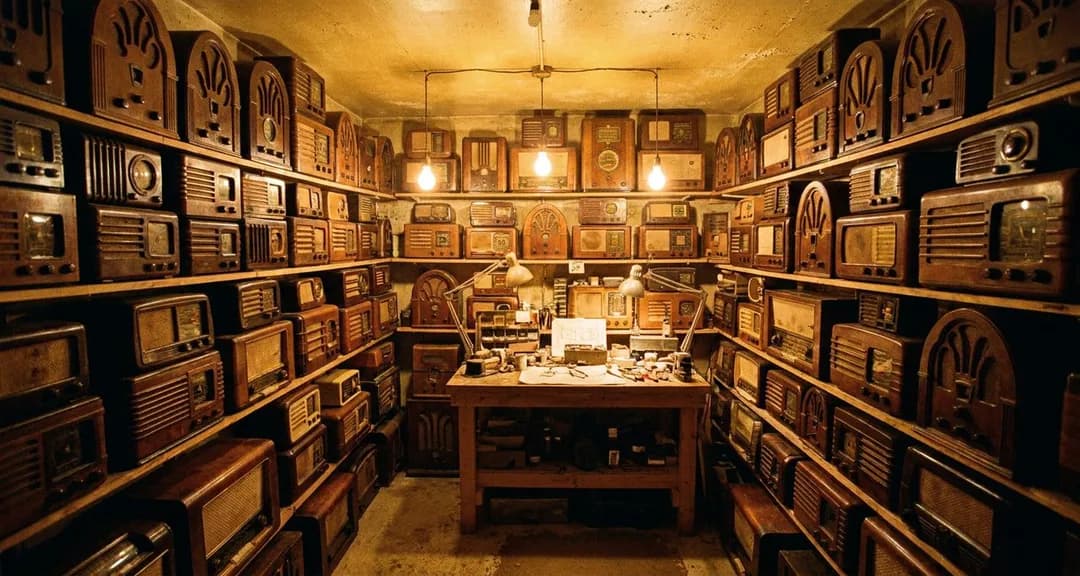
You ring a doorbell on Avenue C and wait. Sometimes a voice crackles through the intercom. Sometimes nothing happens at all. When the door clicks open, you climb narrow stairs into a single room that hums with the collective frequency of seventy years of broadcast history—hundreds of radios, all plugged in, all functional, all tuned to different stations that create a low static symphony you feel in your sternum before you consciously hear it.
The Room Breathes Static and Bakelite
The space runs maybe twenty feet deep, shelves climbing to the ceiling on three walls. Tube radios from the thirties glow amber behind their dials. Transistor sets from the sixties sit in candy-colored plastic shells. A cathedral-style Philco the size of a small refrigerator dominates one corner, its wooden cabinet hand-carved with art deco flourishes. The air smells like warm dust and old electronics—that specific scent of heated resistors and aged wood veneer. Afternoon light comes through a single window facing the airshaft, catching particles suspended in the static hum. You're not supposed to touch anything without asking, but the owner—when present—will pull down nearly any radio and demonstrate its particular quirk, the way its dial glides or clicks, the warmth that builds in its chassis after ten minutes of operation.
The Doorbell Philosophy of Access
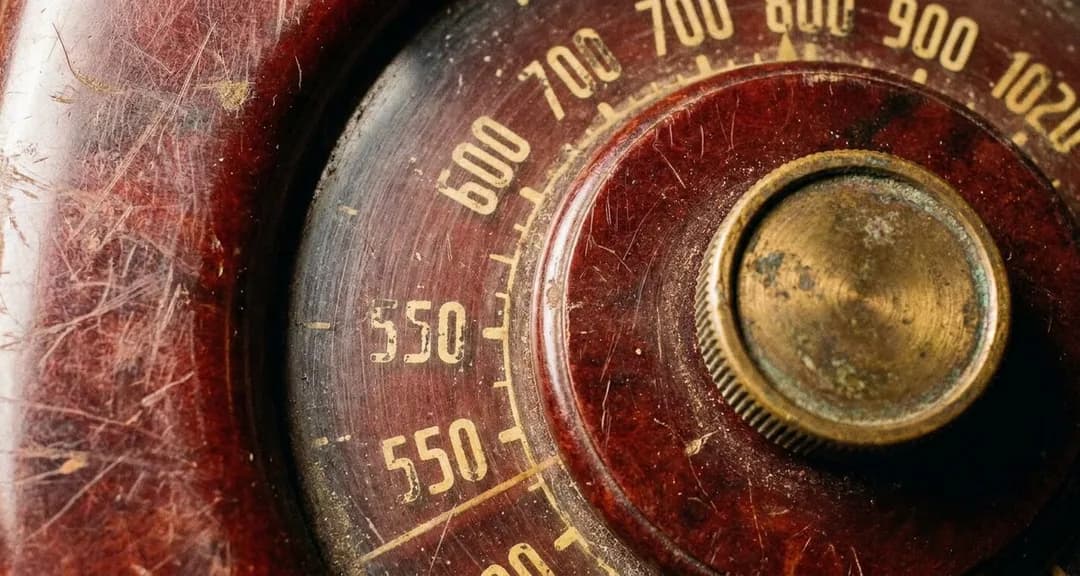
There's no schedule posted anywhere. No website, no Instagram announcing hours. The storefront window stays papered over except for a small hand-lettered sign that reads "Ring Bell." Some regulars claim Tuesday and Thursday afternoons offer the best odds. Others swear by Saturday mornings after ten. The truth is more mercurial—the place opens when the collector who runs it feels like company, when he's finished his own tinkering in the back room, when the mood strikes to share what he's recently repaired. You might ring three times over two weeks and get nothing. Then on a random Wednesday at four, the intercom answers and you're climbing those stairs into the hum. This isn't customer service. It's closer to being invited into someone's obsessive private archive that occasionally goes semi-public.
What You Hear When Everything Plays at Once
The owner keeps most radios on low volume, each tuned to a different frequency. Walk the perimeter and you catch fragments—a weather report dissolving into cumbia, talk radio bleeding into classical, the Mets game overlapping with a Haitian Creole news broadcast. It shouldn't work as ambient sound, but somehow the layering creates something hypnotic rather than chaotic. Your brain stops trying to parse individual stations and accepts the whole sonic texture. Stand in the center of the room and close your eyes—it feels like standing inside the electromagnetic spectrum itself, all those invisible waves made briefly audible through wood and wire and vacuum tubes. The collector explains that he tests each restoration by running it for hours, sometimes days, to ensure the components won't fail. So the room is always performing, always broadcasting to itself.
The Ones That Shouldn't Still Work
A Regency TR-1 from nineteen fifty-four sits in a plexiglass case—the first commercially manufactured transistor radio, smaller than a cigarette pack, still pulling in AM stations with surprising clarity. Nearby, a Crosley Pup from the twenties, all exposed tubes and breadboard construction, glows like a small amber laboratory. The collector will tell you about the German Volksempfänger radios from the thirties, designed for mass propaganda distribution, now repurposed to play whatever frequency you choose. There's a Soviet Rodina that picked up Voice of America broadcasts through the Iron Curtain, its case scratched from decades of clandestine listening. Each radio carries its own historical weight, its own story of how information moved through hostile or indifferent space. You're not looking at antiques. You're looking at communication technology that refused to become obsolete, kept alive through soldering and patience and the stubborn belief that analog circuits still matter.
The Repair Bench in Back
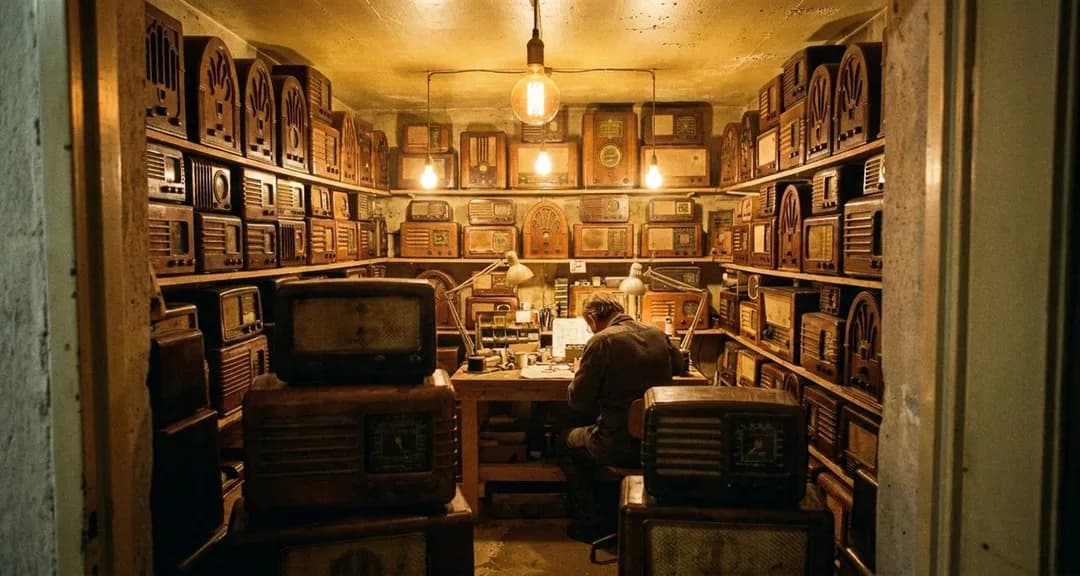
If you're invited past the main room, there's a workshop area with a single overhead bulb and a bench covered in circuit testers, solder, and cannibalized parts. This is where the actual work happens—recapping old power supplies, replacing dried-out wax capacitors, rewinding transformer coils by hand. The collector sources parts from estate sales, other collectors, sometimes European dealers who specialize in prewar components. He'll show you a drawer full of vacuum tubes organized by type, another filled with knobs and dials sorted by decade. The smell back here is stronger—rosin flux and electrical contact cleaner and that particular ozone scent of a soldering iron hitting old solder. This isn't restoration for resale. Most of these radios will never leave the room. The work is its own justification, keeping these machines functional as a form of material culture preservation that happens to produce sound.
Who Else Rings the Bell
On a good day, you might share the space with two or three other visitors. There's usually someone older who remembers these radios from childhood, pointing out models their parents owned. Occasionally a sound designer shows up, recording samples of the different station bleed and static patterns. Students from Cooper Union or NYU sometimes appear, drawn by rumors of this place, treating it like a field trip into pre-digital technology. Everyone keeps voices low without being told. The room enforces its own acoustic etiquette—you don't shout over the collective hum of a hundred radios. Conversations happen in near-whispers, people leaning close to share observations about a particular dial font or speaker grille pattern. It feels less like a museum visit and more like attending some ongoing séance with the ghosts of broadcast history.
Practical Notes
The location sits on Avenue C between Seventh and Ninth Streets, ground floor of a walk-up building that looks like every other tenement on the block except for that small sign in the window. No admission fee, though donations go into a coffee can near the door to fund parts and repairs. The space fits maybe six people comfortably, eight if everyone's willing to stand close. Best practice: ring the bell, wait thirty seconds, ring again if no answer, then accept the universe's decision about whether today is a viewing day. Bring cash for donation. Don't expect bathroom access. The nearest subway is the L at First Avenue, about a ten-minute walk. If you're serious about vintage electronics, bring specific questions—the collector responds to genuine curiosity, not casual browsing. And silence your phone before the door buzzes open. The radios deserve to be the only things transmitting.
Tags: #TheOddEdit #AlphabetCity #EastVillage #VintageRadio #ObscureNewYork #AnalogCulture #RadioHistory #HiddenMuseum #TubeRadio #TransistorRadio #NYCSecrets #LowerEastSide #UnusualCollections #BroadcastHistory #ElectronicsRestoration
Sources consulted: atlasobscura.com · timeout.com · nytimes.com
All trademarks are the property of their respective owners.
Ask Karpo first
Want to know which days the owner tends to open, whether you should call ahead or just show up and ring, and how long most visitors spend inside with the radios?
Ask Karpo for likely open hours based on past patterns, whether the doorbell gets answered on weekdays, what to expect inside the radio room, and a live route around Alphabet City before you head out.
Ask Karpo for more information.
Keep reading
- Kings Theatre in Flatbush: A Restored 1929 Movie Palace
 Chambers Street Wines: Manhattan's Natural Wine Pioneer
 Mediterranean Food Near Me in NoMad: Ilili's Crispy Brussels Sprouts