 Mediterranean Food Near Me in Fort Greene: Miss Ada's Garden and Hummus
Neighborhood Guides
A Slow Afternoon Through Ridgewood, Where Brooklyn Blurs Into Queens
Long low blocks of yellow-brick row houses, old German bakeries, new cafes: a neighborhood that never quickens, best walked without a schedule or a destination.
Yellow Brick and Unhurried Mornings
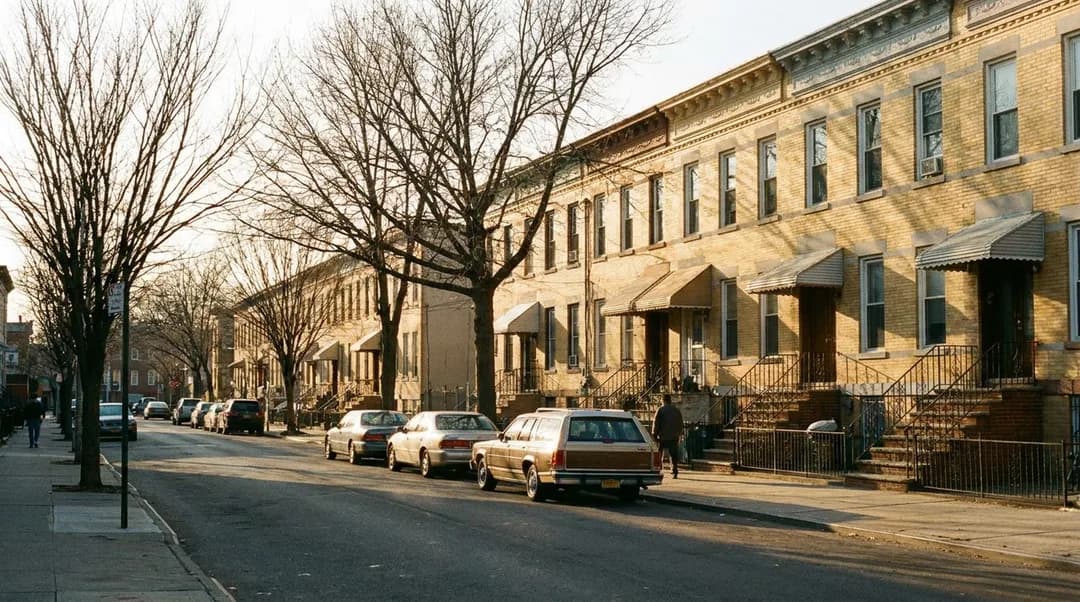
Ridgewood sits where Brooklyn's grid gives way to Queens' diagonal sprawl, a neighborhood of unbroken row houses in pale yellow brick and limestone trim. The streets here run long and flat, lined with stoops and wrought-iron gates, and the pace never picks up. Walkers move slowly past corner bodegas and bakeries that have been here since the neighborhood spoke more German than English, past new cafes where the espresso machine hisses and no one checks the time.
The Architecture of Staying Put
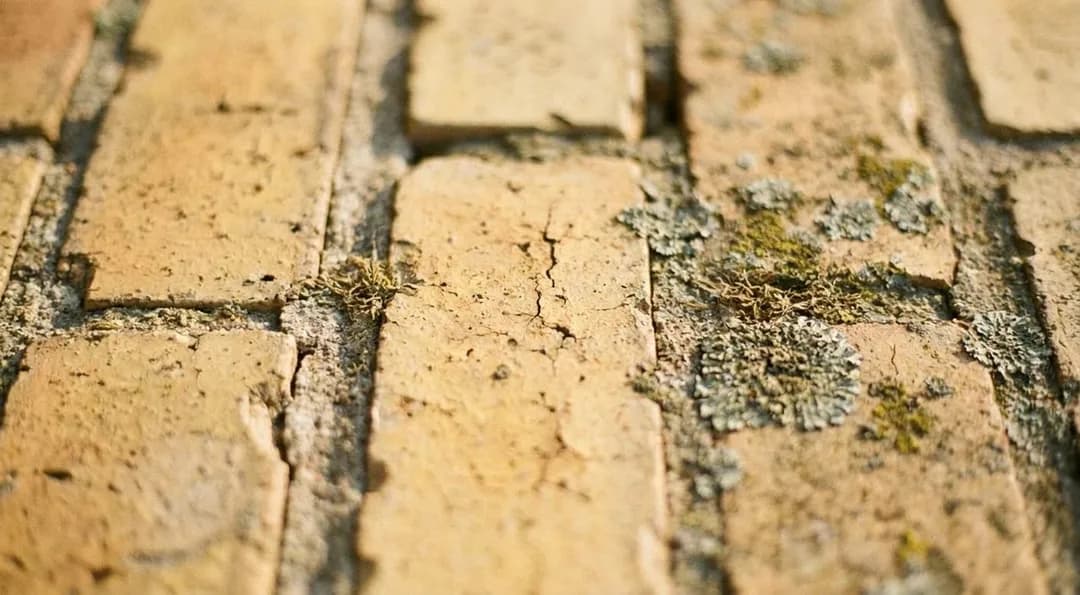
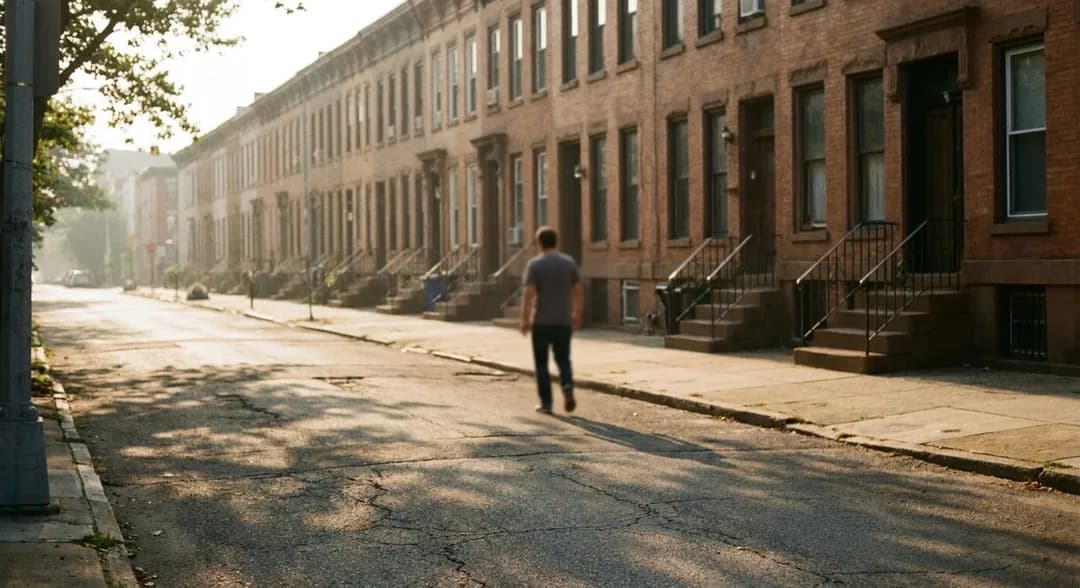
The row houses stretch for entire blocks without interruption, built a century ago for German and Eastern European families who worked in nearby breweries and factories. Each building mirrors the next—bay windows, cornices, shared walls—but the details shift: a different color door, a potted plant on the stoop, lace curtains or wooden blinds. The repetition creates a rhythm that slows the eye. There's no dramatic skyline here, no landmark to orient by. Just block after block of the same solid construction, the kind of architecture that says people stayed. On certain streets, the afternoon light catches the brick at an angle that turns the whole block warm and amber, and the shadows from the fire escapes make long diagonal stripes across the pavement.
Bakeries That Predate the Brunch Crowd
The old German bakeries remain, their windows stacked with rye loaves, black forest cake, and strudel dusted with powdered sugar. Inside, the cases are full by mid-morning, and the smell is all butter and yeast and caramelized fruit. The customers are a mix: older regulars who've been coming for decades, speaking German or Polish at the counter, and younger arrivals who discovered the place by accident and now stop in every Saturday. The bakers work early—dough mixed before dawn, ovens hot by six—and by afternoon the day's production is mostly sold. A few tables sit near the window, and people linger over coffee and a slice of something dense and not too sweet, watching the street through glass that hasn't been replaced since the seventies.
Cafes Without the Performance
The newer cafes have moved into old storefronts, keeping the tin ceilings and the creaky wood floors. They serve natural wine and pour-over coffee, but the vibe stays low-key. No one's performing here. The tables fill with people working on laptops or reading actual books, and the baristas know enough regulars by name that the place feels more like a living room than a scene. One spot has a back patio that catches the late afternoon sun, strung with lights that don't turn on until dusk. Another keeps a shelf of used paperbacks near the door, free to borrow or trade. The music is always just quiet enough that conversations don't have to compete. On weekends, the pace barely shifts—people arrive late, stay long, order a second round without urgency.
The Bars Where the Match Matters
The neighborhood's sports bars fill for international football, especially when a World Cup match pulls in the Polish, Ecuadorian, or Mexican crowds. The energy shifts depending on the game. Flags go up, jerseys appear, and the volume rises with every near-miss. The bartenders pour quickly, the kitchen sends out plates of fried things and sandwiches, and the room becomes a single organism reacting in unison. Between matches, these same bars return to their baseline: a handful of regulars, the television on low, the kind of place where someone's been sitting in the same corner booth for the past fifteen years. The wood is dark, the booths are vinyl, and the beer is cold and cheap. No one's here to be seen.
Walking Without a Map
The best way through Ridgewood involves no destination. The streets don't follow Manhattan's grid, so a walk that should take ten minutes stretches to thirty when the blocks angle unexpectedly or a promising side street dead-ends at a cemetery wall. The commercial strips are scattered—a few blocks of shops, then residential stretches, then another cluster of businesses. This prevents the neighborhood from ever feeling like a destination. There's no single street to "do." Instead, the experience is cumulative: a bakery here, a mural there, a bodega with a cat asleep in the window, a churchyard with benches where someone's always sitting. The lack of obvious landmarks means getting slightly lost is part of the routine, and the row houses all look similar enough that even locals occasionally overshoot their turn.
Practical Notes
Most of the bakeries open early—some by seven, others by eight—and sell out by mid-afternoon, especially on weekends. The cafes keep more flexible hours, generally opening around nine and staying open into the evening. Ridgewood is accessible via the M train, with stops at Seneca Avenue, Forest Avenue, and Fresh Pond Road placing visitors within a few blocks of the main commercial stretches. Myrtle Avenue and Fresh Pond Road hold most of the neighborhood's shops and restaurants, but the side streets are where the row houses reveal themselves in full. No reservations are needed for most spots, and the neighborhood's lack of tourist traffic means tables and counter seats are usually available without a wait. Comfortable shoes and no fixed itinerary are the only real requirements.
Tags: #TheLongWayHome #RidgewoodQueens #RidgewoodBrooklyn #QueensBrooklynBorder #YellowBrickRowHouses #GermanBakeries #NeighborhoodWalking #SlowAfternoon #MTrain #UndiscoveredQueens #NewYorkNeighborhoods #CityWalking #UrbanExploration #LocalNYC #QuietCorners
Sources consulted: timeout.com · atlasobscura.com · nycgo.com
All trademarks are the property of their respective owners.
Ask Karpo first
Want to know which bakery to catch before it closes, where the Brooklyn-Queens line actually runs, and which blocks to walk for the best rhythm?
Ask Karpo for the bakery closing times, where to start the walk, what the new cafes are worth, and a live route around Ridgewood before you head out.
Ask Karpo for more information.
Keep reading
- Mediterranean Food Near Me in Fort Greene: Miss Ada's Garden and Hummus
 Places To Eat Near Me in Chelsea: The Market Fills a Nabisco Factory
 Seafood Near Me in the East Village: The Mermaid Inn's Dollar Oysters