 Where to Eat Near Penn Station That Isn't a Chain
US Open 2026
A Local Queens Rhythm for Tournament Week
Tournament week feels different when you move with Queens, letting transit habits, neighborhood timing, and local patience shape a calmer US Open day.
The smartest question on a US Open day is not only which match you hope to see; it is how you want the day to feel before you ever reach your seat. Queens rewards fans who treat tournament week less like a sprint to a gate and more like a local routine: leave space for the walk from transit, the swell of the crowd, the quick food decision, the bag check, and the moment when everyone in your group suddenly needs something different. For “A Local Queens Rhythm for Tournament Week,” the useful 2026 calendar anchor is August 23 through September 13, with singles main-draw play beginning August 30. Across those days, the calmer approach is the same: move with the borough’s rhythm instead of trying to overpower it.
Text Karpo for a current, low-friction plan for a local queens rhythm for tournament week—including timing, route checks, and practical options that fit your day.
Queens Sets The Tempo
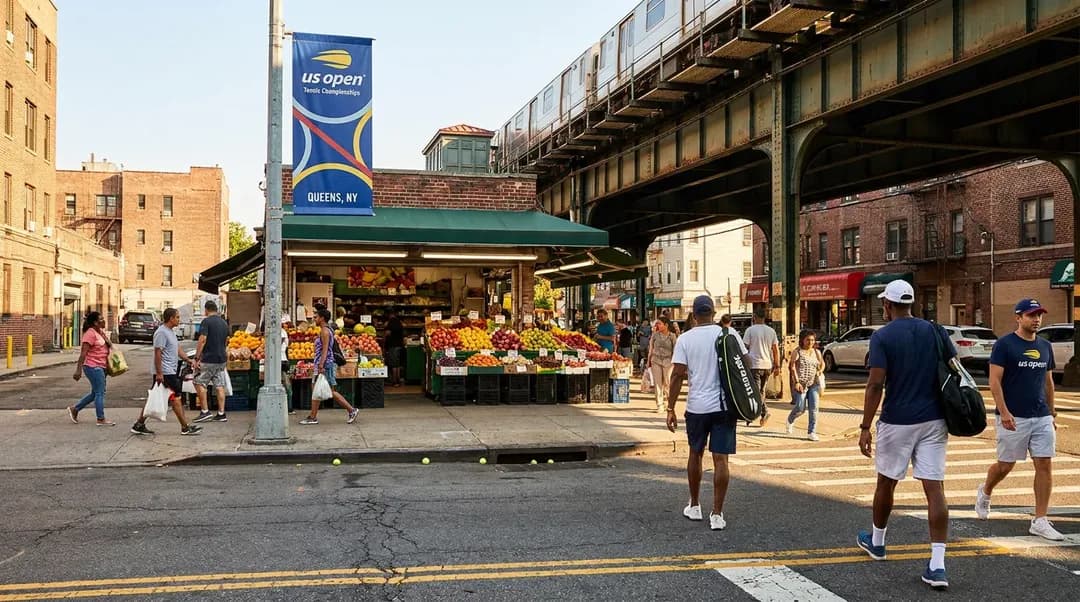
The tournament can feel self-contained once a point begins, but the day around it belongs unmistakably to Queens. The approach brings together residents, commuters, families, longtime tennis fans, and visitors who are learning the area in real time. That mix changes the mood. If you expect every step to move at stadium speed, the ordinary pauses can feel like obstacles. If you expect a city neighborhood hosting a major event, the pauses become part of the pattern: a crowded platform, a careful stairwell, a group checking tickets, a parent reorganizing a backpack, a local moving around all of it with practiced efficiency.
Neighborhood pride during tournament week is not only something printed on signs. It shows in how people share space. Queens has a daily fluency in crowded sidewalks, quick adjustments, and many languages crossing at once. A fan who steps aside before checking a phone, keeps a bag compact, or notices when a doorway is becoming a bottleneck is contributing to the day’s atmosphere. That courtesy does not make the tennis better, but it makes the day easier to enjoy.
Transit As A Strategy
Advice: treat transportation as part of the event, not the prelude to it. The official transportation information is the place to confirm current routes and directions, because transit conditions can change. After that, the local move is to build a wider arrival window than you would for a normal appointment. The final approach asks more of you than a map suggests: walking, orienting, finding friends, handling tickets, and passing through security all compete for attention. A rushed group often burns its patience before the first ball is struck.
Transit shortcuts are not always secret routes. Often they are habits that prevent small delays from multiplying. Keep your ticket, payment method, and directions accessible before you reach the busiest stretch. Decide whether the group moves at the speed of the fastest walker or the slowest planner. If someone wants photos on the way in, treat that as a planned pause rather than an interruption. If friends are arriving separately, pick a meeting point that does not require everyone to stand directly at an entrance while texting through the crowd.
- Choose a meeting spot before the final approach, especially for mixed-age groups or first-time visitors.
- Let one navigation-confident person lead until everyone is through the most crowded stretch.
- Use the walk in to check essentials calmly: tickets, bag contents, sun protection, and any allowed water plan.
- After the session, step out of the exit flow before deciding where the group is going next.
Before The First Ball
A local-style tournament day starts earlier than the match you circled. The pre-match period is when you set the tone for appetite, shade, comfort, and attention. Arrive already irritated, hungry, or overheated, and even excellent tennis can feel harder to absorb. Give yourself a cushion, and the grounds become more than a schedule to conquer. You can notice practice-court curiosity, fans comparing plans, the sound of balls from several directions, and the little surge of excitement when people realize the day they planned has finally become real.
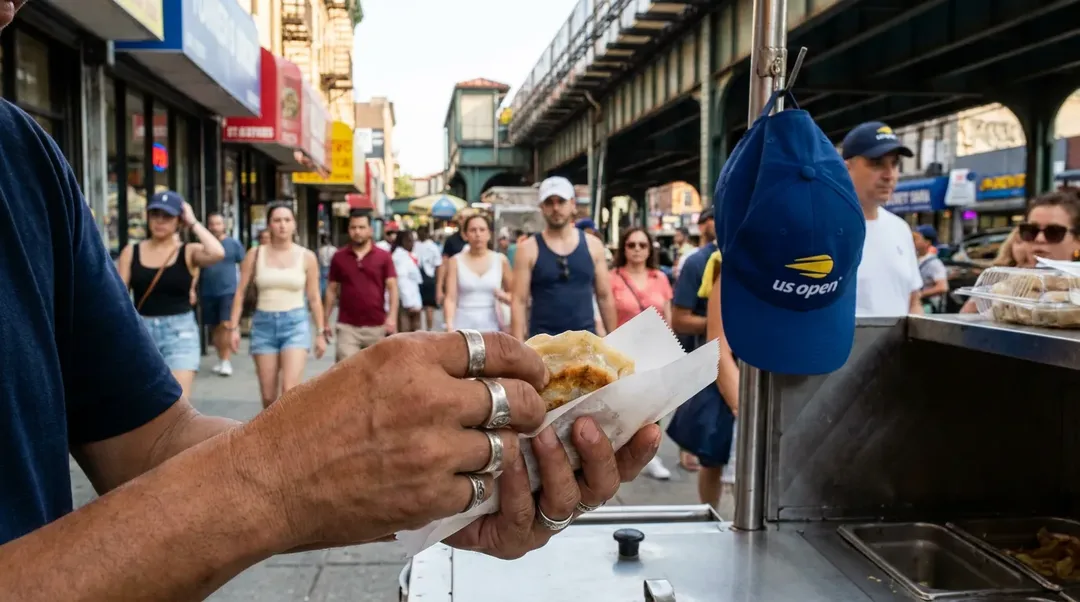
Food works best when it has a role instead of a rigid promise. Advice: do not build the day around an unconfirmed business hour, a specific menu item, or a guaranteed table. Decide whether you want to eat before arrival so you can focus on tennis, grab something between sessions, or use a neighborhood stop as a buffer before heading home. Queens offers plenty of character, but tournament crowds can bend ordinary timing. A flexible food plan lets a delay become a detour, not a disappointment.
Souvenirs and small purchases deserve the same looseness. If a particular item matters, assume availability is uncertain until confirmed through official or direct channels. If the memory matters more than the object, leave time to browse without making the purchase the measure of the day. Tournament week is full of small temptations: a cap, a shirt, a snack, a photo, one more look at a practice court. Fans who budget attention as carefully as money tend to enjoy more of them.
Crowds With Court Sense
Tennis crowds have one kind of etiquette, and the neighborhood crowd around the tournament has another. Inside the venue, movement is shaped by points, changeovers, aisles, and the concentration of spectators watching play. Around the grounds and on the approach, movement is shaped by queues, signage, intersections, and people stopping when they spot a friend or screen. Local court sense means reading both settings. You do not need to know every tennis custom to be a good guest; you need to notice when your movement affects someone else’s view, timing, or path.
One practical way to keep the day calm is to divide it into zones of attention. During a match, watch the match. During a transition, handle texts, maps, food decisions, and bathroom plans. During a neighborhood stop, be there instead of mentally running the next three steps. That separation helps families and mixed-interest groups. One person may care about tactics, another about atmosphere, and another about a once-a-year New York outing. A shared rhythm keeps those expectations from colliding.
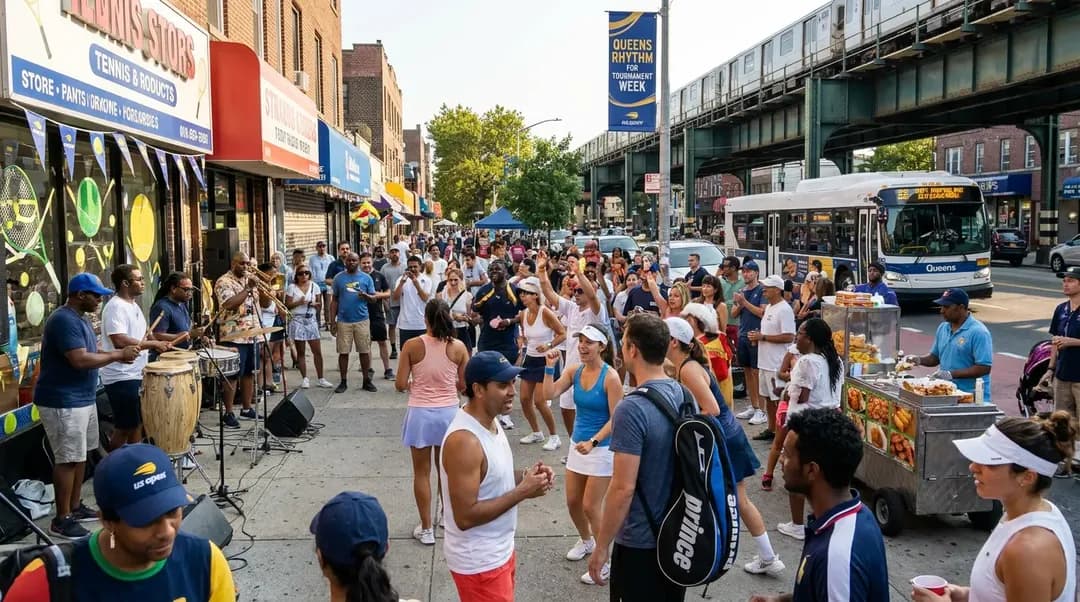
The best local moments often appear when you stop trying to extract every minute from the schedule. Leave room for the Queens scenes around the tennis: commuters heading somewhere else, residents carrying groceries, kids studying the crowd, visitors asking for directions, and people who know the area moving with casual confidence outside the television frame. The tournament is the magnet, but the borough is the setting. Remembering that makes the whole day feel less like a crush and more like a temporary neighborhood ritual.
Practical Notes
Advice: before travel, check the official event schedule, plan-your-visit information, and transportation directions for the current version of your day. Because “A Local Queens Rhythm for Tournament Week” depends on live operations, verify the specific schedules, gates, transit conditions, local hours, inventory, and venue rules that affect this plan. Do not assume a specific player will appear on a particular court, and do not treat any price, shop item, restaurant hour, or seat-adjacent convenience as guaranteed without confirmation.
Before acting on “A Local Queens Rhythm for Tournament Week,” recheck the official security page; its current limit is one searchable bag per guest, no larger than 12 by 12 by 16 inches. Keep essentials compact, preserve phone power, and agree on a place to regroup if the exit crowd separates your party. The local Queens rhythm is not a secret hack. It is a calmer way to respect scale: the journey, sidewalks, gates, courts, and neighborhood are connected pieces. Move with them, and tournament week feels less like fighting a crowd and more like joining one well for a day.
Tags: #USOpen2026 #Tennis #NewYork #Queens #FlushingMeadows #USOpenGuide #TennisFans #SportsTravel #NYCEvents #HardCourt #KarpoFinds #Karpo
Sources consulted: usopen.org — Official reference · usopen.org — Official reference · usopen.org — Official reference
All trademarks are the property of their respective owners.
Ask Karpo first
Want to know what is confirmed, when to show up, and what is actually open to the public? Ask Karpo for the latest US Open updates and a practical New York plan for a local queens rhythm for tournament week.
Ask Karpo for more information.
Keep reading
- Where to Eat Near Penn Station That Isn't a Chain
 Andytown Coffee in the Outer Sunset: The Snowy Plover Explained
- Best Things to Do in Chicago: What the City Gives Away