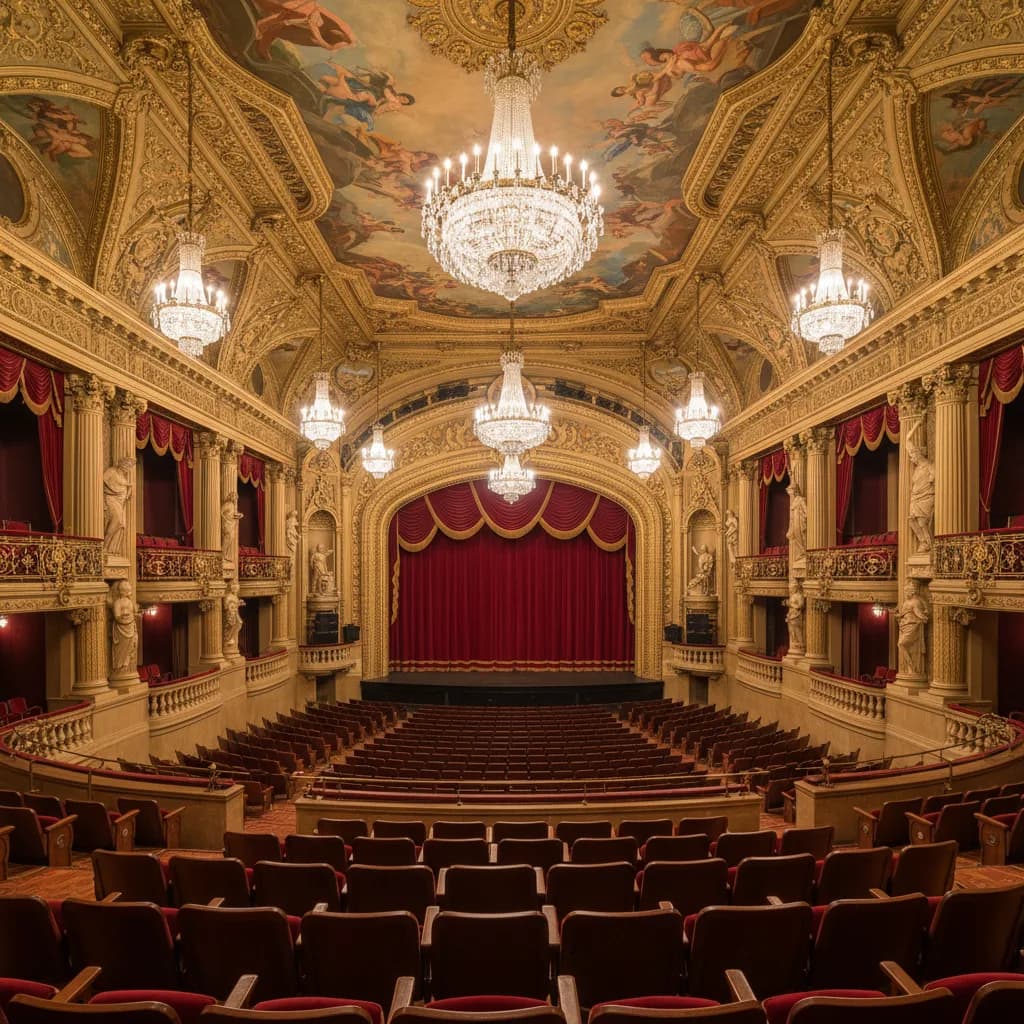
 Kings Theatre in Flatbush: A Restored 1929 Movie Palace
Hidden Gems & Odd Finds
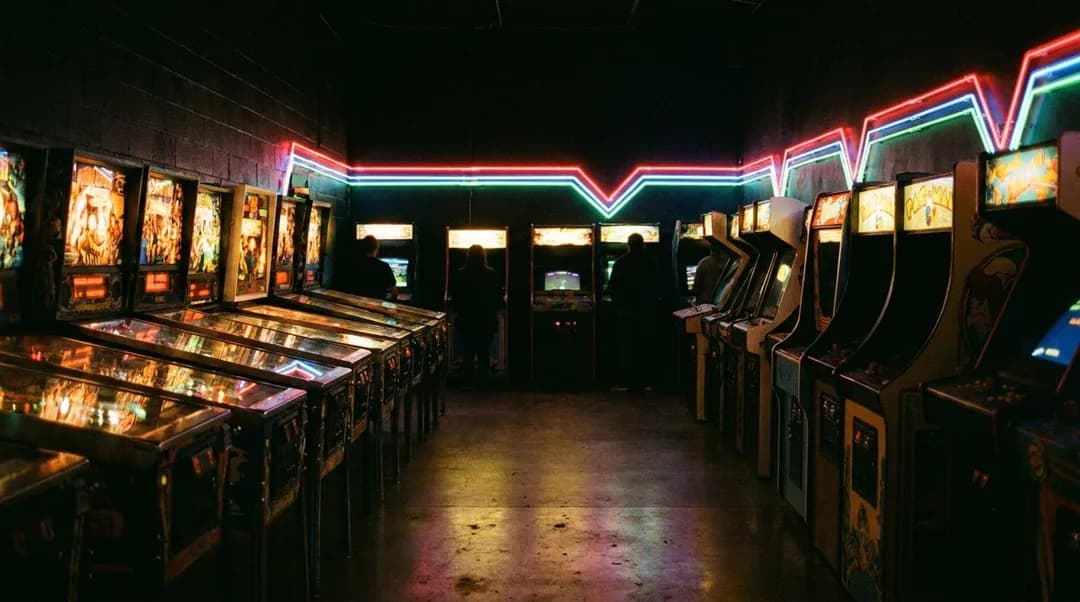
A Back-Room Vintage Arcade in Williamsburg, Dim and Humming on Its Own Schedule
Working pinball machines and old cabinets in a room that seems to open when it wants: the odd find that doesn't advertise, doesn't hurry, and doesn't always answer the door.
The arcade sits behind an unmarked door on a Williamsburg side street, the kind of block where warehouses still outnumber boutiques and the sidewalk stays quiet after dark. No sign announces it. No hours are posted. The space opens when someone decides to open it, and the machines inside hum whether anyone is playing or not.
A Room That Keeps Its Own Hours
The entrance is easy to miss—a metal door between a loading dock and a shuttered storefront, paint peeling in strips. Inside, a narrow hallway leads past stacked crates and a coat rack draped with jackets that might belong to staff or might have been forgotten months ago. The arcade itself occupies what was once a storage room, low ceiling, concrete floor, walls painted a flat charcoal that swallows most of the light. Fluorescent tubes flicker overhead, but the real illumination comes from the machines themselves: glowing marquees, blinking attract modes, the warm pulse of CRT screens lined up against the walls.
The schedule is unofficial. Some weeks the door is unlocked three afternoons in a row. Other times it stays dark for days. Regulars have learned to check a cryptic social media account that posts single-word updates—"open" or "maybe later"—with no further explanation. The inconsistency is part of the appeal. Those who show up during an open window feel like they've stumbled into something that wasn't meant for them, or for anyone in particular.
Machines That Still Take Quarters
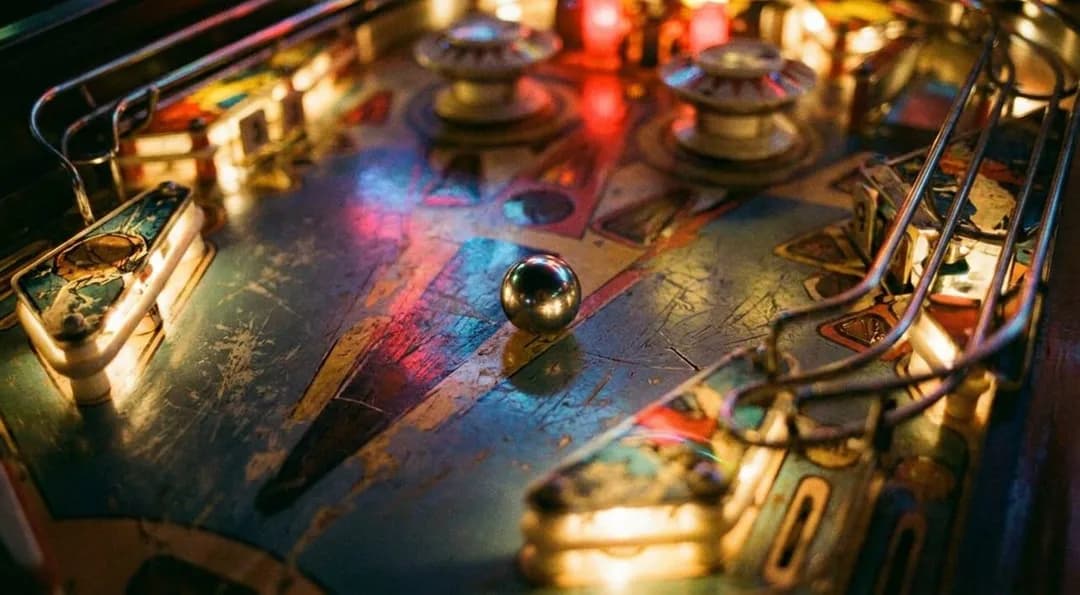
The collection skews toward the late eighties and early nineties, with a few outliers from the seventies arcade boom. Pinball machines dominate one wall: a Medieval Madness table with worn flippers, a Twilight Zone machine that still plays the theme song at full volume, a Creature from the Black Lagoon cabinet with art faded to soft pastels. The glass on most tables is scratched from decades of leaning, and the rubber bumpers have gone gray, but the mechanisms still fire. The sound of steel balls ricocheting through playfields fills the room with a rhythm that feels analog and alive.
Upright cabinets line the opposite side. Donkey Kong, Galaga, a Pac-Man machine with a joystick wrapped in electrical tape. A few fighting games from the nineties—Street Fighter II, Mortal Kombat—with buttons that stick but still register combos if pressed hard enough. Everything runs on quarters. No card readers, no touchscreens, no modern retrofits. A change machine sits near the door, dented and temperamental, spitting coins in bursts when it decides to cooperate.
The Crowd That Finds It
The people who end up here arrive in clusters or alone, rarely in between. Some are neighborhood veterans who remember when this block was all industrial, who knew about the space before it became an arcade, back when it was just a room someone used for storage. Others are younger, drawn by whispered recommendations or a single photograph posted without location tags. They dress in thrift-store denim and scuffed sneakers, carry tote bags from bookstores that closed years ago, and treat the arcade like a secret they're hesitant to share.
Conversation is sparse. The machines are loud enough to make small talk difficult, and most players seem content to let the gameplay fill the silence. Someone feeding quarters into Galaga for an hour straight, another crouched beside a pinball table to watch the ball drain, a pair huddled around a fighting game cabinet trading wins without speaking. The atmosphere is less social than communal—a shared understanding that this room exists outside the usual rhythms of the neighborhood, a pocket where time moves differently.
The Smell of Dust and Solder
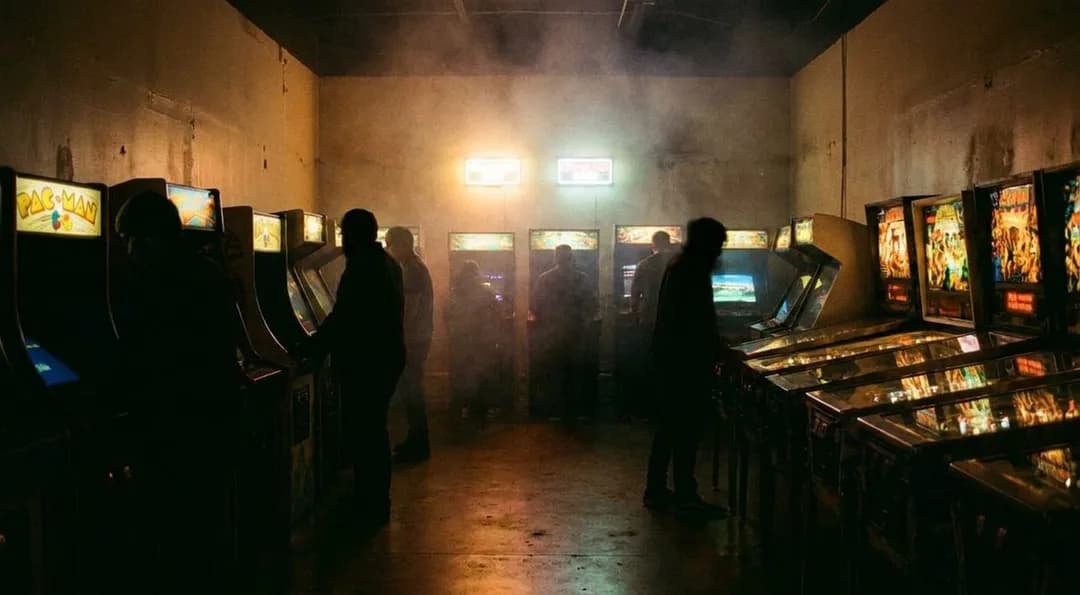
The air inside carries a specific scent: old electronics warming up, dust settling on circuit boards, the faint metallic tang of coin mechanisms cycling through change. No food is sold here, no coffee bar tucked into a corner. A mini fridge near the back holds canned sodas and energy drinks, honor-system pricing, cash dropped into a coffee tin. The floor is gritty underfoot, decades of grime worked into the concrete, and the walls are bare except for a few torn posters advertising arcade tournaments from the nineties, edges curling away from the tape.
The temperature shifts depending on how many machines are running. On slow days, the room stays cool, almost damp. When the space is full and every cabinet is lit, the heat builds, and the air thickens with the smell of warming transformers and aging plastic. Regulars know to dress in layers. Newcomers often peel off jackets after twenty minutes and drape them over the backs of chairs no one remembers bringing in.
The Unspoken Rules
No one posts about the arcade in real time. Photographs are rare, and when they appear online, they're cropped to hide identifying details—a close-up of a joystick, a blurred shot of a screen mid-game, nothing that would give away the location to someone who doesn't already know. The people who run the space—if anyone officially runs it—remain invisible. Occasionally someone emerges from a back room to refill the change machine or restart a cabinet that's frozen mid-attract mode, but they don't linger or make conversation.
The understanding is that the arcade survives because it stays quiet. No viral posts, no weekend crowds, no lines stretching down the block. Those who find it are expected to keep it that way. The ethos is less gatekeeping than preservation—a recognition that places like this disappear when they become destinations.
When the Lights Go Out
Closing time is never announced. The machines simply start shutting down, one by one, screens going dark, playfields falling silent. Sometimes it happens gradually over an hour. Other times the lights cut all at once, and whoever is still inside takes the hint. The door locks from the outside, and the block returns to its usual stillness, the arcade invisible again behind its unmarked entrance.
Practical Notes
The arcade operates on an irregular schedule, typically late afternoons and some evenings, but days and hours vary without pattern. No phone number or website exists. Updates occasionally appear on a low-profile social media account, though checking in person remains the most reliable method. The space is cash-only, and the change machine accepts bills up to twenties when it's working. Games cost between one and four quarters depending on the machine. The nearest subway stop is a short walk west. Street parking is available but competitive. No reservations, no memberships, no advance notice. The door is either open or it isn't.
Tags: #VintageArcade #WilliamsburgNYC #HiddenGems #RetroGaming #PinballMachines #TheOddEdit #BrooklynFinds #UndergroundNYC #ArcadeCulture #CoinOp #EightiesArcade #SecretSpaces #OffTheGrid #NYCNightlife #KarposFinds
Sources consulted: atlasobscura.com · timeout.com · nytimes.com
All trademarks are the property of their respective owners.
Ask Karpo first
Want to know when it's actually open, how to find the unmarked door, and which machines are worth the wait?
Ask Karpo for the real hours, how to get in, what to play first, and a live route around Williamsburg before you head out.
Ask Karpo for more information.
Keep reading
- Kings Theatre in Flatbush: A Restored 1929 Movie Palace
 Chambers Street Wines: Manhattan's Natural Wine Pioneer
 Mediterranean Food Near Me in NoMad: Ilili's Crispy Brussels Sprouts