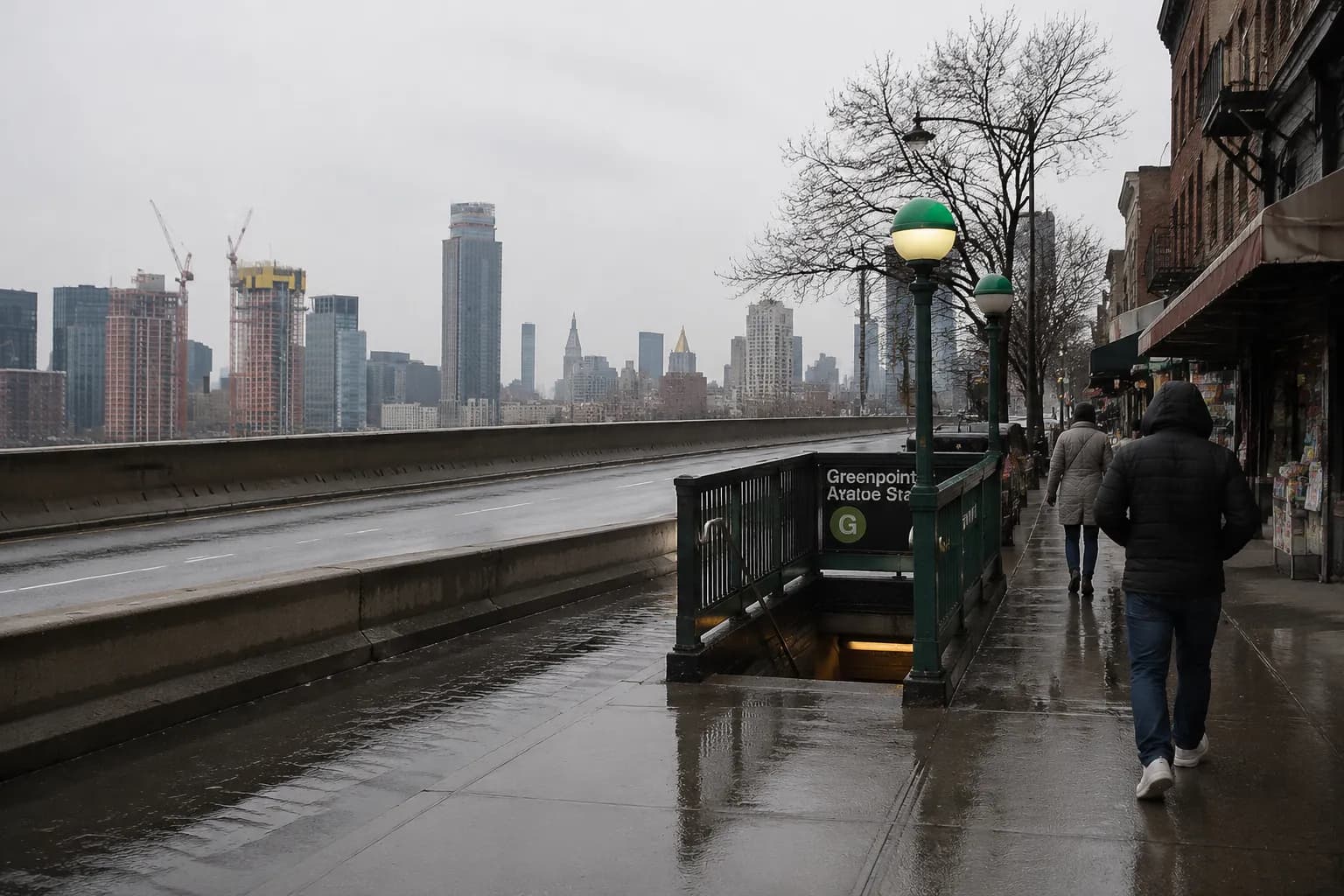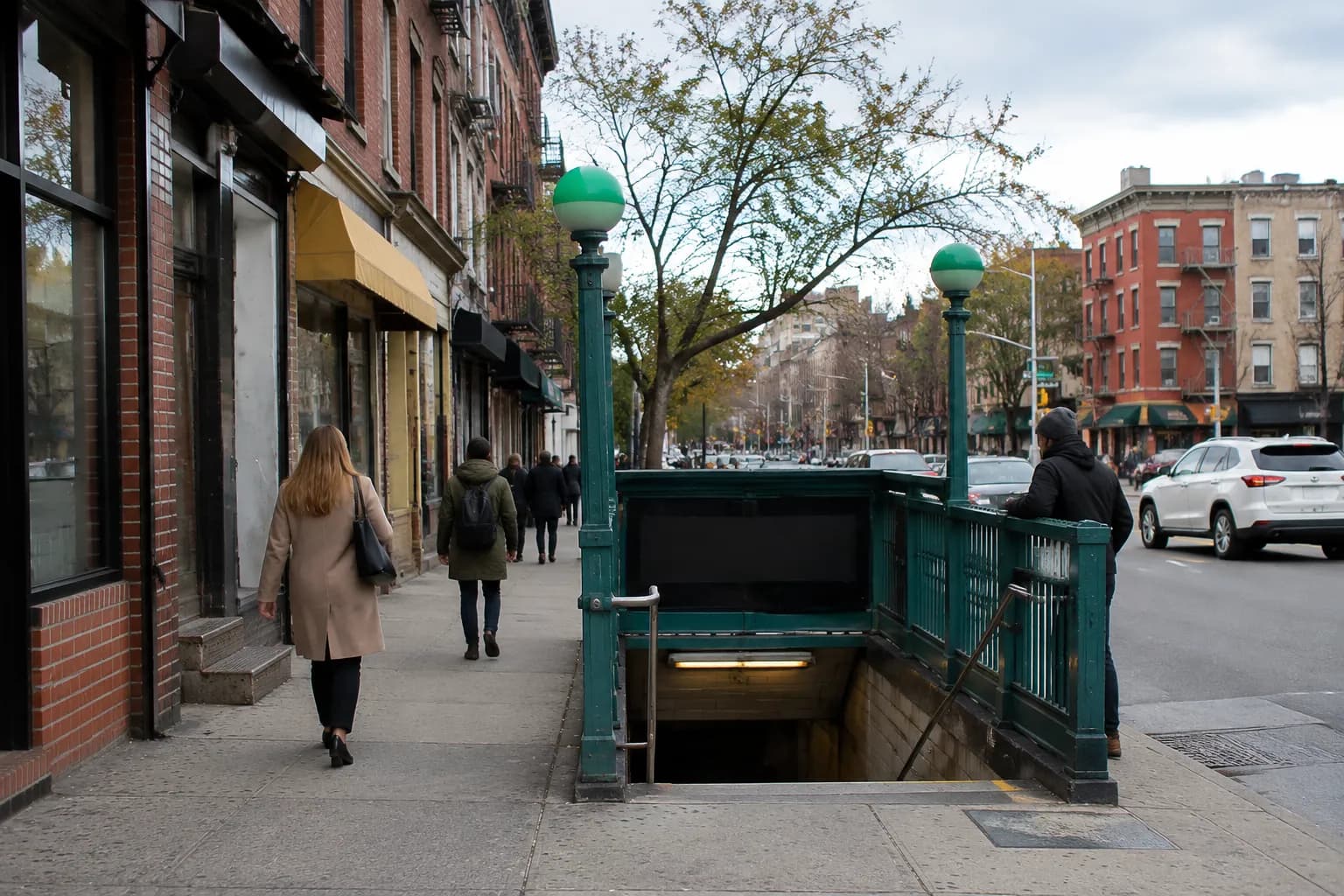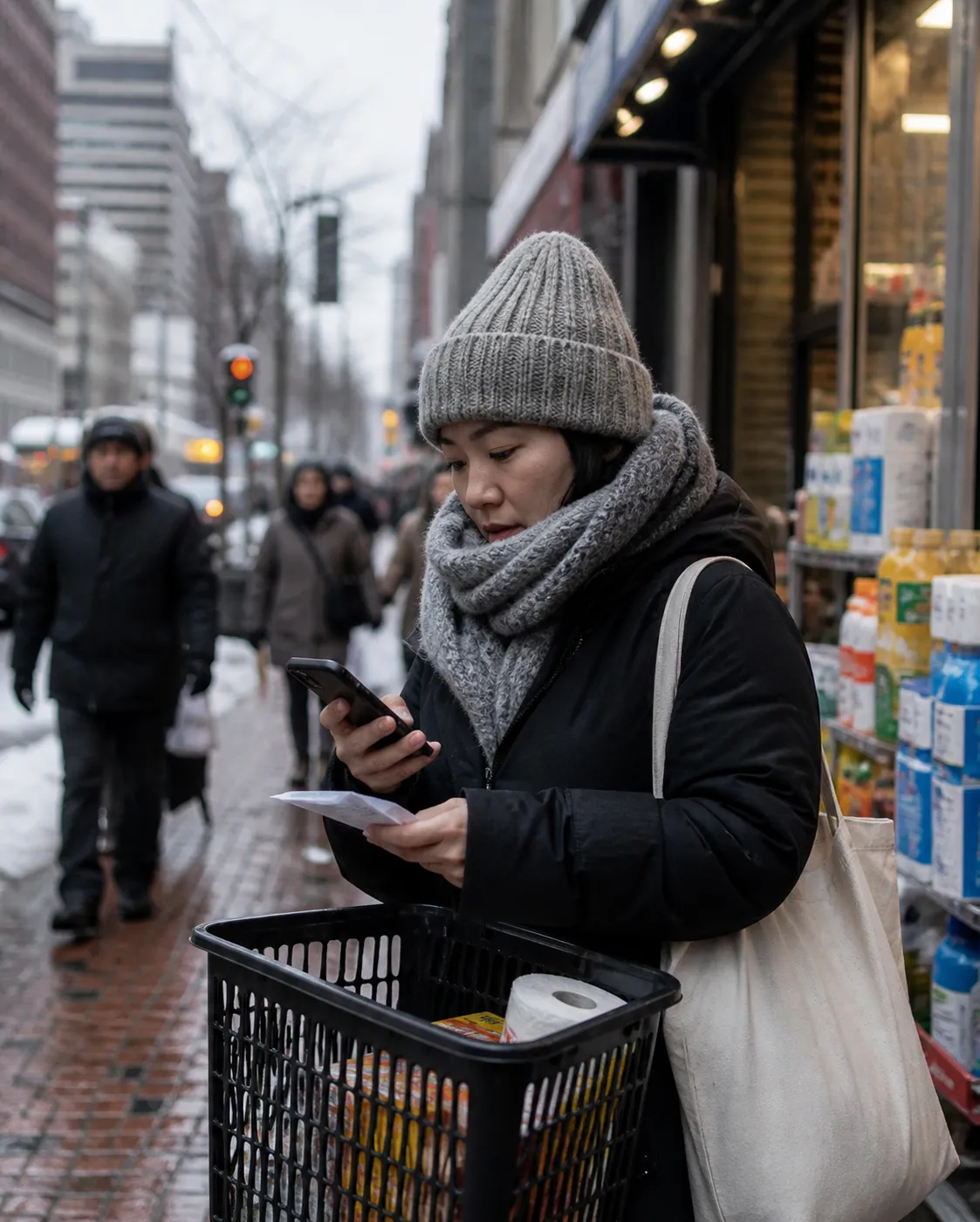
Winter headlines can make a seasonal plan feel urgent, but a weekend in NYC works best when the response stays measured. For roommates, 2026-27 winter weather predictions are useful mostly as a reminder to check what is already missing, what can wait, and what belongs on a shared list instead of a panic buy. A fall weekend morning is a good time to do that because stores are open for errands, transit is usually easier to manage than later in the day, and the apartment is still calm enough for a quick inventory. The aim is practical confidence: enough supplies to make the first cold stretch easier, not a pile of items that take space and money without adding much value. Start with official transit guidance, verify store availability before you travel, and shape the loop around neighborhoods you can reach without turning a small errand into a full-day project.
Use Karpo to sort your NYC winter-prep errands by sharing borough, apartment type, storage space, and budget before weather headlines turn into overbuying.

Start With What You Actually Use
Start by listing only the things you actually use in a cold week. That usually means the boring basics: batteries, flashlights, chargers, gloves, hand warmers, shelf-stable food, cleaning supplies, and any medication or personal care item that would be annoying to replace in bad weather. If the apartment already has duplicates, do not buy more just because a forecast thread got loud. For roommates, the best list is shared, simple, and specific enough that nobody returns with three versions of the same item. A spare beanie or a second phone cable may be useful; a case of supplies you never touch is just clutter. The point is to make the list match real habits, not a dramatic weather narrative.
Even when 2026-27 winter weather predictions sound dramatic, the smarter move is to separate likely needs from impulse buys. Ask what would still feel useful if the season is milder than expected, because those items give you value either way. The answer usually favors reusable or consumable basics over specialty gear. A good rule is to buy what would be easy to justify in an ordinary January, not only what sounds impressive in a cold-weather forecast. That keeps the budget tied to use, not fear, and makes it easier to split costs fairly if the roommates share everything.

Check Transit Before You Cross Borough Lines
Before you leave, check the MTA page for real-time alerts, planned service changes, elevator and escalator status, and the transit guides already listed there. That is enough to tell you whether a quick subway-plus-walk route still makes sense or whether you should stay closer to home. If your errands depend on carrying a few bulky items, a smoother route matters more than shaving a dollar off one purchase. The day is easier when transit decisions happen before you step outside, not after you are already waiting on a platform. If service is shifting, use that as permission to shrink the route instead of forcing a cross-borough loop.
Because the MTA homepage currently highlights real-time alerts, planned work, elevator and escalator status, service alerts, and guides for airports and stadiums, it is the first place to check before you decide how far to travel. If the morning still looks manageable, prefer a loop that stays close to reliable lines or a straightforward walk. If the day is slippery or service is shifting, reduce the number of transfers and keep heavy purchases small enough to carry without strain. Transit certainty often matters more than chasing one store with the lowest sticker price, especially when more than one roommate is carrying part of the load.
Make One Loop, Not Three Separate Trips
The clearest way to save money in a preparedness run is to limit the radius. Pick one neighborhood cluster, then choose stores that can cover overlapping needs so you are not paying twice in time and fare. Call ahead or check stock online for the exact item that matters, especially if you need a size or model that is easy to miss. If the first option is out, decide in advance what substitution is good enough. That keeps the errand from turning into a treasure hunt with a winter-weather excuse. The point is not to optimize every price tag; it is to come home with the right mix in one trip.
This is also where shared errands pay off. One roommate can handle pharmacy basics, another can pick up pantry restocks, and a third can check hardware or battery needs, as long as the list is written before anyone leaves. The division works best when each person knows which item is communal and which one belongs to them alone. A divided list prevents duplicate spending without making anyone carry the whole plan, and it makes it easier to spot gaps before checkout, when fixing a mistake is still cheap. That structure is the difference between a useful morning and a messy one.
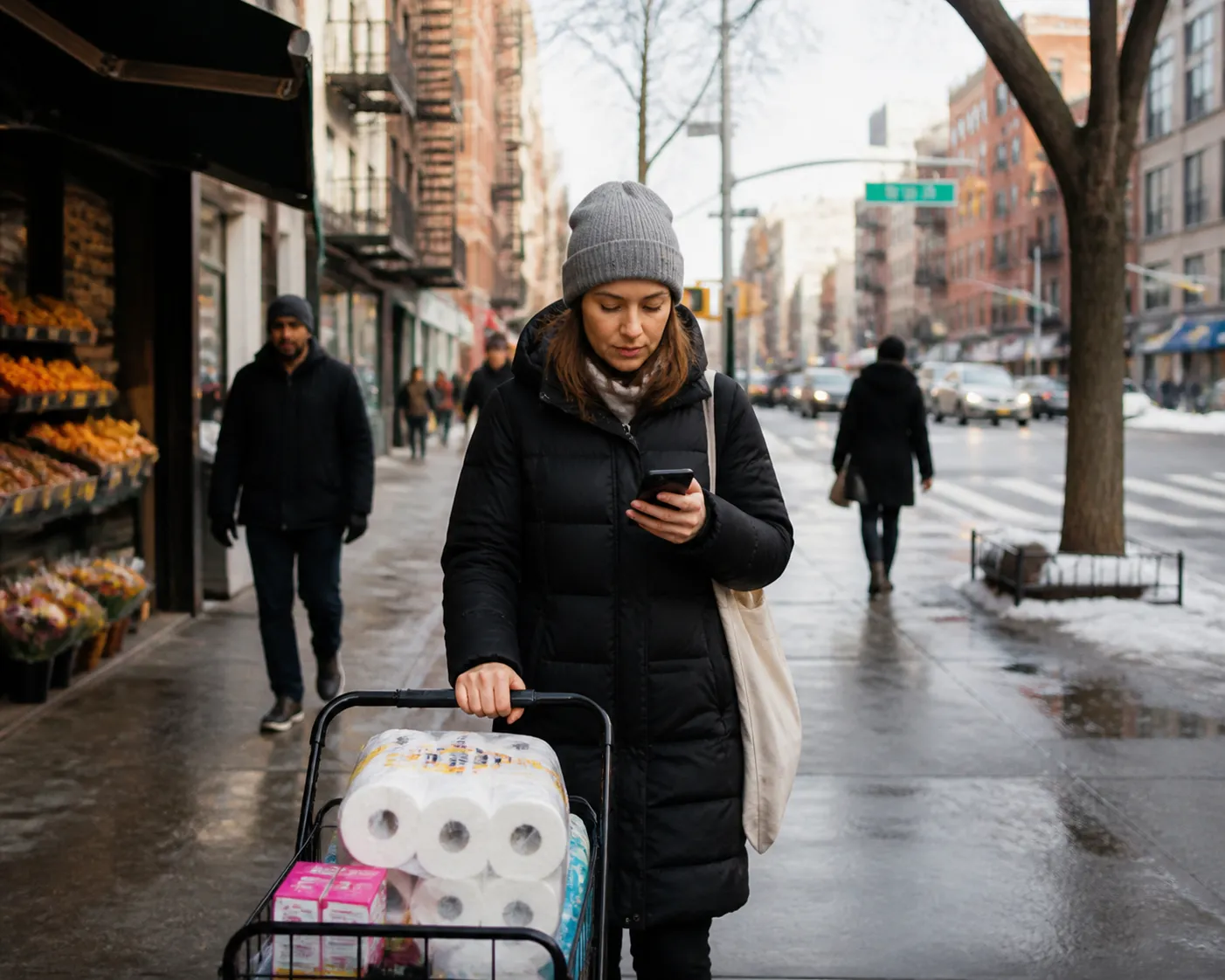
Use Public Places for a Low-Cost Reset
Not every preparedness run needs to feel like a chore. If your route passes a park, a library branch, or another public place you already use, let that stop earn its place only if it fits the day naturally. The best version is a short reset between errands, not a detour built around hopes that the listing or schedule will line up perfectly. Keep the plan flexible enough to skip a stop without losing the whole morning. That flexibility matters when the weather is only a possibility and not a problem yet, because the goal is to stay calm, not to complete an itinerary.
Check official event pages before you rely on them for anything specific, since details can change and not every listing deserves a trip across town. Use those pages as a confirmation step, not as a promise. The practical benefit is simple: if the park or library stop already sits on your path, it can make the day feel less like shopping and more like a normal weekend. For roommates, a public-space break is also where everyone can reset the list and decide whether any planned purchase should be cut. That keeps the outing from becoming a marathon of small purchases and unnecessary waiting.
Agree on a Roommate Spend Line
Roommates get the most value when the prep plan is explicit. Decide which items are communal, which are personal, and what the spending ceiling is before anyone opens a cart or checks out at the register. If one person already owns the flashlight or toolkit, buy something else that fills a real gap. A small, shared list usually beats a dramatic haul because the benefit shows up later in fewer emergency runs and less duplication. That is how a cautious morning stays useful without drifting into excess, and it also lowers the chance that one person pays first and chases reimbursement later.
When 2026-27 winter weather predictions are still just chatter, a spending ceiling keeps the conversation practical. The question is not whether to prepare at all, but how to make the next cold spell easier without buying for the worst fantasy version of it. If the item would still make sense in a normal winter week, it probably belongs on the list; if it only makes sense in a dramatic scenario, leave it off for now. That discipline is what turns a weather headline into a calm weekend habit, especially when everyone in the apartment has a different tolerance for stocking up.
Tags: #NYC #WeekendPlans #winterprep #roommates #transit #fallerrands
Sources consulted: Source 1: nycgovparks.org · Source 2: new.mta.info · Source 3: nypl.org · Source 4: a816-health.nyc.gov
All trademarks are the property of their respective owners.
Ask Karpo first
Ask Karpo to turn this NYC idea into a current plan for your date, budget, companion, transit preference, and energy level. Karpo can narrow the route and flag what to verify before you go.