Beauty / Collection
Ask the table. That is the catalog.
A Chelsea show-floor guide for beauty booths, vintage tables, and the few purchases that earn the bag.
 Ivy Lawson
Metropolitan Pavilion is not a beauty store. That is the useful part.
At 125 West 18th Street, the building behaves more like a set of shelves the city keeps restocking: one weekend a maker market, another weekend a vintage floor, another weekend a professional beauty show with kit discounts and education stages. The address stays put. The room changes jobs.
I grew up in a family hardware store, so I trust shelves before slogans. A good shelf tells you what the seller thinks belongs together, what they expect to move, and whether anyone has thought about the person who has to carry the thing home. Beauty booths are no different. The table is the catalog. The person behind it is the product description. The tester is the return policy before money changes hands.
My filter is simple:
• Can I try it?
• Can I talk to someone who knows why it exists?
• Can I take it away today without inventing a return fantasy?
Different shows inside Metropolitan Pavilion answer those questions differently. That is where most bad purchases start: walking into one type of floor and shopping it like another.
First, read the room
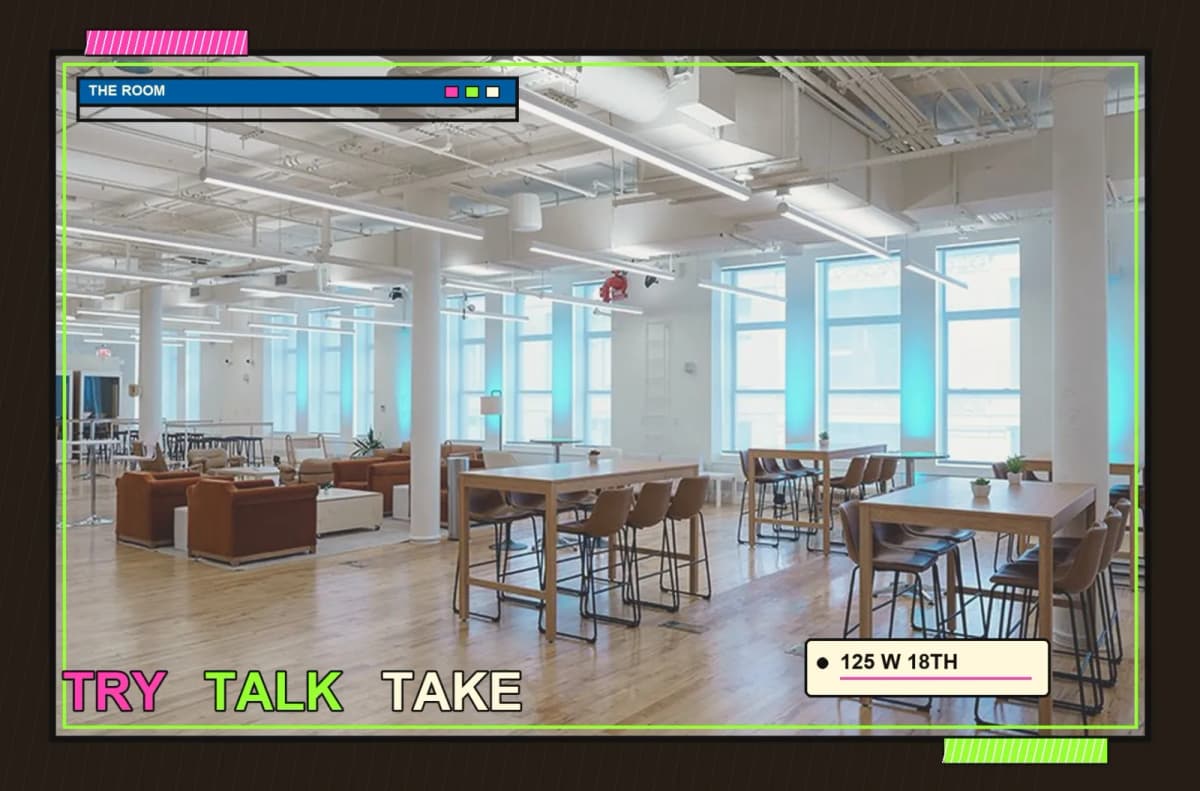
Metropolitan Pavilion now works across several Chelsea event spaces, including the Pavilion, the Gallery, the Level, the Suite, and Creative Studios. The main entrance is 125 West 18th Street. North Pavilion and Creative Studios use 110 West 19th Street. Some upper-floor spaces use 123 West 18th Street.
That sounds like logistics. It is actually shopping strategy.
If the event is using the main Pavilion, expect a bigger floor, wider aisles, and a crowd that moves in waves. If the show is tucked into another level or studio space, expect a tighter edit and fewer escape lanes. I check the entrance before I check the outfit. A good shopping day starts with knowing which door is doing the work.
The maker-market table: Renegade Craft
Renegade Craft's New York Spring fair is the cleanest version of the small-maker table. Its 2026 spring edition at Metropolitan Pavilion ran April 11 and 12, 11am to 5pm, with more than 180 curated artists and a suggested 5 dollars entry. It is indoors, service animals are allowed, and pets are not.
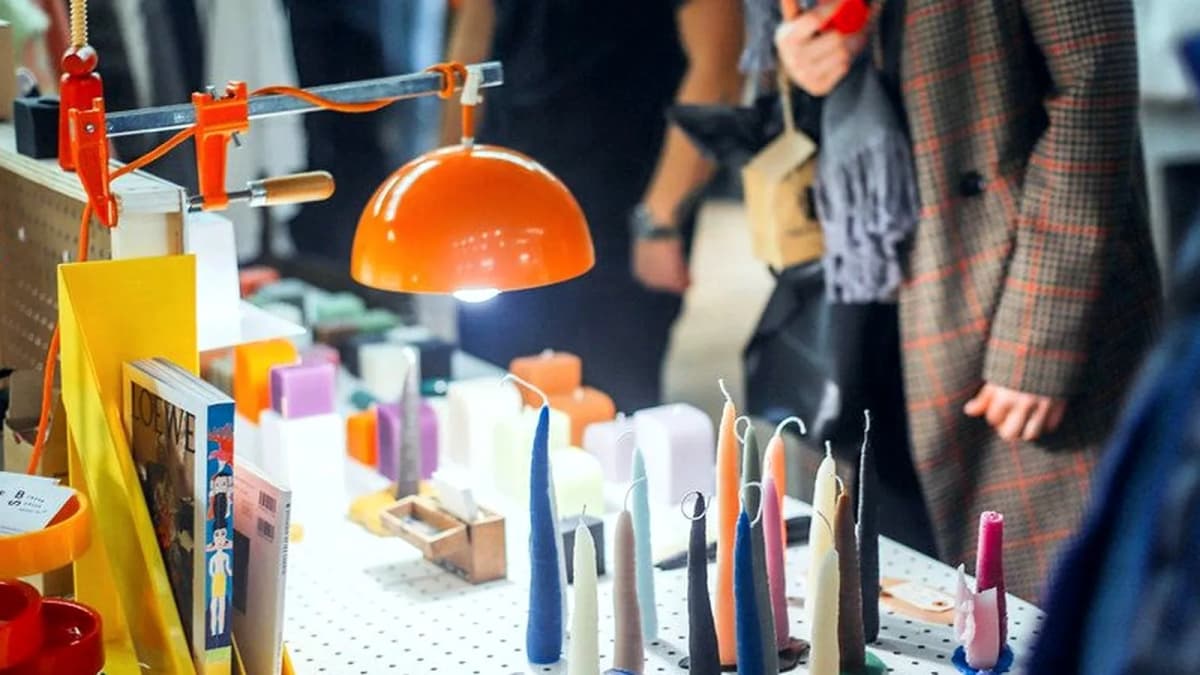
Renegade is not a beauty expo. That is why it can be useful. Beauty and self-care sit beside ceramics, textiles, paper goods, candles, jewelry, and objects that do not care about your algorithm. You may find soap, balm, fragrance, oils, or body goods, but they are part of a broader maker economy. The table is usually small enough that the person selling can explain the batch, the scent, the packaging, and why the thing costs what it costs.
This floor is strongest on the second question: Can I talk?
Ask this instead of asking what is popular:
• What changed between your first batch and this one?
• What sells out first because people come back for it?
• What should I skip if my skin is reactive?
• What is the smallest thing here that still explains the brand?
Those questions make a maker show useful even when you leave with one lip balm and a postcard. The price band is not bargain-bin. Handmade goods carry handmade margins. A 5 dollars suggested entry does not mean 5 dollars shopping. It means you are paying to get close enough to the shelf to ask better questions.
The buy: small formats, soaps, balms, scent goods, candles, or anything where the maker can tell you exactly how to use it.
The skip: a full routine from a brand you have never put on your skin.
The vintage floor: Manhattan Vintage
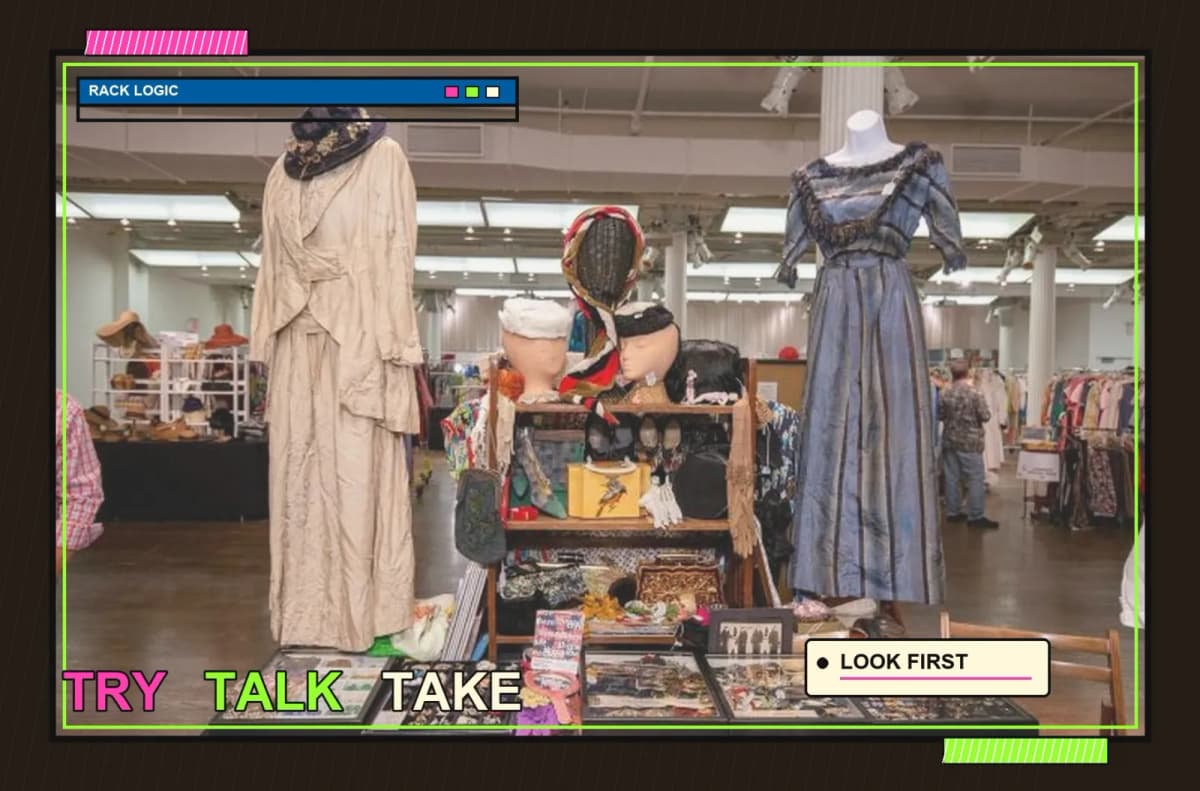
Manhattan Vintage is a different animal. The show has been built around vintage clothing, jewelry, accessories, and textiles, with more than 90 dealers in older editions at Metropolitan Pavilion. That makes it a strong shopping floor, but not a beauty floor in the swatch-and-sample sense.
This is where the filter gets lopsided.
You can talk. Dealers know eras, fabric, labels, closures, stitching, and why one compact feels cheap while another feels like someone used it for forty years. You can take away the object the same day. What you usually cannot do is try beauty the way you try a lipstick at a counter.
So I would not buy a ticket expecting skincare. I would go for the beauty-adjacent shelf: vanity trays, perfume bottles, compacts, mirrors, costume jewelry, silk scarves, small bags, and the kind of getting-ready objects that make a bathroom feel less temporary.
The useful question here is not "Does this match my face?" It is "Does this object still have a job?"
A compact with a bad hinge is decoration. A tray too delicate to clean is stage dressing. A scarf that only works in one fantasy outfit is a tax on your closet. Vintage shopping gets expensive when you confuse mood with use.
The buy: mirrors, trays, jewelry, silk, small evening bags, and well-made objects that still function.
The skip: anything you are buying only because the booth made it look like a life.
Leaving empty-handed can still be a win here. An hour on a vintage floor teaches your eye what good weight, good hardware, and good aging look like. That education follows you back to every store with fluorescent lights.
The pro-kit floor: The Makeup Show
The Makeup Show is the floor where discipline matters most.
By mid-July 2026, the public calendar had split the next New York beauty-shopping moment from the next full New York show: The Makeup Shop NYC is dated December 12-13, 2026, while The Makeup Show NYC points to May 2-3, 2027. Different name, different floor, different use case. Read the ticket page before you buy.
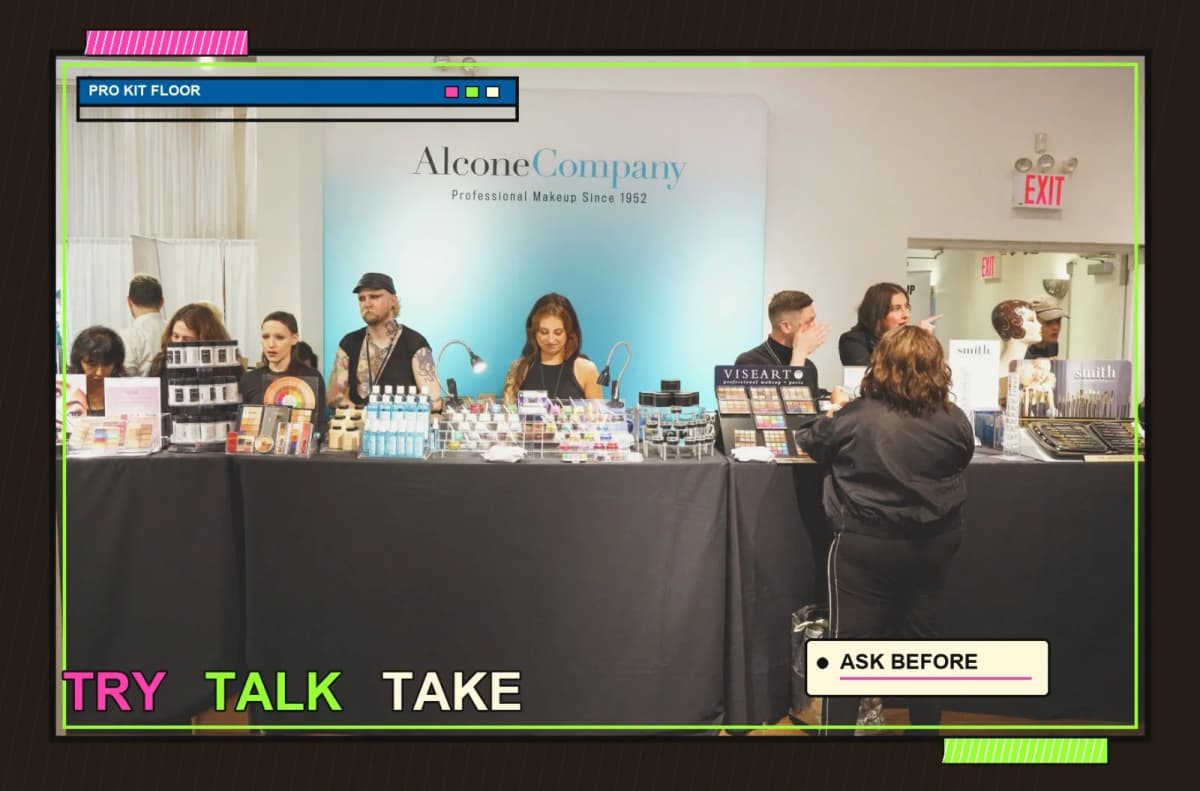
Its beauty-world setup is built around brands, artists, demos, education, and product sales. A show ticket gives access to the exhibitor floor and more than 40 free sessions across demo, seminar, and main-stage programming. Longer hands-on or business classes cost extra. Exhibitors can sell on the floor; most do, and pro discounts commonly run from 10 to 60 percent. Most exhibitors take both cash and credit card. Credentials matter when a further discount is on the table.
That is the best and worst thing about this kind of show. The deals are real. So is the pressure to turn a discount into a reason.
The strongest question here is Can I try? Testers, demos, and artists are the point of the floor. But a tester is not a dare. Ask before you swatch. Use disposables. Do not sit in a demo chair unless you are there to learn. If you work in beauty, bring credentials. If you do not, bring humility and a short list.
I would shop this floor like a kit restock, not like a treasure hunt.
Good buys:
• Brush sets you already planned to replace
• Pro palettes you have compared before arrival
• Sanitation, tools, adhesives, and kit maintenance items
• Staples from brands you already know on your skin
• One experimental item, not six
Bad buys:
• Foundation without a wear test
• Anything you only noticed because a discount sign was loud
• A "future self" kit for work you do not actually do
• Dupes that cost you more because the original still lives rent-free in your head
The ticket has to be part of the math. Paid admission only becomes smart if it saves money on purchases you already meant to make, or if the education is the reason you came. Otherwise the counter is still the better shelf.
The counter test
A department-store counter gives you fixed retail prices, permanent testers, a return path, and a staff member trained to keep the brand looking coherent. A booth gives you a shorter window and a closer view of how a product sells when the room is watching.
That closeness is the advantage. You can hear what buyers ask twice. You can see which testers are worn down by noon. You can tell when the staff knows the ingredient list and when they only know the pitch. At a maker table, the owner may be two feet away. At a pro show, the artist may give you technique before product. At a vintage floor, the dealer may save you from buying a beautiful useless thing.
The trade-off is protection. A booth is not a returns desk. It rewards people who test, ask, pause, and then buy. If a seller cannot explain use, price, or fit, the table has already answered you.
Pack like someone who came to choose
Bring both card and cash. Bring beauty credentials if you have them. Bring a small shopping list, not a shopping personality. Bring hand sanitizer, tissues, a tote that can stand upright, and enough water to keep your judgment from turning into impulse.
Go early if selection matters. Go later if conversation matters. The first hour has the cleanest shelves and the most determined buyers. The last hour has tired vendors, thinner aisles, and better odds of a real answer.
And check the calendar before you move. These shows recur on their own rhythms, and Metropolitan Pavilion changes identity constantly. Renegade, Manhattan Vintage, The Makeup Show, and related shopping events do not share one schedule just because they have shared a building.
Empty-handed is not failure
The best show-floor purchase is not always the thing in the bag. Sometimes it is the question you learn to ask next time.
At Renegade, that question is about the batch.
At Manhattan Vintage, it is about function.
At The Makeup Show, it is about whether the discount was already on your list.
That is the point of shopping beauty booths at Metropolitan Pavilion. The building does not hand you one kind of market. It hands you a room and asks whether you can read the table.
Save this if you are going to a Chelsea show floor. Then do the unglamorous part first: check the entrance, check the hours, check the seller list, and decide what job the purchase has before the room starts doing the talking.
Places in this guide
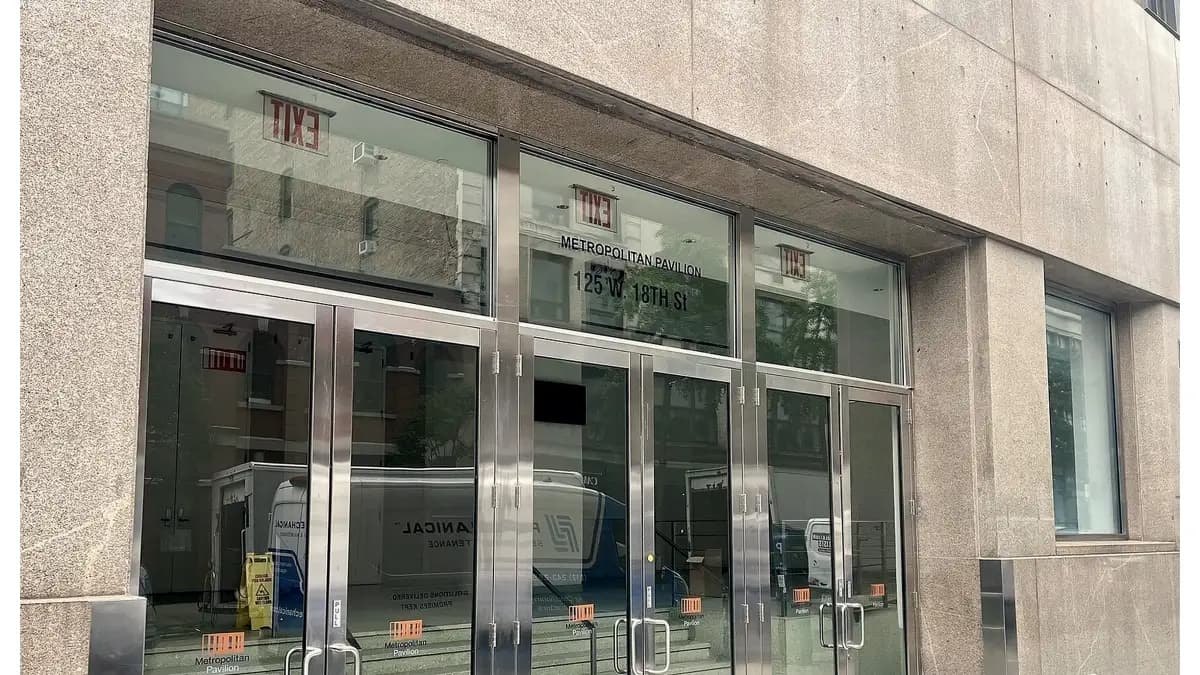
Metropolitan Pavilion, 125 W 18th St, New York, NY 10011