
The Second-Life Materials Route for Sharp-Eyed Walkers
Give yourself about three hours and choose walking plus short transit hops, with time to examine surfaces. It suits design-minded visitors who enjoy gardens, dining, and public space, working best as a slow daytime outing.
Map the material afterlife
Concrete to Canopy
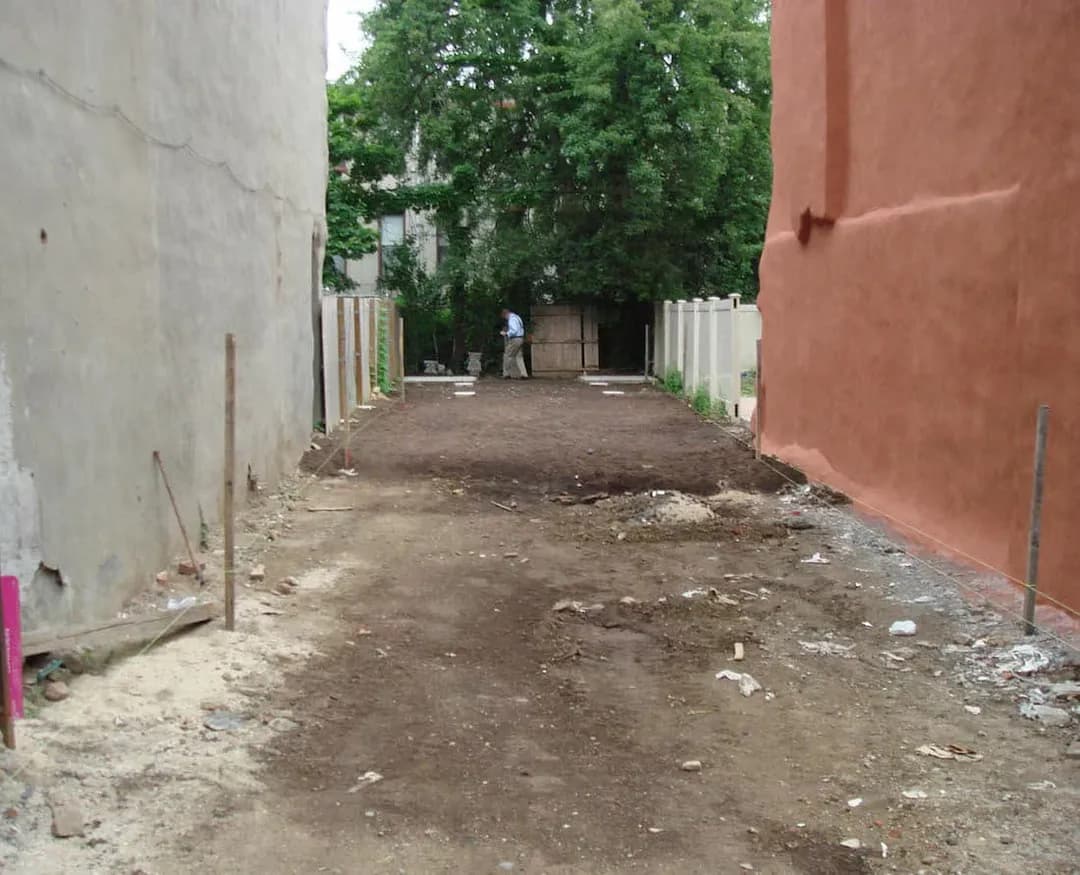
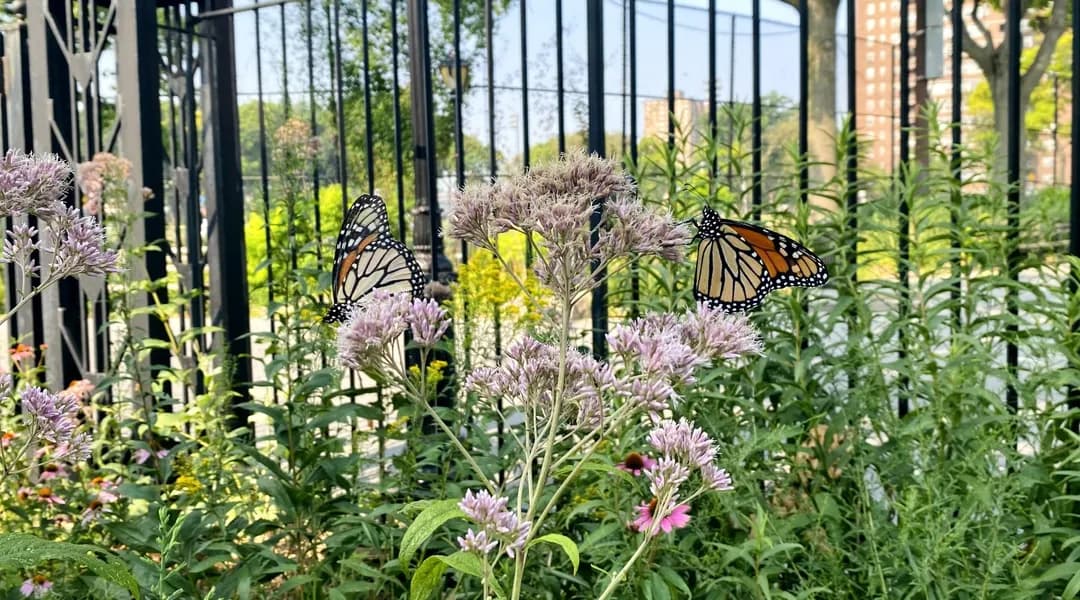
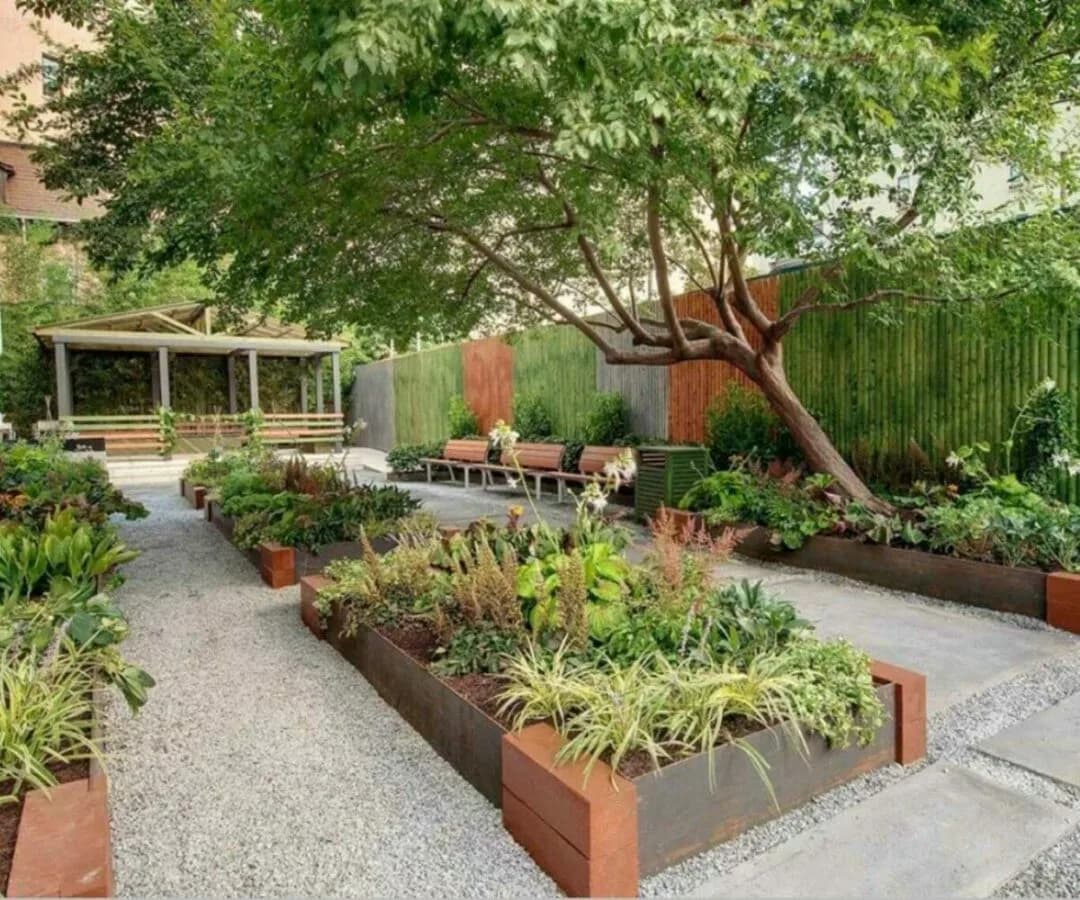
At Bedford-Stuyvesant Community Garden, recycled concrete paver stones set a crisp path between green walls, raised beds, and a boardwalk. The restored lot works as a small material study, with hard surfaces guiding the eye toward living growth and a Little Free Library adding a quieter pause. Walk the arbor and planting beds before reading the site's details. Browse the Little Free Library after the arbor to see how structure becomes welcome.

Reclaimed Walls, Refined Room
Point Seven makes reclaimed material part of the dining room. Its walls and floor tiles use reclaimed materials, while tables and bar tops incorporate recycled ocean plastic bottles. The Midtown room turns an environmental brief into a polished setting for seafood and sushi, so it rewards close looking before you settle in. Plan this as the route's meal-centered pause and compare the surfaces around the room. Tables and bar tops incorporate recycled ocean plastic bottles, a detail worth checking before ordering.


Open-Air Study
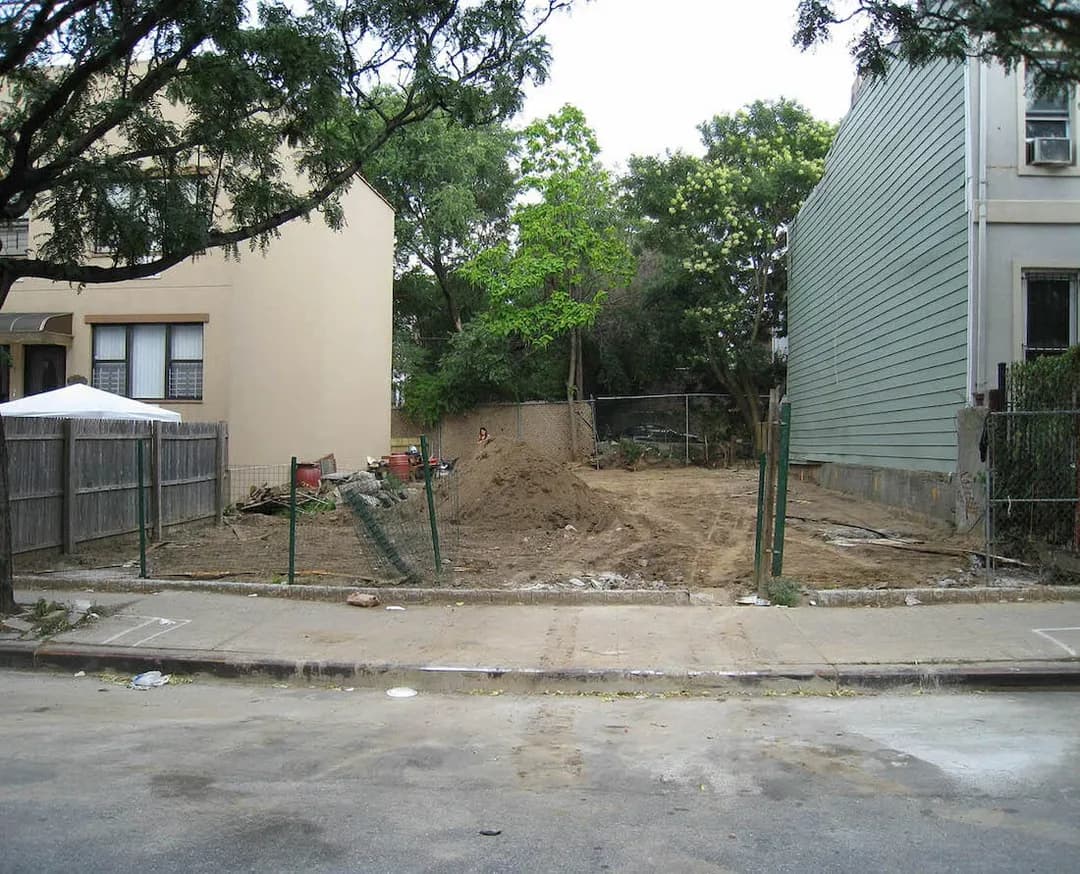
Garden of Hope reshapes a Bed-Stuy lot with sculptural concrete globes, clipped hedges, benches, and a small performance space. The design was created as a neighborhood tribute, giving the garden a distinctly architectural rhythm. Walk the paths slowly, notice how the hard forms sit inside the planting, and let the final stop broaden the route beyond interiors. The garden includes a small performance space, so check the open-air layout before leaving.