Food&Drink / Collection
Save the Basement for Last: A Half-Day Walk Through Dylan and Hendrix's Greenwich Village
Treat four blocks of the Village as one long exhibition of American music history — seven stops, one embedded meal, and a finale in the same cellar where a 19-year-old Bob Dylan asked to play.
 Marcus Hale
Here is the one-sentence version of what this walk is about: within a quarter mile of MacDougal and Bleecker, a teenage Bob Dylan played his first New York set in a basement in January 1961, and five years later Jimi Hendrix was discovered in that same basement — and the basement is still open five nights a week.
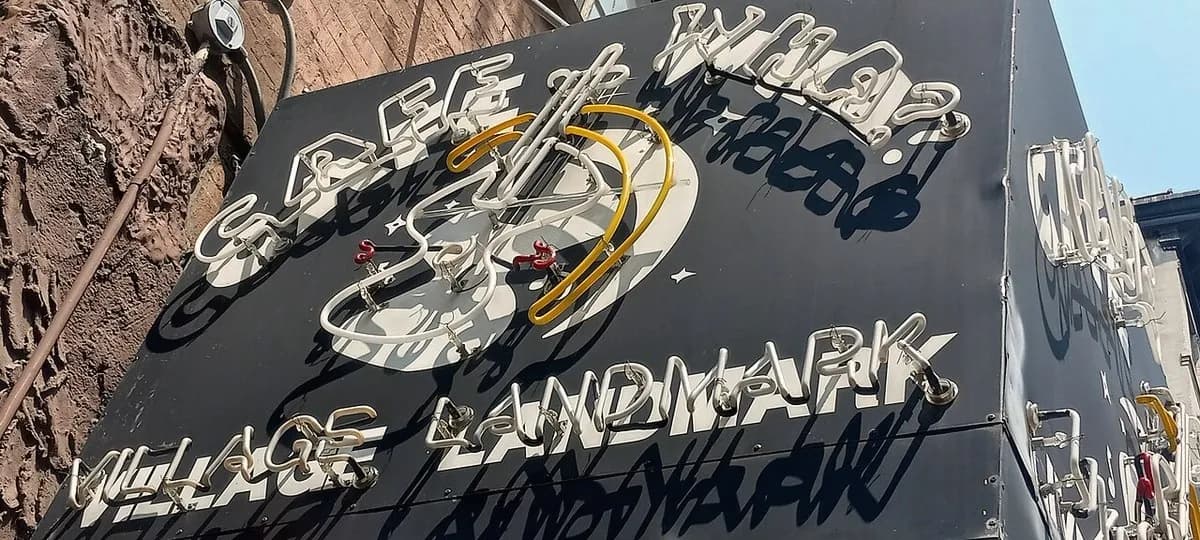
Most people do this neighborhood backwards. They photograph the Cafe Wha? sign at two in the afternoon, when the room below it is locked, then leave before the only part of the exhibition that still performs. So think of this as a museum route, curated the way I'd sequence any show worth half a day: the quiet wings first, the reading-heavy rooms in the middle, a proper meal built into the floor plan, and the best room saved for last — at night, with the house band on.
Route: Greenwich Village music-history half day
Anchor venue: Cafe Wha?, 115 MacDougal St, New York, NY 10012
Distance / time: About 1 mile of walking; 4–5 hours including dinner and the show
Best window: Start 3:30–4:00 pm, any Wednesday–Sunday (Cafe Wha? is dark Monday and Tuesday)
Cost: Free until dinner; Cafe Wha? music charge varies by night, with a 2-item food/drink minimum per person
What You're Actually Walking Through
Between roughly 1957 and 1965, the folk revival ran on a few blocks of coffeehouses south of Washington Square — rooms where nobody was paid much, everybody passed a basket, and the audience sat close enough to hear a guitarist breathe. Dylan arrived from Minnesota in the last week of January 1961, walked into Cafe Wha? almost immediately, told owner Manny Roth he'd just come from the West, and played Woody Guthrie songs at the hootenanny. In the summer of 1966, the same cellar hosted a residency by a sideman calling himself Jimmy James, fronting a band called the Blue Flames. Model Linda Keith dragged the Animals' bassist Chas Chandler down to see him; by late September, Jimmy James was in London becoming Jimi Hendrix.
Almost none of the other rooms from that era survive as venues. That's fine. A good exhibition needs wall text as much as it needs objects, and on this walk the closed addresses are the wall text. The two record stores, the 1927 cafe, and the two working stages are the objects.
Stop 1 — Washington Square Park, under the Arch (20 minutes)
Start where the scene started: the park's fountain plaza was the open-air rehearsal room of the folk revival, and it still fills with buskers on warm afternoons — jazz trios, singer-guitarists, the occasional full drum kit. Dylan came here to listen before anyone listened to him. Don't rush this stop; the crowd itself is the exhibit. Exit the park at its southwest corner.
Stop 2 — Jones Street and 161 West 4th Street (10 minutes, in passing)
Two minutes west, the short block of Jones Street between West 4th and Bleecker is where the cover of The Freewheelin' Bob Dylan was photographed in 1963 — Dylan and Suze Rotolo hunched against the cold, walking up the middle of the street. Around the corner at 161 West 4th is the building where Dylan rented a small apartment in those years. Both are private, unmarked, and best treated the way you'd treat a study drawing in a vitrine: look, place it, move on. This is an in-passing stop; the walk's rhythm depends on you not stalling here.
Stop 3 — Village Revival Records, 197 Bleecker Street (25 minutes)
Here's a detail I love: the red awning still says Village Music World, the shop's previous name, but the store inside is Village Revival Records — owner Jamal Alnasr has been selling vinyl on and around Bleecker since the 1990s, closed in 2017, then sold his own property to reopen the place under the new name. The stock runs deep on exactly what this walk is about: Dylan pressings, Hendrix, Village-era folk and jazz, crates that reward twenty unhurried minutes. If you buy one souvenir today, buy it here, where a record store's survival is itself part of the story.
Stop 4 — The Bitter End, 147 Bleecker Street (5 minutes, in passing — or your backup finale)
Half a block east stands New York's oldest rock club, open since 1961, where the Tuesday-night hootenannies ran and where Dylan later assembled the Rolling Thunder Revue crowd in the mid-'70s. It books live acts nearly every night. By daylight you're here for the facade and the posters; file it as your insurance policy. If Cafe Wha? is sold out tonight, this is the backup room, and it is not a consolation prize.
Stop 5 — Generation Records, 210 Thompson Street (25 minutes)
Cut one block west to Thompson. Generation Records has held this storefront since 1992 — punk, metal, and hardcore at street level, a basement of used vinyl and jazz below. It's the last of what was once a whole ecosystem of Village record shops, and the downstairs crates are the closest thing this walk has to an archive room. Hours run to 8 pm Monday through Saturday (7 pm Sundays), so it comfortably fits an afternoon slot.
Stop 6 — Reading MacDougal Street: three doorways in 150 feet (20 minutes)
Now the densest gallery. Walk up MacDougal from Bleecker and read the street like wall labels.
110 MacDougal was Izzy Young's Folklore Center — part shop, part clubhouse, the room where the folk scene traded songs and gossip, and where Young booked Dylan's first proper New York concert uptown in late 1961. The storefront is long gone; the address is the marker.
116 MacDougal was the Gaslight Cafe, the basement listening room where Dylan worked out early sets — the recordings later released as Live at the Gaslight 1962 were taped under this sidewalk. The story goes that audiences snapped fingers instead of clapping so the neighbors upstairs wouldn't call the police. The Gaslight closed in 1971; a bar occupies the space now. Stand at the railing, note the below-grade entrance, and you've seen it.
115 MacDougal, directly across, is Cafe Wha? — the anchor of this whole walk, its guitar-neon sign lit and its box office very much alive. You're not going in yet. Note the showtime, confirm your reservation on your phone if you haven't, and go to dinner. The discipline of not descending early is what makes the finale land.
The Meal Built Into the Walk
You have two honest options within a hundred steps, and they serve different budgets and tempos.
The sit-down: Minetta Tavern, 113 MacDougal, next door to Cafe Wha?, has been operating since 1937 — Village bohemians drank here decades before the folk crowd arrived — and today it's a Michelin-listed French-leaning bistro famous for the Black Label burger. Dinner runs from 5 pm nightly, which is exactly why this route eats early: a 5:30 or 6 pm table gives you an unhurried meal and a short stroll to an 8 pm-ish showtime. Book ahead; walk-ins at prime time are a coin flip.
The counter: Mamoun's Falafel, 119 MacDougal, has been handing falafel and shawarma across the same counter since 1971, open from 11 am until well past midnight. It fed broke musicians then and feeds broke NYU students now. Ten dollars and fifteen minutes, and it is the more historically accurate meal by a wide margin. If Minetta is booked out, this is the backup node, not a defeat.
Stop 7 — Caffe Reggio, 119 MacDougal (30–45 minutes, the palate cleanser)
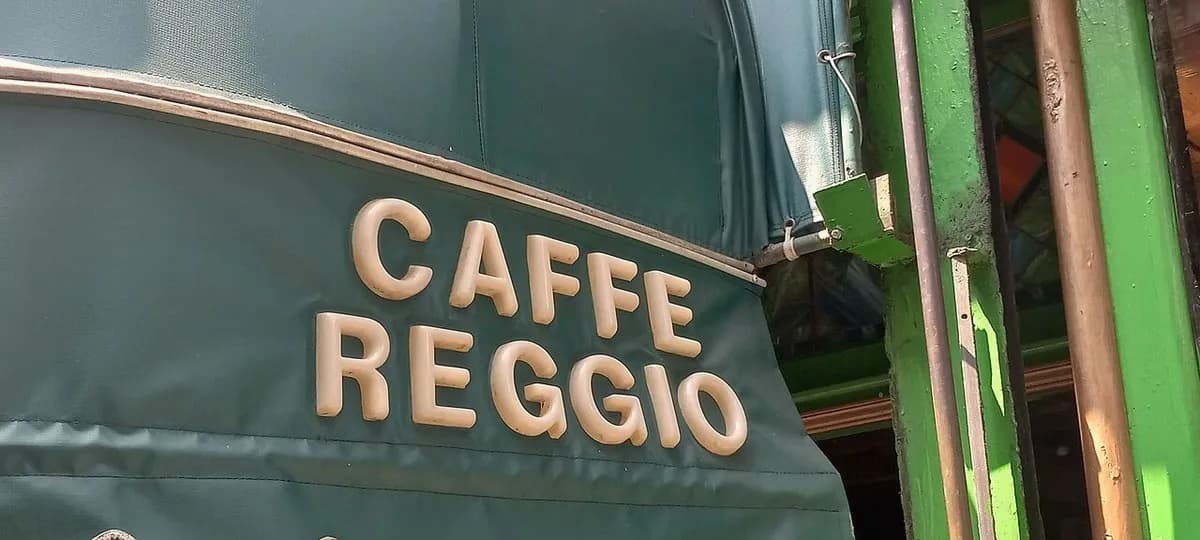
Between dinner and showtime, take espresso where the folk singers took theirs. Caffe Reggio opened in 1927 and claims the first cappuccino served in America; the original 1902 espresso machine still stands in the room like a bronze sculpture, and the dark paintings and marble tables have barely moved in a century. It opens at 9 am and runs deep into the night, so it flexes to fit whatever gap your reservation leaves. This is the one stop where lingering is the point. Order a cappuccino out of respect, take the small table by the window, and watch MacDougal light up.
The Room You Saved for Last
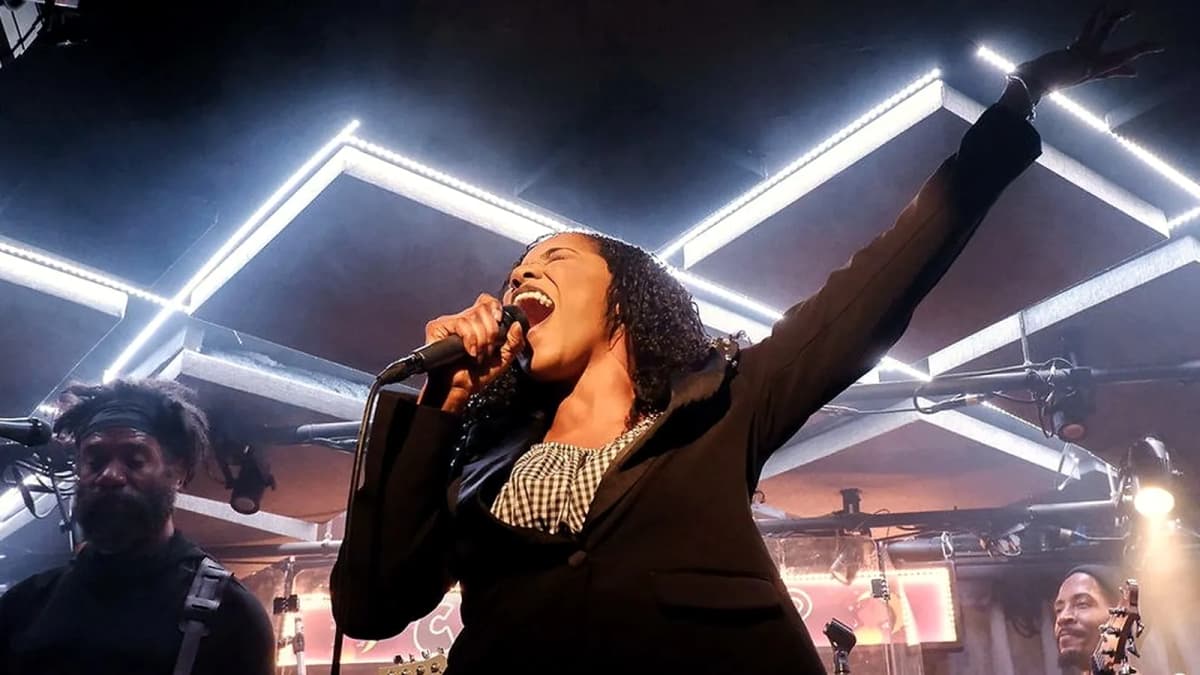
At ten to showtime, cross the street and go down the stairs at 115 MacDougal. The Cafe Wha? house band plays Wednesday through Sunday — sets run until 12:30 am on weekdays and 1:40 am on Fridays and Saturdays — and they are a genuinely tight cover-and-classics machine, the kind of band that turns a room of strangers into a crowd by the second song. There's a two-item minimum per person, the music charge varies by night, and reservations through the venue's calendar are strongly advised for weekends, when tables genuinely sell out. Fridays and Saturdays are strictly 21+; Sunday through Thursday, 16-and-up can come with an adult, with a fixed-price menu for under-21s.
Is it the 1961 room, unchanged? No — it's louder, more polished, more tourist-facing. But you are watching working musicians play the same basement where Manny Roth gave a kid from Minnesota a hootenanny slot, and where a milkshake reportedly ended up all over Chas Chandler the night he decided to take Jimmy James to London. Rooms like this usually become banks. This one still takes a two-drink minimum. That's the exhibit.
Timing Truths and Who This Is For
Go Wednesday or Thursday if you can. You get the full route, thinner sidewalks, an easier Minetta table, and a house-band show without the weekend crush — and under-21s can join. Friday and Saturday deliver the biggest crowd energy at Cafe Wha? but demand reservations everywhere and exclude anyone under 21. Monday and Tuesday, the anchor venue is dark; the walk still works as a daytime history stroll ending at Reggio, but it loses its finale.
This half day suits music-history pilgrims, first-time visitors who want one neighborhood done properly instead of five done badly, date-night pairs who like a built-in dinner plan, and vinyl collectors who consider two record stores in one afternoon a feature. It is flat, compact, subway-adjacent (West 4th Street station), and almost entirely free until dinner.
Save this route for the next time someone tells you the old Village is gone. Most of it is — that's true of every great collection. But the basement still opens five nights a week, and the best room is the one you walk down into last.
Places in this guide


4 places