San Francisco: Castro History Museum, Then the Bar That Opened Its Windows
The movement's paperwork lives in one set of galleries. Four minutes away stands the 1972 corner where it stepped into public view, and it still pours drinks.
GLBT Historical Society Museum to Twin Peaks Tavern
🏛️ Start where the paper trail is
The GLBT Historical Society Museum fills a few rooms on 18th Street, the first stand-alone museum of LGBTQ history in the United States. Hours are 11:00 a.m. to 1:00 p.m. and 1:30 to 5:00 p.m., Tuesday through Sunday, with a half-hour break at 1:00 p.m.; closed Monday. Admission is ten dollars, six for students, teachers, youth 13 to 17, visitors 65 and over, military with ID and people with disabilities; children 12 and under enter free, and the first Wednesday of every month is free for everyone, no booking, first come until the galleries fill. Masks are required Sundays and that first Wednesday, recommended other days; staffing is volunteer-run, and the day's arrangements are worth checking.


🪟 The corner that opened up
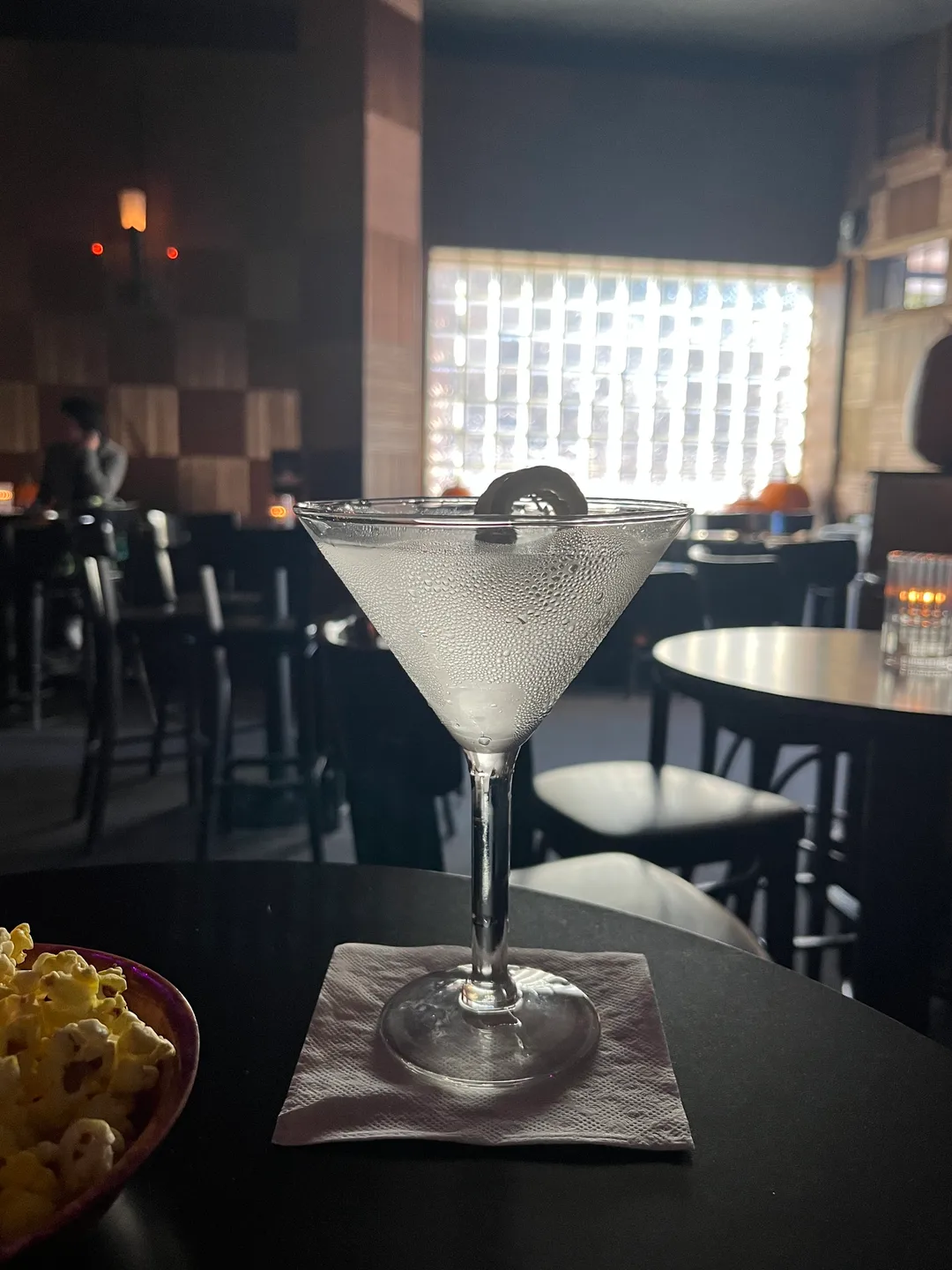
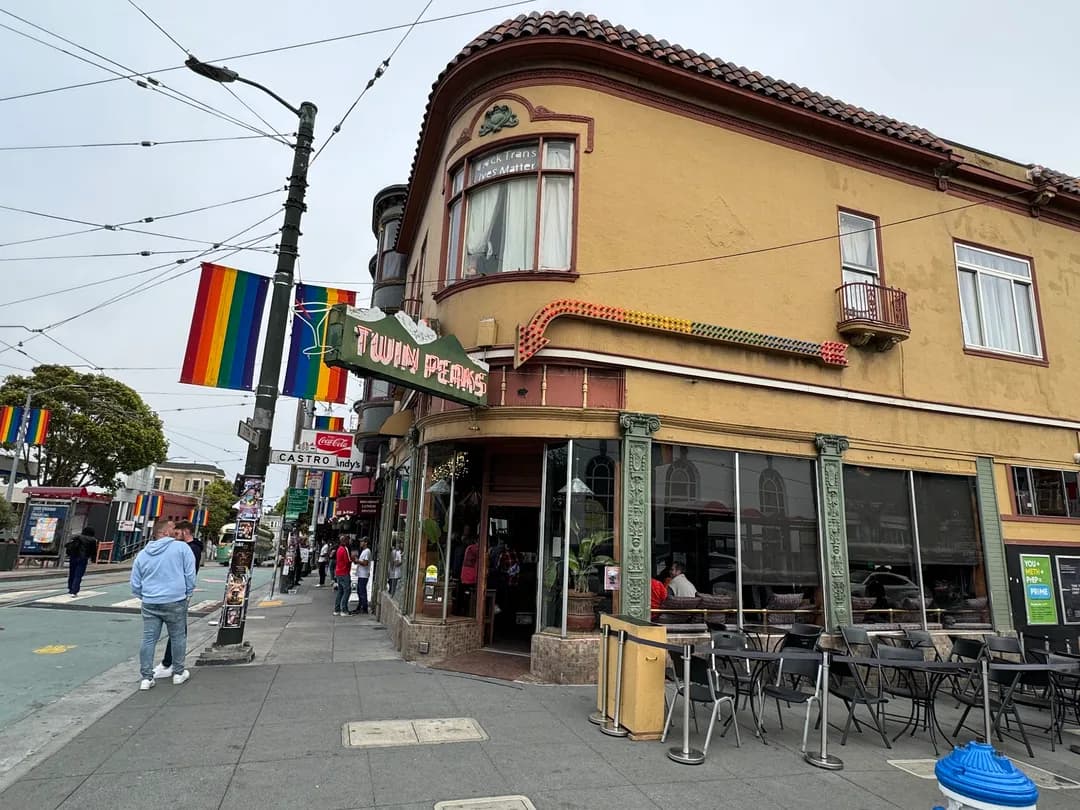
Twin Peaks Tavern holds the corner of 17th and Castro, four minutes on foot from the museum. City directories list it as a neighborhood bar from 1935, its street glass papered inside and painted outside. In 1972 two women operators reopened it for an LGBTQ clientele and replaced that covering with full-length plate glass. The tavern is widely regarded as one of the first gay bars in the country where the sidewalk could see who was drinking. Landmark 264, granted in 2013, protects the glass itself. Doors open at noon Monday to Wednesday and at 11:00 a.m. Thursday to Sunday, closing at 2:00 a.m.; check that day's posting before you go. It is 21 and over.

🚶 From the archive to the window
Two blocks separate the archive from the bar, and the walk between them is the argument: first the record, then the room that stopped hiding. Do the museum while the galleries are open, then take the four-minute walk to 401 Castro and claim a window seat; ninety minutes covers both stops. The last exhibit is the street itself, seen through the glass the paperwork keeps describing.