Wellness / Collection
If You Just Moved Here, Go to the Free Concert
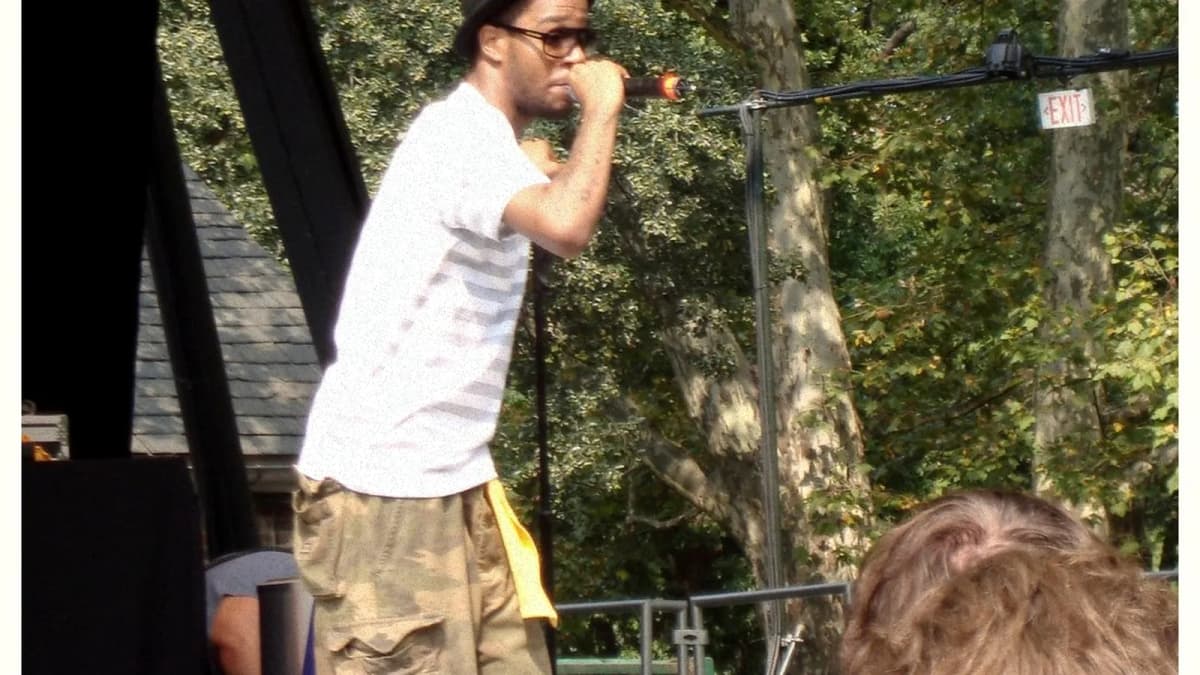
A lawn in Queens might matter more to your social life right now than any app on your phone. New York's free park concerts — SummerStage runs more than 60 free shows across 13 parks this 40th-anniversary season — are the lowest-stakes belonging practice I know: no ticket, no plus-one, no small talk required, and a full evening out for $15.50.
 Cara Bennett
What if you go and you know absolutely no one? What if everyone else arrives in groups of six with matching picnic spreads? What if you stand at the edge of the lawn holding a deli sandwich and feel like the loneliest person in the five boroughs? What if someone talks to you — or worse, what if nobody does? What if going to things alone just confirms that you're alone?
I asked myself every one of those questions the summer I landed in a new city with two suitcases, no job title, and a contact list where the nearest friend was a six-hour bus ride away. I had quit a perfectly explainable HR career to figure out who I was when nobody was watching, and the first thing I learned was brutal: nobody was watching. My phone went quiet in a way it had never been quiet before. I could go three days without saying a full sentence out loud.
The thing that broke the silence wasn't a networking event or an app. It was a free concert in a public park. I went because it cost nothing and I was tired of my ceiling. I stood at the back, clapped when everyone clapped, left before the encore, and rode home feeling something I hadn't felt in weeks — not friendship, not yet, but membership. I had been in a crowd that would have been slightly different without me in it. That turned out to be the first rung of a ladder.
So this one is for everyone whose move-in boxes are barely flattened, whose group chats are all in another time zone, and who keeps reading "just put yourself out there" like it's an address you can type into a map. This summer, in Queens and across the city, the free park concert is the address. Here's why it works, how the season is laid out, and exactly what the evening costs.
You don't have to perform friendship to earn belonging. You just need one place that expects nothing from you — and you need to keep showing up to it.
Why a Lawn Full of Strangers Works
Let's name the real problem first, because it isn't shyness. Making friends as an adult in a new city fails for a structural reason: almost every "social" option asks you to perform before it lets you belong. A bar wants banter. A meetup wants an introduction. A dinner party wants an invitation you don't have yet. When you're new, you have no script and no witnesses, and every one of those rooms makes you audition.
A free concert in a park is the one format that skips the audition entirely. Attendance is participation. You do not have to talk to anyone to have legitimately taken part: you looked up a show, you got on the train, you found the lawn, you sat on your own blanket, you clapped at the same moment as four hundred strangers. Every one of those is a real social act. Sociologists have a name for places like this — third places, the free-and-easy settings beyond home and work where communities actually knit themselves together — and researchers who study them keep landing on the same finding: public parks are about the closest thing we have to the ideal version, because they're free, open to everyone, and nobody checks whether you came with people.
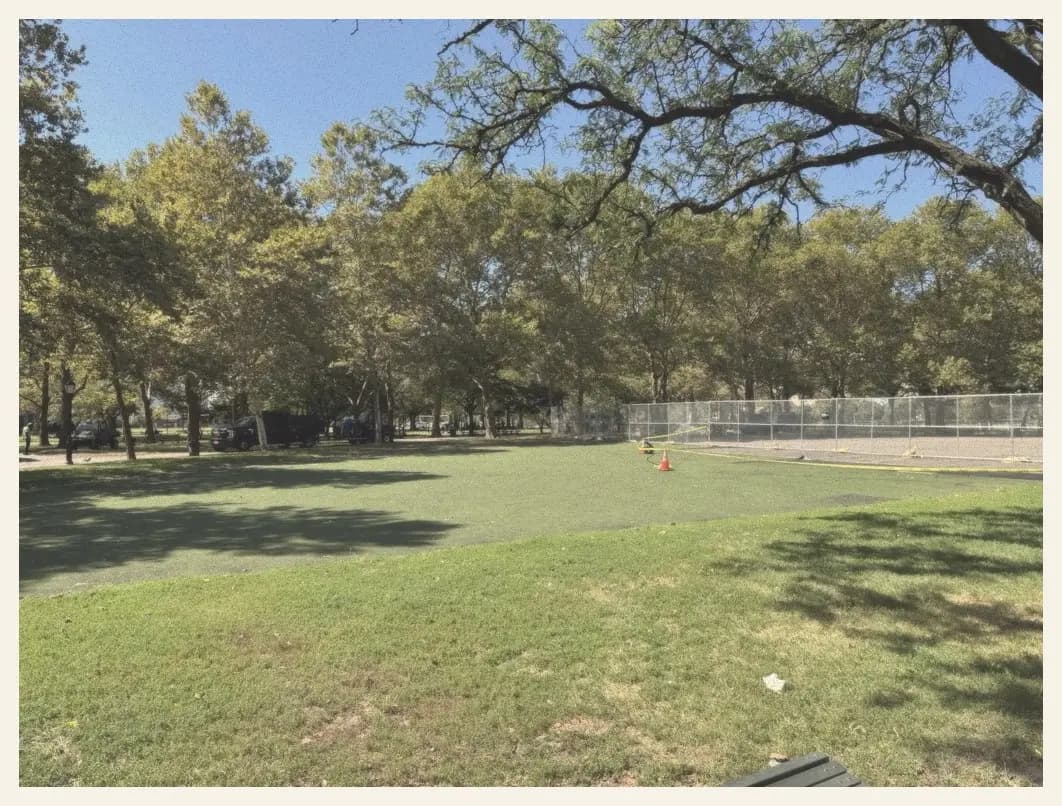
The psychology backs up what the lawn already knows. In a study published in Personality and Social Psychology Bulletin, researchers Gillian Sandstrom and Elizabeth Dunn tracked people's everyday interactions and found that the minimal ones — the nod, the two-line exchange, the familiar stranger — measurably boosted feelings of belonging and happiness. You don't need a best friend by Labor Day. You need a rising count of tiny, zero-stakes contacts, and a concert lawn manufactures them at scale: someone asks if the spot next to you is taken, someone's kid dances into your blanket, someone turns around at the horn solo to make the did-you-hear-that face.
And here's the part I wish someone had told me in my first lonely July: doing this alone is not the consolation-prize version. It's the advanced setting. Alone, you're approachable. Alone, you actually hear the set. Alone, you can leave whenever your social battery dies, which brings me to the most underrated feature of the whole format.
Why "Just Put Yourself Out There" Keeps Failing
Think about what the standard advice actually costs. A ticketed show: $45 before fees, and if it's overwhelming you either eat the loss or white-knuckle it. A bar: $17 a cocktail, plus the unspoken rule that a person alone at a bar is waiting for someone. A paid networking mixer: $25 to wear a name tag and answer "so what do you do?" — the exact question a person mid-reinvention dreads most. Every option bundles connection with money, performance, or both. When you're anxious and new, that bundle is heavy enough that staying home wins every night.
The free park concert unbundles all of it. Nobody paid, so nobody's monitoring whether you're getting your money's worth of fun. Nobody knows if you were supposed to meet someone. And the exits are gloriously ungated — which matters more than it sounds.
The Exit Ramp Is the Feature
Anxiety does math constantly: if this goes badly, how do I get out? At a dinner party, leaving early is an incident. On a lawn, it's invisible. You can stay for three songs and go, and the evening still counts — you still showed up, you still stood in the sound, you still logged the reps. Knowing the exit is free is precisely what makes staying possible. Most nights I planned to leave after twenty minutes; most nights, once the panic saw the open gate, it stopped pulling, and I stayed two hours.
The measure of a good first outing is not "did I make a friend." It's "would I go back." Everything else is compound interest.
The Lawns Doing the Work This Summer
Now the practical part, because a practice needs a schedule. SummerStage — run by the nonprofit City Parks Foundation — is celebrating 40 years in 2026, four decades after its first show at Central Park's Naumburg Bandshell in June 1986. This anniversary season spreads more than 60 free and benefit performances across 13 parks in all five boroughs, from the flagship stage at Rumsey Playfield in Central Park to neighborhood lawns where the crowd is mostly people who walked over. The free shows ask for no ticket and no RSVP: entry is first come, first served, full stop. That single rule is why this whole essay is possible.
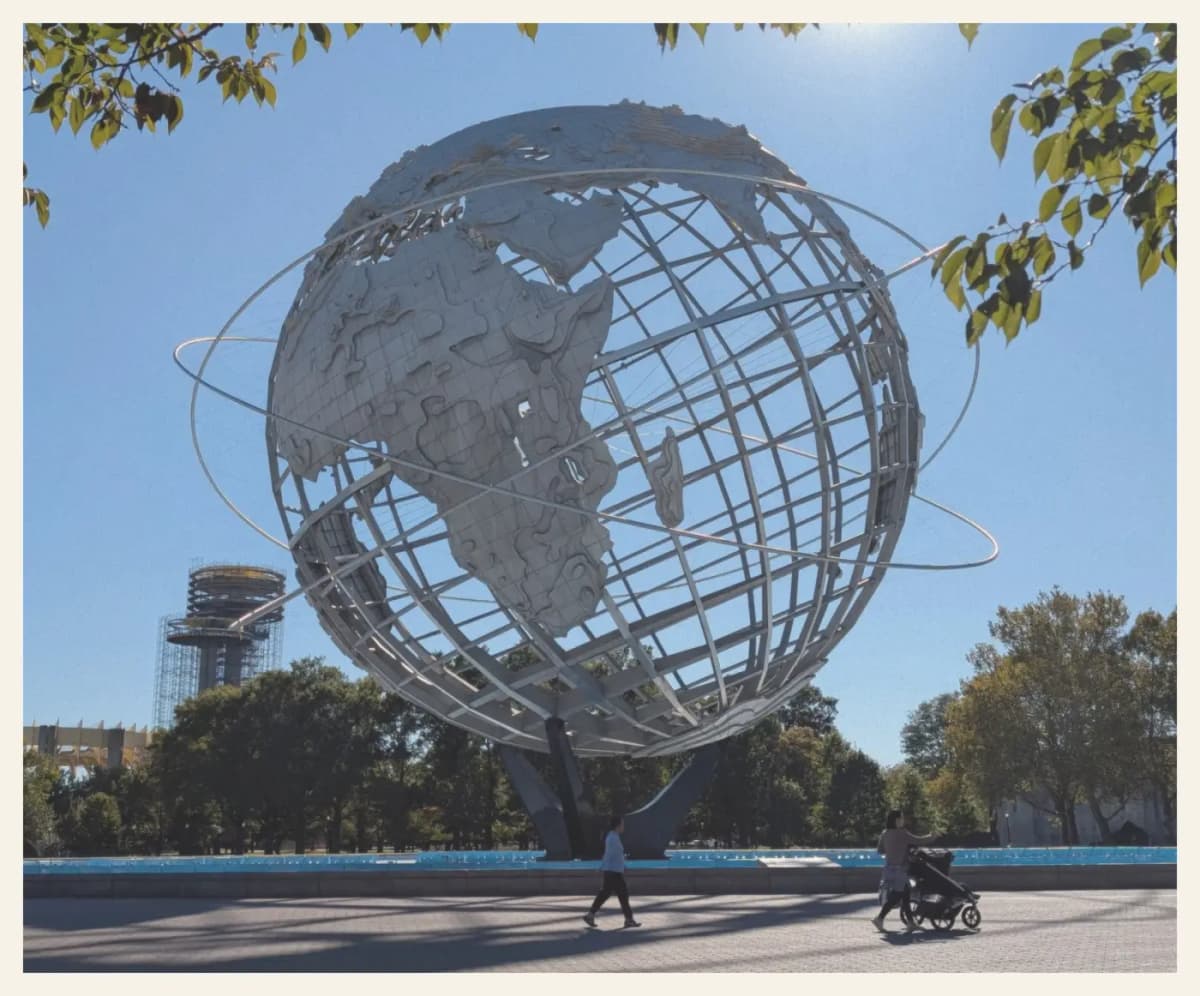
If you're Queens-based — or Queens-curious — the borough is having a real season. Flushing Meadows Corona Park has already hosted this summer's marquee Queens dates under the Unisphere's enormous steel gaze, and the park itself is worth the trip on any non-concert evening while you wait for the next date to drop.
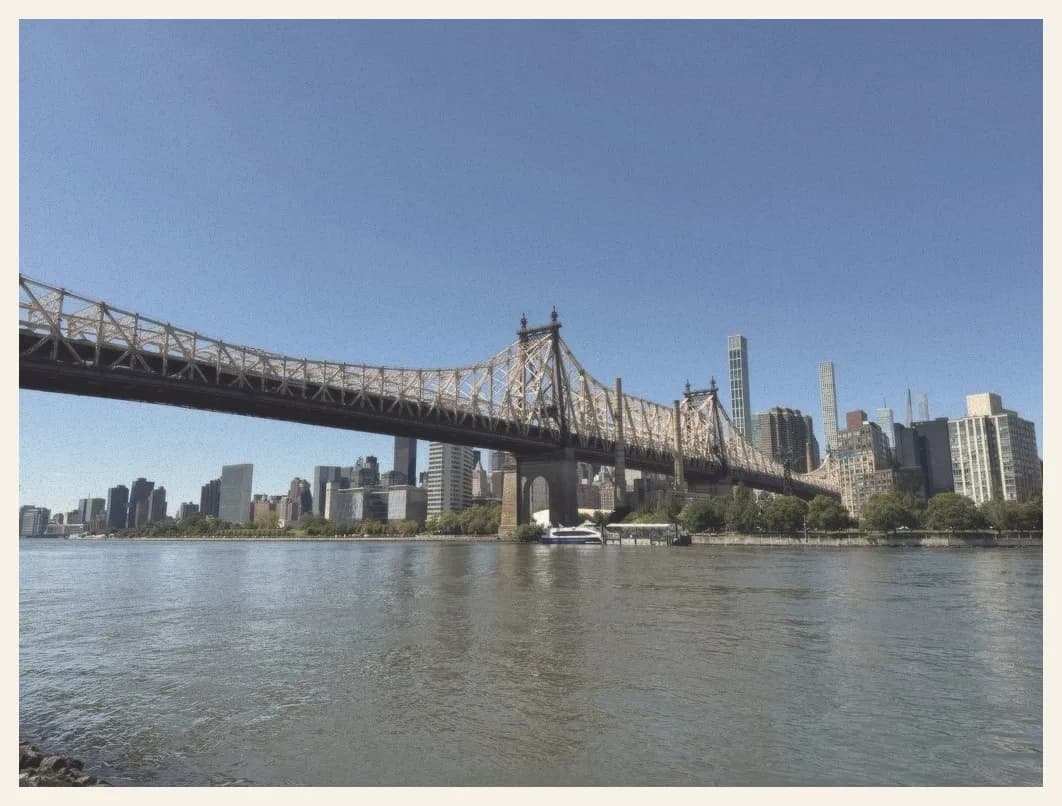
Queensbridge Park in Long Island City — Vernon Boulevard at 41st Avenue, a broad riverside lawn staring straight at the bridge — is one of the festival's longtime neighborhood venues, the kind of place where jazz nights have pulled the surrounding blocks onto the grass for years. And on August 15 this year, SummerStage lands in Baisley Pond Park in Southeast Queens for the first time ever, with Southside, We Outside! — a show built like a block party crossed with a night market, produced with local partners. A first-time venue is a gift to a first-time attendee: the crowd will be full of people who are also new to this, which flattens the intimidation curve to nearly zero.
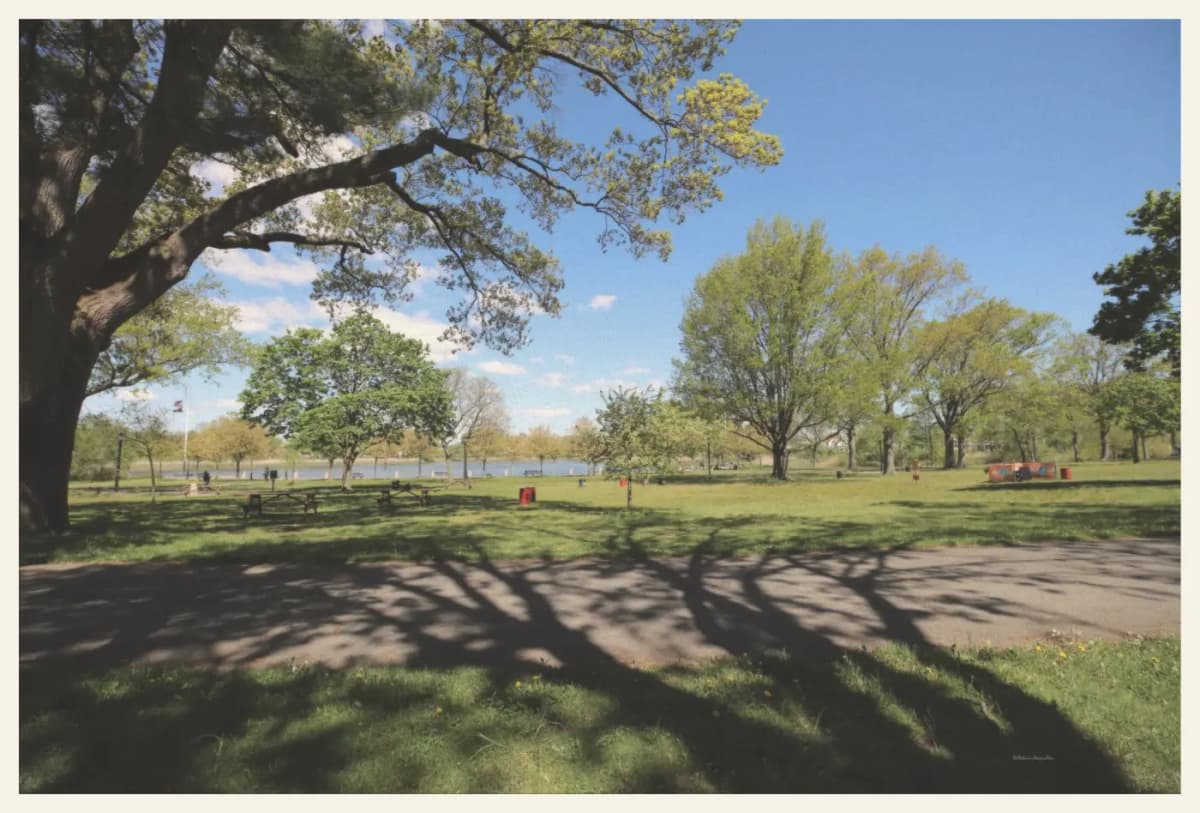
One honest caveat, because I refuse to send you somewhere on stale information: lineups shift and dates get added through the summer. Don't screenshot a listicle — go to the source. The calendar at cityparksfoundation.org/summerstage filters by borough and lets you subscribe in Google Calendar, iCal, or Outlook, which means the remaining Queens dates can literally appear in your phone the moment they're announced. Checking it takes ninety seconds. That's your ground truth; treat everything else, including me, as a trailhead.
The Whole Budget, Itemized
You know I don't do "basically free." Here is the actual receipt for a solo concert evening in Queens, at 2026 prices:
Notes on the receipt. The subway base fare went to $3.00 in January, and the 7-day fare cap means you'll never pay more than $35 of swipes in a week no matter how many lawns you visit — the system is quietly subsidizing your social recovery. At neighborhood parks outside Central Park, folding chairs and blankets are welcome, so your $12 street-corner folding chair amortizes to pennies per show. At the Central Park venue, skip the chair (not permitted inside), bring a blanket or towel, and know there's a suggested $5 donation at the gates — suggested, not required, and no one looks at you either way. Arrive 30 to 45 minutes early for popular names; early arrival also happens to be the socially easiest window, when the lawn is loose and half-empty and settling in next to someone doesn't require negotiation.
Fifteen dollars and fifty cents. Cheaper than one cocktail at the bar where you'd have felt watched. Budgets are brave, but this one barely has to be.
How Familiar Faces Become Friends
Here's the mechanism nobody explains when they tell you to "get out there." Friendship in a new city almost never starts with a great conversation. It starts with recurrence. The brain files people it has seen before as safer than people it hasn't — psychologists call the basic effect mere exposure — and a concert series is a recurrence machine: same park, same lawn, new show, week after week.
So the ladder looks like this, and you climb it at whatever speed you want. Week one: you attend, you speak to no one, you go home. Full marks. Week two: you recognize the folding-chair couple who sat near the sound booth last time, and they recognize you; nobody says anything, but the nod happens. Week three: a two-line exchange — do you know who opens? — which is not small talk, because it has a purpose and a natural end. Week four or five: names, maybe; or someone waves you toward blanket space when the lawn fills; or the woman who always brings her dog tells you which taco truck is worth it. None of these steps requires charm. All of them require only that you came back.
That's why my rule is a season, not a show. One concert is an outing; five concerts at the same park is a neighborhood. By late August, you will walk onto that lawn and feel the thing you moved here hoping to feel — that low hum of I know this place and it slightly knows me — and you'll notice you stopped rehearsing exit strategies somewhere around week three.
Your First Step (It's Embarrassingly Small)
Not "make friends." Not "be brave." Tonight, before you close this tab: open the SummerStage calendar, filter it to your borough, and put one free show — just one — into your phone with an alert. If you're in Queens, the August 15 Baisley Pond Park debut is a beautiful candidate: everyone there will be having a first time of some kind. Pack the sandwich. Take the train. Stand at the back if the back is where you can breathe.
Attending alone counts as participating. Leaving early counts as attending. Coming back next week counts as building something. The talking can come later — it usually does, once the lawn has seen your face enough times to save you a place in its memory.
Confidence is a souvenir. This one costs $15.50, and the box office never closes on people who showed up by themselves.
Places in this guide


3 places