Wellness / Collection
Don't Count the Booths: How to Choose a Wellness Expo at Metropolitan Pavilion
Chelsea's 45,000-square-foot expo box hosts some of the best beauty and wellness shows in New York — and some of the most exhausting. Here is the four-filter system I use to decide which ones deserve a ticket, a full charge on my phone, and a place in my budget.
 Kiera Lane
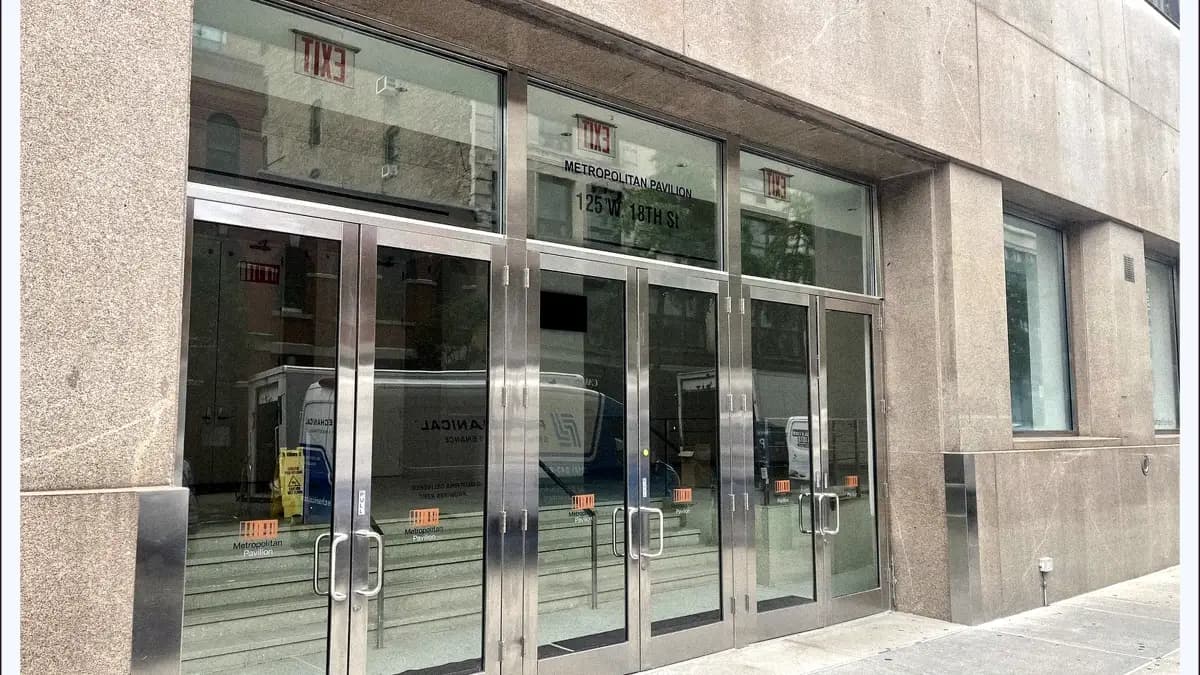
Picture the doors first. A wall of glass on West 18th Street, steel frames catching the morning light, the words METROPOLITAN PAVILION etched quietly above the handles. At 8:55 a.m. on a show day, the sidewalk in front of those doors is a study in anticipation: tote bags, lanyards, people rehearsing their opening line for a brand founder they hope to meet. By 9:05, the same doors are swallowing a queue that stretches toward Sixth Avenue.
I have stood in that queue more times than my calendar would like to admit — for makeup shows, skincare launches, wellness showcases — and I can tell you the single most expensive mistake you can make happens before you ever get inside. It happens the moment you read a promo page that says "over 80 brands" or "hundreds of exhibitors" and decide, on that number alone, that the ticket is worth it.
Booth count is a marketing metric. Your day has different accounting: what you booked, what you absorbed, and what you carry out the door at 5 p.m.
This is a guide to expo-style wellness in one specific building — the one at 125 West 18th Street — and a selection system that works for every show that moves through it. Chelsea's pavilion is a blank canvas that reinvents itself weekly, which means the venue will never tell you whether a given weekend is worth your money. You have to read the show itself. Here is how.
First, Know the Room
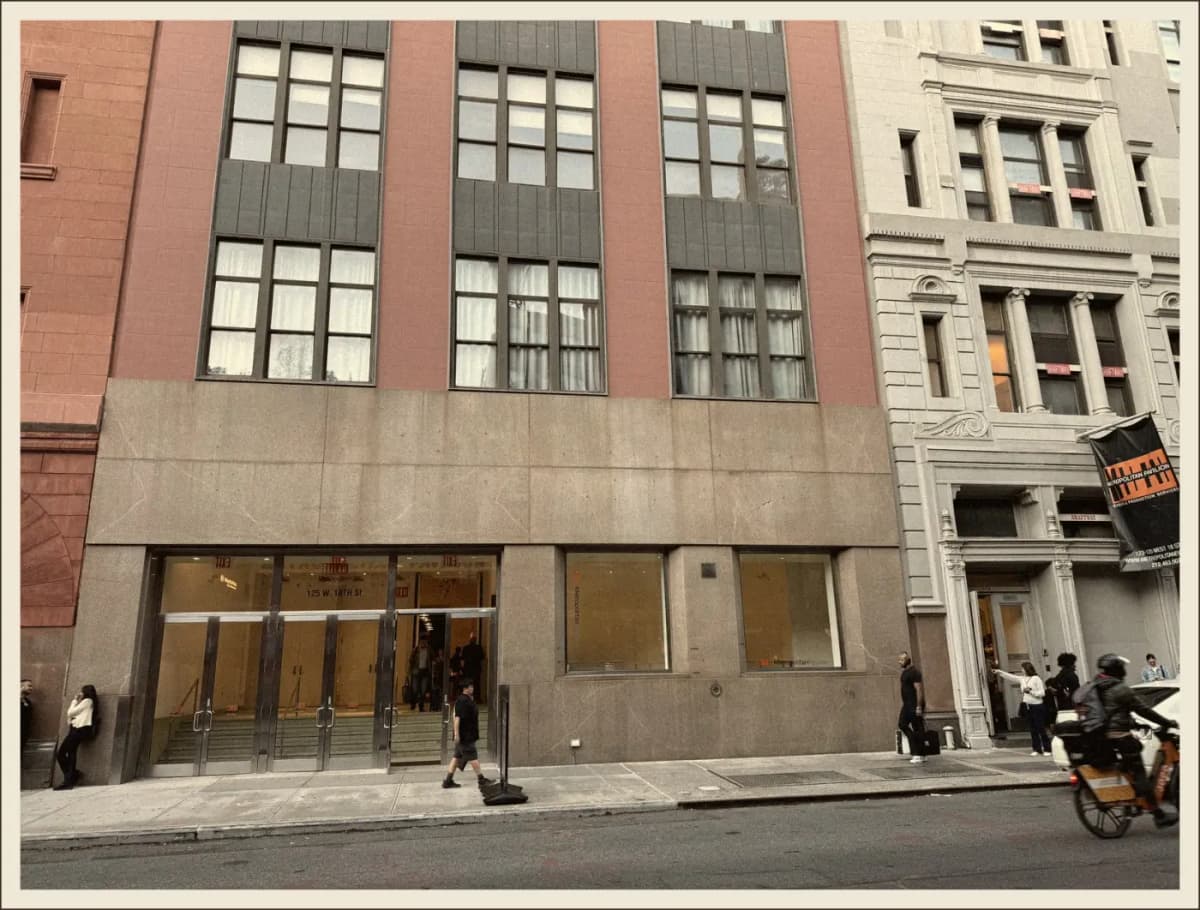
Metropolitan Pavilion has been Manhattan's default mid-size expo hall since 1992, and the numbers explain why: roughly 45,000 square feet arranged as four loft-style event spaces that can run separately or combine into one vast floor. The Full Pavilion holds well over a thousand people; smaller rooms like The Gallery and The Level host groups of 50 to 400. Fashion shows, art fairs, comic conventions, and — increasingly — beauty and wellness events all rotate through the same freight doors.
For you, the practical translation is this: the building is a container, not a curator. The same white columns that framed an art fair on Saturday can frame a skincare summit on Thursday. So the questions that matter are never "is the venue good?" (it is; the light is even, the floors are kind to your feet, and the subway is around the corner) but "is this particular show built for someone like me?"
The Four Filters
Run every wellness or beauty expo through these four questions before you buy. If a show fails two of them, skip it and spend the money on a facial instead.
Filter One: Can You Book an Experience, or Only Walk an Aisle?
The difference between a great expo day and a tiring one is almost always the difference between scheduled and unscheduled time. A show that offers bookable classes, demos with fixed start times, or reservable one-on-one consultations is selling you an experience. A show that offers only open floor is selling you foot traffic.
The Makeup Show NYC, the pavilion's flagship beauty weekend each May, is the model to study. Beyond the 80-plus brands on the floor, the 2026 edition ran five stages of programming and hands-on classes priced from $35 to $219 on top of general admission ($54 for an advance one-day ticket, $66 for two days). That price architecture tells you something important: the organizers believe the education is worth more than the aisle. In my experience, they are right.
Helpful Tip: Book classes and demos before you buy your entry ticket, not after. If everything you actually want is sold out, that is your answer about whether to go at all.
Filter Two: Judge the Samples by Protocol, Not by Weight
Somewhere in your life there is a drawer of sachets and miniatures from past expos, and I would bet a very good dinner that most of them are unopened. A heavy gift bag is not a benefit; it is deferred clutter.
What you want instead is a protocol — a sample attached to a person who watched your skin, asked a question, and told you exactly how to use the thing over the next fourteen days. One targeted sample with instructions beats twelve anonymous sachets. When you research a show, look for language about consultations, skin analysis, patch testing, or practitioner-led sessions. That vocabulary predicts sample quality far better than any promise about "goodie bags."
CEW's Beauty Expo, which takes over the pavilion on September 17, 2026 (3:30 to 8 p.m.), is an interesting case: it is built around finalists in more than 30 award categories, so the sampling there is essentially a curated shortlist of the year's most-vetted products — the opposite of a random grab bag. Members who plan ahead can lock early ticket rates ($175 general, $275 VIP) through July 29, after which they rise to $200 and $300. It is absolutely a splurge, but if your goal is to compress a year of product research into one evening, it is the rare expo ticket that behaves like a time machine.
Filter Three: Budget Your Senses Like You Budget Your Money
Nobody puts "auditory fatigue" on a promo page, but it is the tax every expo charges. Concrete floors, a thousand simultaneous conversations, demo music from three stages — after two hours, your ability to evaluate anything (a serum, a price, a person) drops sharply. I treat my attention as a line item, and I recommend you do the same.
The math is simple. Plan for 90-minute blocks on the floor, separated by real breaks off-site — and this is where the pavilion's Chelsea address becomes a genuine amenity. You are two minutes from quiet coffee on Seventh Avenue, ten minutes from the High Line if the weather cooperates. Leave the building. The re-entry stamp exists for a reason.
A wellness event that leaves you overstimulated, dehydrated, and $300 lighter has failed at its one job. Pace is not a personality trait; it is a plan.
Helpful Tip: The floor is brightest and calmest in the first hour after opening. If you care about photographing textures and packaging — I always do — shoot before 11 a.m., when the aisles are still legible and the overhead light hasn't been swallowed by the crowd.
Filter Four: Score the Exit, Not the Entrance
Before I buy any expo ticket, I write down what a successful 5 p.m. would look like. Not in vague terms — in inventory. My standard exit target is: one technique I can repeat at home, three contacts I will actually message, and no product I wouldn't have bought at full attention. If I can't imagine that outcome from the show's published program, I don't go.
This filter is also the honest test for the industry-only events you will see on the pavilion's calendar. BITE NYC, on September 24, 2026, gathers fast-growing beauty and wellness brands for a single curated day — but it is built exclusively for industry professionals: buyers, retailers, founders, investors. If that is you, the exit math is spectacular. If it isn't, don't try to talk your way in; the show's value literally depends on you being able to place an order. Choose the shows designed for your side of the table.
The Calendar, Sorted by Who You Are
• You are a beauty enthusiast, student, or working artist: The Makeup Show NYC, every May. Open admission (enthusiasts and students explicitly welcome, with student tickets from $45 in 2026), the strongest education program in the building, real discounts on the floor.
• You are obsessed with product and want a curated shortlist: CEW Beauty Expo, September 17, 2026. One evening, 30-plus categories of award finalists, insider crowd of about a thousand.
• You work in the industry — retail, investment, brand-side: BITE NYC, September 24, 2026. Trade only, showroom format, conference sessions attached.
• You are none of the above this season: Watch the venue's own calendar; the pavilion turns over weekly, and consumer-facing wellness weekends appear throughout the year.
What a Smart Expo Day Costs
A budget is part of the aesthetic. Here is a realistic solo day built around a May-style consumer show, using 2026 prices:
The number that matters most is the product cap — set it before you smell anything. And notice what isn't on the list: no rideshare (you truly don't need one) and no impulse category. The class is the splurge here, and it is the one expense I have never regretted, because it is the only line that appreciates after you leave.
Getting There Without Spending Your Calm
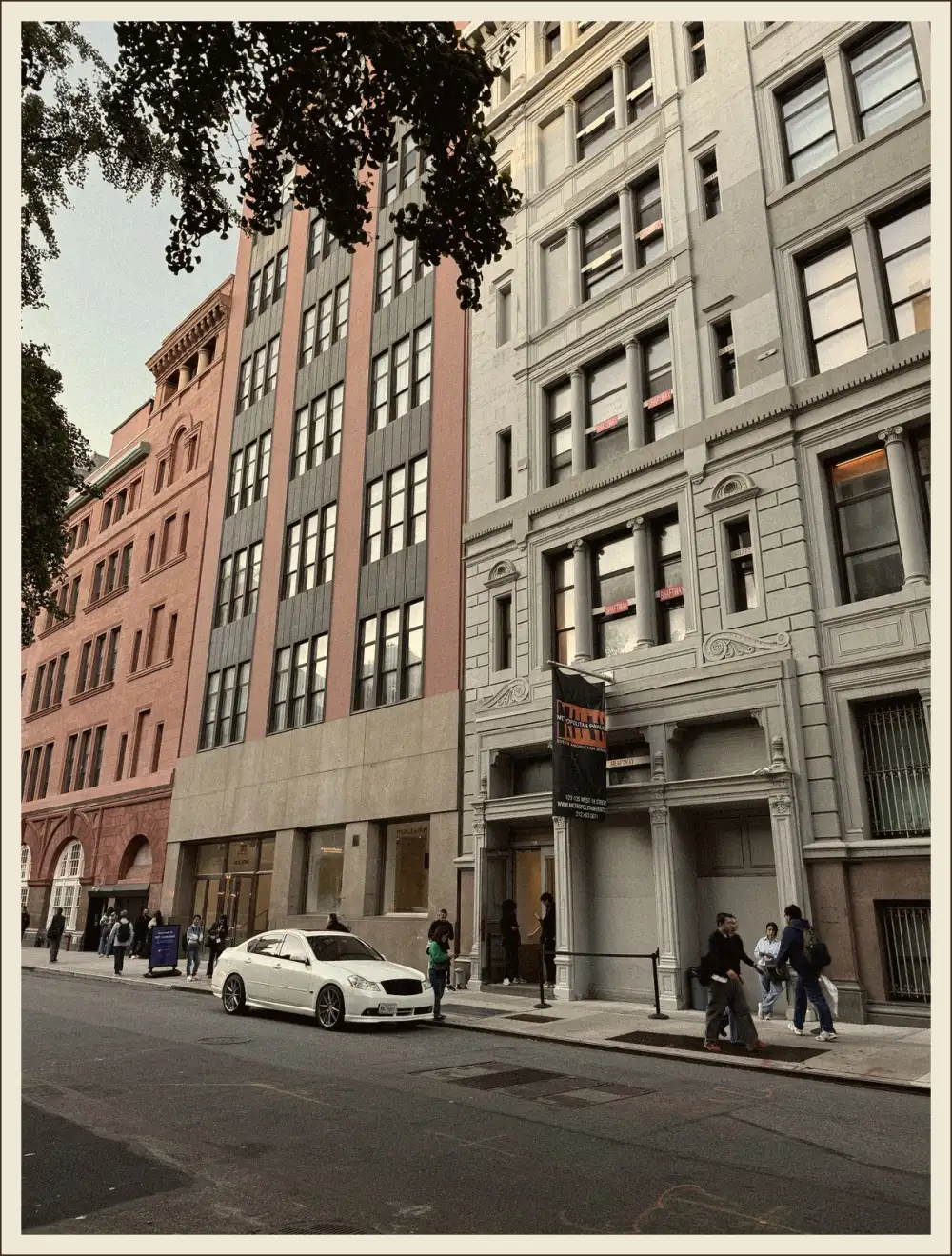
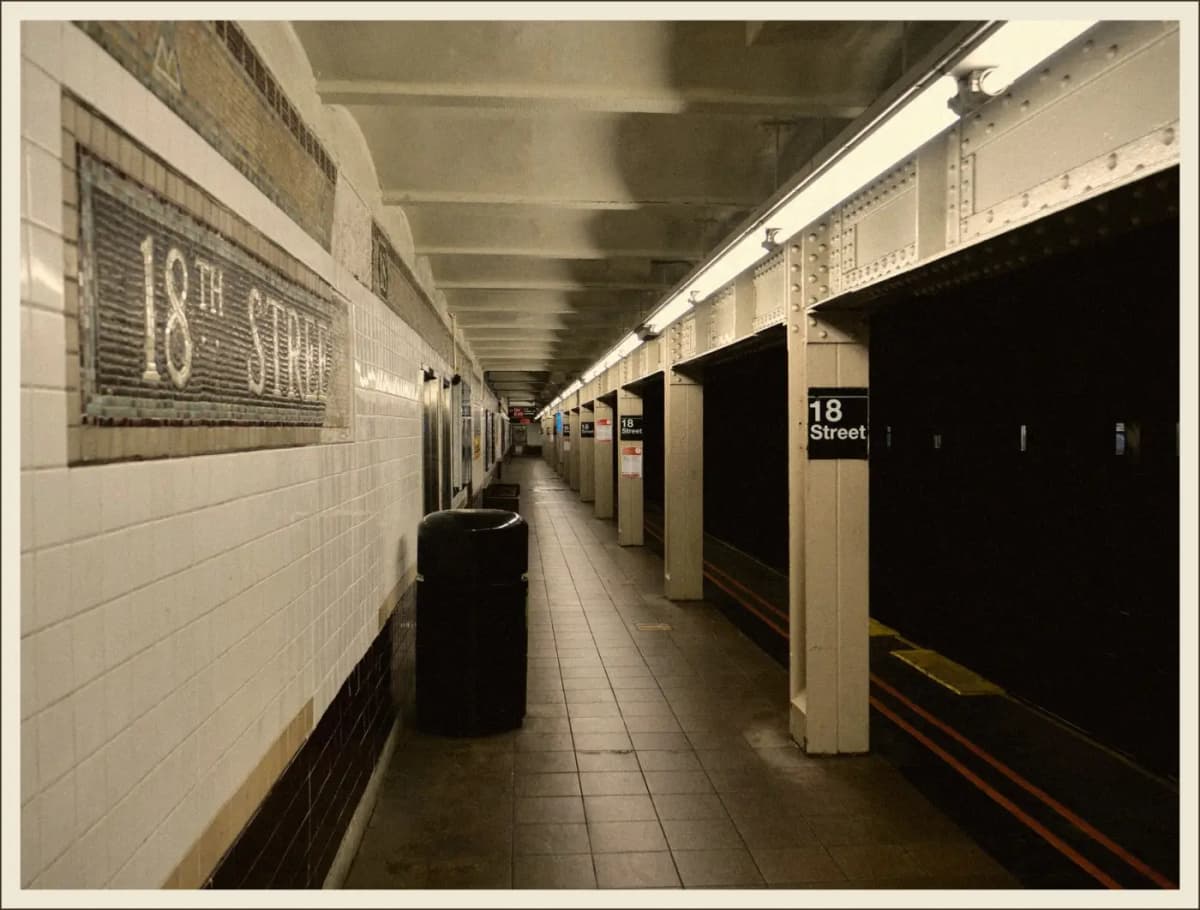
The pavilion sits mid-block at 125 West 18th Street, between Sixth and Seventh Avenues. The 1 train's 18th Street station is around the corner at Seventh Avenue — you can be on the sidewalk outside the doors within three minutes of leaving the platform. The F and M at 14th Street–Sixth Avenue, the 2 and 3 at 14th Street–Seventh Avenue, and the A, C, and E at 14th Street–Eighth Avenue all work with a short walk north.
Arrive fifteen minutes before doors. Not because the line is unbearable — it moves — but because those fifteen minutes on West 18th Street are the best part of the morning: brick facades warming up, the block still quiet, your plan still intact.
Two Versions of the Day
Solo: This is my preferred mode, and I dare you to take yourself on this date. You move at your own pace, you book the class only you wanted, and you can leave at 2 p.m. with zero negotiation. Solo also makes Filter Three easier — nobody else's stamina dictates yours.
With a friend: Split up for the first 90 minutes and reunite for lunch with two shortlists instead of one. You cover twice the floor, and the comparison conversation over noodles on Sixth Avenue is genuinely useful: if you both flagged the same booth independently, that brand earned it.
Either way, the last move is the same. Before you swipe your card at any booth, walk one full lap away from it. If you are still thinking about the product on the far side of the pavilion, buy it. If you have forgotten it by the freight elevator, the room made the decision for you.
The booths will always outnumber your hours. That is not a problem to solve; it is the design. Your job is only to choose — the class over the aisle, the protocol over the pile, the exit over the entrance. So tell me: what would your 5 p.m. inventory look like?
Save this page for the next time a show announcement lands in your feed with a big shiny booth count — and run the filters first.
Places in this guide

2 places