
Chicago, Reused: 10 Old Buildings With New Reasons To Visit
Follow Chicago's old buildings into their next chapter: music in a former factory, art in a former library and makers in a historic landmark. Add a deli break, choose one area and check public access or performance times before going.


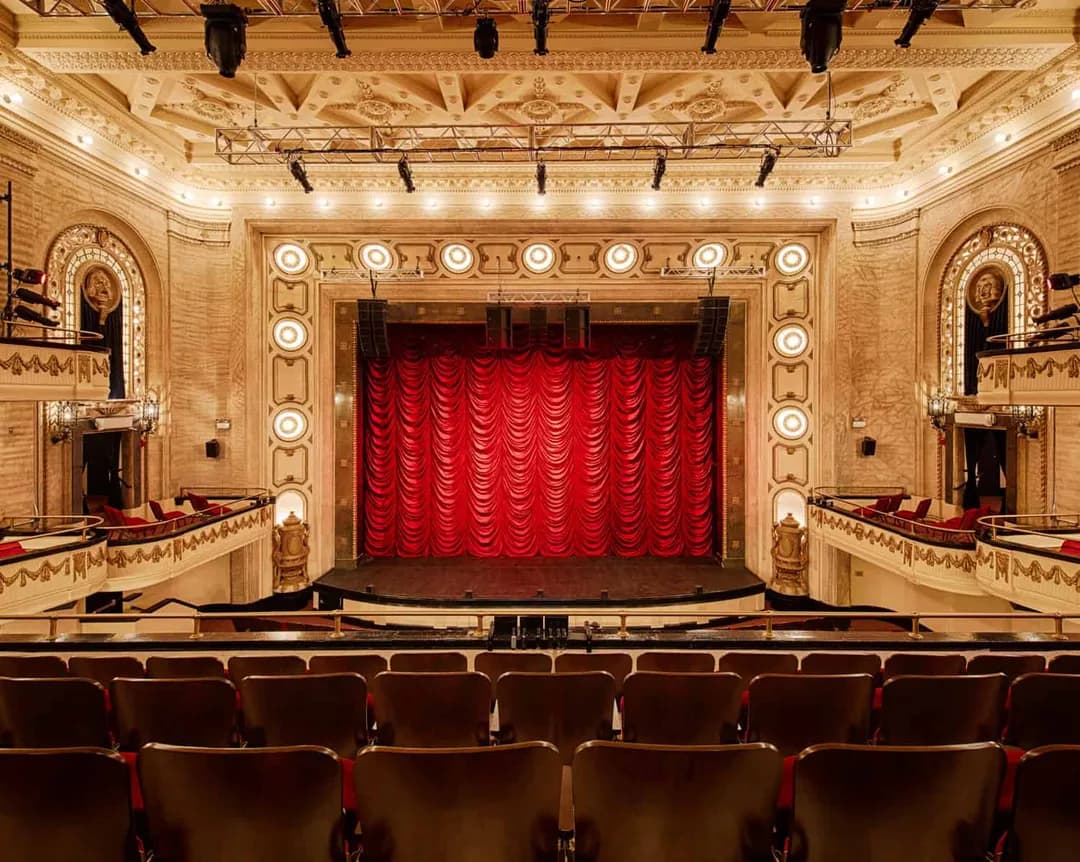
A former auto-body shop now gives Wicker Park a deli, upstairs dining and a substantial performance room. Chop Shop's current identity mixes food with live events, making the change of use part of the reason to come. I'd decide whether the evening is about dinner, a show or both, then check the arrangements for each rather than assume one booking covers the other. The selected images show the performance side of the venue. For food plans, look at the current menu and available dining service before going.
View Details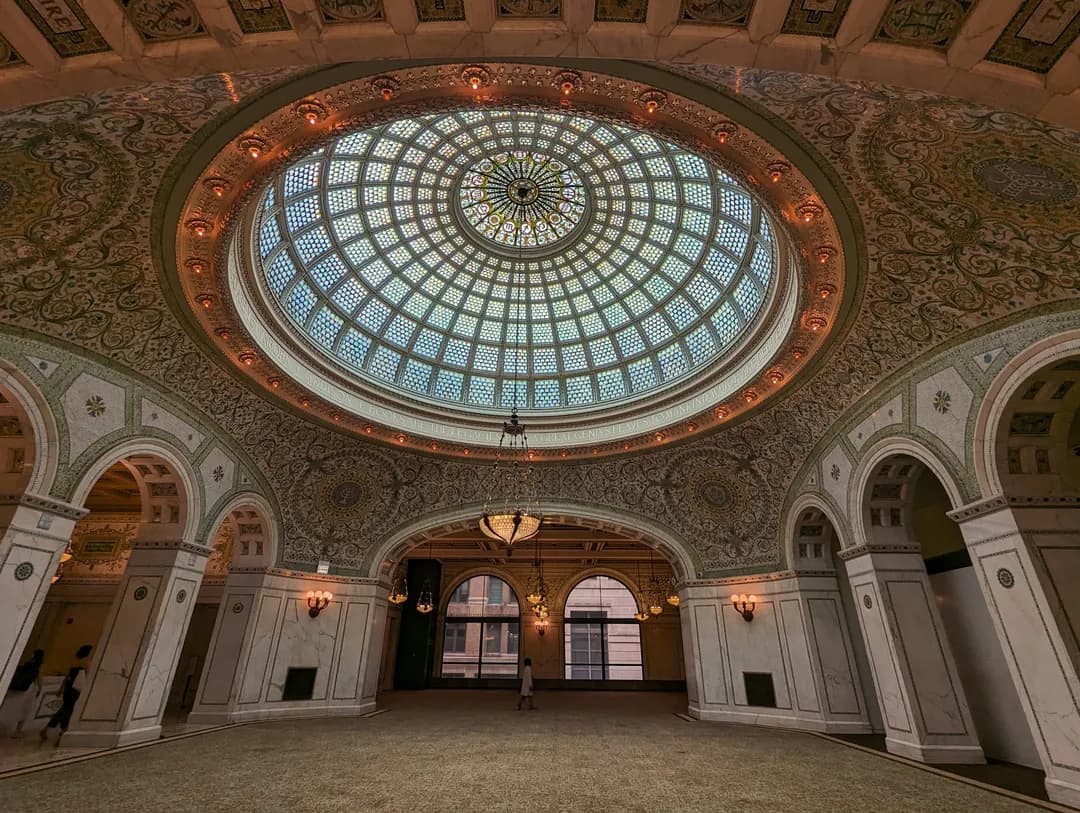
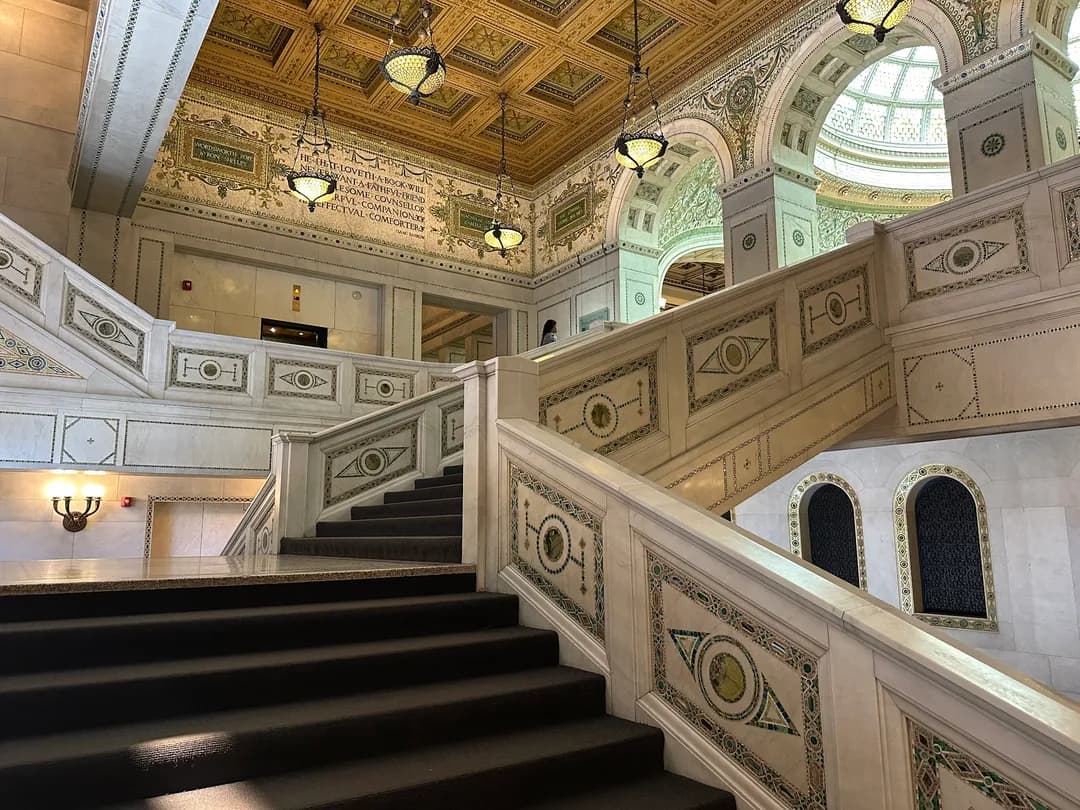
Chicago's first central public library has become a municipal home for the arts, and the building still asks you to slow down for the details. Mosaics, carved wood and marble staircases sit alongside exhibitions, performances, the Learning Lab and a shop. I'd choose a current exhibition and leave time for the architecture around it. This is a useful contrast to the ticketed concert halls elsewhere in the collection, though access to particular rooms or programs still needs checking. Don't assume every interior space is available every day.
View Details

The former Morton Salt factory now holds two distinct concert experiences: an indoor hall and an outdoor riverside stage. That split matters more to planning than the shared name. I'd check which space is hosting the event, then dress and arrange arrival for that setting. The industrial past gives the Salt Shed its frame, while the actual draw depends on the performance you've chosen. A concert ticket isn't a general building-tour pass, and an exterior look doesn't substitute for confirming the event entrance.
View Details
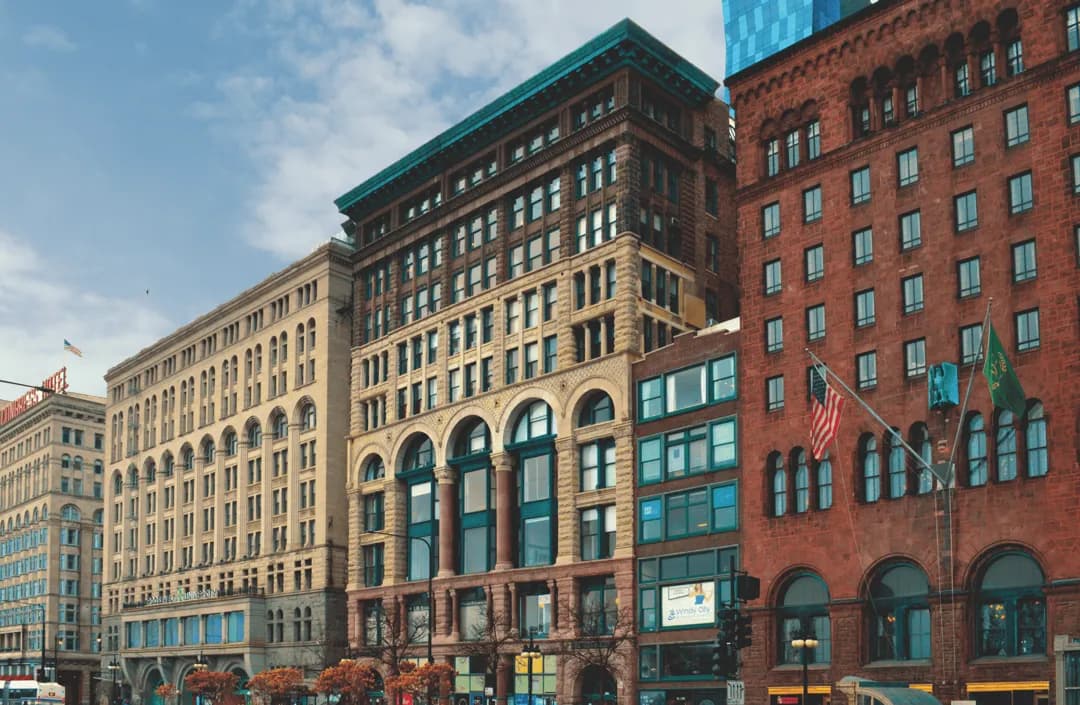
The Fine Arts Building still works for a living. Behind its Michigan Avenue frontage are studios, galleries, restoration specialists and performance spaces, with an attendant-operated elevator adding a very particular rhythm to the visit. I'd look for published open-studio or public visiting information, then treat closed doors as closed. The pleasure is noticing a building used by makers, not expecting every craftsperson to stop work for an impromptu demonstration. Give the corridors and murals attention, and check theater programs separately if you want a performance.
View Details

Park West moved from movies and vaudeville into live concerts, keeping an unusually shaped room from its 1916 beginnings. Its diamond-shaped interior and intimate scale make architecture part of the performance experience. I'd pick a show first, then look at the seating or floor arrangement rather than assume every event uses the same layout. This is a working venue with bars and event-specific admission, not an always-open architectural exhibit. Factor parking and ticket charges into the evening before deciding that a short show means a small outing.
View Details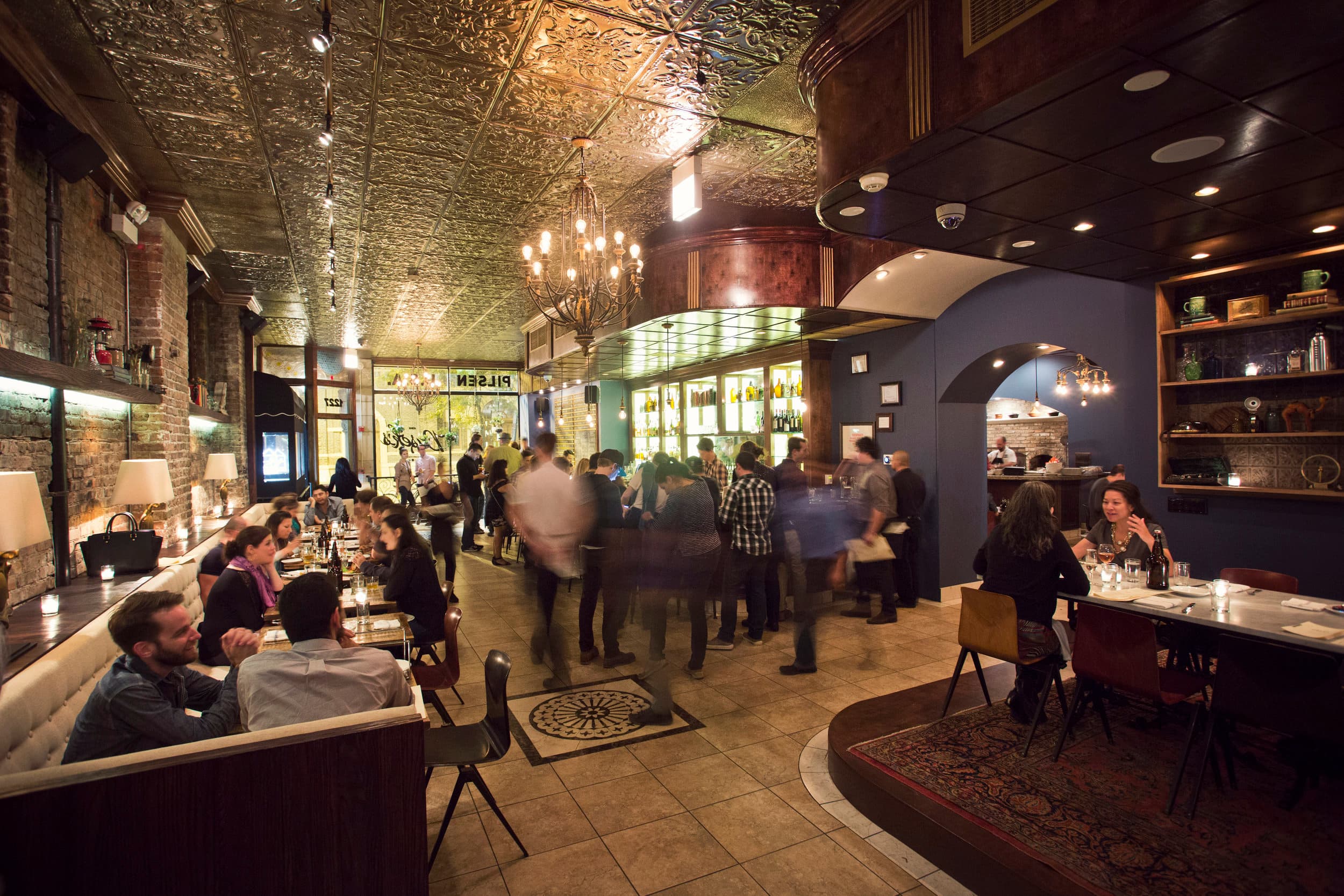
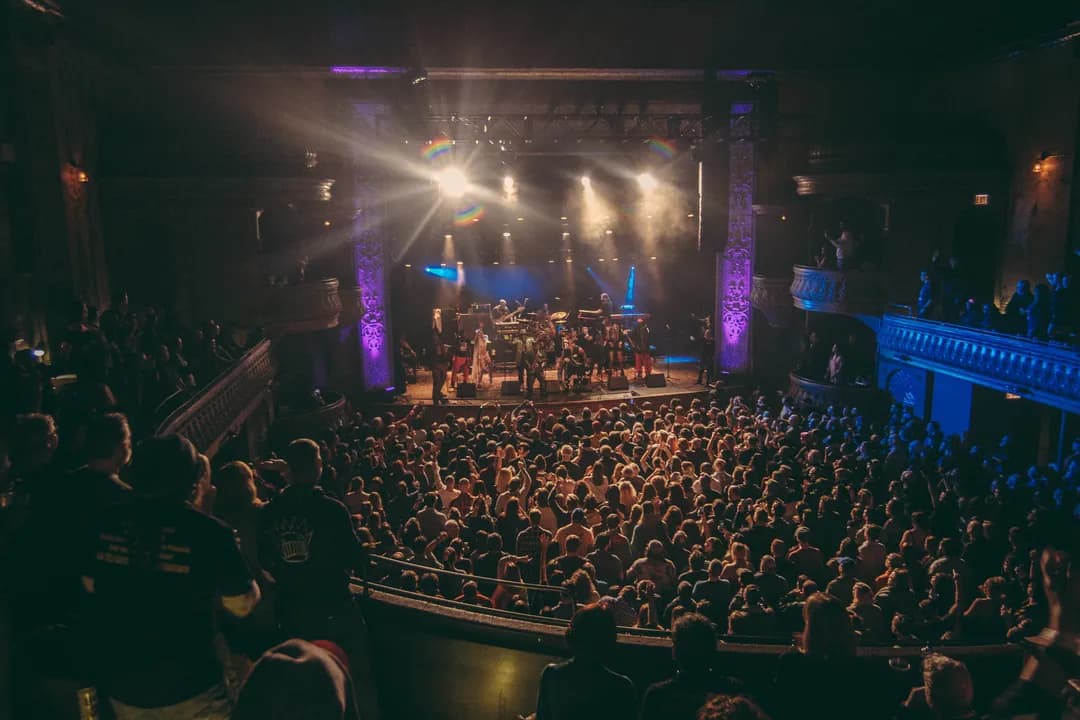
Thalia Hall gives Pilsen an 1892 performance building with a continuing social life. Modeled after a Prague opera house, the landmark now combines concerts and cultural events with food-and-drink spaces in the wider complex. I'd choose the performance that interests me and check nearby dining arrangements independently, leaving time to take in the room before the set. The historic details are a reason to look around, but the current program should still be the reason to buy a ticket.
View Details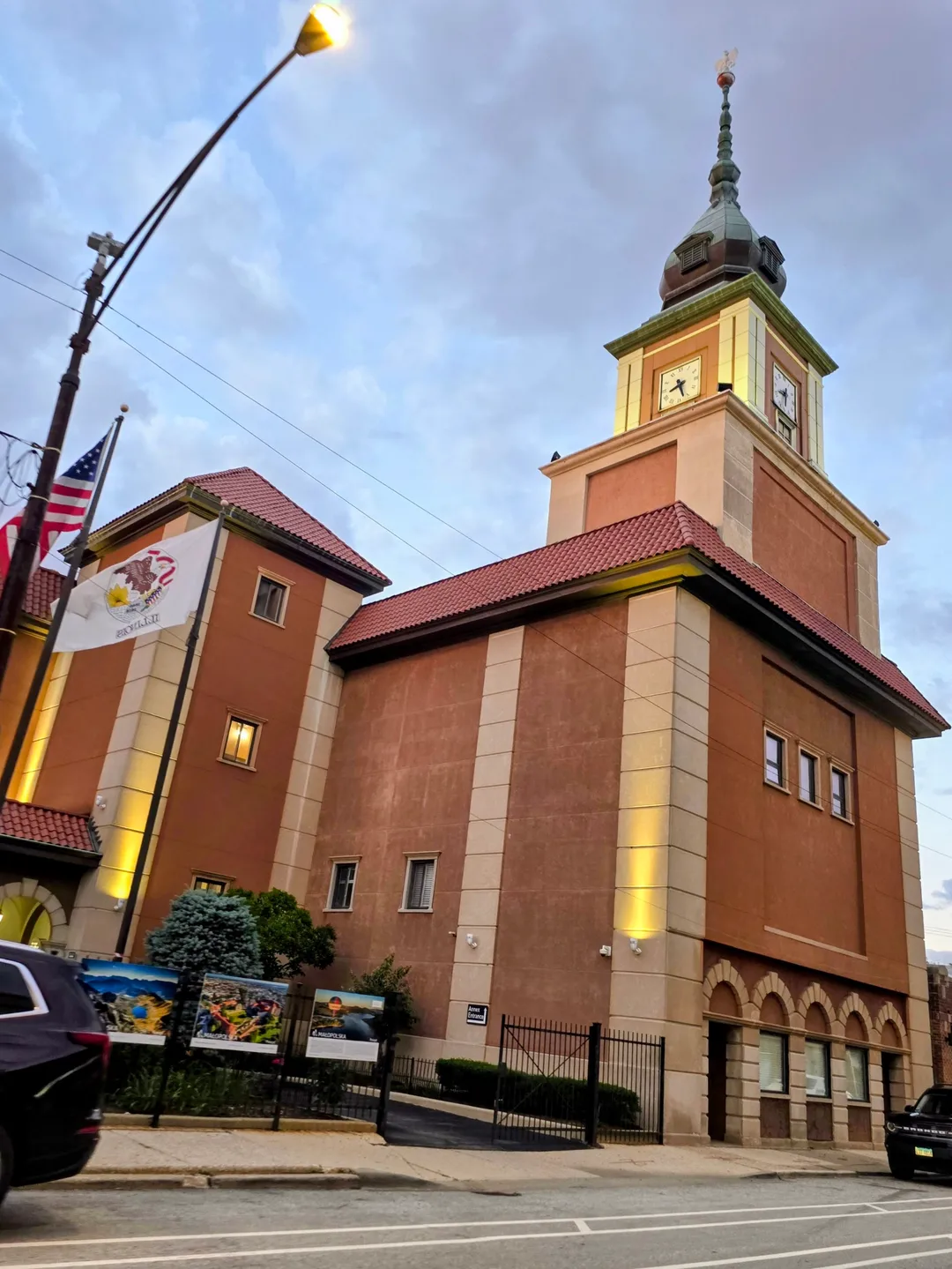
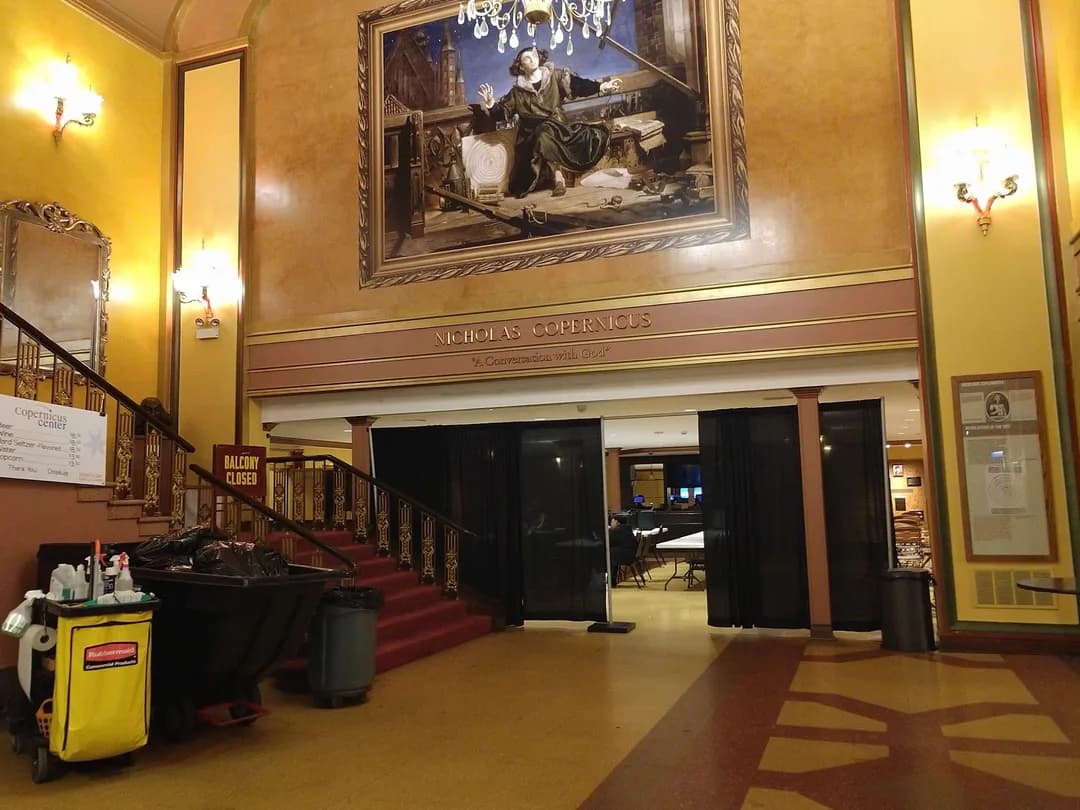
The Copernicus Center keeps a former 1930s movie theater in use as a cultural hub, with concerts, theatrical programs and community gatherings sharing the setting. I'd use the current calendar to find an event that adds context to the building, whether that is music or a smaller community program. Don't assume a large annual festival is running on an ordinary visit. The old theater character is part of the appeal, while the event's own admission and access arrangements determine what you'll actually be able to see.
View Details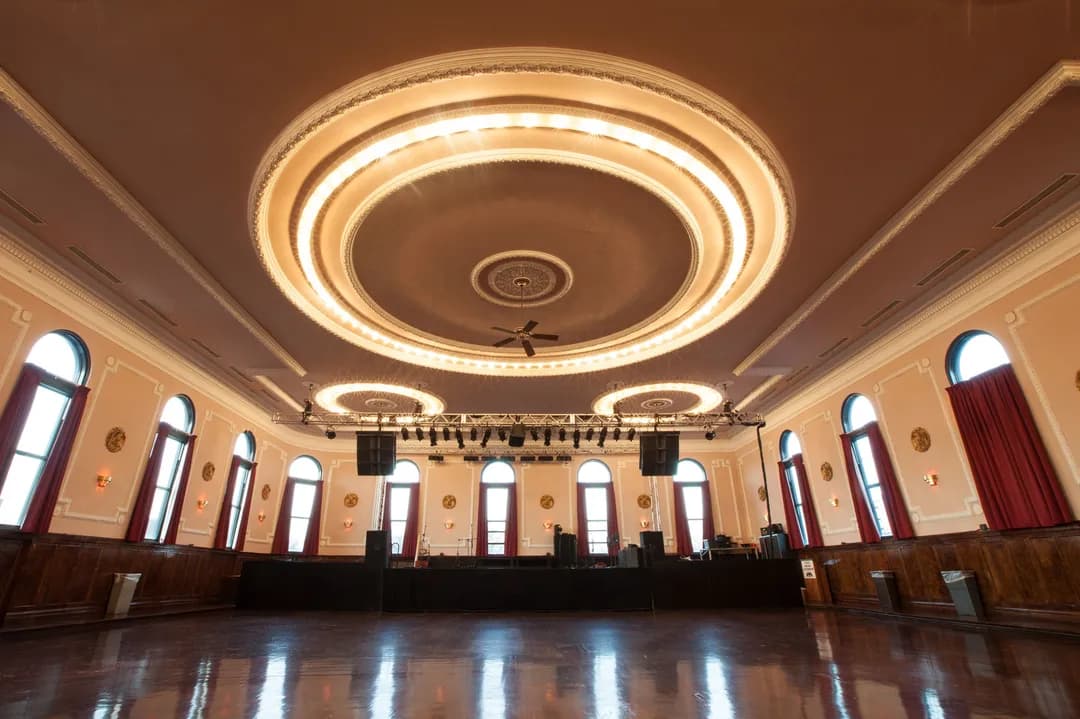
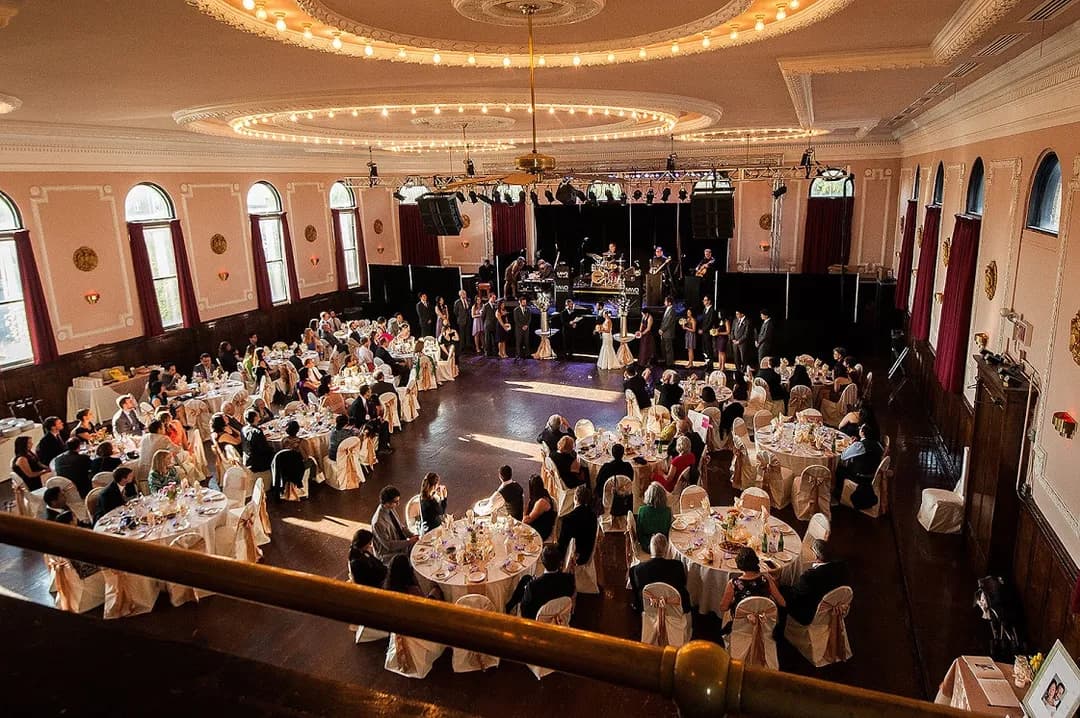
Logan Square Auditorium puts the gathering upstairs: a 1915 ballroom with high ceilings and period details on the third floor. The room now handles concerts, weddings and community events, so public access depends on the calendar. I'd check the specific event and the stair access before committing, especially if anyone in the group needs a step-free route. The source lists a cash-only bar, another detail to confirm before arriving. It's the sort of room where the practical entrance information matters as much as the ceiling.
View Details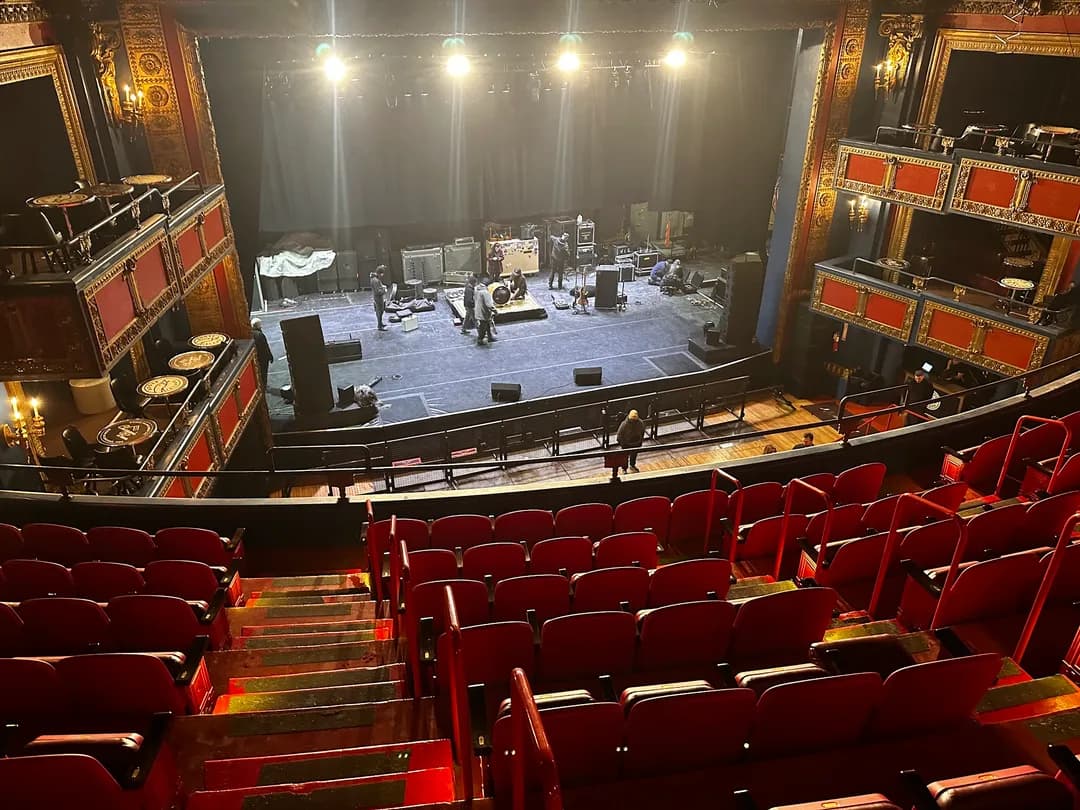
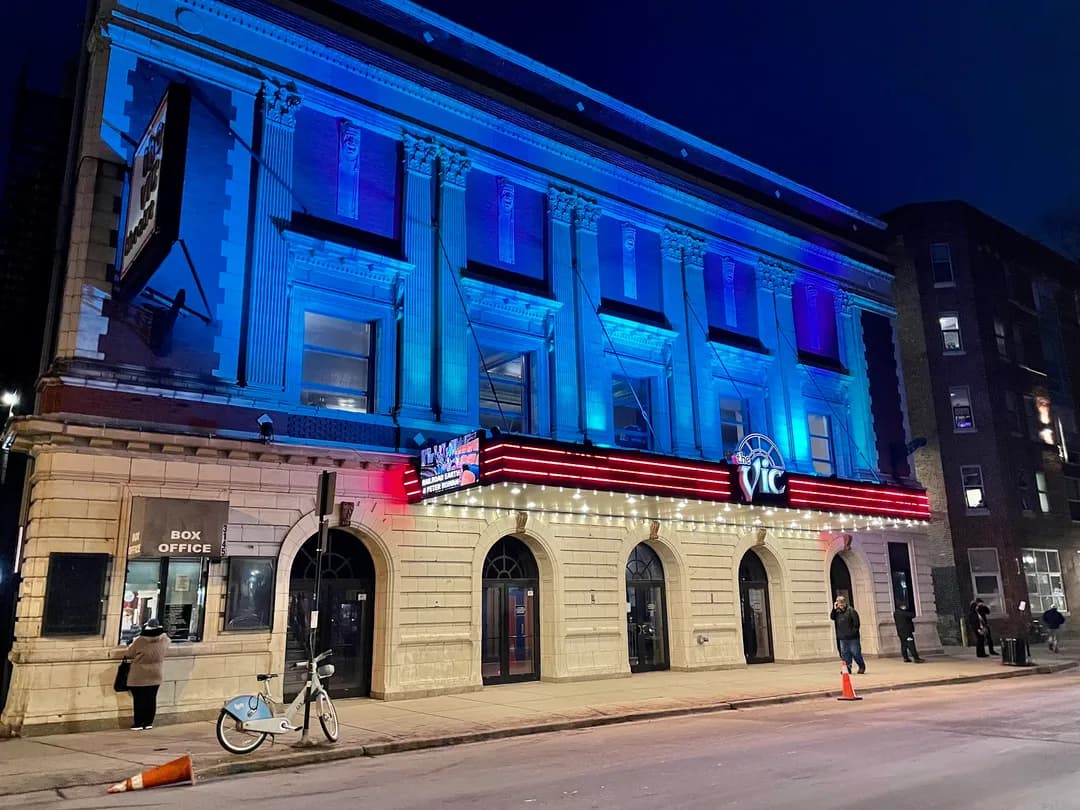
The Vic began in 1912 as the Victoria Theater, bringing vaudeville and touring productions to Lakeview before its later role as a live-music venue. I'd choose a performance and let the preserved theater setting become part of the evening, rather than expecting a historical tour. Check the event's age limits, entry instructions and ticket terms; those vary with the program. The building's long entertainment history gives you something to notice while you wait for the show, without needing an invented story about who might appear.
View Details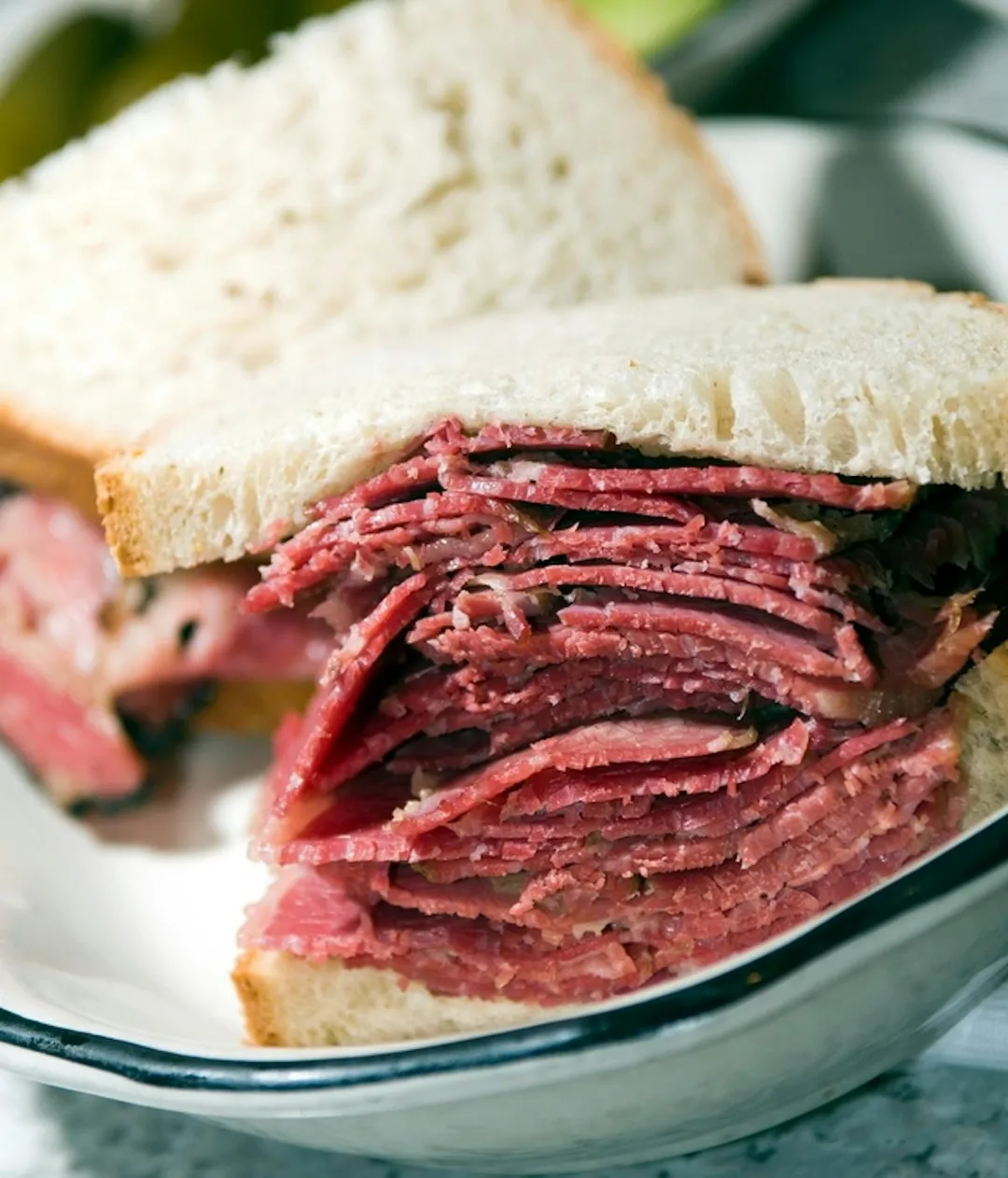

Manny's brings the collection back to a space designed around feeding people. Founded in 1942 and using its cafeteria-line format since the mid-1960s, the deli pairs corned beef and pastrami with a broad dining room and a continuing family story. I'd use it as a meal stop rather than a quick extra before a timed performance. Choose for the appetite you actually have, with portions and price both worth considering. It adds another kind of working Chicago interior to a list otherwise full of stages and galleries.
View Details