 Mediterranean Food Near Me in Fort Greene: Miss Ada's Garden and Hummus
Neighborhood Guides
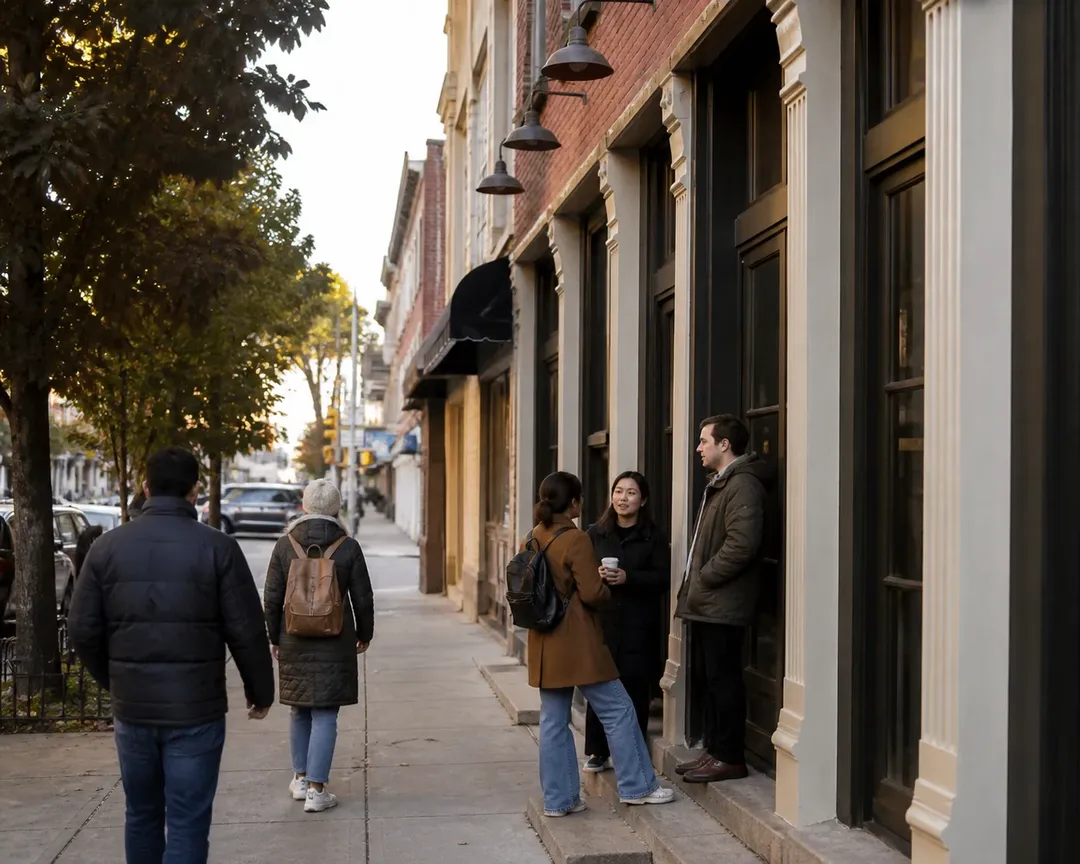
Zohran Mamdani District: Astoria Neighborhood Civic Engagement and Community Resource Walking Map
A weekday-evening walking guide for Astoria residents who want to turn local curiosity into repeatable civic habits. It uses zohran mamdani as a search hook while keeping the route focused on verifiable public resources, transit checks, and neighborhood participation beyond election season.
For people searching zohran mamdani because they want to understand Astoria’s civic landscape, the useful next step is not a campaign rabbit hole. It is a repeatable neighborhood route: check public meeting listings, identify constituent-service channels, plan transit before leaving, and leave room for informal conversations in public spaces. This guide is built for a solo Astoria resident on a weekday evening who wants medium-effort participation without assuming any event, office hour, or group availability is happening tonight. Treat each stop as a decision point rather than a promise. Confirm the meeting, check the route, note accessibility needs, and decide whether the evening is best used for listening, submitting a comment, asking for help, or gathering context. The goal is a civic walking map that can be reused after headlines fade.
Text Karpo your Astoria cross-streets, the civic issues you care about, and your available weeknight evenings—we'll map the next community board meeting you can attend, one local advocacy group with open membership, and a nearby cafe where neighborhood political discussions happen organically if formal meetings feel too structured.
Start With The Meeting, Not The Personality
A grounded Astoria civic route begins with the public meeting you can verify, not with the name that brought you into search. If the phrase zohran mamdani led you here, use that interest as a signal that you care about housing, transit, services, or neighborhood representation, then move toward the official forum where those issues are discussed. Community board agendas, public agency calendars, library calendars, and parks calendars should be checked directly before you leave. Do not assume a meeting is open, nearby, or scheduled just because a social post mentions it. Your first task is to confirm what is actually public, when it starts, and whether remote or in-person participation is listed.
A weekday evening plan works best when it has a fallback. If the meeting you hoped to attend is cancelled, full, remote-only, or outside your time window, the evening can still produce value. Walk the same route to understand distances between civic nodes, save the official links you need, and write down one practical question for a future agenda. This keeps the night from becoming an all-or-nothing errand. It also separates civic engagement from election-cycle urgency. The resident who consistently knows where to verify meetings, how to submit feedback, and which issue belongs in which forum is better positioned than someone who only reacts when a race or headline spikes attention.
Build A Route Around Transit Reality
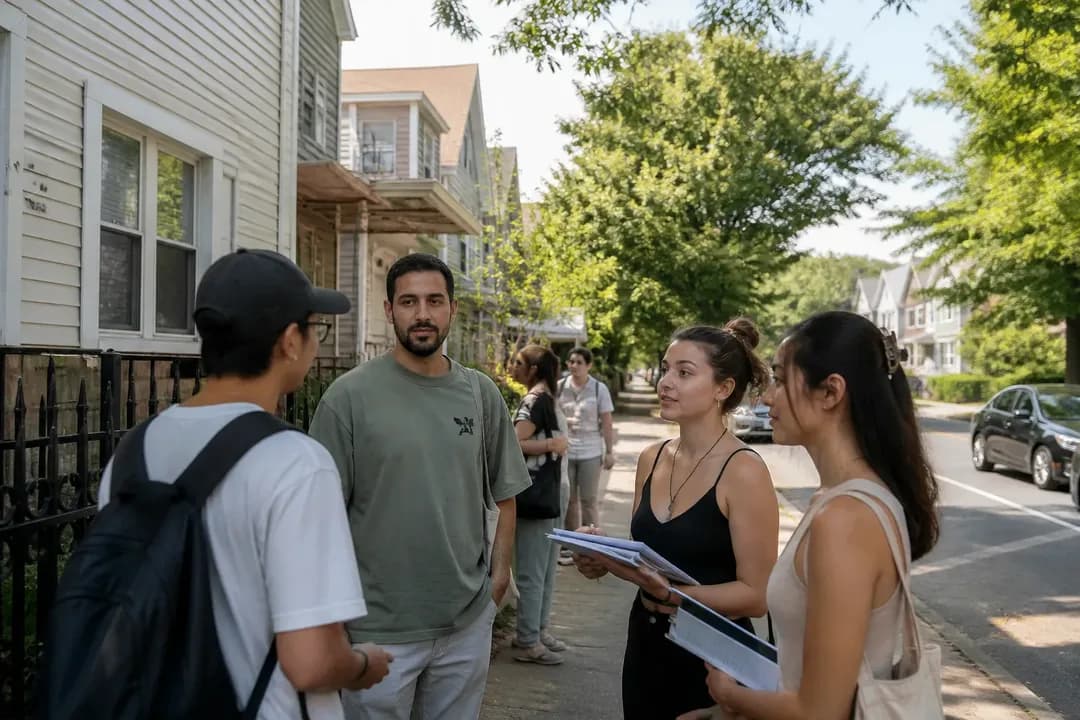
Before choosing stops, check the MTA tools that affect whether a weekday evening walk is realistic. The MTA publishes schedules, maps, fares and tolls, planned service changes, travel information, elevator and escalator status, accessibility information, service alerts, and nearby stations and stops. For a solo resident, those details matter because a medium-difficulty civic route should feel manageable after work, not like a scavenger hunt. Start by identifying the subway or bus point you can reach reliably, then place civic destinations in walking order from there. If accessibility is relevant, confirm elevator and escalator status before committing to a station-dependent plan.
Transit planning also shapes the right level of ambition. A meeting plus two resource checks may be enough if planned service changes add time or if your return trip depends on a less frequent connection. A shorter route can still be productive when it lets you arrive prepared, stay through the useful part of a meeting, and get home without rushing. If you bike, the MTA’s public guidance includes information about taking bikes on transit, so review current rules before making that part of the plan. The point is not to cover every civic location in Astoria. It is to design a route you can repeat, adjust, and trust.
Use Resource Stops As Question Filters
A constituent-service office, public library setting, agency help channel, or neighborhood resource center should not be treated as a symbolic stop. Use each one to sharpen the question you are carrying. Is the issue about a broken service, a policy concern, a benefits question, a tenant problem, a street condition, or a public-space concern? Different problems belong in different channels. When hours or availability are not confirmed, do not plan around a guaranteed walk-in. Instead, use the stop as a reminder to collect the correct contact path, prepare documents, and decide whether your next action is a call, email, form submission, meeting testimony, or attendance at a future public session.
This is where the route becomes useful beyond one evening. Astoria residents often hear overlapping conversations about rent pressure, small businesses, transportation, schools, parks, sanitation, and safety, but participation improves when each concern is translated into an actionable request. Carry a short note with three fields: what happened, where it happened, and what outcome you are asking for. If you speak with staff or volunteers, ask which public body or agency is responsible before making a long argument. If the answer is uncertain, mark it for verification. A civic route should reduce confusion, not multiply rumors. The best result may be leaving with one clear next step.
Add Public Discussion Without Overloading The Night
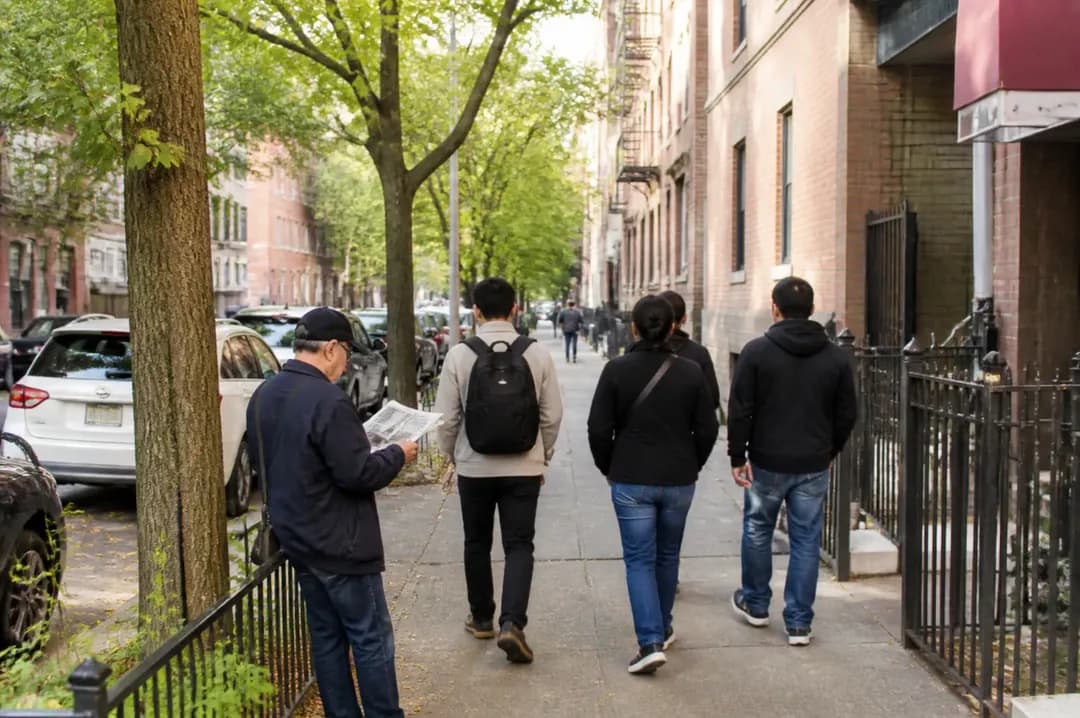
A civic route does not need to end inside a formal room. Public discussion venues can include open community events, issue-focused gatherings, library programs, parks-related activities, or neighborhood group meetings, but only when you can verify current access before attending. Because no specific listing should be assumed, build the evening with flexible time blocks. One block is for an official meeting or resource check. A second block is for informal listening in a public setting. A third block is for notes while the details are fresh. That structure fits a solo resident because it avoids dependence on a group plan and keeps the evening purposeful even if one stop changes.
The tradeoff is depth versus breadth. Trying to meet every group, attend every discussion, and solve every local issue in one evening usually produces shallow understanding. A stronger plan is to pick one theme per route: housing, transit, public space, small business conditions, immigrant services, or quality-of-life reporting. Then listen for how residents define the problem, what evidence they use, and which public channel they trust. If the conversation turns toward a public figure, including zohran mamdani, keep the note tied to the issue rather than the personality. That habit makes the information reusable whether you later attend a board meeting, contact an office, or compare policy positions.
Leave With A Repeatable Civic System
The final stop is not a destination; it is your follow-up system. After the walk, sort your notes into three lists: verified facts, questions to check, and actions to take. Verified facts may include a meeting link, an agency contact path, an accessibility constraint, or a transit condition you personally checked. Questions to check may include current public hours, eligibility rules, agenda timing, or whether a group is still active. Actions should be small enough to complete within a week. Examples include submitting one comment, subscribing to one alert, sending one service request, or inviting one neighbor to attend the next verified meeting with you.
This approach fits civically engaged Astoria residents who want durable participation rather than one-off outrage. It is medium difficulty because it asks for planning, walking, verification, and follow-through, but it does not require insider knowledge or a packed calendar. It also respects uncertainty: public schedules change, transit conditions shift, and local groups may update access rules. Use official transit tools before traveling, confirm each meeting with the host, and avoid treating search interest as proof of on-the-ground activity. When repeated monthly, the same route becomes a personal map of civic capacity: where to learn, where to ask, where to report, and where your time produces the clearest local value.
Tags: #NYC #Astoria #NeighborhoodGuides #CivicEngagement #CommunityBoard #PublicResources #WalkingMap
Sources consulted: Source 1: nycgovparks.org · Source 2: new.mta.info · Source 3: nypl.org · Source 4: a816-health.nyc.gov
All trademarks are the property of their respective owners.
Ask Karpo first
Ask Karpo to turn this NYC idea into a current plan for your date, budget, companion, transit preference, and energy level. Karpo can narrow the route and flag what to verify before you go.
Ask Karpo for more information.
Keep reading
- Mediterranean Food Near Me in Fort Greene: Miss Ada's Garden and Hummus
 Places To Eat Near Me in Chelsea: The Market Fills a Nabisco Factory
 Seafood Near Me in the East Village: The Mermaid Inn's Dollar Oysters