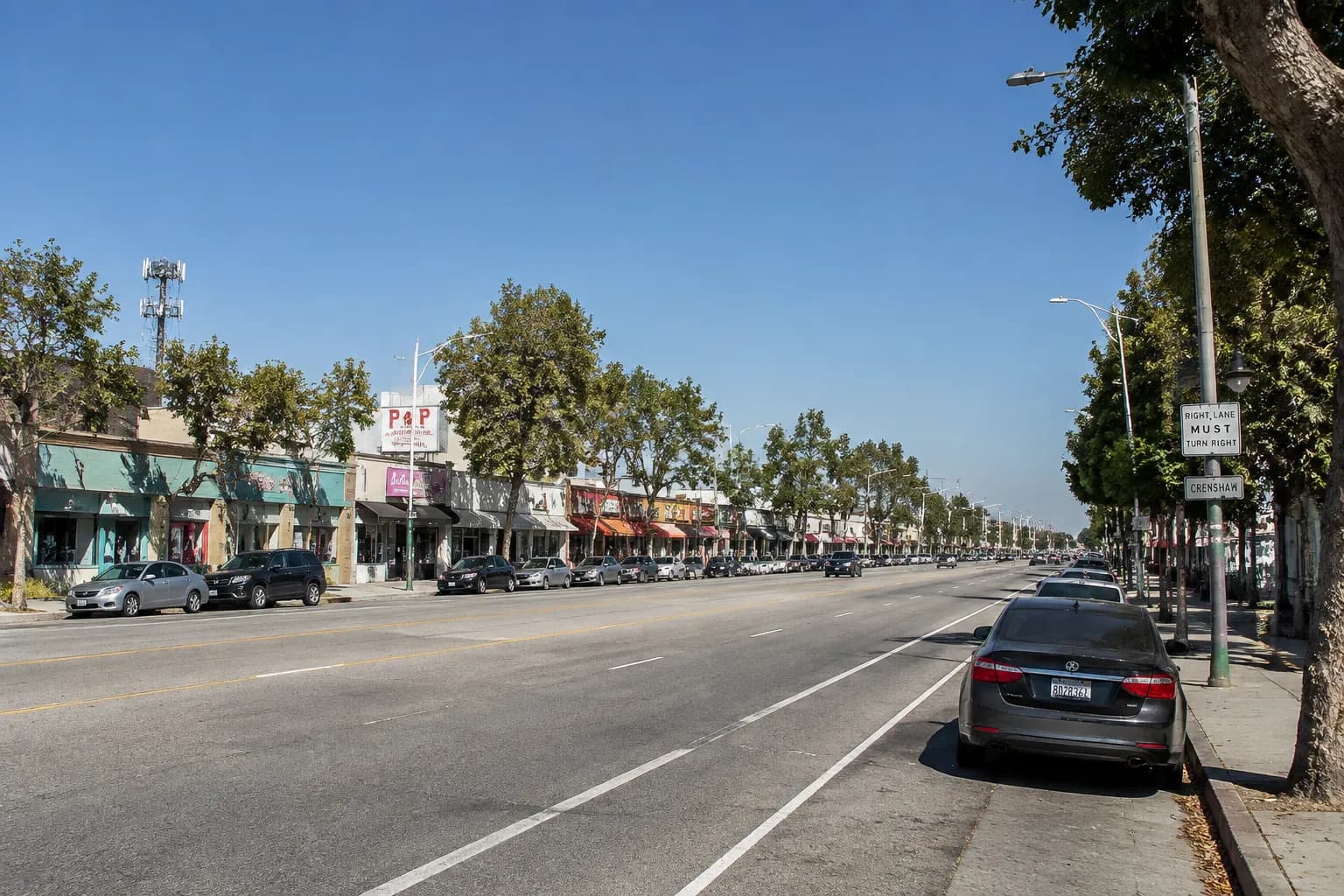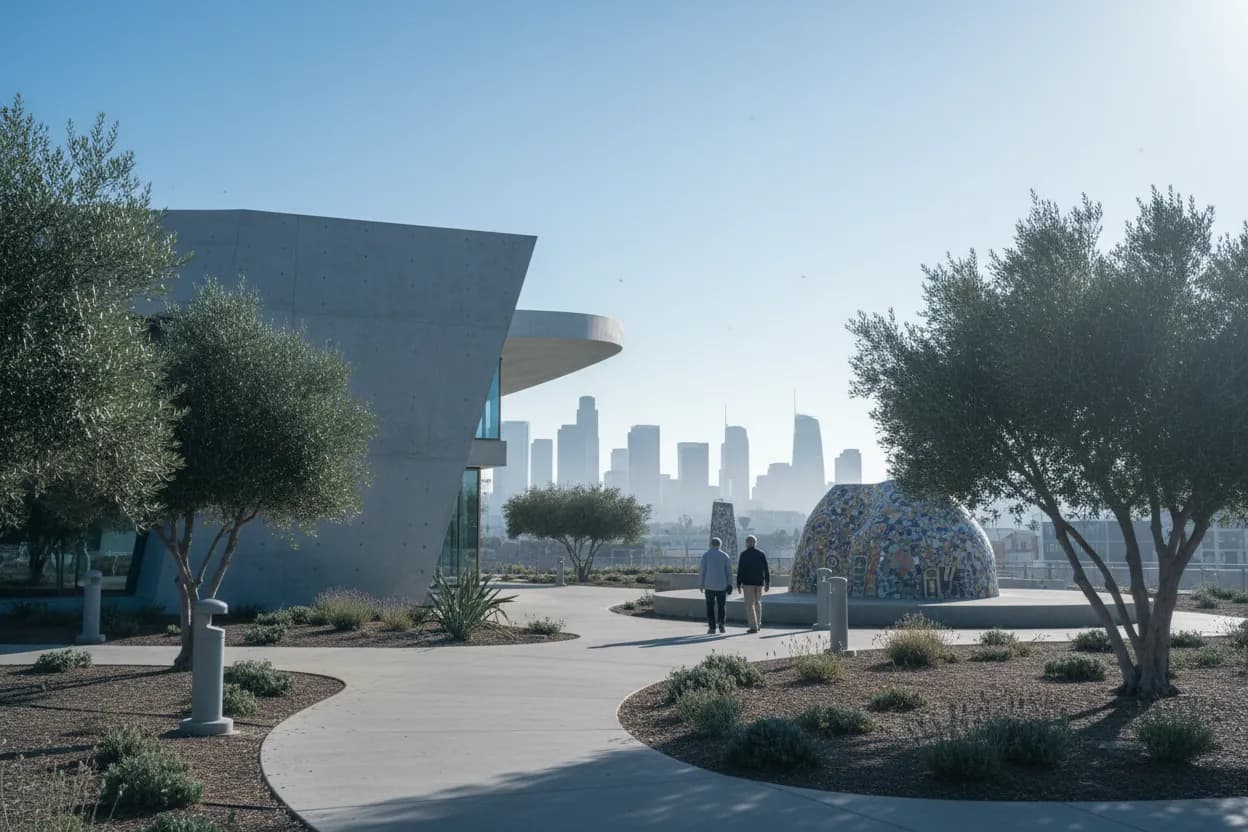
The useful way to read the phrase zilla fatu in Los Angeles this week is not as a tip that someone is appearing somewhere. Treat it as a reminder that fast searches can push people toward weak rumors, vague meetups, and overbuilt itineraries. A better local move is to turn the curiosity into a public, verifiable city route: ride Metro where possible, choose a cultural stop with a clear official presence, look for overlooked art or archive-like details, and keep a second option ready if the first stop is crowded, closed, or simply not worth the wait. Los Angeles rewards that kind of skepticism. The city has renowned museums, multicultural neighborhoods, film-location lore, vintage corners, and transit-linked culture, but the good day starts before you leave home.
Want a tighter version for your exact starting point, mobility needs, and crowd tolerance? Text Karpo before you go, and ask for a verified Los Angeles odd-finds route with a backup.

Use the headline to open a more curious detour
A headline like “zilla fatu: A Quieter Los Angeles Culture Route” should do one job: get you out of rumor mode and into planning mode. There is no need to claim a local appearance, endorsement, private access, or event connection. In a city where weekend listings, museum programming, restaurant weeks, concerts, and fan events can all collide, the smarter play is to build a public route that can survive changes.
Start with the official Los Angeles tourism site as a broad scan. Discover Los Angeles publishes city guides, itineraries, event listings, museum coverage, film-location ideas, vintage LA suggestions, dining routes, and neighborhood material. That does not mean every listing fits your day, and it does not mean anything is guaranteed. It means you have a legitimate starting point before you commit time, transit, or money.
For this particular detour, keep the route compact. Mid-Wilshire is useful because Metro says new D Line Extension stations at La Brea, Fairfax, and La Cienega connect the cultural energy of Mid-Wilshire with Koreatown and Downtown LA. That gives you a practical spine: pick one primary stop near that corridor, then decide whether to continue, pause, or switch.
Choose a place with a real point of view
The best hidden-gems odd-finds day in Los Angeles is not necessarily the least-known place. It is the place that has a point of view you can actually verify. A museum row, a transit station with commissioned art, a film-location corridor, a vintage-focused neighborhood route, or a cultural district guide can all work better than a random address clipped from social media.
Discover Los Angeles identifies arts and culture, points of interest, film locations, vintage LA, Museum Row, heritage, dining, outdoors, and neighborhood exploration as part of the city’s visitor landscape. Use that breadth carefully. If your interest is visual culture, prioritize a museum or public-art stop. If you want local texture, pair a cultural stop with a walkable neighborhood segment. If you are chasing a name because zilla fatu is in your search history, slow down and ask what public experience you are actually trying to have.
A good first stop should pass three tests: it is public-facing, it has an official page you can check the same day, and it does not require believing a rumor. If the page cannot confirm entry details, visitor rules, or current status, do not build the whole outing around it. Los Angeles is too large, and summer movement across the city is too variable, for a fragile itinerary.
Look for materials archives or hands-on details
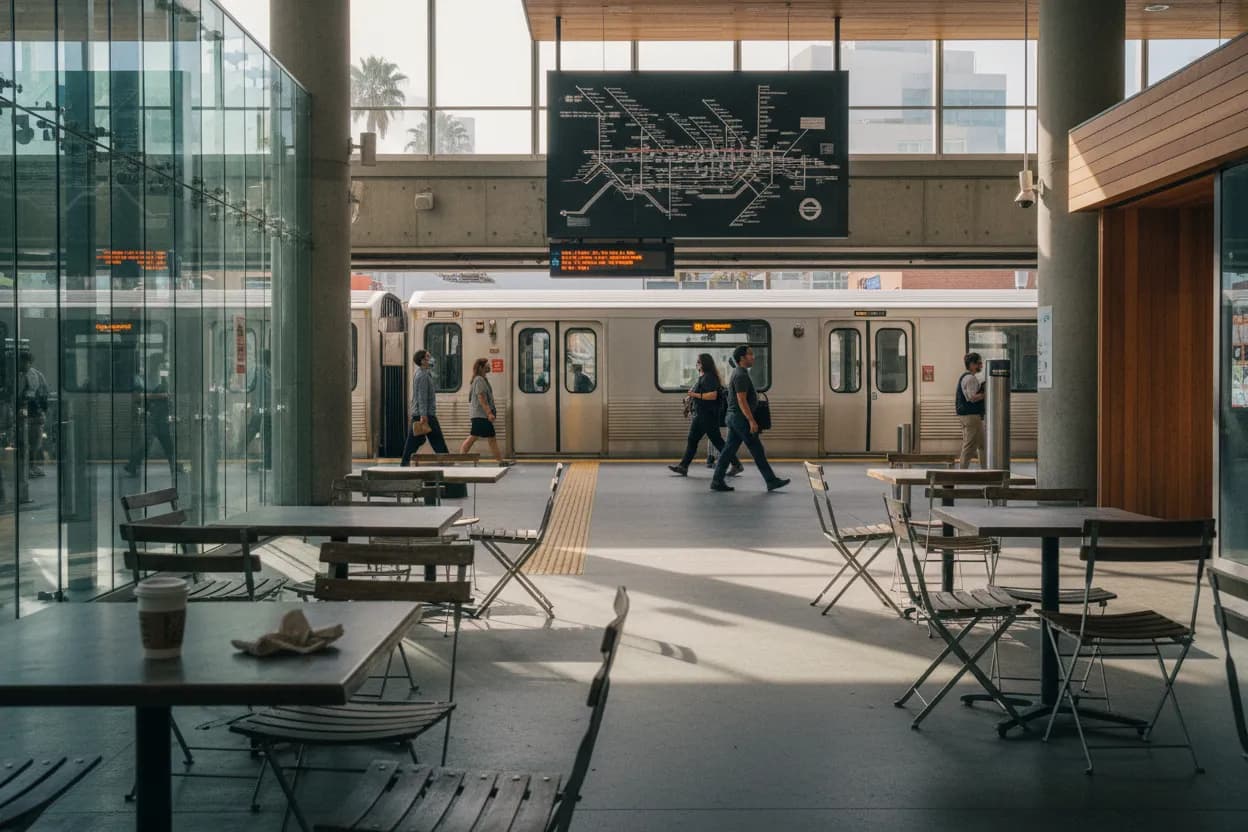
Odd finds often hide in the details rather than the marquee. On Metro’s own homepage, the Wilshire/La Brea Station is associated with artist Fran Siegel and the work “Re: Orientation.” That is the kind of public-facing detail that can turn a routine station arrival into a more attentive city stop. Do not overstate it as an exhibition or special access; treat it as part of the visible transit environment and verify any station information through Metro before you ride.
If you choose a museum or culture stop, scan its official page before leaving for words like collection, archive, education, tours, accessibility, visitor guidelines, or current exhibitions. The extracts available here do not provide specific hours, admission prices, bag policies, or ticket rules for any institution, so those must be checked directly. Your goal is not to maximize stops. Your goal is to notice materials, design choices, neighborhood context, and public art that most hurried visitors miss.
A workable timing plan is simple: make the first stop the serious one, keep the second stop optional, and avoid planning a chain of time-sensitive entries unless every official page supports it. If you are using Metro, open the official LA Metro app or Metro trip tools for real-time arrivals, step-by-step directions, and service alerts. Metro specifically points riders to those tools so they know what to expect as they travel.
Pair the odd stop with a calmer second option
A quieter route needs a release valve. If Mid-Wilshire feels too busy, use the D Line connection as your decision point rather than forcing the day. Metro says the newer stations connect Mid-Wilshire with Koreatown and Downtown LA, so a second option can be another public culture area in that connected geography, provided you verify the current transit path and entry details before moving.
For a lower-pressure backup, use Discover Los Angeles’ broader itinerary categories rather than a single hyped listing. The official tourism site includes 3-day ideas for arts and culture, film locations, vintage LA, dining, streetwear and LA team gear, outdoors, and pet-friendly LA. You are not copying a three-day vacation; you are borrowing a verified category to redirect one afternoon.
Crowd risk deserves a real check. Discover Los Angeles lists major upcoming items around the current week, including Dine LA Restaurant Week from August 14 to August 28, 2026, KCON LA 2026 Festival opening day on August 14, and multiple music events. Those listings can change and may affect movement, demand, or nearby congestion depending on where you are going. Before leaving, review current event pages and Metro alerts instead of assuming the city will feel normal.
Respect access photography and privacy rules
Los Angeles can make public life feel cinematic, but that does not make every doorway, lobby, gallery, station corner, restaurant, or sidewalk interaction available for content. A verification-first route respects posted rules first. If a site has visitor guidelines, photography restrictions, accessibility notes, timed-entry language, security screening, or bag limitations, follow the official version available that day.
Do not use zilla fatu as a reason to ask staff about private information, speculate about someone’s location, or pressure a venue for unofficial access. This article is not asserting any appearance or affiliation. The public plan is the point: culture stop, transit check, neighborhood awareness, backup option, and a clean exit if conditions are not right.
Photography is especially worth slowing down for. Public art and exterior details may be visible, but museums, events, businesses, and transit spaces can have rules that vary by location and circumstance. If you are unsure, ask staff politely or skip the shot. A calmer Los Angeles day is easier when you are not negotiating every boundary.
Verify current entry details
Before you go, make a five-minute verification pass. Check the official page for your chosen stop, then check Metro for arrivals, maps, schedules, alerts, and step-by-step directions. Metro also notes that riders can pay fare by tapping a credit or debit card in plastic or digital form on bus or at train stations, but payment options and account details should still be reviewed on Metro’s official fare pages if they matter to your trip.
Next, check Discover Los Angeles for current citywide listings that could shift your day. The site presents itself as the official guide to Los Angeles and includes things to do, eating and drinking, events, itineraries, tourist information, and neighborhood material. Use it as a wide-angle scan, not as a substitute for the destination’s own rules.
Finally, set a go/no-go threshold. If the primary stop has unclear entry information, if Metro alerts complicate the route, or if event traffic looks heavier than you want, choose the calmer second option. Hidden gems are not magic because they are obscure. They work because you can reach them, understand the rules, enjoy them without forcing a rumor, and leave with enough energy for the rest of Los Angeles.
Tags: #zillafatu #LosAngeles #LAHiddenGems #OddFinds #MidWilshire #MuseumRow #LAMetro #PublicArt #CultureRoute #KoreatownLA #DowntownLA #LocalLife #AskKarpo #BeforeYouGo
Sources consulted: discoverlosangeles.com · metro.net · laparks.org
All trademarks are the property of their respective owners.
Ask Karpo first
Ask Karpo first if you want the route checked against today’s official pages, Metro alerts, and crowd risk. The best Los Angeles odd-find plan is not the loudest one; it is the one that stays public, verifiable, respectful, and easy to abandon when conditions change.