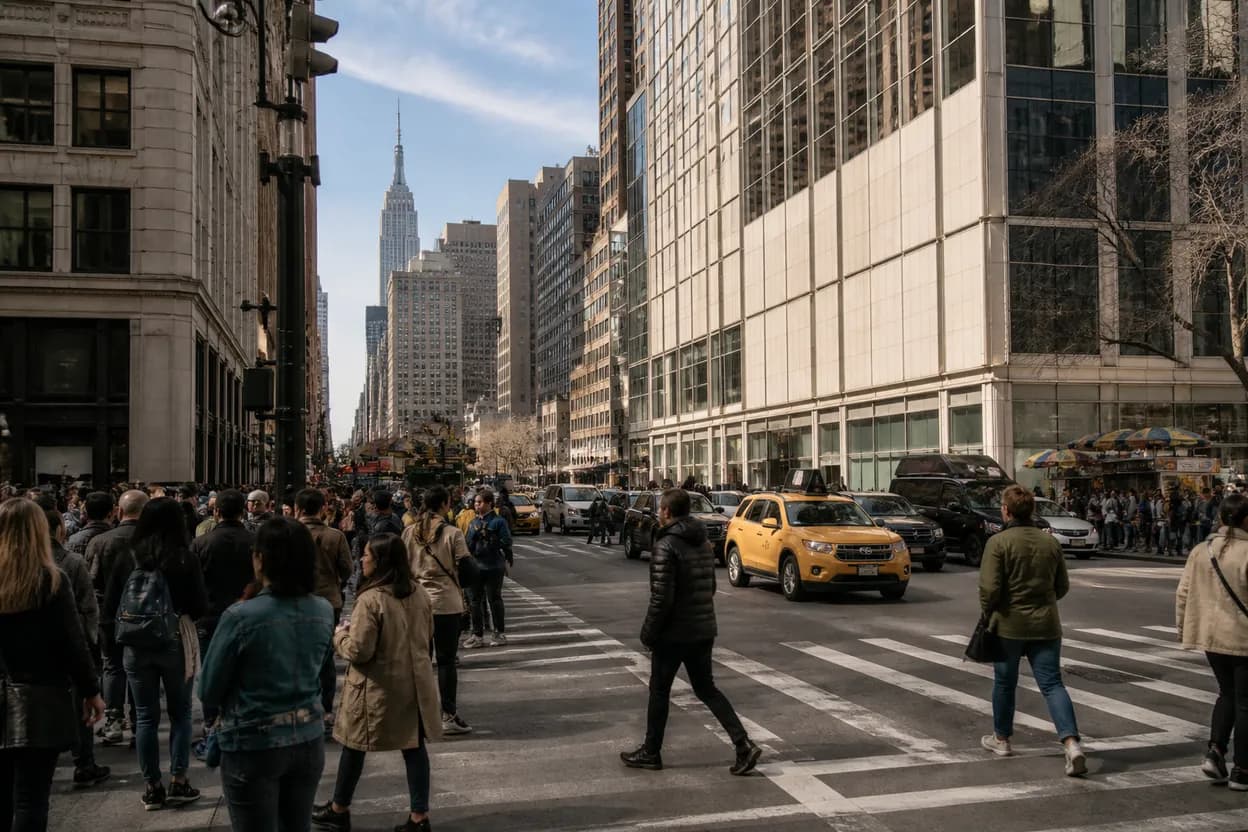
If zelda ocarina of time remake is the phrase pulling you into a search tab today, do not let that momentum turn into a blind cross-city trip. NYC rewards curiosity, but it punishes vague plans. A rumor-shaped headline, a social post, or a nostalgia spike is not the same thing as a confirmed local event, a public appearance, or an official attraction. Treat the search as a prompt to build a neighborhood plan you can actually execute: pick the area by what you want to do, verify public information before leaving, anchor the route around transit exits, and keep a backup that does not depend on one venue, one post, or one perfect weather window.
Want a fast second read before you spend an hour on the train? Text Karpo with your neighborhood, time window, and must-do, and ask for a verification-first NYC plan.

Translate the headline into a neighborhood question
Start by separating the search phrase from the city decision. zelda ocarina of time remake may be why you are paying attention, but the useful NYC question is narrower: which neighborhood gives you the best public version of the day you want? That might mean gaming-adjacent shopping, a museum-and-meal afternoon, a Broadway-heavy Midtown plan, a budget culture route, or a low-pressure food crawl. The official NYC tourism site frames the city through things to do, eat and drink, where to stay, maps and guides, events and festivals, shopping, sports, nightlife, museums and galleries, tours and attractions, and Broadway and performing arts. Use those categories as filters, not as hype fuel.
The practical move is to write one sentence before you leave: “I am going to this area for this public activity, and I have checked the official page today.” If the sentence depends on an unverified appearance, a private industry showing, a secret screening, or a post with no official link, it is not a plan. It is a guess with subway fare attached.
Choose the area by the actual task
NYC is five boroughs, and the official tourism description is bluntly useful: a borough is like a smaller city within the massive metropolis. Manhattan is the obvious choice when the task is Broadway, iconic skyline views, central sightseeing, or a dense first-time visitor route. Brooklyn works better when the day is built around nightlife, boundary-pushing cuisine, and all-ages options. Queens is the stronger choice when food variety is the point, with old-world cuisines and beach scenery both part of the borough’s public identity.
The Bronx is the better fit when your plan leans into city history, culture, baseball context, hip-hop roots, or old-world classics in its Little Italy. Staten Island should not be treated as an afterthought if the task is historic attractions, beach views, global dining, and a ferry-linked itinerary. Pick the borough that matches the task, then pick the neighborhood inside it. Do not start with the farthest location just because an online conversation feels urgent.
For the current week, the citywide dining calendar may matter more than the headline that got your attention. NYC Restaurant Week Summer 2026 is listed by NYC Tourism for July 20 through August 16, with two-course lunches and three-course dinners across all five boroughs starting at $30. If dining is part of your route, verify participating restaurants and current terms on the official page before building the rest of the day around a table.
Use transit exits as planning anchors
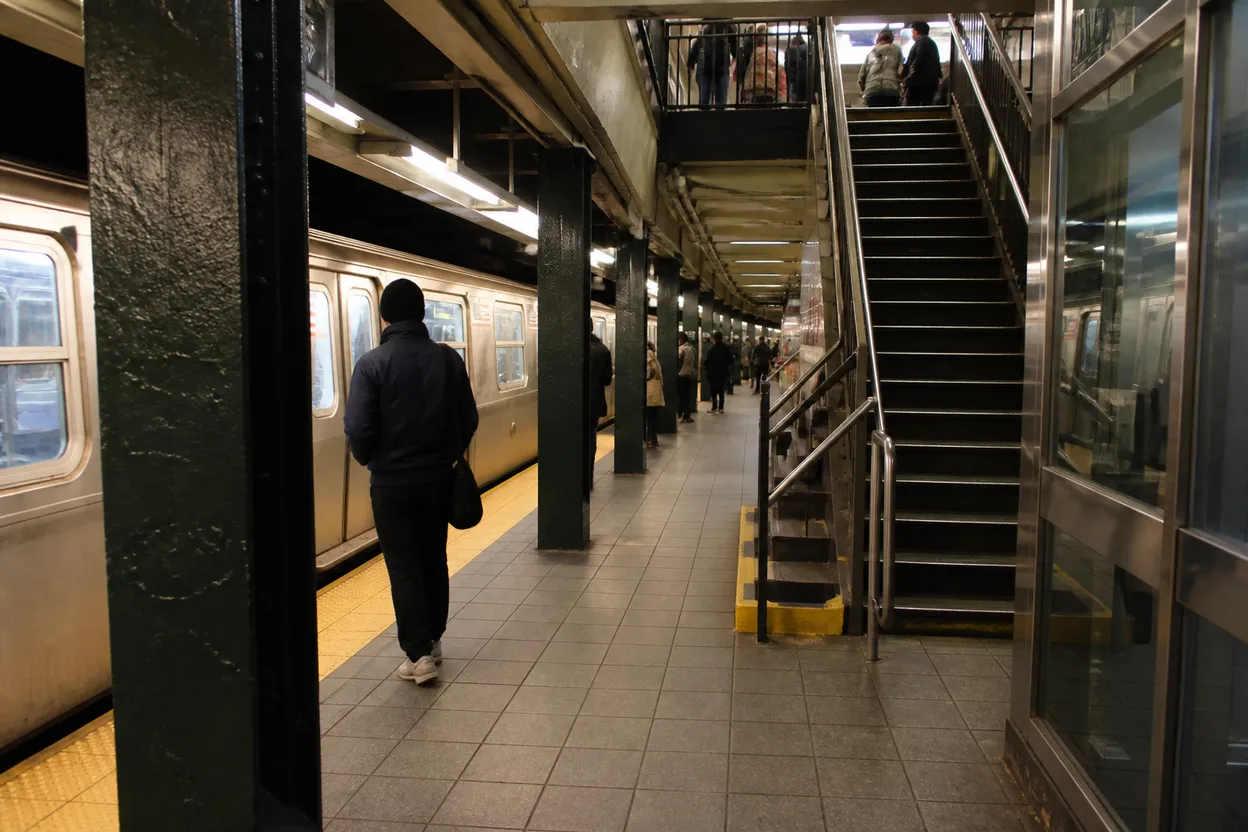
A workable NYC plan is not just “take the train.” It is “arrive at the right side of the station, leave by the exit closest to the first stop, and know what you will do if the route changes.” The official tourism site repeatedly points visitors toward subway-accessible stories and citywide movement, but specific routing conditions can change. Before leaving, check the official transit source available to you for service status, station information, accessibility needs, and any alerts affecting your line or stop.
Plan the first ten minutes after arrival. Which exit puts you closest to the museum entrance, restaurant block, theater district, park edge, or shopping corridor? Which direction will you walk when you reach street level? If you cannot answer those questions, you are still planning in the abstract. In Manhattan especially, the wrong exit can add confusion even when you are technically at the correct station; in outer-borough neighborhoods, the wrong transfer or missed stop can turn a simple plan into a late arrival.
Build a timing buffer without inventing precision. Do not assume every transfer is smooth, every elevator is available, or every crowd is predictable. If you have a ticketed or reservation-based stop, check its official page the same day for entry instructions, timing, and access requirements. If you are visiting a free or low-cost attraction, confirm whether the offer applies today, at a specific time, or only under certain conditions.
Add one indoor and one outdoor backup
Every NYC neighborhood plan should have two backups: one indoor, one outdoor. The indoor option protects you from weather, fatigue, or a line that moves too slowly. The outdoor option protects you from sold-out indoor spaces, limited entry windows, or the simple need to reset. NYC Tourism highlights museums and galleries, Broadway and performing arts, shopping, tours and attractions, nightlife, and budget culture options, which gives you enough official categories to build a flexible pair without pretending anything is guaranteed.
For an indoor backup, look for a nearby museum, gallery, shopping area, public-facing cultural institution, restaurant week participant, or performance district listing you can verify that day. For an outdoor backup, use a walkable sightseeing corridor, waterfront, park-adjacent route, neighborhood architecture loop, or borough-specific attraction area, then confirm current conditions through official pages when needed. If the official Parks site or another public site is temporarily unreachable, treat that as a reason to delay reliance on a specific park feature, not as permission to guess.
The backup should be close enough that you will actually use it. A second option ninety minutes away is not a backup; it is a new itinerary. Keep it within the same neighborhood or along the same transit path whenever possible.
Avoid treating online attention as a local promise
NYC is exceptionally good at absorbing national attention. A phrase can trend, a fandom can mobilize, and a rumor can travel faster than any official calendar. None of that confirms a local activation, a public guest, a screening, a pop-up, a retail drop, or special access. Unless an official venue, agency, organizer, or ticketing source says it is happening, do not plan as if it is happening.
This is especially important around entertainment searches. The city has real Broadway, nightlife, TV tapings, arts institutions, festivals, sports, tours, and dining programs, and many of those require their own verification steps. A search for zelda ocarina of time remake can still lead to a good NYC day, but only if you let it point you toward public options rather than imagined exclusives.
If you see a post naming a neighborhood, slow down. Check whether the address is public, whether hours are current, whether entry is first-come or ticketed, and whether the source has authority to make the claim. Screenshots, reposts, and vague “heard it’s happening” language are not enough for a cross-borough trip.
Verify conditions before crossing the city
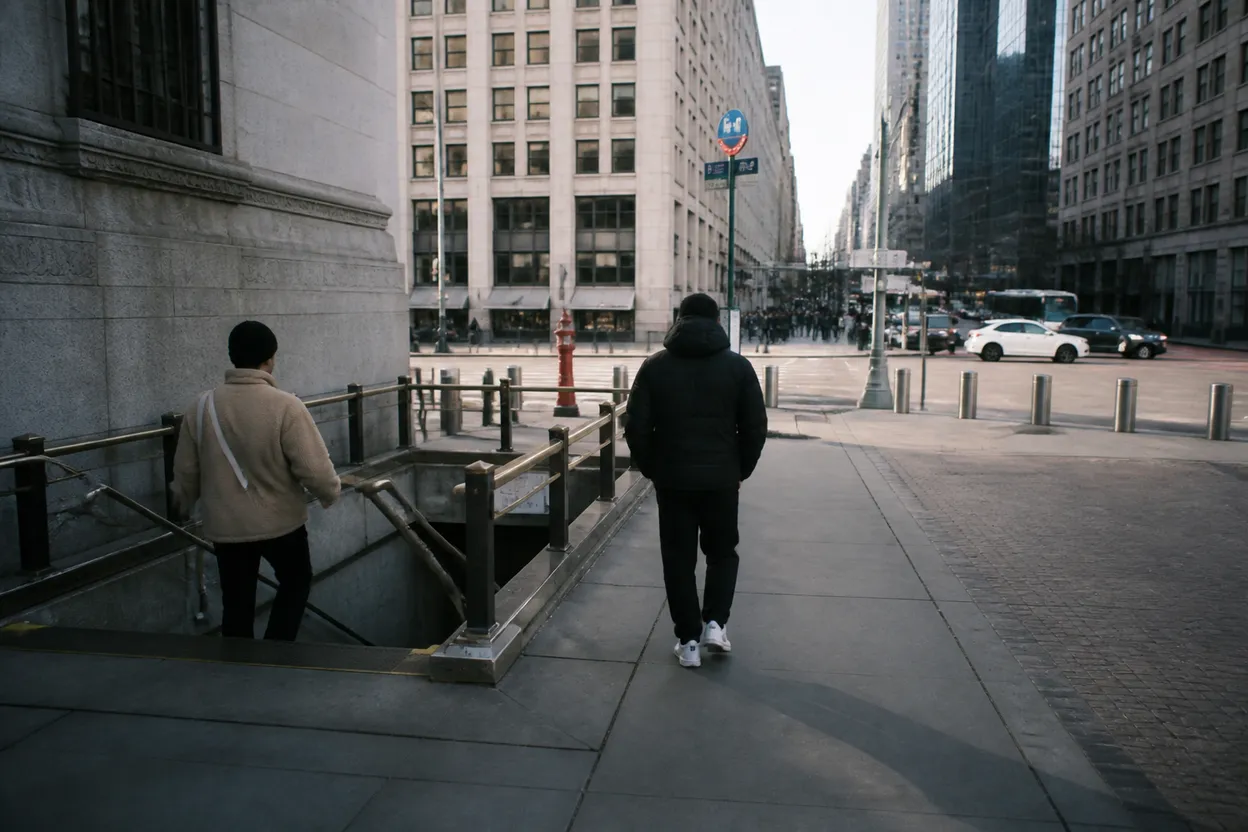
Before you move from one borough to another, run a final verification pass. Check the official page for the destination category you are using: NYC Tourism for citywide trip ideas, dining programs, borough guides, budget activities, museums, attractions, annual events, and neighborhood inspiration; the relevant venue page for hours and access; and the official transit source for service changes. If any of those pages are unavailable, incomplete, or unclear, downgrade the stop from “anchor” to “maybe.”
Crowd risk is not only about big events. Restaurant Week, Broadway areas, observation decks, all-ages venues, free museum windows, shopping corridors, and popular food neighborhoods can all draw demand. The official tourism site notes that NYC has constant energy and an endless supply of sights, attractions, and activities; that abundance is useful because you rarely need to force one fragile plan. Build a route that can bend.
The cleanest city plan has a primary stop, a nearby verified meal or break, a transit-aware arrival point, one indoor backup, one outdoor backup, and a decision time. If the first stop becomes impractical, switch early. In NYC, saving the next two hours is usually smarter than defending the last twenty minutes of planning.
Tags: #AskKarpo #BeforeYouGo #NYC #NeighborhoodGuides #NYCTravel #NYCTransit #Manhattan #Brooklyn #Queens #TheBronx #StatenIsland #NYCRestaurantWeek #CityPlanning #TravelSmart
Sources consulted: nyctourism.com · new.mta.info · nycgovparks.org
All trademarks are the property of their respective owners.
Ask Karpo first
Ask Karpo first before turning a hot search into a long ride. Send the neighborhood, your time window, mobility needs, and the official link you are relying on. Karpo can help pressure-test the route, flag weak assumptions, and suggest a nearby backup before you go.


